DbcultAccessing Vault...
Cult Review
Senior Film Conservator
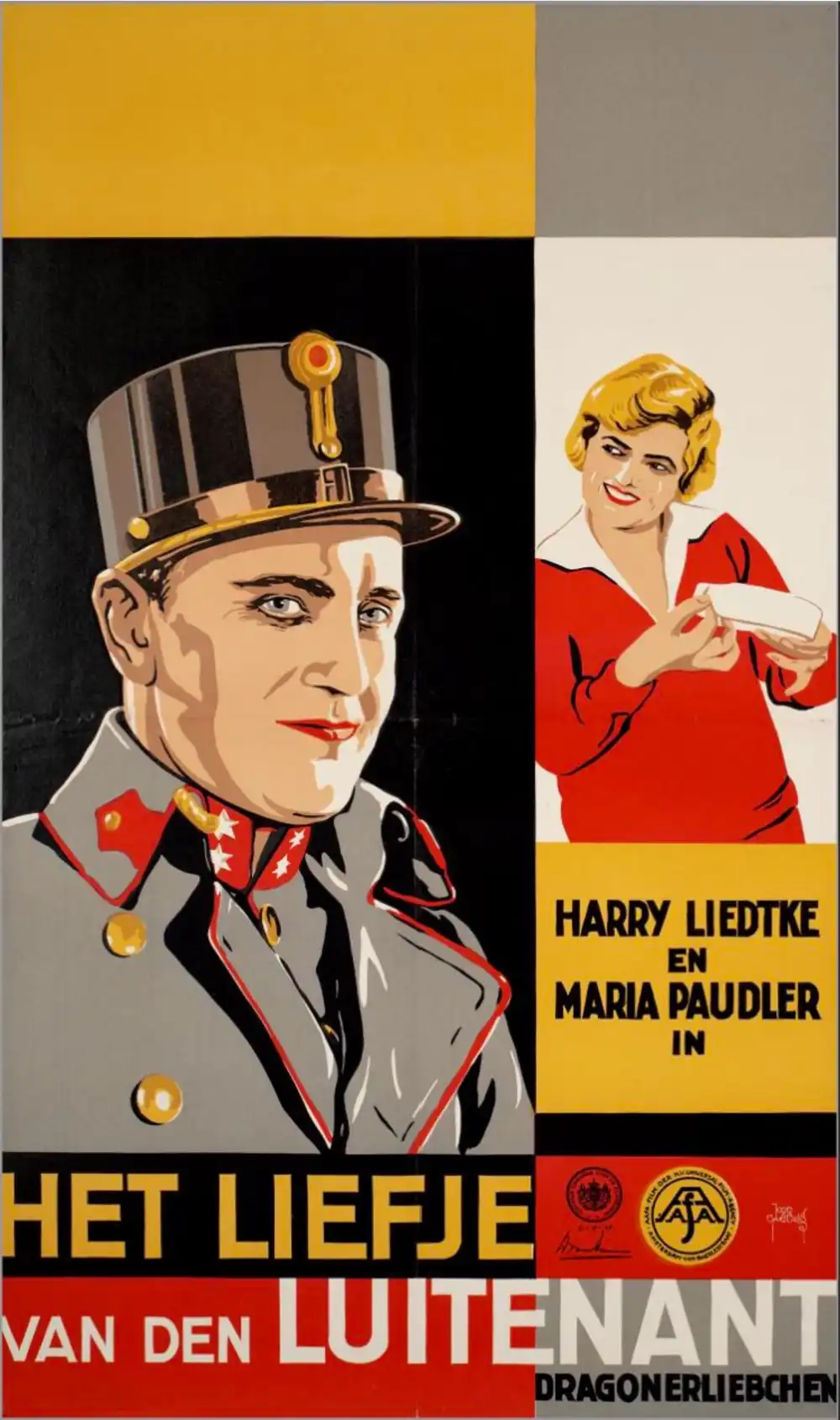
So, is Dragonerliebchen worth digging up today? Well, if you have a soft spot for really old German silent comedies, especially ones with a bit of romantic silliness and some handsome uniforms, then yeah, probably. It’s definitely not for folks who need explosions or talking animals in their movies, or anyone who can’t handle reading intertitles. But for those who appreciate a good, charming little historical rom-com without sound, it’s a sweet find. A nice evening's diversion. 🕰️
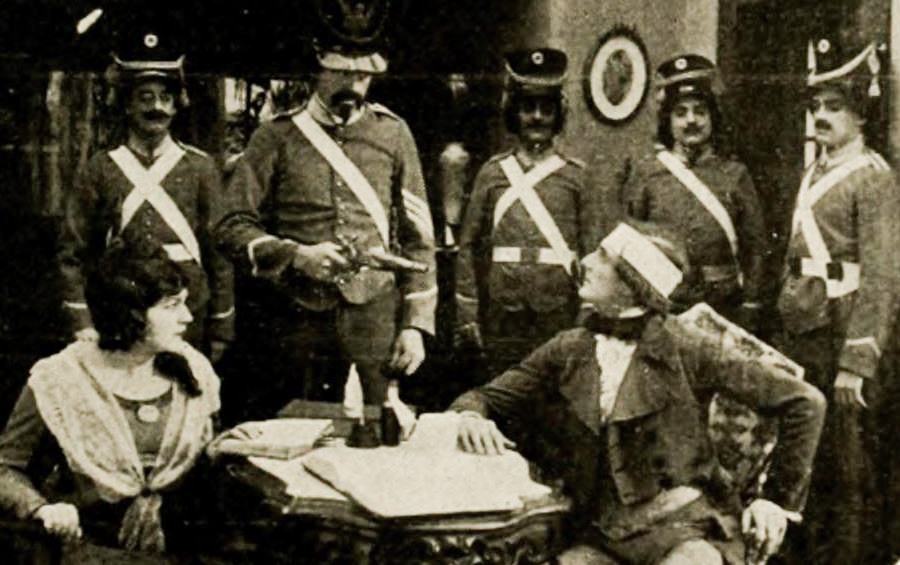
This film is from 1927, so you know what you’re getting into right off. It has that distinct silent-era energy. The story, as best as I can piece together without spoiling things, involves a young woman caught up with a dashing officer, likely a dragoon, as the title suggests. There are definitely some mix-ups, a few mistaken identities, and a whole lot of expressive gesturing.
Harry Liedtke, who plays the lead here, he just has this natural charm. He was a big deal back then, and you can see why. Every time he flashes that smile, you kinda just get it. Even without words, he conveys a lot. You’d probably swoon, or at least chuckle, along with the audience from nearly a century ago.
The pacing, for a silent film, feels pretty brisk actually. It doesn’t dawdle, not too much. There are these moments where the camera just *holds* on someone’s face, and you’re supposed to understand everything from their eyes. Sometimes it works wonderfully, like with Margarete Kupfer. Other times, you’re just waiting for the next intertitle to catch up. 😅
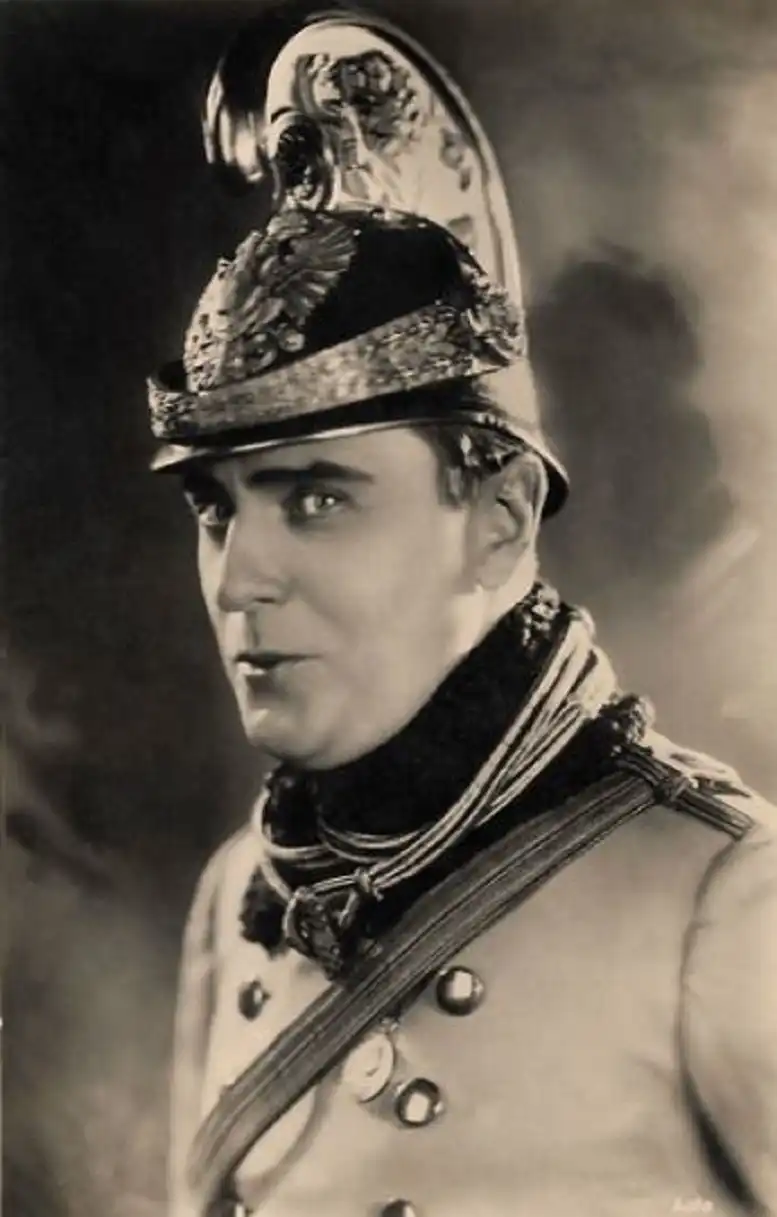
One scene, I remember, involved a particularly grand uniform inspection. The details on the costumes, the hats, the way the soldiers march – it's all just so _proper_. But then, of course, something goes wrong, and it’s played for laughs. It really highlights the absurdity of such rigid formality, which I think is kinda clever for a film of its time.
Maria Paudler, she has this way of looking absolutely bewildered one moment and then incredibly determined the next. Her character probably drives a lot of the plot’s lighter chaos. It’s not deep, profound acting in the modern sense, but it fits the slapstick-adjacent humor perfectly.
And Fritz Kampers! He’s always good for a laugh. You can almost feel him chewing the scenery, even in a silent movie. There's a sequence where he's trying to hide, and he just keeps popping up in the most unhelpful places. It goes on for a bit, maybe _too_ long, but it gets a solid giggle out of you eventually.
The film doesn't try to be anything more than it is: a fun, old-fashioned escape. It doesn’t push boundaries or make grand statements. It's just a pleasant little story, well-acted for the period, and put together with a clear understanding of how to make people smile. You’ll definitely notice the flickering frames if you’re not used to older prints, but it becomes part of the charm after a few minutes.
Overall, if you're curious about early German cinema or just love the unique charm of silent comedies, Dragonerliebchen is a solid pick. It’s a good example of what they could do with simple stories and big expressions. Just remember to have your reading glasses ready for those intertitles! And maybe some popcorn. 🍿
IMDb 5.1
1935
Community
Log in to comment.