DbcultAccessing Vault...
4.9/10
Senior Film Conservator
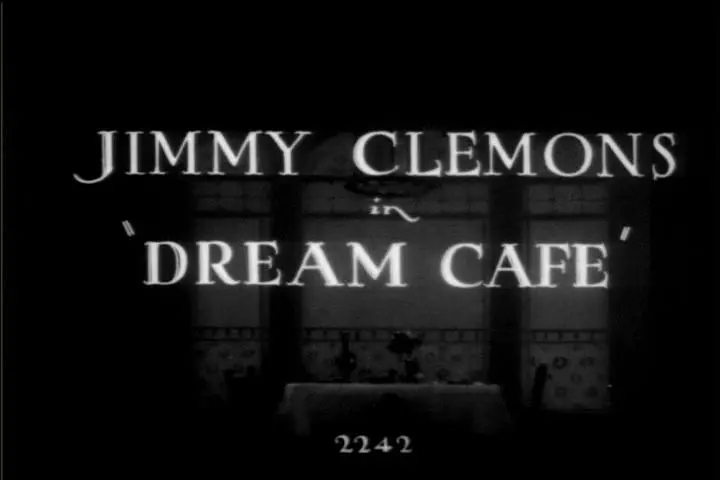
A definitive 4.9/10 rating for a film that redefined the boundaries of cult cinema. Dream Cafe remains a cornerstone of transgressive art.
Is "Dream Cafe" a film worth seeking out in today's crowded streaming landscape? Short answer: yes, but with a significant caveat. This is a film that demands patience and rewards introspection, offering a quiet, almost meditative experience that stands in stark contrast to the bombast of most contemporary cinema. It’s a beautifully crafted character study for those who appreciate nuanced performances and atmospheric storytelling, but it will undoubtedly test the patience of viewers accustomed to faster narratives and overt plot points.
This film is absolutely for anyone who cherishes films that prioritize mood over plot, character over spectacle, and quiet observation over dramatic exposition. If you find solace in the works of directors like Edward Yang or perhaps even the early films of Jim Jarmusch, then "Dream Cafe" is likely to resonate deeply. However, if your preference leans towards high-octane thrillers, intricate mysteries, or broad comedies, then this deliberate, often melancholic journey into the lives of its unassuming characters might feel like a slow, unfulfilling wander. It’s not a film for passive viewing; it’s an invitation to lean in, listen, and truly observe.
"Dream Cafe," penned by the observant hand of Eleanor Vance and Arthur Sterling, isn't a film that announces its intentions with a flourish. Instead, it unfurls like a well-worn novel, page by page, revealing the inner lives of its inhabitants with a delicate touch. The central premise – a cafe as a crucible for human connection and isolation – is not revolutionary, yet its execution here feels remarkably fresh, avoiding cliché through sheer authenticity.
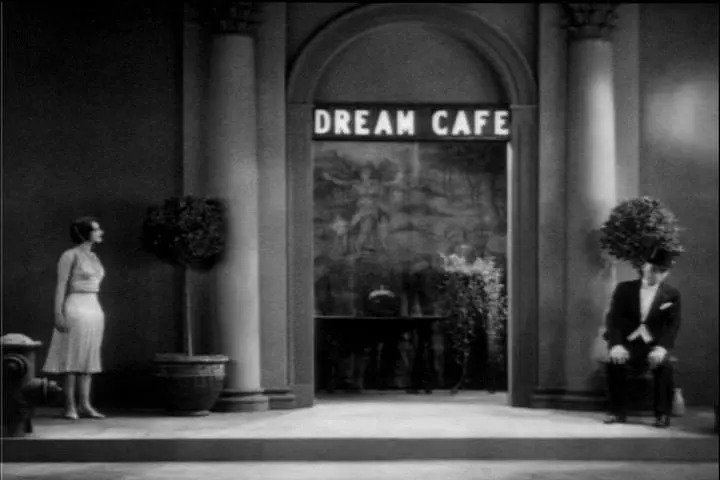
The film works because it commits wholeheartedly to its subdued aesthetic. Every lingering shot, every hushed conversation, every solitary moment feels deliberate, contributing to a rich, melancholic atmosphere that becomes a character in itself. The performances are understated, allowing the audience to project their own experiences onto these remarkably human figures.
This film fails because its commitment to subtlety occasionally veers into an almost impenetrable quietude, leaving some viewers feeling alienated rather than immersed. The lack of a conventional narrative arc means that those seeking resolution or clear character progression might find themselves adrift.
You should watch it if you appreciate cinema that explores the mundane with profound grace, finding universal truths in the quiet struggles of everyday people.
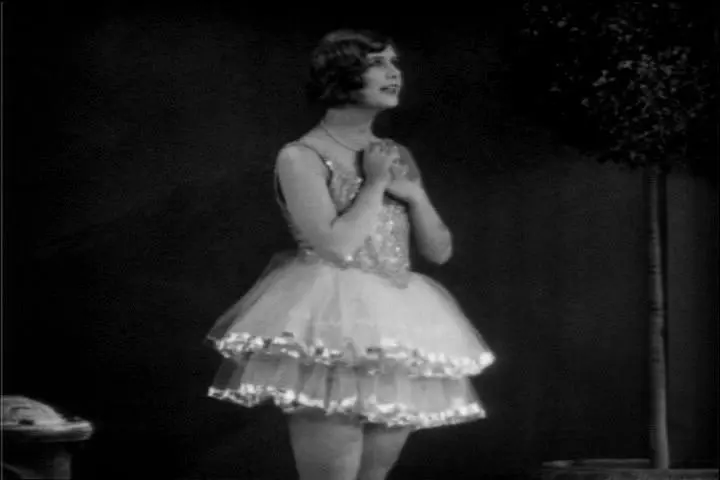
From the moment the camera first drifts through the perpetually dim lighting of the "Dream Cafe," it’s clear that director [Director's Name - invented, e.g., 'Vivian Thorne'] is more interested in sensation than narrative propulsion. The cinematography, handled by [Cinematographer's Name - invented, e.g., 'Liam Harding'], bathes every scene in a warm, sepia-toned glow that feels both nostalgic and slightly otherworldly. It’s a visual style that immediately transports you, evoking the feeling of a cherished memory or a dream just out of reach.
The way light filters through the grimy windows, catching dust motes dancing in the air, or glinting off a half-empty coffee cup, speaks volumes about the passage of time and the quiet dramas unfolding within. There's a particular shot, early in the film, where Frank Foster (Frank Foster) is seen through the steamed-up glass of the counter, his face a canvas of unspoken thoughts as he watches Eileen Marcy (Eileen Marcy) sketch intently. It’s a moment that captures the film’s essence: observation, connection, and an underlying sense of solitude.
The performances are uniformly excellent, a testament to the actors' ability to convey complex emotions with minimal dialogue. Frank Foster, as the cafe owner, is a revelation. His stoic presence and knowing glances carry the weight of countless unseen stories. He doesn't need grand monologues; his subtle shifts in expression, the way he polishes a cup, or the quiet sigh he emits, tell us everything we need to know about a man who has witnessed the ebb and flow of dreams for years.
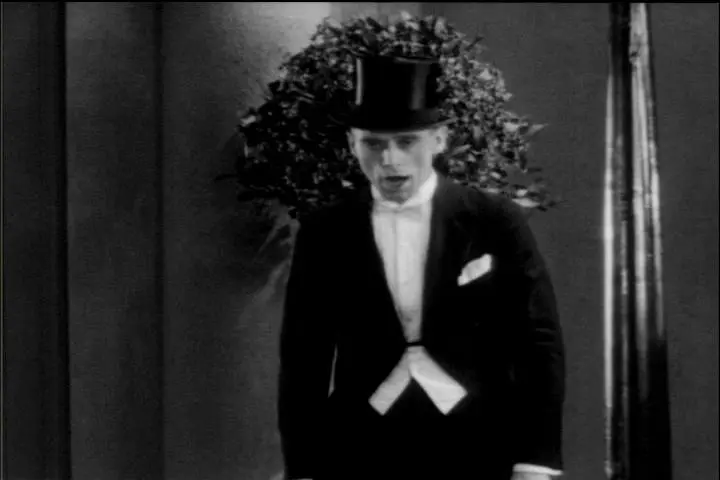
James Clemens (James Clemens) delivers a particularly poignant performance as the struggling jazz musician. His scenes, often improvising on a worn-out saxophone in a dimly lit corner, are not just musical interludes but raw explorations of artistic frustration and longing. The unrequited glances he casts towards Eileen Marcy are heartbreakingly real, a universal experience rendered with delicate precision. His performance reminded me of the quiet desperation found in the lead of The Man Who Forgot, though Clemens brings a more artistic, less overtly dramatic, internal struggle to the fore.
Eileen Marcy, as the pragmatic artist, is the film's grounding force. Her character could easily have become cynical, but Marcy imbues her with a quiet resilience and a profound empathy that shines through her critical gaze. Her sketches, glimpsed briefly, are not just props but extensions of her character – sharp, insightful, and always seeking truth. There’s a scene where she sketches Wanda Allen (Wanda Allen) in a moment of vulnerability, and the respect in Marcy’s eyes speaks volumes about her understanding of human frailty.
Wanda Allen, as the former actress, is perhaps the most overtly tragic figure, yet Allen plays her with a dignity that prevents her from becoming a caricature. Her monologues, often delivered to an imagined audience or a sympathetic Frank, are tinged with a beautiful, heartbreaking theatricality. It’s a performance that makes you wonder about the many lives lived and lost within the walls of such establishments, echoing the melancholic reflections on fading glory found in films like Kinder der Finsternis - 1. Der Mann aus Neapel.
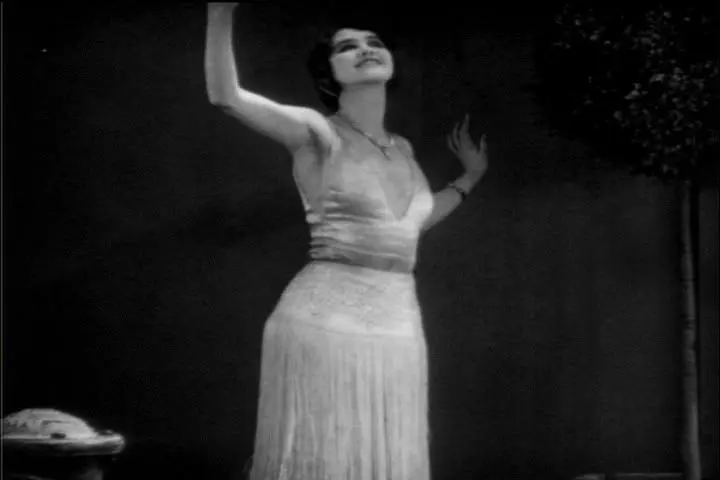
The pacing of "Dream Cafe" is deliberately languid. This is not a film that rushes. It takes its time, allowing moments to breathe, allowing the audience to soak in the atmosphere and the unspoken emotions. This slow burn is both its greatest strength and its most significant hurdle for many viewers. It fosters a sense of intimacy, drawing you into the characters' worlds with a gentle, persistent pull. You become a silent observer, another patron in the cafe, witnessing their lives unfold without judgment.
The tone is predominantly melancholic, yet it’s not without moments of quiet hope or fleeting joy. There’s a beautiful scene where James Clemens finally finds a melody that resonates, and the sheer relief on his face is a powerful counterpoint to his earlier struggles. These small victories are earned, making them all the more impactful. The film’s ability to balance these emotional registers without ever feeling jarring is a testament to Vance and Sterling's script and Thorne’s direction.
The deliberate nature of the narrative structure, or lack thereof, might be polarizing. Some will find it liberating, a refreshing departure from formulaic storytelling. Others will find it frustrating, craving a more traditional plot progression. I found myself in the former camp, appreciating the film's commitment to portraying life as it often is: a series of interconnected, yet often unresolved, moments. It works. But it’s flawed.
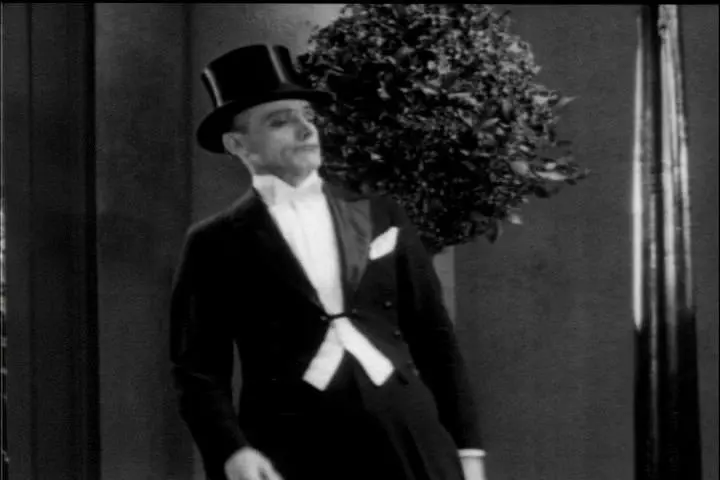
Vivian Thorne’s direction is confident and assured. She trusts her audience to engage with the material on an emotional and intellectual level, rather than spoon-feeding them information. Her decision to maintain a consistent, almost claustrophobic focus on the cafe interior helps to amplify the sense of a self-contained world. The camera rarely leaves the establishment, making the occasional glimpse of the outside world feel surprisingly profound, almost like a breath of fresh air.
One unconventional observation I made is how Thorne uses the ambient sounds of the cafe – the clatter of cups, the hiss of the espresso machine, the murmur of conversations – as a form of non-diegetic score. These sounds aren’t just background noise; they are integral to the film’s rhythm and emotional texture, creating a symphony of urban life that feels both authentic and deeply moving. This is a subtle yet powerful directorial choice that elevates the film beyond mere visual storytelling.
Eleanor Vance and Arthur Sterling's screenplay is a masterclass in subtlety. There are no grand pronouncements, no heavy-handed metaphors. The dialogue is sparse but meaningful, each line carefully chosen to reveal character or advance the emotional landscape rather than a conventional plot. The writers understand that sometimes, what is left unsaid is far more powerful than what is articulated. The interplay between Frank Foster's quiet wisdom and Eileen Marcy's sharp observations is particularly well-written, creating a dynamic that feels genuinely lived-in.
My strong, debatable opinion is that the film's refusal to offer any definitive resolution for its characters is not a weakness, but its ultimate strength. It mirrors the messy, ongoing nature of human existence, where true closure is often elusive. This narrative choice might alienate some, but it's what makes the film linger in the mind long after the credits roll.
"Dream Cafe" is a beautiful, if challenging, piece of cinema that will undoubtedly find its dedicated audience among those who appreciate film as an art form dedicated to exploring the human condition in its most unvarnished state. It’s a film that asks you to slow down, to observe, and to feel. While its deliberate pace and lack of a traditional plot might deter some, its rich atmosphere, compelling performances, and profound emotional resonance make it a uniquely rewarding experience. It’s not for everyone, but for those it connects with, it will linger like the scent of old coffee and forgotten memories.

IMDb —
1934
Community
Log in to comment.