DbcultAccessing Vault...
5.6/10
Senior Film Conservator
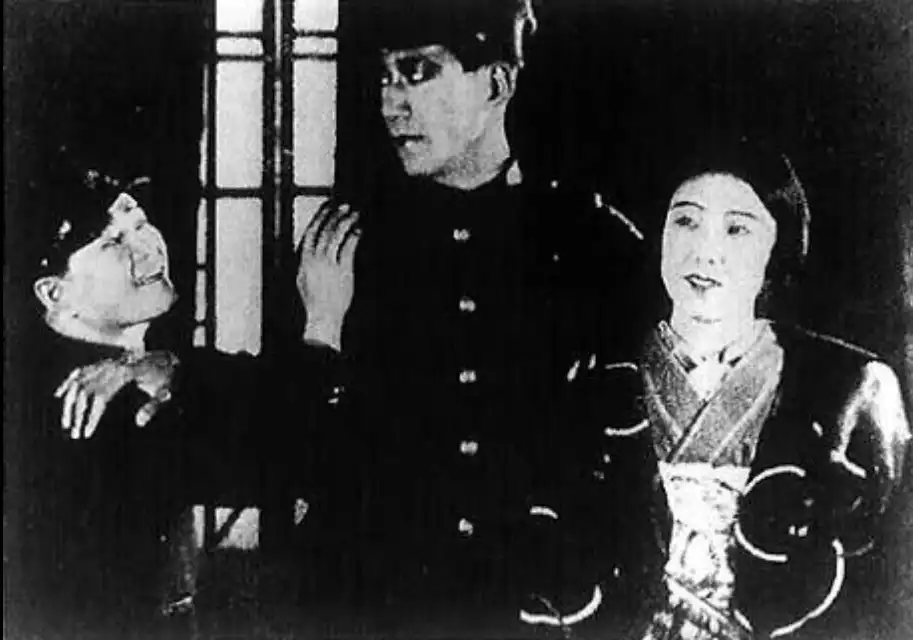
A definitive 5.6/10 rating for a film that redefined the boundaries of cult cinema. Dreams of Youth remains a cornerstone of transgressive art.
If you come to Dreams of Youth expecting the meditative stillness and architectural framing of Yasujirō Ozu’s later masterpieces, you are going to be disappointed. This is Ozu in his 'Nansensu' (nonsense) phase—a director clearly more interested in the comedic potential of a poorly fitting jacket than the existential weight of the family unit. Is it worth watching today? For Ozu completionists, absolutely. For everyone else, it’s a breezy, surprisingly modern look at the universal experience of being a broke student, though the slapstick occasionally outstays its welcome.
The film centers on a very specific kind of anxiety: the persistent creditor. The tailor in this film isn't a villain; he’s a bureaucratic nightmare. There is a fantastic, agonizingly long sequence where the tailor simply sits in the students' room and refuses to leave. He doesn't yell; he just exists. The way the camera captures him in the corner of the frame while Kato and Okada try to carry on with their morning routine is genuinely funny. It captures that specific brand of youthful avoidance where you think if you don't look at a problem, it might disappear.
The performances by Kenji Ōyama and Tokio Seki are physically expressive in a way that feels indebted to American silent comedies. Kato’s frantic energy contrasts well with Okada’s more grounded, slightly more responsible demeanor. However, the standout might be the tailor himself, whose stoic commitment to collecting his money provides a solid anchor for the more manic energy of the students.
One of the most effective moments in the film happens on a bus. Kato is out with his girlfriend, Yuriko, trying to maintain the facade of a successful, carefree young man. When they bump into the tailor, the tonal shift is immediate. The editing rhythm picks up, cutting between the tailor’s stern accusations and Yuriko’s growing realization that her boyfriend is a fraud. You can see Ozu experimenting with spatial relationships here—the cramped interior of the bus heightens the social embarrassment. It’s a scene that feels much more 'lived-in' than the typical stage-bound comedies of the era.
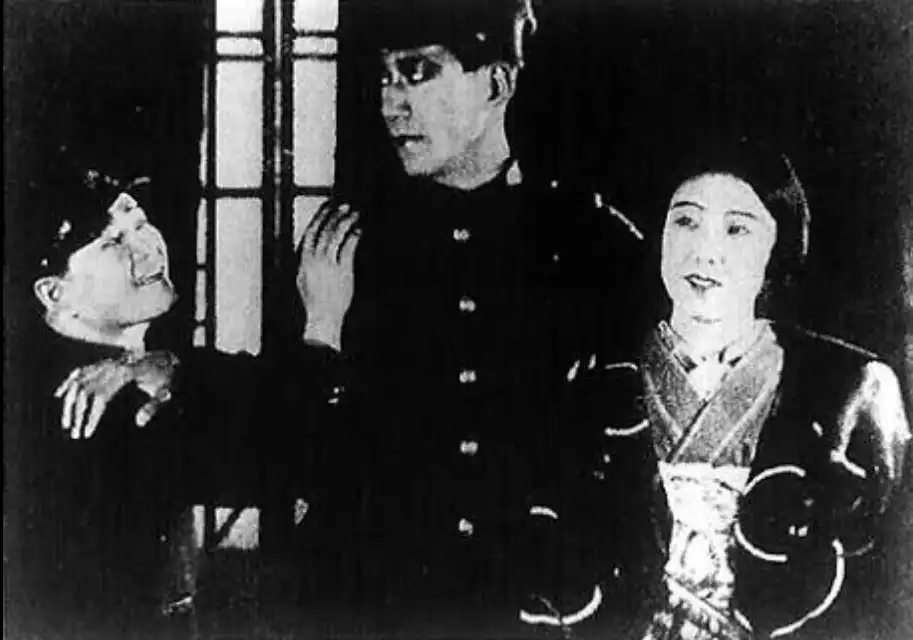
The lighting in the lodging house scenes is also worth noting. It’s flat and functional, which actually works in the film's favor. It highlights the clutter of the students' lives—the stacks of books, the stray tea sets, and the eventually empty wardrobe. It feels like a real apartment, not a movie set.
The climax involves a classic farce trope: the ill-fitting suit. When Okada is forced to wear Kato’s clothes to meet his father, the physical comedy is handled with surprising restraint. Instead of broad, clownish movements, Ozu focuses on the small discomforts—the way Okada keeps pulling at his sleeves, or the awkward way he sits to hide the fact that his trousers are several inches too short. It’s a gag that works because it’s grounded in a very real social fear of looking ridiculous in front of one's parents.
However, the film does drag in its middle act. The misunderstandings between the two couples—Miyoko and Yuriko eventually crossing paths with the boys—feel a bit recycled. There are only so many times you can watch a character walk into a room and walk right back out again before the joke wears thin. Compared to other student-life films of the period, such as Addio giovinezza!, Dreams of Youth feels slightly more cynical, which I personally preferred, but it lacks the tight pacing of Ozu’s later comedic efforts like I Was Born, But...
Dreams of Youth is a fascinating artifact. It shows a legendary director before he found his 'voice,' yet you can still see his interest in the mundane details of daily life. It’s a film for people who enjoy the history of comedy and those who want to see the roots of Japanese cinema’s most famous formalist. It’s not a deep film, and it doesn't pretend to be. It’s a story about being young, being broke, and the absurd lengths people will go to in order to save face. If you can handle the occasionally repetitive nature of the plot, it’s a rewarding watch that captures a very specific moment in Tokyo’s history.

IMDb 6.7
1935
Community
Log in to comment.