DbcultAccessing Vault...
Cult Review
Senior Film Conservator
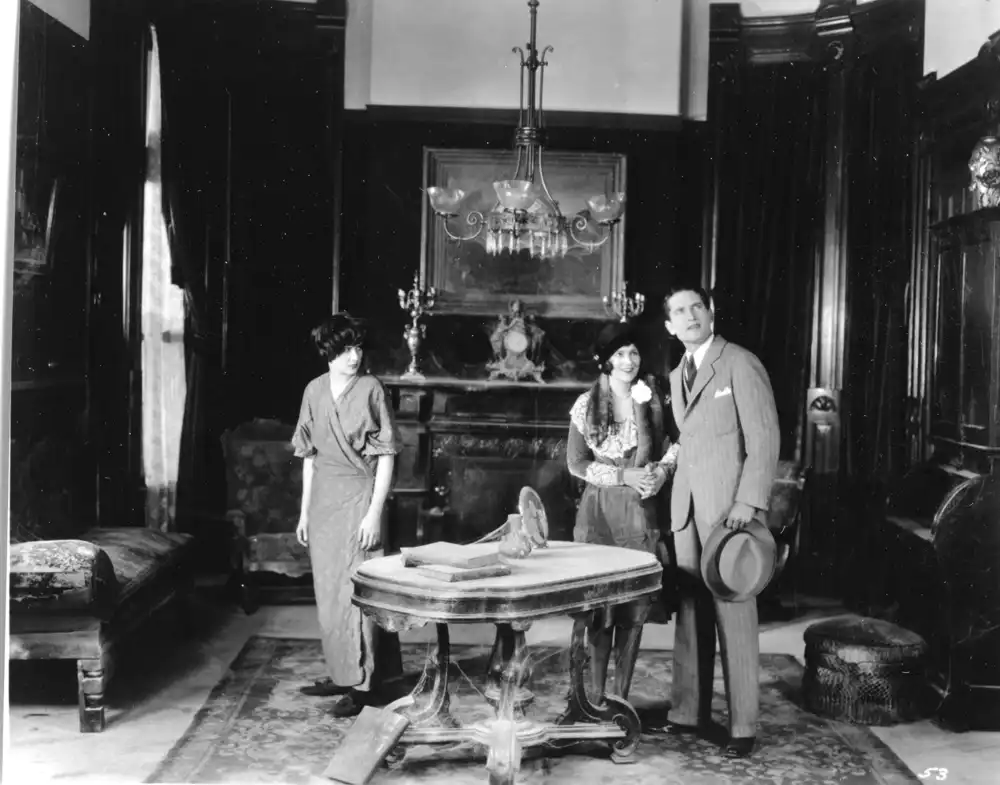
Okay, so Dreary House. If you’re someone who genuinely enjoys digging into the early days of cinema, especially the more gothic-tinged melodramas, then yeah, give this a watch. It’s got some wonderfully bizarre moments. But if you're coming to it expecting anything like modern pacing or even a consistently engaging narrative, you'll probably be checking your watch within the first twenty minutes. This one's for the patient, the curious, the folks who don't mind a little creak in their silent film.
The film starts with Mary Wheeler on her wedding day, which feels like a strange place to begin a story titled Dreary House. But almost immediately, she's handed the deed to this old, imposing estate, and the tone shifts. It’s a bit of a tonal whiplash, honestly. One minute, beaming smiles and confetti, the next, a looming, dusty mansion.
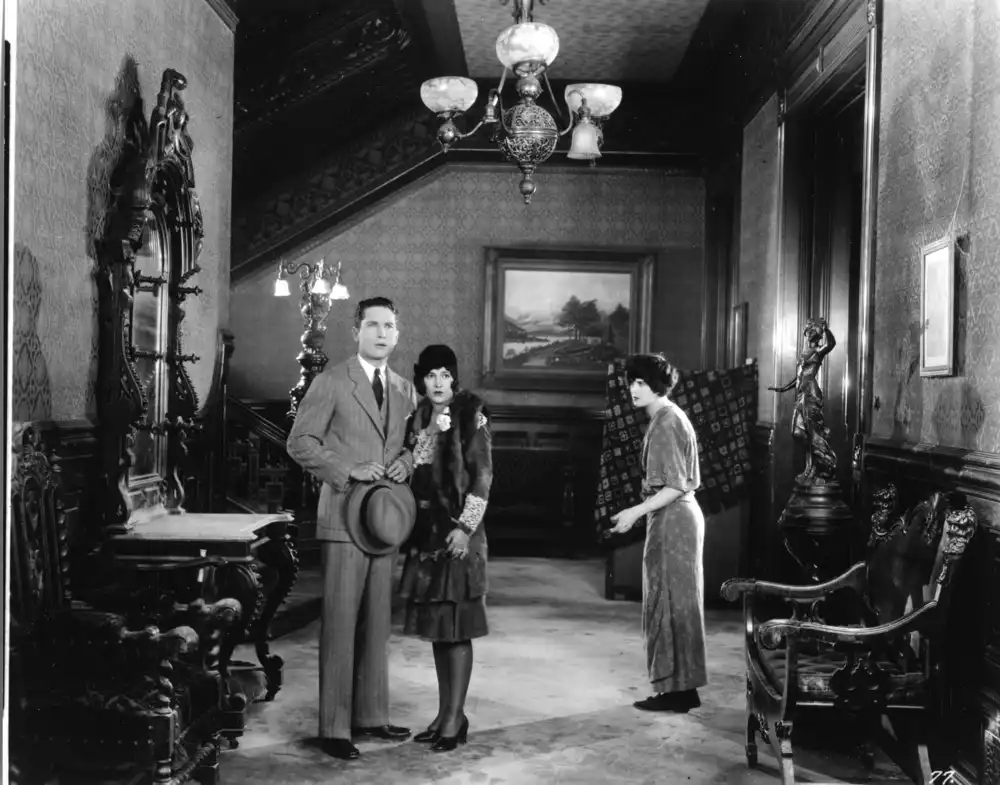
And then there’s Nancy Crowl, the housekeeper, played by Margaret Livingston. She is the absolute standout here. From her very first appearance, she just emanates this cold, watchful intensity. There’s a scene where Mary is just trying to settle in, maybe read a letter or something, and Nancy is in the background, subtly dusting, but her eyes are absolutely locked on Mary. It’s not even an overt threat, just this constant, unsettling surveillance. It makes you feel Mary’s discomfort right along with her, even through the decades separating us from the screen.
The house itself isn’t exactly 'dreary' in the way you might expect from the title. It’s more 'imposingly grand and slightly neglected.' There are these great wide shots of the exterior, almost like it’s a character looming over everything, a silent, disapproving observer. Inside, the sets feel a little sparse, but the shadows are used effectively to create depth and a sense of unease. It’s not exactly the lavish production of a big studio, but they make good use of what they have.
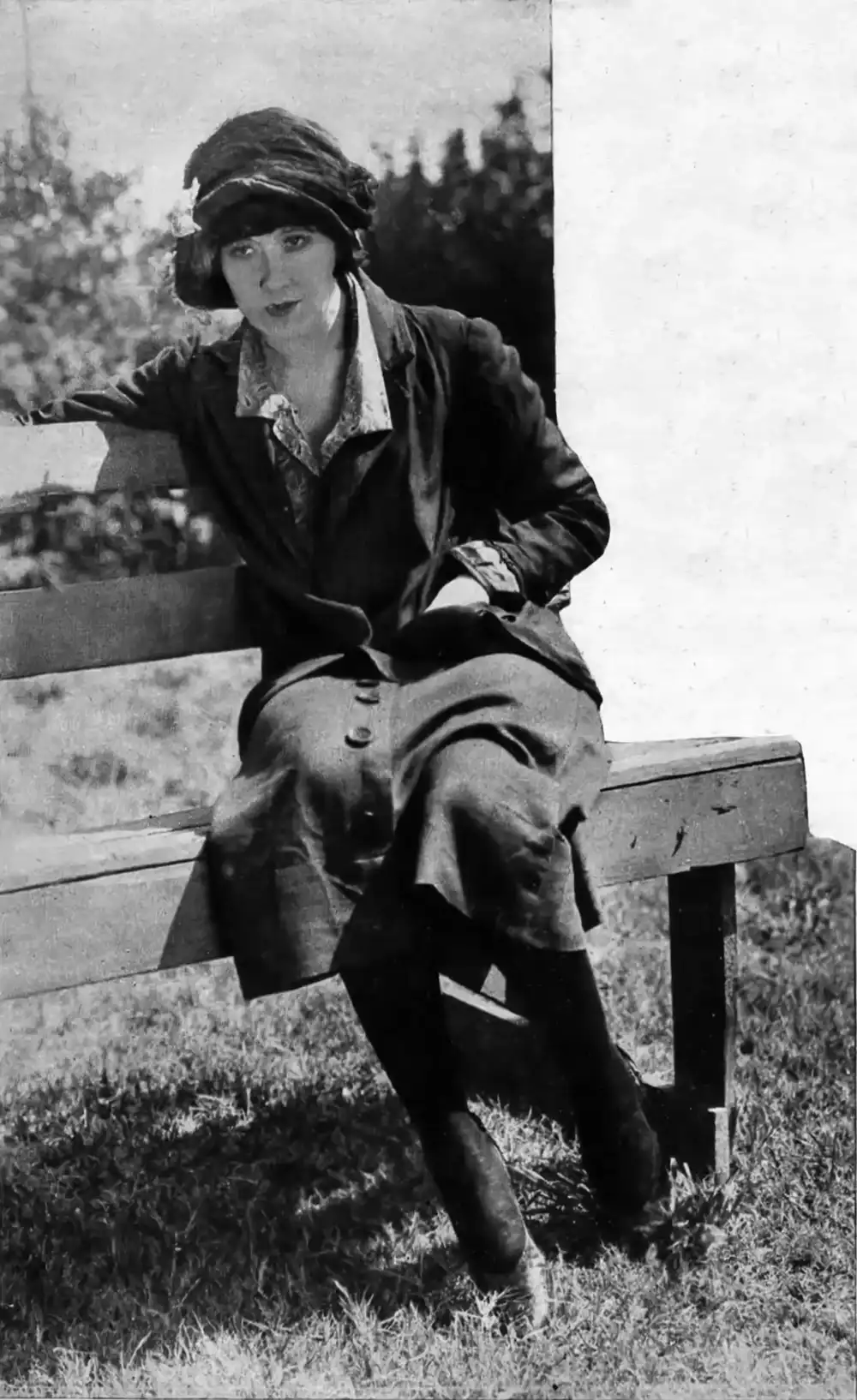
Pacing is definitely a thing to contend with. The first act really drags its feet establishing Mary's new life. There are a few too many shots of her just… walking around, looking thoughtful, or staring out a window. You feel the movie trying to build atmosphere, but it often just feels static. It’s a slow burn that sometimes just feels like a slow. Period. You know? It makes you appreciate how much silent filmmakers had to convey without words, but also how easy it was for them to lose momentum.
Things pick up, somewhat, when Marc Reed, an old suitor, arrives. He’s just so incredibly insistent. He practically barges in, refuses to leave. There’s a moment where Mary tries to get him to go, and he just sits down, crosses his arms, and shakes his head, very deliberately. It goes on for what feels like an eternity in silent film time. You can almost hear the director yelling 'More stubborn! More!'. It borders on comedic, even though the scene is meant to be serious and tense. And Mary’s reactions, while understandable, are a little too broad, even for the era. It’s like she's playing to the back row of a very large theatre, which, I suppose, she was.
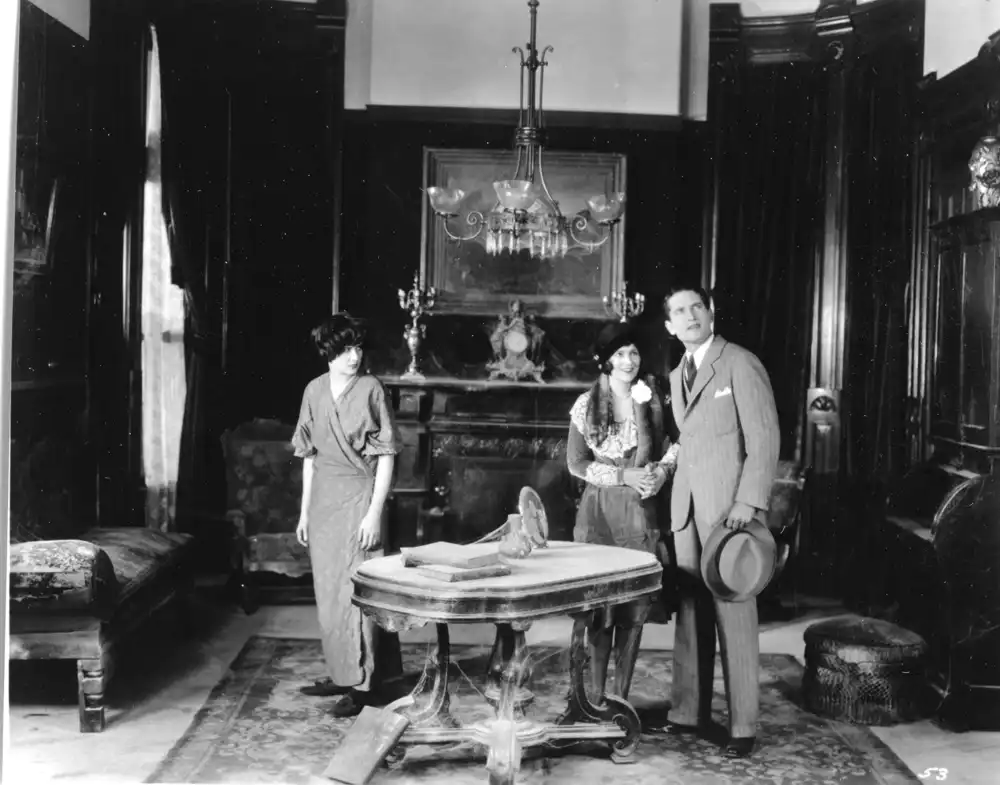
The editing during their arguments, it's a bit choppy, cutting rapidly between their faces, trying to amp up the tension. Sometimes it works, creating a frantic energy. Other times it's just a bit jarring, like someone hit the fast-forward button on the argument itself, making the emotional beats feel rushed even in a slow-paced film.
When Marc is finally murdered, it almost comes as a relief, not because I disliked the character, but because the narrative finally gets a proper jolt. The subsequent police investigation and Mary's arrest move things along at a much brisker clip. Ford Sterling, as the detective, has this very stiff, methodical way of moving that actually works well for the character. He’s not exactly charismatic, but he feels like a man determined to do his job, even if it means accusing the new bride.
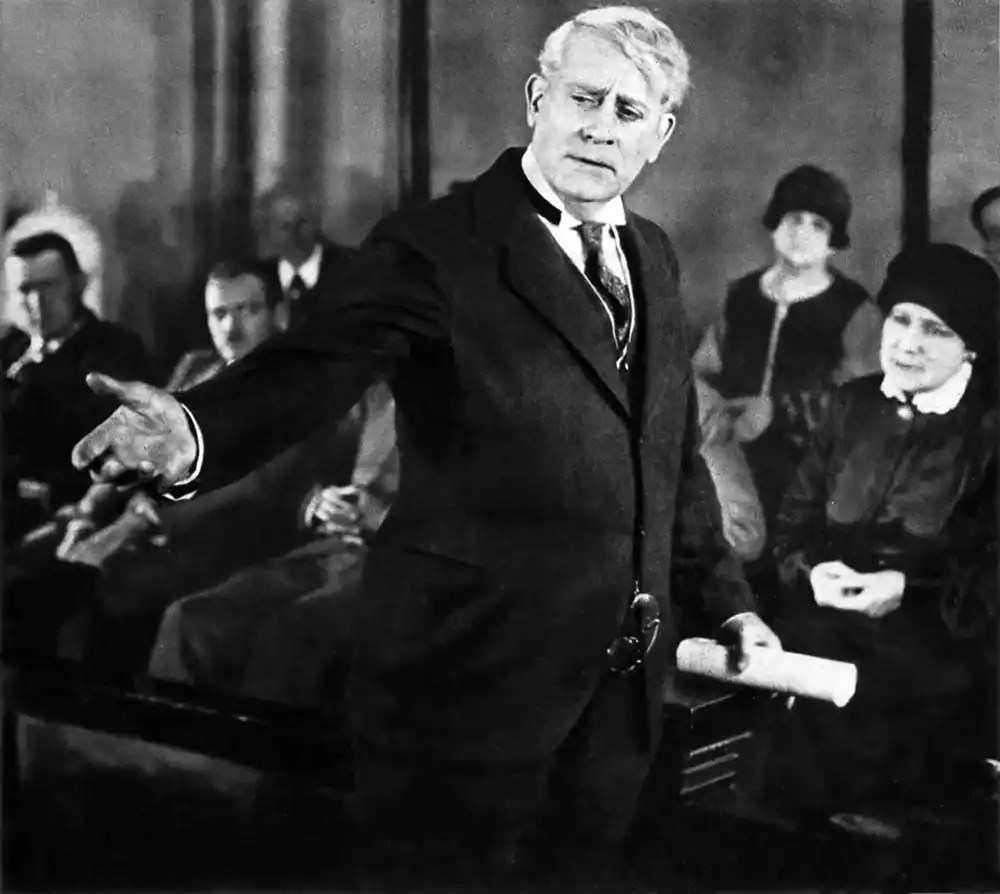
The courtroom scenes are a trip. Everyone is very dramatic, naturally. The reveal of Mary's long-lost father, Robert Wheeler, as an attorney who suddenly asks permission to address the court… that's a classic silent film move, isn't it? It feels so out of left field, but the audience in 1925 probably ate it up. The judge’s reaction shot to this sudden revelation is priceless – a slow blink, a slight raise of the eyebrow. It's very understated compared to the lawyer's grandstanding. It reminds me a bit of the unexpected twists in something like The Grip of Evil, where character relationships can just shift on a dime for dramatic effect.
And then the whole Nancy reveal... it feels a bit rushed. After all that build-up, her confession, or whatever it is, feels a little too convenient, a little too quick. You spend so much time with her as this looming, silent presence, and then her motive and the final reveal are dispatched with a kind of brisk efficiency that almost undercuts the earlier tension. It’s like the movie realized it was running out of reel.
Mary's wedding dress at the start is actually quite lovely, very intricate. But once she's in the house, her outfits become much simpler, almost as if the house itself is draining the color out of her life. Nancy's attire, though, is consistently dark, severe. It's a visual shorthand, I guess, but it works. There are a few nice deep focus shots in the house, where you see Mary in the foreground and Nancy a shadowy figure in the background, just out of focus. Those are the moments where the film really nails its 'creepy' vibe, hinting at unseen forces or just the oppressive weight of the house itself.
It's a strange little artifact, Dreary House. Not a masterpiece by any stretch, but it has these flashes of genuine tension and some truly memorable performances, especially from Livingston. It's less about the plot, which is pretty standard melodrama, and more about the feel of it, the way it uses silence and exaggerated expressions to tell its story. You finish it feeling like you've just woken up from a slightly unsettling dream, rather than having watched a tightly plotted thriller. And sometimes, that's exactly what you want from an old movie.
IMDb —
1921
Community
Log in to comment.