DbcultAccessing Vault...
Cult Review
Senior Film Conservator
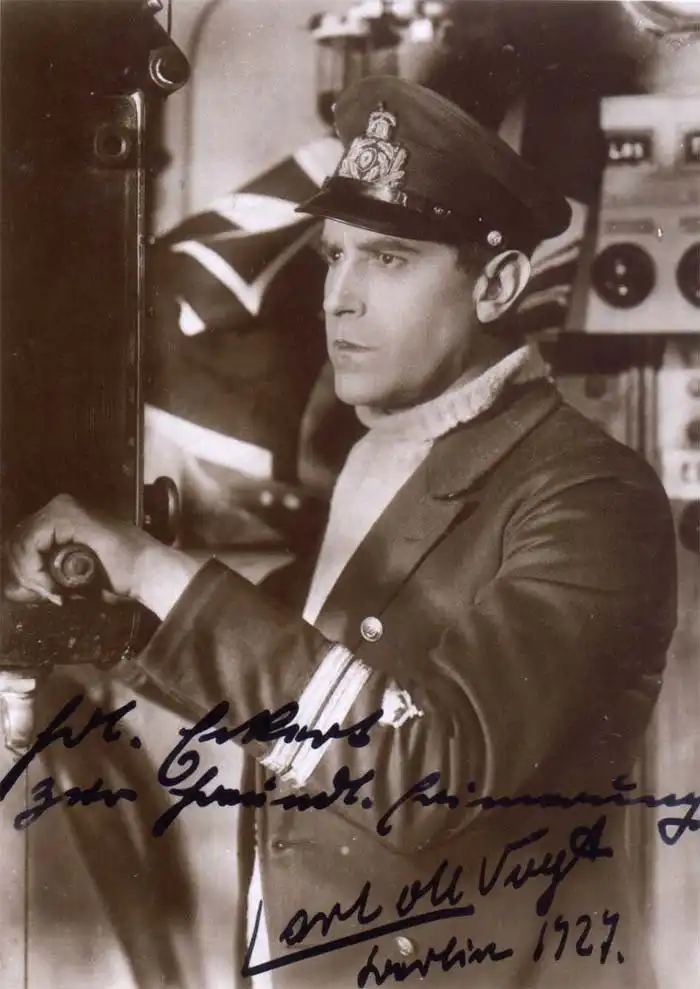
So, 'Drei Tage auf Leben und Tod,' huh? If you're someone who *lives* for digging into the archives of silent German cinema, then absolutely, you'll want to track this one down. It's a snapshot, a glimpse into storytelling before sound took over. But if you're looking for a quick, modern paced thrill ride with clear dialogue and special effects, oh boy, you're gonna have a bad time. This is for the patient, the curious, the ones who appreciate a good intertitle.
Watching this one, it's immediately clear what kind of film we're in for. It's a submarine drama, or at least, something naval and *very* intense. The whole atmosphere just screams peril from the get-go. You can practically smell the stale air and seawater, even without sound.
The acting is pure silent film gold. Every emotion is painted large across the screen. Carl Walther Meyer, probably the captain, carries so much weight on his shoulders you can almost feel his tension. He's got this particular way of just *staring* into the distance, you know, like he's contemplating the very meaning of existence, or maybe just how to fix a leaky valve.
There's this moment where the U.C.1 takes a hit, and the camera just *lingers* on the faces of the crew. Fritz Beckmann, I think, just clutches his chest with such exaggerated terror. It's not subtle by today's standards, but back then, that was how you got the point across. You really feel the claustrophobia in those cramped metal quarters. The whole set, even though it's clearly a set, does a decent job of making you feel trapped.
The title cards do a lot of heavy lifting here. Some are just simple explanations, but others are these really dramatic pronouncements about fate and duty. One particular card, it felt like it went on about 15 seconds too long, just letting the words hang there, waiting for you to absorb the gravity of the situation. It almost became funny, then it just shifted back to serious.
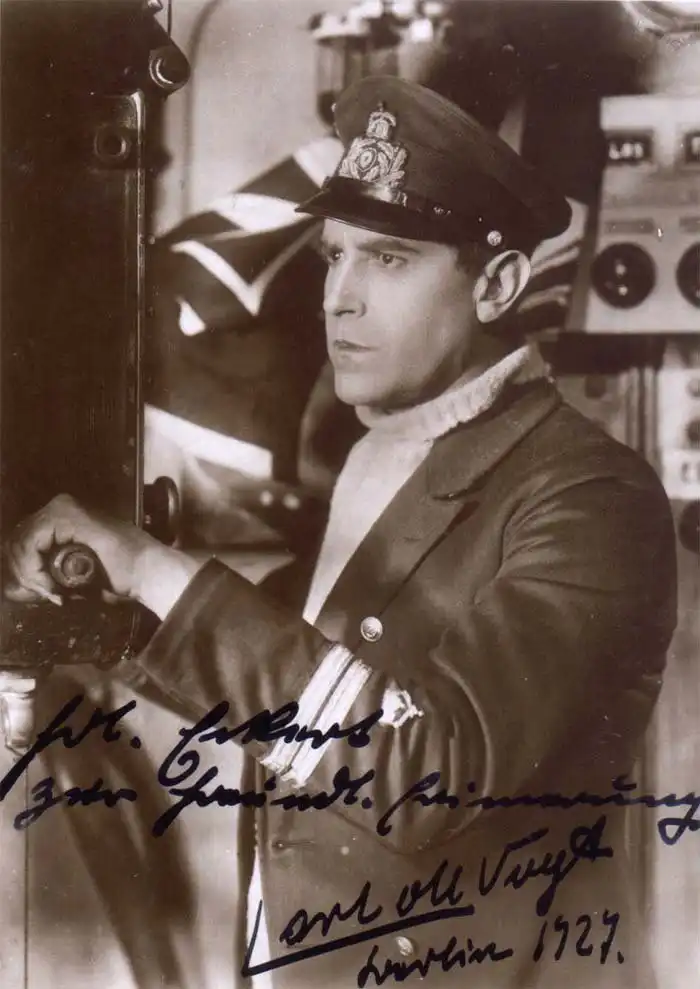
Angelo Ferrari, his character, gets this really wild-eyed look during one of the crisis points. He's maybe the engineer, wrestling with some broken machinery. The way his body language conveys panic without a single word is actually quite impressive. You almost forget there's no dialogue.
I found myself wondering what the original audience must have felt. Like, did they gasp at the same moments? Were they as invested in the fate of this U.C.1 as I was trying to be? It's a different rhythm of storytelling, for sure. The pacing feels, well, *deliberate*. It's not fast, not by a long shot. But it lets the tension build very slowly, like water filling a compartment.
There's a scene near the middle, where a character, perhaps Willy Mendau, has to make a very tough choice. He looks at a photograph, then at his fellow crewmen, then just nods, a solemn, almost painful agreement. It's a small gesture, but in the quiet, it feels really *big*. You can tell it's meant to be a pivotal point.
The ending, without giving anything away, really leans into that 'life and death' theme. It's a bit ambiguous, which I kinda liked. It doesn't spell everything out for you. Just leaves you with a feeling, you know? Not a happy feeling, necessarily, but a strong one.
Overall, 'Drei Tage auf Leben und Tod' is a fascinating watch for those interested in the craft of silent filmmaking. It's not for a casual Tuesday night viewing, but if you're ready to really *engage* with a film from a different era, it's worth the effort. It's a testament to how much story you can tell with just visuals, expressions, and a few well-placed intertitles.
Community
Log in to comment.