DbcultAccessing Vault...
6.8/10
Senior Film Conservator
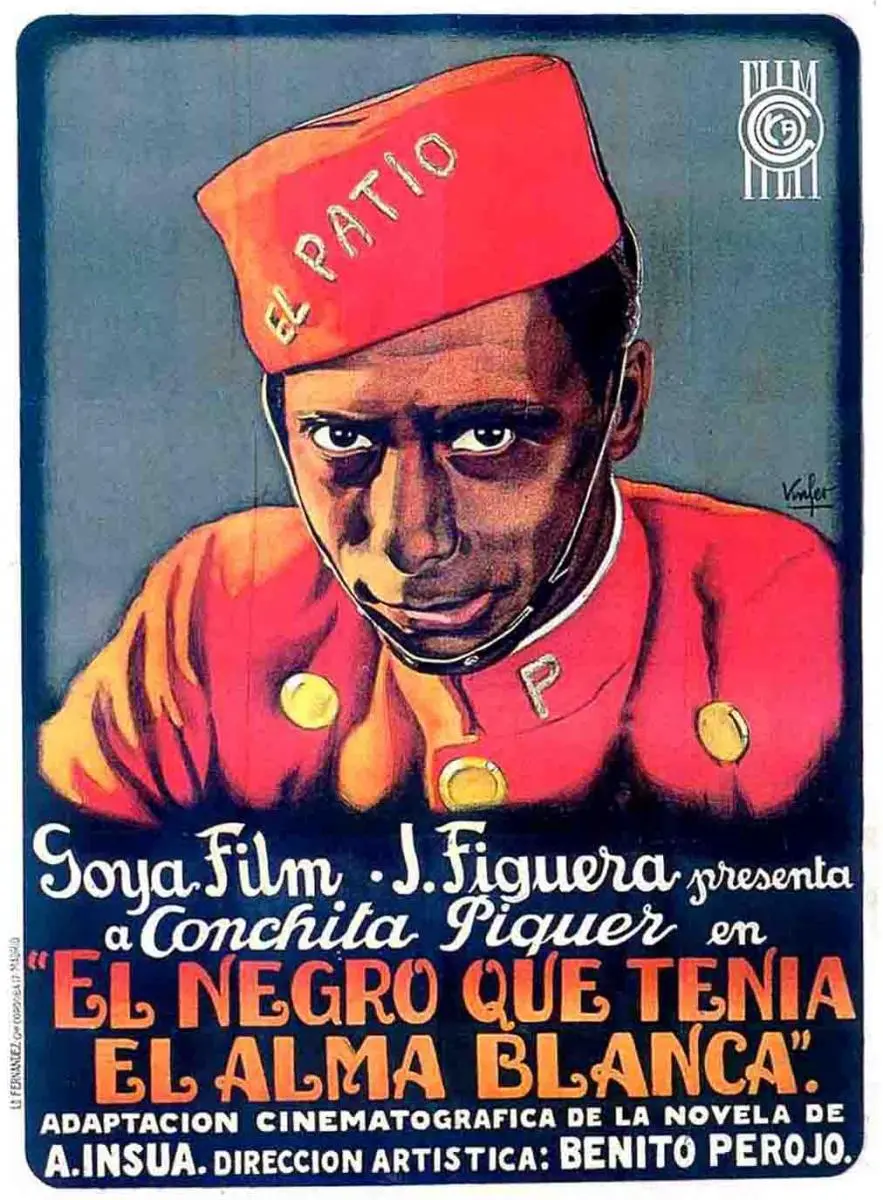
A definitive 6.8/10 rating for a film that redefined the boundaries of cult cinema. El negro que tenía el alma blanca remains a cornerstone of transgressive art.
Is this film worth watching today? Short answer: Yes, but only if you are prepared to confront the uncomfortable racial paradigms of the early 20th century through a lens of high-art melodrama.
This film is for historians of Spanish cinema and those fascinated by the intersection of performance and identity; it is absolutely not for viewers seeking a modern, politically correct narrative on racial equality.
1) This film works because it utilizes the expressive power of silent-era lighting and Concha Piquer’s magnetic screen presence to elevate a stage-bound story into something deeply atmospheric.
2) This film fails because its central conceit—the idea that a Black man can possess a 'white soul'—is a fundamentally patronizing metaphor that undermines the tragedy it seeks to portray.
3) You should watch it if you want to see the birth of the Spanish musical film tradition and understand how early cinema grappled with the concept of the 'Other' in a European context.
Benito Perojo was not merely a director; he was an architect of the Spanish cinematic identity. In El negro que tenía el alma blanca, he attempts something far more ambitious than the standard melodramas of the time, such as The Common Law. He tries to capture the internal psychological state of a man caught between two worlds.
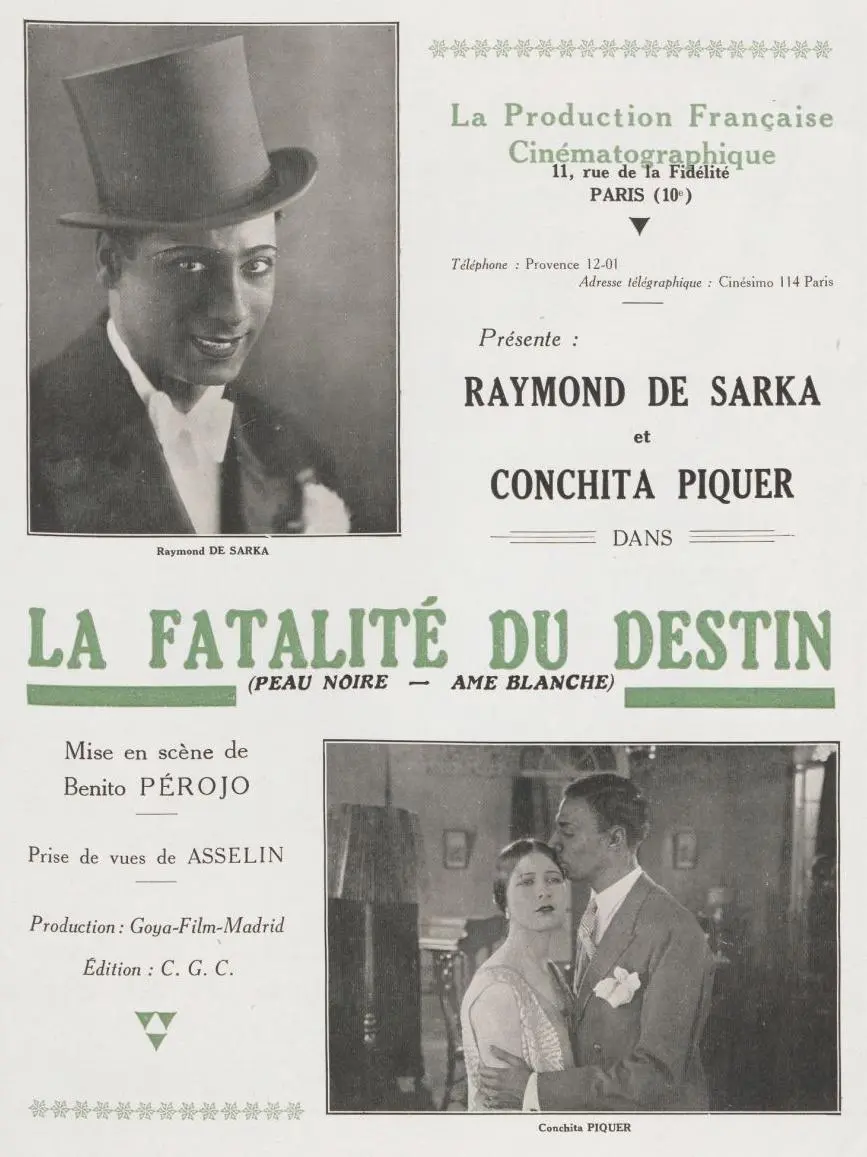
The film’s visual language is surprisingly sophisticated for 1927. Take the scene where Peter Wald first performs in Madrid. The camera doesn't just watch him; it stalks him. We see the sweat, the exertion, and the desperate need for approval in his eyes. It is a masterclass in using the close-up to convey a history of trauma without a single line of dialogue.
However, the film is perpetually at war with itself. It wants us to sympathize with Peter, yet it frames his Blackness as a hurdle to be cleared or a tragedy to be mourned. It’s a brutal duality. The film is technically brilliant. But it’s morally exhausting.
Concha Piquer, who would go on to become a legend of the copla, delivers a performance that is both captivating and deeply frustrating. As Emma, she has to navigate a character arc that moves from opportunistic ambition to physical disgust, and finally to a hollow, belated remorse.
There is a specific moment in the rehearsal hall where Peter reaches out to touch Emma’s arm. The way Piquer flinches—not with fear, but with a shudder of genuine 'misgiving'—is played with a realism that feels almost too honest. It isn't the theatrical villainy found in Social Hypocrites; it is a portrayal of ingrained, casual prejudice that is far more chilling.
Her performance anchors the film's second act. While Peter (played with a dignified, if somewhat static, intensity by Raymond de Sarka) represents the 'soul' of the title, Piquer represents the 'world'—a world that is cold, aesthetic-driven, and ultimately unforgiving.
If you are looking for a historical artifact that explains the evolution of European stardom, the answer is a resounding yes. Compared to contemporary works like The Ace of Cads, Perojo’s film feels more grounded in a specific, albeit painful, social reality.
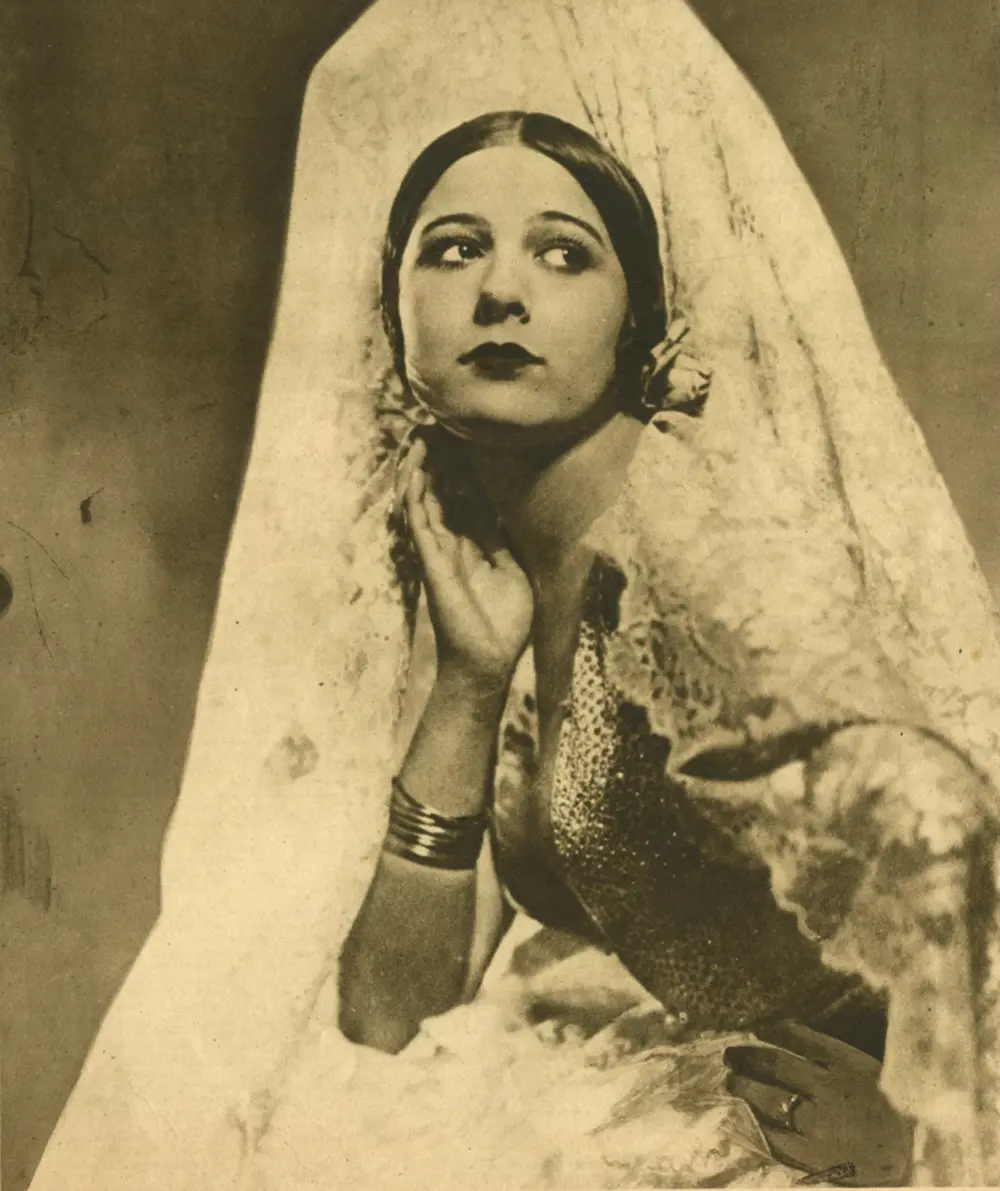
The film serves as a vital bridge between the silent era’s reliance on pantomime and the coming sound era’s obsession with the 'star' as a cultural icon. It is a film about the cost of fame and the impossibility of escaping one's past, themes that resonate even if the racial framing has aged poorly.
We must discuss the cinematography. Perojo, influenced by French Impressionism, uses shadow and light to create a sense of claustrophobia. Even in the wide-open spaces of the music hall, Peter Wald seems trapped. The lighting in the final deathbed scene is particularly striking, casting long, Expressionist shadows that mirror the darkening of Peter’s life.
The pacing is deliberate, perhaps a bit slow for modern tastes accustomed to the zip of Married Alive, but it serves the tragic tone. Every beat is designed to make the audience feel the weight of Peter’s isolation. It is a lonely film. A beautiful, lonely film.
One surprising observation: the film is remarkably modern in its depiction of the 'celebrity' machine. We see the posters, the fans, and the backstage chaos. It highlights that even in 1927, the public figure was a commodity, something to be consumed and then discarded when it no longer fit the desired mold.
Pros:
- Stunning high-contrast cinematography that rivals German Expressionism.
- A breakthrough performance by Concha Piquer.
- A rare, complex look at the life of a Black performer in early 20th-century Spain.
Cons:
- The narrative relies on a 'tragic mulatto' archetype that feels incredibly dated.
- The ending leans too heavily into melodrama, sacrificing character logic for emotional manipulation.
- Some supporting performances are overly theatrical and distracting.
El negro que tenía el alma blanca is a difficult, beautiful, and essential piece of cinema history. It is a film that demands to be watched with a critical eye. It doesn't ask for your comfort; it asks for your attention. While its racial politics are a relic of a bygone era, its exploration of unrequited love and the burden of identity remains universal. It is a ghost of a movie, haunting the halls of Spanish film history with a story that is as much about the audience's prejudices as it is about the characters on screen. It works. But it’s deeply flawed. And that is exactly why it remains a necessary watch.
IMDb —
1918
Community
Log in to comment.