DbcultAccessing Vault...
8.2/10
Senior Film Conservator
A definitive 8.2/10 rating for a film that redefined the boundaries of cult cinema. Jungle Heat remains a cornerstone of transgressive art.
Is Jungle Heat a lost masterpiece of the silent era or just another frantic relic of the 1920s? Short answer: It is a vibrant, physically demanding comedy that works as a showcase for Al St. John, even if its narrative is as thin as the air on the savanna.
This film is for enthusiasts of pure physical comedy and those who want to see the 'rubber-band man' of silent cinema at his peak. It is NOT for viewers who require a sophisticated plot or those sensitive to the stereotypical tropes common in 1920s adventure cinema.
1) This film works because: Al St. John’s acrobatic timing and the sheer absurdity of the 'shack on an elephant' sequence provide genuine, timeless laughs.
2) This film fails because: The secondary characters, particularly the antagonist Glen, are one-dimensional foils that lack the comedic depth found in contemporary works like The Big Adventure.
3) You should watch it if: You appreciate the technical precision of silent-era stunts and want to see how 1927 filmmakers handled 'exotic' locations on a budget.
Al St. John was never the poet that Chaplin was, nor the stoic architect that Keaton was. He was something more visceral. In Jungle Heat, his performance is a frantic ballet of anxiety. From the moment the flivver hits the rhino, St. John treats his body like a prop to be tossed, bent, and broken.
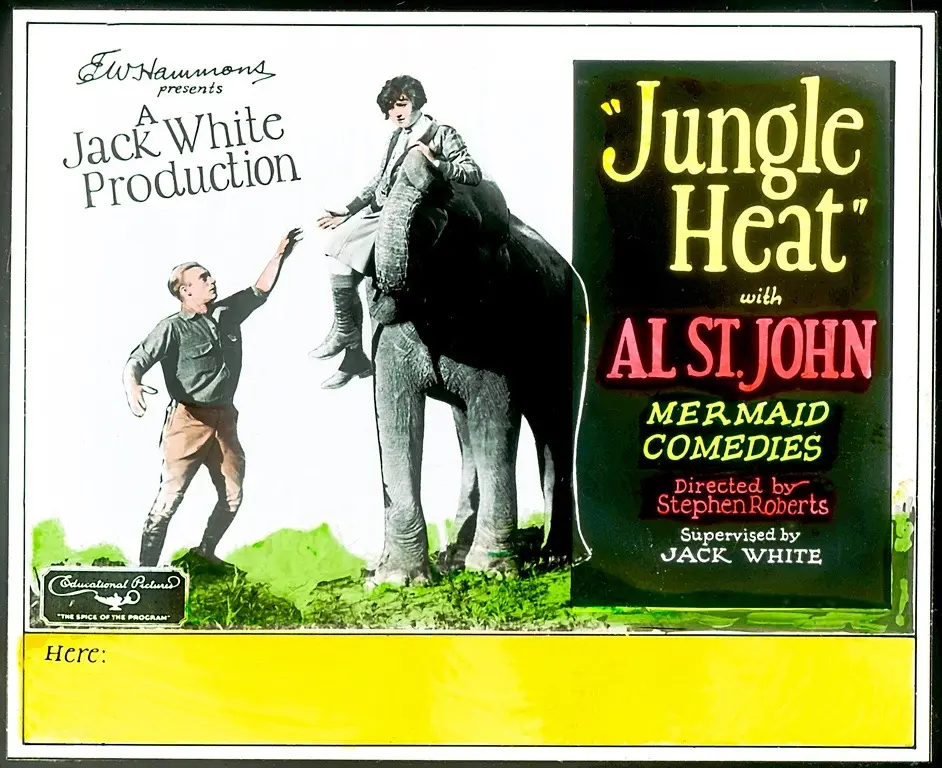
The opening sequence is a perfect example of his style. The argument over driving isn't just dialogue; it’s a physical struggle that dictates the rhythm of the car’s movement. When the rhinoceros finally 'demolishes' the car, the timing of the toss is impeccable. It’s a violent punchline that sets the tone for everything to follow.
Compare this to the more grounded approach seen in The Lost City. While that film aims for a sense of mystery, Jungle Heat is purely interested in the kinetic energy of disaster. It works. But it’s flawed.
Once the action shifts to the village hotel, the film attempts to blend slapstick with social satire. The introduction of Lucille and her professor father provides the necessary stakes, but it’s Clem Beauchamp’s 'Clem' who drives the plot forward with a lie that would make Baron Munchausen blush.
The 'bare-handed elephant hunter' lie is a classic trope, but St. John plays the 'imposter' with such palpable dread that it feels fresh. When he falls into the fountain during his first meeting with Lucille, it isn't just a wet gag. It is a moment of total social annihilation. The way he tries to maintain dignity while dripping wet is a subtle bit of acting often overlooked in favor of his bigger stunts.
This tension between the 'mighty hunter' persona and the terrified reality is where the film finds its heart. It’s a relatable anxiety, even if the setting is fantastical. We have all been the person who let a friend’s exaggeration go too far. St. John just happens to have to face an elephant because of it.
Technically, Jungle Heat is surprisingly ambitious for a short. The use of real animals (or very convincing doubles) adds a layer of danger that modern CGI simply cannot replicate. The cinematography during the expedition scenes captures the vastness of the setting, making Al’s smallness even more apparent.
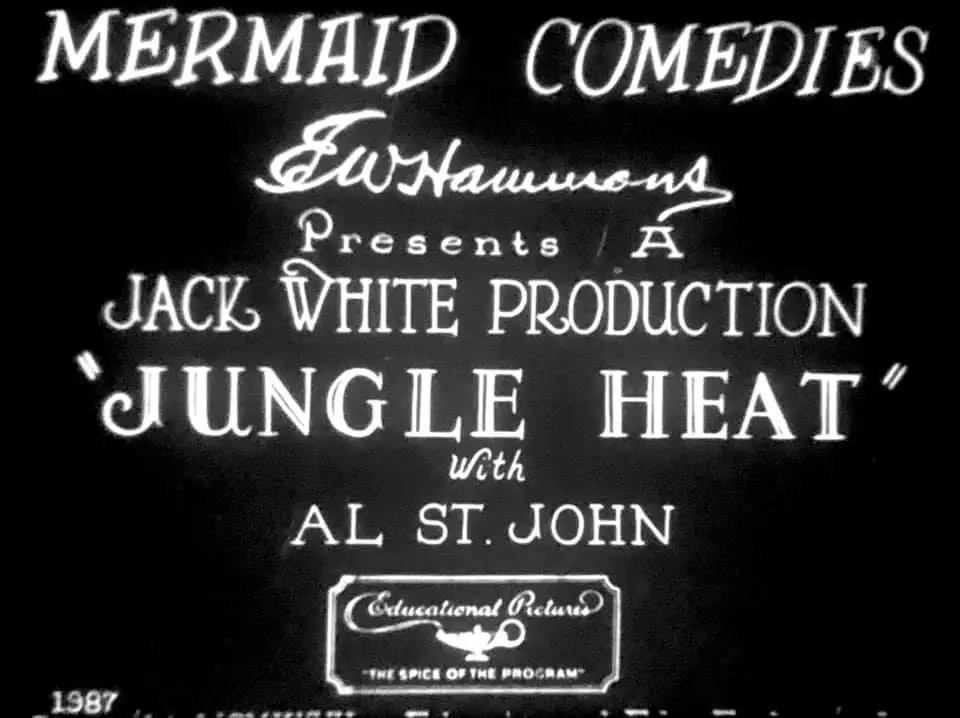
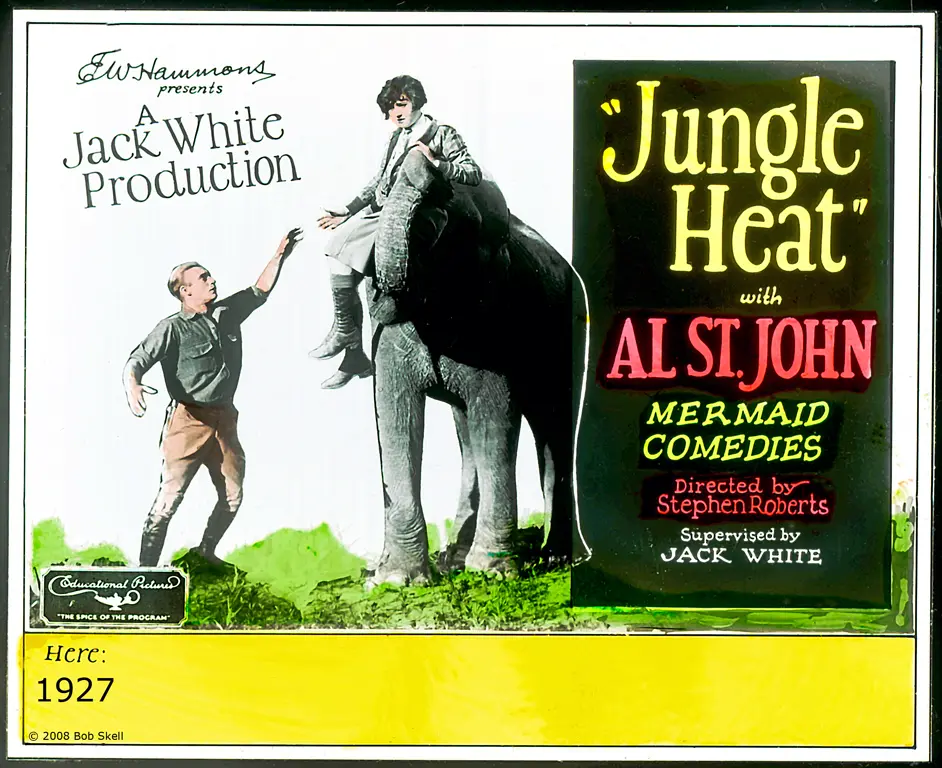
The standout moment—the sequence in the shack—is a surrealist masterpiece. Finding a refuge only to realize it is a howdah on an elephant's back is a brilliant subversion of the 'safe space' trope. The camera stays tight on St. John and Beauchamp, capturing their dawning realization with hilarious clarity. It’s a claustrophobic gag that pays off in a wide-angle reveal.
This level of visual storytelling is reminiscent of the pacing in Chickens, where the environment itself becomes an antagonist. The way the shack moves—swaying with the elephant’s gait—adds a layer of physical comedy that requires immense coordination between the actors and the animal handlers.
Does Jungle Heat still hold up in the modern era? Yes, but primarily as a historical document of physical performance. While the plot is predictable, the execution of the stunts remains impressive. It is a quick, 20-minute burst of energy that reminds us why silent comedy was a universal language.
If you are looking for deep character development, you won't find it here. You will find it in films like Nathan der Weise. But if you want to see a man outrun a baby elephant after being terrified by the prospect of a herd, Jungle Heat delivers exactly what it promises.
Here is something most critics miss: the rhinoceros is the most honest character in the film. While every human character is lying—Clem about Al’s prowess, Al about his courage, Glen about his sportsmanship—the rhino simply exists to destroy. It is the only element of the film that is entirely true to its nature, acting as a chaotic neutral force that sets the entire plot in motion.
Furthermore, the ending with the baby elephant is a sharp bit of subversion. It mocks the audience’s expectation of a grand, dangerous finale. It suggests that our fears are often much larger than the reality pursuing us. For a 1927 comedy, that’s a surprisingly psychological punchline.
Jungle Heat is a frantic, minor gem that shines because of its lead performer. Al St. John’s ability to turn a simple walk into a series of near-misses and acrobatic recoveries is a joy to behold. While it lacks the emotional weight of a Chaplin feature or the structural perfection of a Keaton short, it possesses a raw, unpretentious energy that is infectious.
It is a film that understands its limitations. It doesn't try to be a grand epic like The Princess of India. Instead, it focuses on the immediate, visceral comedy of a man who is way out of his depth. The final image of the duo being chased by a single baby elephant is the perfect summation of the film: a big, loud panic over something ultimately small and ridiculous. It’s worth twenty minutes of your time for the 'shack' sequence alone.
IMDb 4.8
1915
Community
Log in to comment.