DbcultAccessing Vault...
7.5/10
Senior Film Conservator
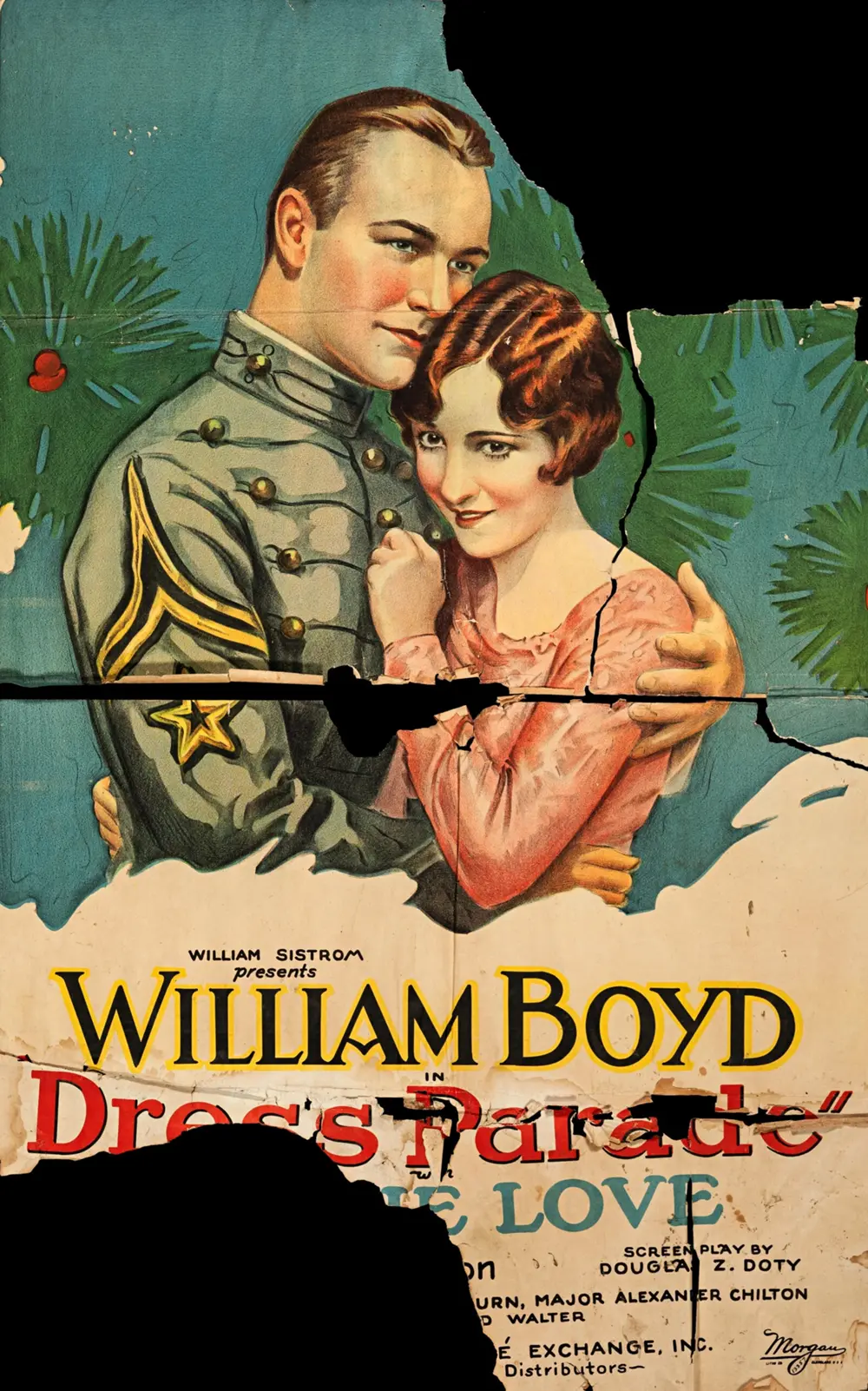
A definitive 7.5/10 rating for a film that redefined the boundaries of cult cinema. Dress Parade remains a cornerstone of transgressive art.
Is Dress Parade worth watching today? Short answer: yes, but with significant caveats. This 1927 silent film offers a fascinating glimpse into a bygone era of storytelling and filmmaking, making it a compelling watch for cinephiles and historians, yet it may prove a challenging experience for casual viewers accustomed to modern pacing and narrative conventions.
It’s a film for those who appreciate the artistry of the silent era, who can engage with visual storytelling and exaggerated expressions, and who are curious about the cultural touchstones of the late 1920s. Conversely, it is decidedly not for audiences seeking rapid-fire dialogue, complex psychological depth, or the kind of high-octane action found in contemporary cinema. Its appeal is niche, but profound for the right viewer.
This film works because it captures a very specific mood and ideal: the honor and discipline of West Point, intertwined with a classic romantic rivalry. The performances, particularly from its lead, manage to convey genuine emotion despite the constraints of silent acting, pulling the audience into the protagonist’s journey of ambition and affection.
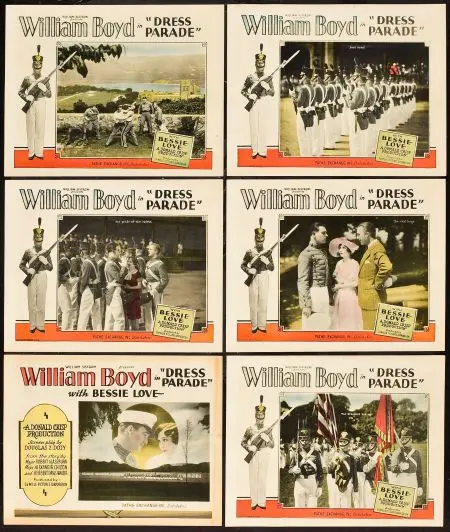
This film fails because its pacing can feel glacial by today's standards, and some of the narrative beats are overly simplistic, relying on tropes that have since become clichés. The dramatic tension, while present, often feels manufactured rather than organically developed, hindering a truly immersive experience.
You should watch it if you have an interest in early American cinema, military history, or the evolution of the romantic drama. It offers a valuable historical document, showcasing the era's ideals of heroism and romance through a distinctly visual medium.
Dress Parade, directed by Harry Beaumont, transports its audience to the hallowed, often romanticized, grounds of the United States Military Academy at West Point. The institution itself acts as a formidable character, its rigid discipline and aspirational ethos shaping every turn of the narrative. This isn't just a backdrop; it's the crucible in which our protagonist, an amateur boxing champion named Ted (Hugh Allan), must forge himself anew. The film leverages the inherent visual grandeur of West Point, from its iconic architecture to the meticulously choreographed dress parades, to establish a tone of earnest patriotism and disciplined ambition.
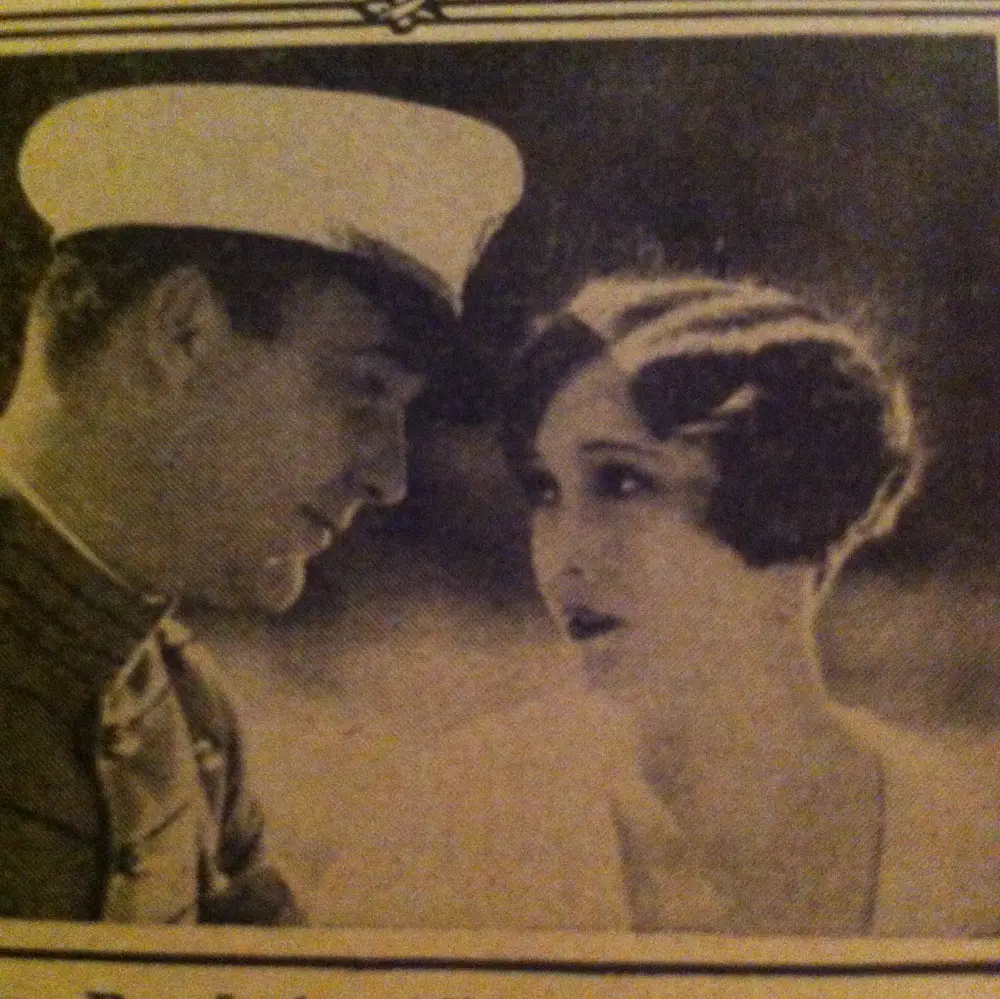
The story begins with Ted, a man of raw talent and unassuming charm, encountering the spectacle of a military procession. It’s a moment of pure spectacle, designed to awe both the character and the audience. This initial encounter, however, is merely a prelude to his true inspiration: the commandant's daughter, Patricia (Bessie Love). Her presence, framed against the backdrop of military pageantry, ignites within Ted not just infatuation, but a profound desire for self-improvement and belonging. It’s a classic narrative device, but rendered with a sincerity characteristic of the silent era, where grand gestures and clear motivations often took precedence over subtle psychological exploration.
The film’s portrayal of West Point, while undoubtedly idealized, offers a fascinating window into how such institutions were perceived and presented to the public in the 1920s. It’s a world of honor, duty, and strict hierarchy, a stark contrast to Ted’s humble origins. This contrast is central to the film's dramatic thrust, as Ted navigates the challenges of academic rigor, physical demands, and social intricacies, all while vying for Patricia’s affections against a more established rival, Al (Walter Tennyson). The silent medium, with its reliance on intertitles and visual cues, excels at conveying this stark dichotomy of worlds.
In a silent film, the burden of conveying emotion and character falls squarely on the actors' physicality and facial expressions. Dress Parade largely succeeds in this regard, thanks to a committed cast, though some performances stand out more than others. Hugh Allan, as the central figure Ted, carries the film's emotional weight with commendable earnestness. His transformation from a rough-and-tumble boxer to a disciplined cadet is depicted with a believable blend of youthful idealism and genuine struggle. Allan's performance is less about overt theatricality and more about a quiet determination, particularly in scenes where he grapples with academic challenges or the frustrations of his rivalry.
IMDb —
1930
Community
Log in to comment.