DbcultAccessing Vault...
Cult Review
Senior Film Conservator
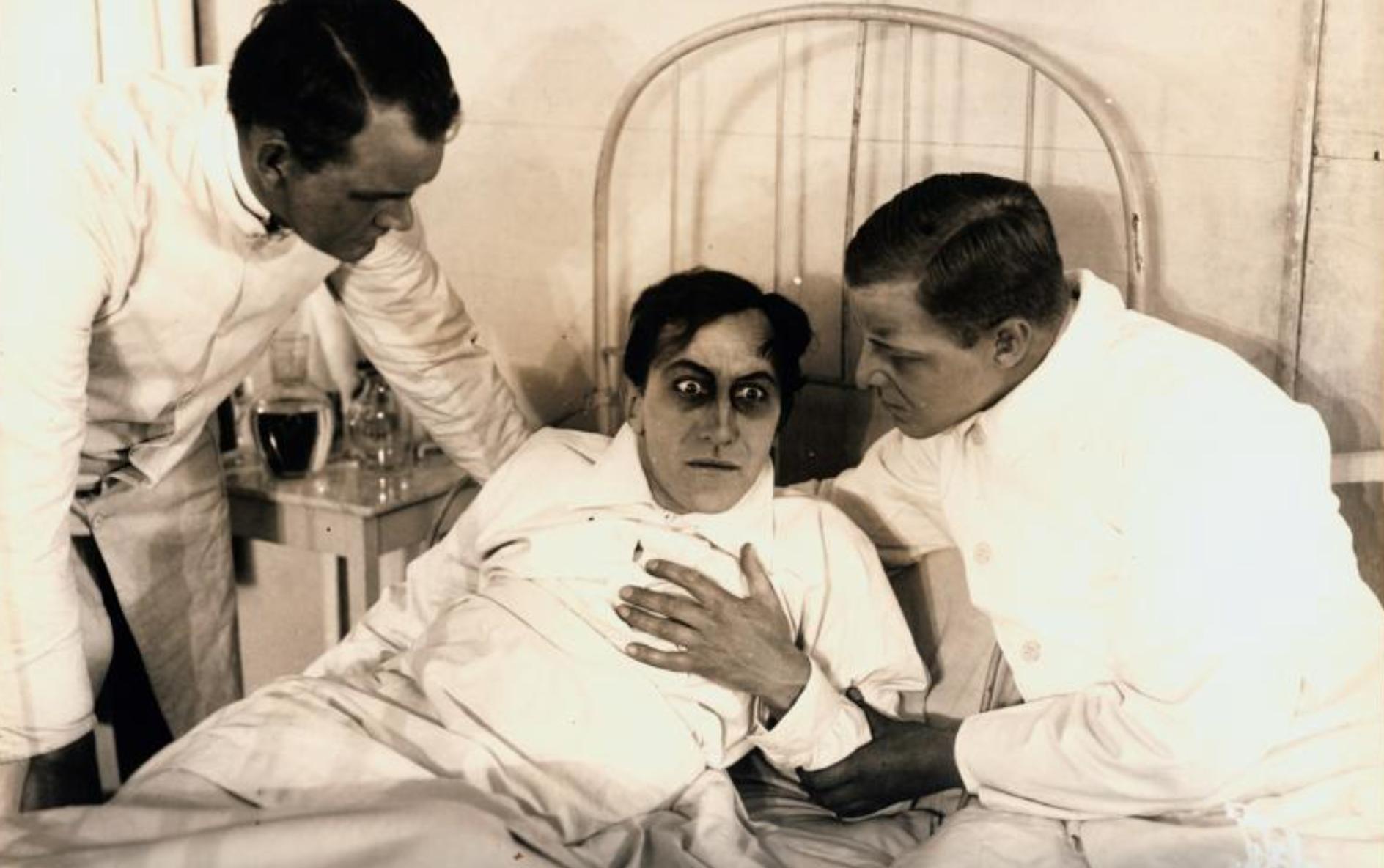
In the annals of early Scandinavian cinema, few artifacts capture the intersection of architectural claustrophobia and psychological malaise quite like Alexander Christian’s 1914 effort, Værelse Nr. 17.
The film’s brilliance lies not in overt spectacle, but in its masterful manipulation of space. The Windsor Hotel is presented not merely as a setting, but as a silent protagonist—a labyrinth of corridors and heavy mahogany doors that separate the public facade from private desperation. Unlike the more outward-facing narratives of the era, such as the high-stakes bravado seen in The Race, Værelse Nr. 17 turns the camera inward, focusing on the heavy, stagnant air of a locked room. The tension is built through the mundane: a telephone call, a waiter’s confused expression, and the rhythmic knocking on a door that refuses to yield.
As we observe Else Frölich and Carl Schenstrøm, we are reminded of the silent era's unique ability to convey internal states through purely physical presence. Schenstrøm, who would later find immortality in comedy, here displays a nuanced restraint that anchors the film’s more somber tones. The cinematic language used by Christian predates the sophisticated suspense tropes of Hitchcock, yet one can feel the embryonic stirrings of the thriller genre in every frame. The hotel room serves as a metaphorical pressure cooker, a theme that resonates even when compared to the social upheavals depicted in A Woman's Fight.
What is perhaps most striking about this production is its reliance on the 'unseen.' In an era where many filmmakers were preoccupied with the literal—as seen in the fantastical elements of Undine—Christian chooses the path of omission. The mystery of what lies behind the door of Room 17 is amplified by the reactions of those outside it. The porter, the police, and the hotel staff become proxies for the audience’s own growing anxiety. This technique of building suspense through external observation is a sophisticated narrative choice that elevates the film above contemporary melodramas like La signora delle camelie.
The cinematography, though limited by the technology of 1914, utilizes the deep shadows of the hotel hallway to create a sense of impending doom. The contrast between the bright, bustling lobby and the dim, silent corridor of the seventeenth room creates a visual dichotomy that mirrors the film's thematic obsession with the hidden lives of the bourgeoisie. It shares a certain aesthetic DNA with the darker undertones of The Woman Who Dared, where the domestic sphere is often a site of hidden conflict and moral reckoning.
Else Frölich delivers a performance of remarkable gravity. In the silent era, actors often leaned into theatrical histrionics to bridge the gap left by the absence of sound, but Frölich understands the power of the micro-expression. Her presence in the film provides a necessary emotional core, contrasting with the more procedural elements of the police investigation. This depth of characterization is something we also see in the intricate emotional landscapes of Doch Anny Kareninoy, where the weight of societal expectation bears down on the individual.
The supporting cast, including Oscar Nielsen and Anton de Verdier, populate the Windsor Hotel with a sense of lived-in reality. They are not merely stock characters; they are the gears of a social machine that is grinding to a halt in the face of an inexplicable event. This attention to the periphery of the story is what makes Værelse Nr. 17 a more immersive experience than the somewhat more straightforward morality plays like The Better Man or Who Pays?. The film asks us to consider the collective responsibility of the observers, a theme that feels startlingly modern.
"Værelse Nr. 17 is a haunting meditation on the fragility of privacy, where a simple locked door becomes a terrifying abyss of the unknown."
As the plot unfolds and the police are summoned, the film transitions into a proto-procedural. The arrival of authority figures introduces a new dynamic: the intrusion of the state into the private sanctum. This tension between the individual's right to seclusion and the society's need for order is a recurring motif in Danish cinema of this period. While The Tempting of Justice deals with these themes in a more legalistic framework, Værelse Nr. 17 keeps the focus on the visceral, immediate fear of what has transpired behind closed doors.
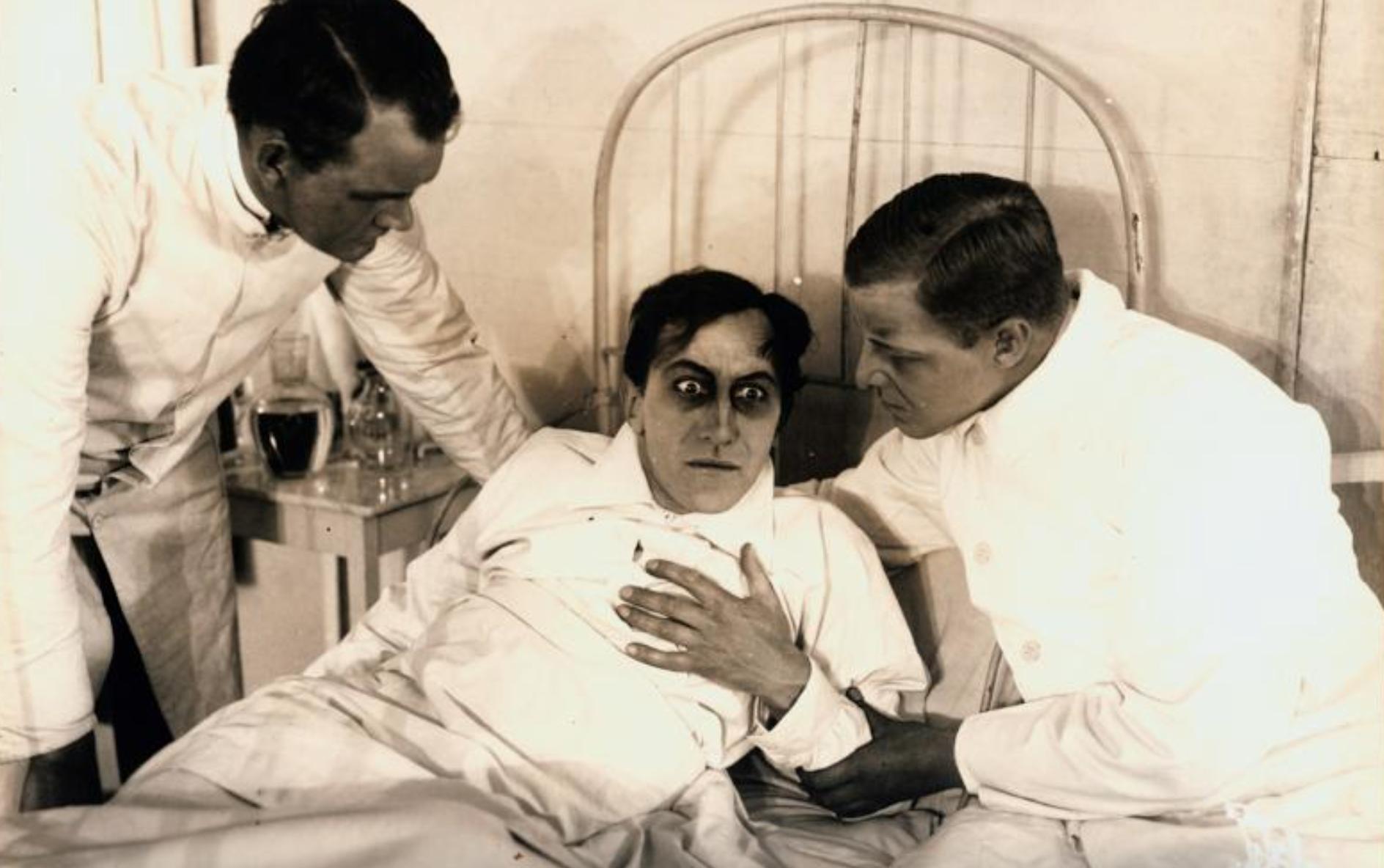
The pacing of the film is deliberate, almost agonizingly so. It refuses to give the audience an easy out, forcing us to sit with the silence of the hotel staff as they wait for the locksmith. This slow-burn approach is a precursor to the modern psychological thriller. It eschews the frantic action of The Spirit of the Conqueror for a more cerebral form of engagement. By the time the door is finally breached, the audience has been primed for a revelation that is as much about the human condition as it is about the specific plot points.
When placing Værelse Nr. 17 alongside its contemporaries, its unique flavor becomes even more apparent. It lacks the pastoral whimsy of Sally in Our Alley or the exoticism of Der fremde Vogel. Instead, it embraces an urban, sophisticated dread. It shares more in common with the atmospheric tension of The Port of Missing Men, where the setting itself feels like a trap. The film’s focus on a single, high-stakes location also mirrors the intensity found in The Three Black Trumps, though Christian’s direction is arguably more focused on the psychological than the conspiratorial.
The film also serves as a fascinating look at the social mores of 1914. The hotel, as a space of transient residence, highlights the anonymity of the modern city. The characters in The Sporting Duchess operate within a world of established titles and clear social hierarchies, but in Værelse Nr. 17, the couple in the room are defined primarily by their absence. They are ghosts in the machine of the hotel, and their sudden silence disrupts the orderly flow of service and commerce.
Alexander Christian’s direction is remarkably disciplined. He avoids unnecessary flourishes, allowing the geography of the hotel to dictate the movement of the camera. The use of the telephone as a plot device is particularly noteworthy, representing the cutting-edge technology of the era and its role in both connecting and isolating individuals. This technological anxiety is a subtle undercurrent that adds another layer of depth to the film. The way the porter interacts with the device—half-expectant, half-fearful—is a masterclass in silent storytelling.
The lighting design deserves special mention. While the film is naturally restricted by the film stock of the time, there is a conscious effort to use light to define the stakes. The hallway, lit by artificial lamps, feels artificial and precarious, while the glimpses we get of the outside world suggest a reality that is blissfully unaware of the tension brewing in Room 17. This use of light to create thematic separation is a hallmark of the Nordisk Film school of the 1910s, a style that would go on to influence the German Expressionists a decade later.
To watch Værelse Nr. 17 today is to witness the birth of a genre. It is a film that understands that the most terrifying things are often those we cannot see, and that a locked door is a more effective narrative tool than any monster. It challenges the viewer to fill in the blanks, to inhabit the silence, and to confront the possibility that within the most mundane settings, something truly extraordinary—and potentially tragic—is taking place.
In the broader landscape of early cinema, where many films have been lost to the ravages of time or the decay of nitrate, Værelse Nr. 17 stands as a testament to the enduring power of a well-told mystery. It doesn't need the sprawling cast of a historical epic or the visual tricks of a fantasy film; it only needs a room, a door, and the mounting realization that something is very, very wrong. For any serious student of film history, or for those who simply appreciate a masterfully crafted suspense narrative, this 1914 Danish gem remains essential viewing. It is a stark reminder that even a century ago, the art of the thriller was already being perfected by visionaries who understood that the true source of horror is not the unknown, but the silence that follows a call for help.
Review by The Cinéaste’s Journal. All rights reserved. 1914 Cinema Retrospective Series.
IMDb —
1914
Community
Log in to comment.