DbcultAccessing Vault...
Cult Review
Senior Film Conservator
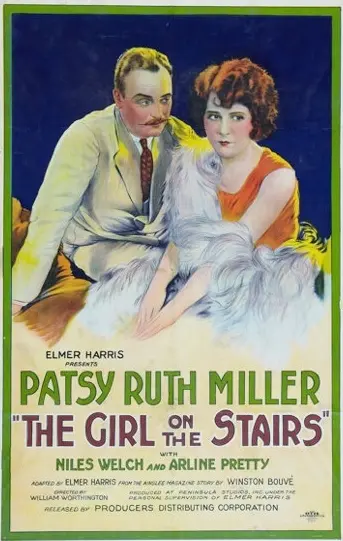
The Girl on the Stairs is a 1920 film that captivates with its intricate plot and nuanced characters. The story revolves around a young woman, recently engaged, who attempts to retrieve embarrassing love letters from her former lover. Tragically, her efforts to do so lead to a series of events that result in her being accused of murder when he is found dead. The film is a stunning piece of early cinema, with its moody visuals and expertly crafted screenplay.
Director Winston Bouve and Elmer Harris, the writers of this film, have created a compelling narrative that delves into the psychological depths of the characters. The film's pacing is deliberate, allowing the audience to absorb each layer of the mystery. The use of close-ups and careful framing enhances the emotional intensity of pivotal scenes, making the viewer feel as if they are right there with the characters.
Michael Dark, in his role as the fiancé, brings a reassuring presence to the film, while Shannon Day, who plays the protagonist, delivers a performance that is both nuanced and powerful. Her character's journey from engaged to suspect is a compelling one, filled with conflicting emotions and a moral dilemma that is both relatable and frustrating. The supporting cast, including George Periolat, Patsy Ruth Miller, and Bertram Grassby, adds depth to the narrative, each character contributing to the overall tapestry of the story.
The film's setting, with its dimly lit rooms and atmospheric staircases, adds to the overall mood of the narrative. The use of shadows and light creates a sense of foreboding, enhancing the suspenseful elements of the plot. The score, although not explicitly mentioned, likely plays a crucial role in setting the tone and heightening the emotional impact of the scenes.
Compared to other films of the era such as The Writing on the Wall, 'The Girl on the Stairs' stands out for its intricate plotting and the complexity of its characters. While 'The Writing on the Wall' focuses more on the psychological thriller aspect, 'The Girl on the Stairs' delves deeply into the moral and ethical dilemmas faced by its characters. This film is a true masterpiece of early cinema, showcasing the talents of its actors and the skill of its director in crafting a narrative that is as engaging as it is thought-provoking.
The film's exploration of themes such as love, betrayal, and the consequences of one's actions is both timeless and relevant. It raises questions about the nature of truth and the lengths to which people will go to protect their secrets. The film's conclusion is both satisfying and thought-provoking, leaving the audience with much to ponder.
For those interested in classic cinema, 'The Girl on the Stairs' is a must-see. Its intricate narrative, powerful performances, and moody atmosphere make it a standout film in the genre. It is a testament to the skill and creativity of its filmmakers and a reminder of the enduring power of early cinema to captivate and engage audiences.
Overall, 'The Girl on the Stairs' is a compelling and thought-provoking film that deserves to be rediscovered. Its intricate plot, nuanced characters, and atmospheric setting make it a true gem of early cinema. It is a film that will resonate with viewers long after the credits have rolled.
IMDb —
1915
Community
Log in to comment.