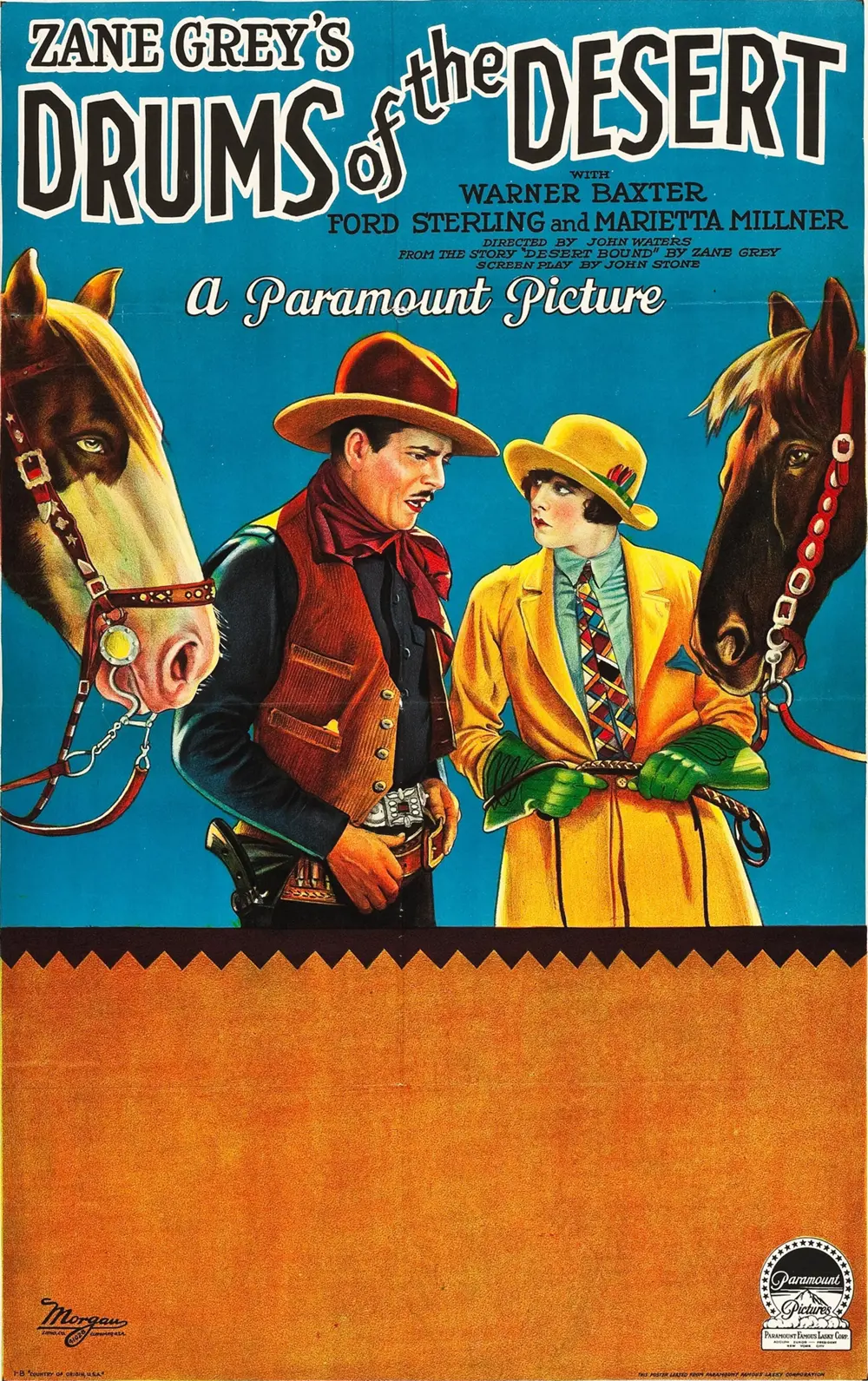
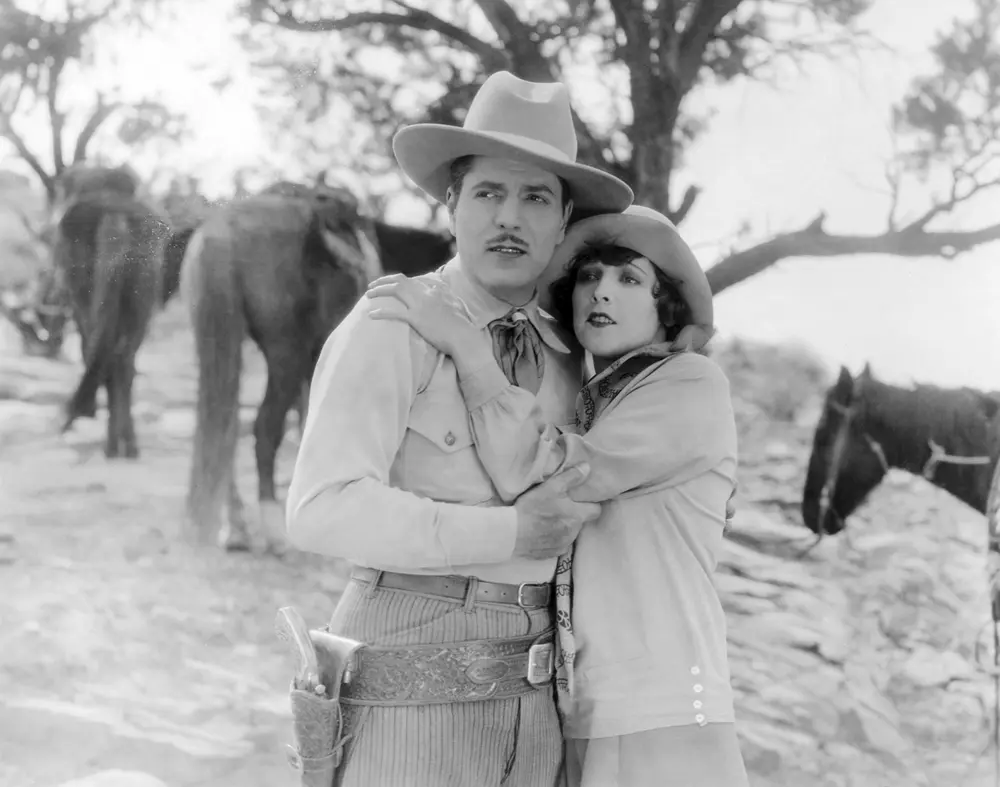
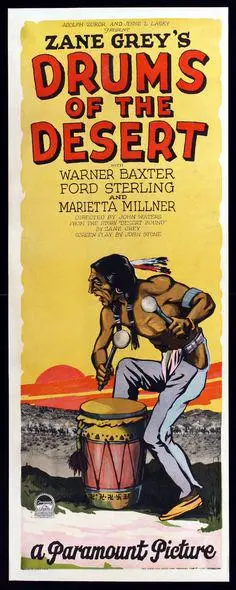
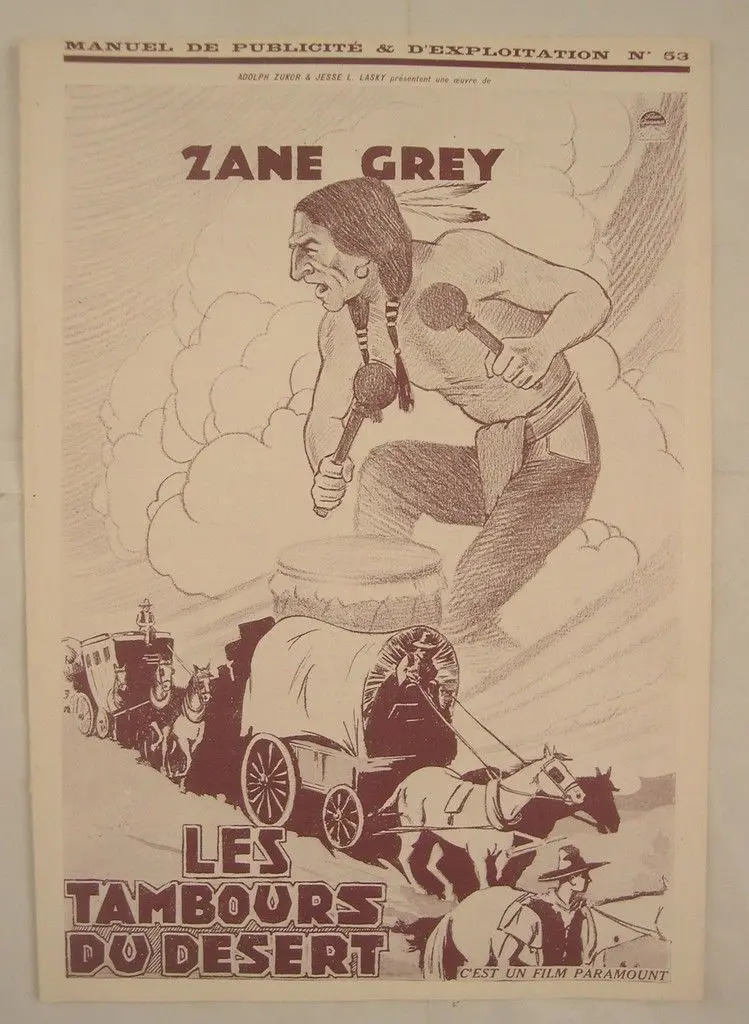
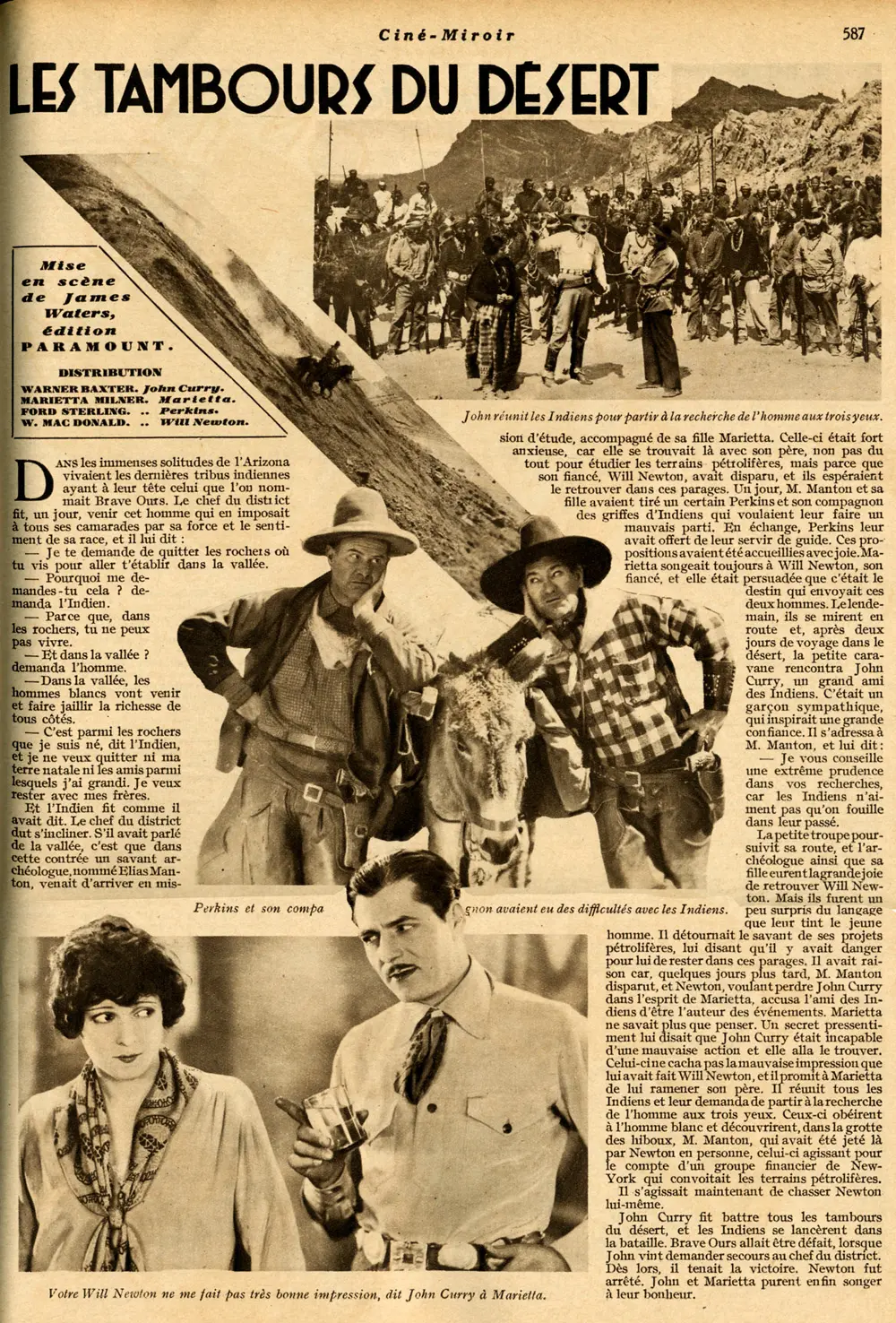
Is Drums of the Desert a film that demands your attention in the crowded landscape of modern cinema? Short answer: yes, but with significant caveats. This silent Western, a product of a bygone era, offers a fascinating, if sometimes frustrating, glimpse into early filmmaking, particularly for those with a deep appreciation for cinematic history and the foundational narratives of the American West.
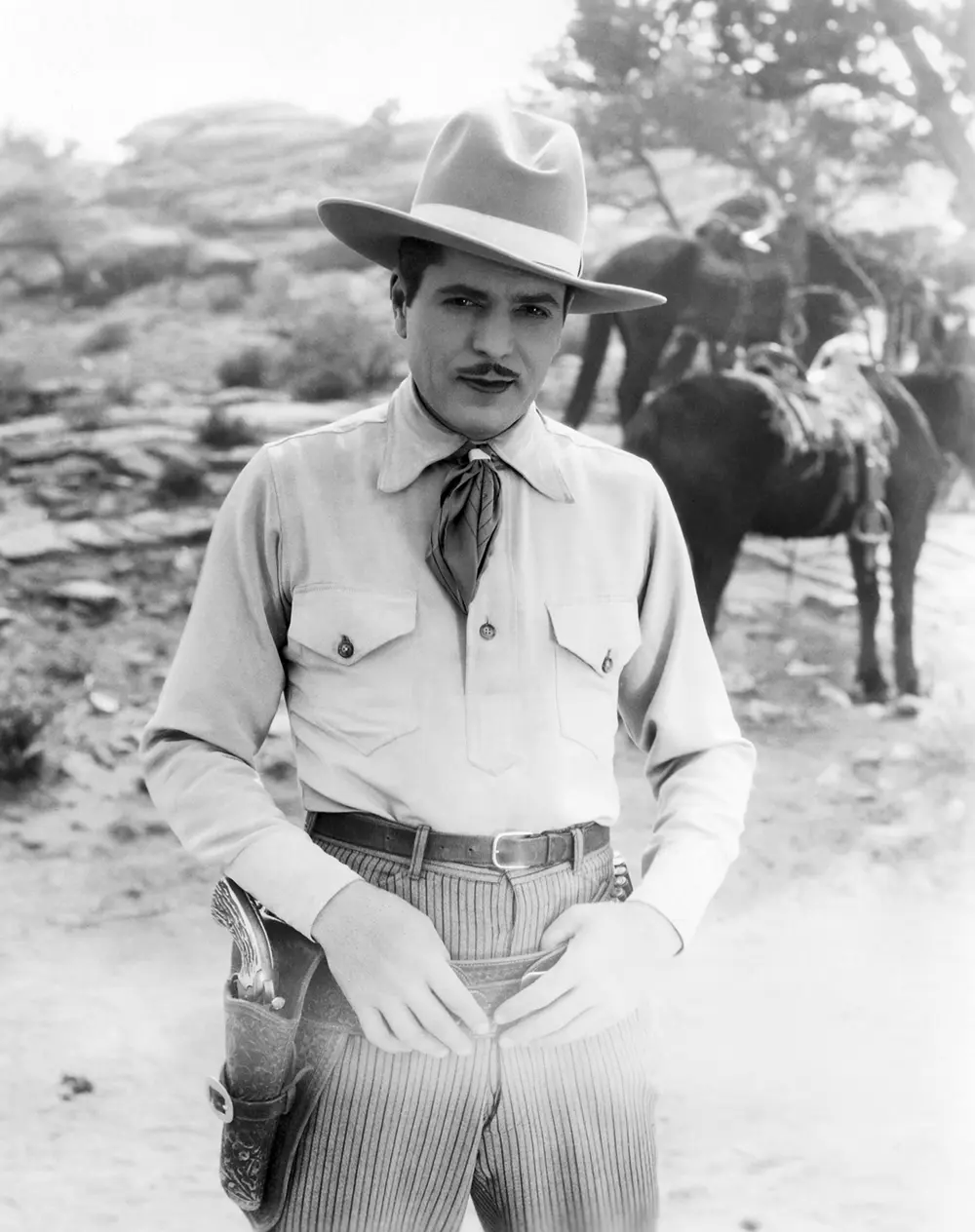
Scene from Drums of the Desert
Cinematic perspective: Exploring the visual vocabulary of Drums of the Desert (1927) through its definitive frames.
It is absolutely a film for enthusiasts of silent cinema, historical Westerns, or anyone interested in the early adaptations of Zane Grey's work. It is decidedly NOT for viewers seeking fast-paced action, complex character development, or modern narrative sensibilities. If you require crisp dialogue and intricate plotting, you will find this an arduous watch.
Scene from Drums of the Desert
Cinematic perspective: Exploring the visual vocabulary of Drums of the Desert (1927) through its definitive frames.
This film works because: It presents a surprisingly progressive (for its time) portrayal of Indigenous resistance and a clear, if simplistic, moral compass that champions justice over greed.
Scene from Drums of the Desert
Cinematic perspective: Exploring the visual vocabulary of Drums of the Desert (1927) through its definitive frames.
This film fails because: Its pacing is often glacial, character motivations are painted in broad strokes, and the technical limitations of its era are starkly apparent to contemporary eyes.
Scene from Drums of the Desert
Cinematic perspective: Exploring the visual vocabulary of Drums of the Desert (1927) through its definitive frames.
You should watch it if: You are a student of film history, a dedicated Western aficionado, or curious about the cinematic representation of Native American struggles in the 1920s.
Scene from Drums of the Desert
Cinematic perspective: Exploring the visual vocabulary of Drums of the Desert (1927) through its definitive frames.
The initial premise of Drums of the Desert, adapted from a Zane Grey story, carries a surprising weight of social commentary for its time. It’s a classic Western struggle: land, greed, and the clash of cultures. However, unlike many of its contemporaries, it attempts to cast the Navajo people not merely as background figures or antagonists, but as a community fighting for their very existence. This perspective, while still filtered through a dominant white lens, represents a nascent step towards more nuanced storytelling.
A Timely Tale, Untimely Execution
At its core, Drums of the Desert is a morality play, starkly drawn in the vast, unforgiving expanse of the American Southwest. The conflict between Chief Brave Bear's Navajo community and the avaricious Will Newton is unambiguous. Newton, embodying unchecked capitalist ambition, seeks to dispossess the Indigenous people for their oil-rich lands. This fundamental struggle for resources and sovereignty remains distressingly relevant even a century later, lending the film a thematic resonance that transcends its silent-era trappings.
The arrival of Professor Elias Manton and his daughter Mary, seemingly neutral observers, serves as the narrative’s fulcrum. They are the eyes through which the audience perceives the escalating tensions, their scientific expedition inadvertently caught in the crossfire. This device, while standard for the period, effectively highlights the clash between academic pursuit and raw, territorial aggression. John Curry, the enigmatic friend of the Navajo, acts as the film’s moral compass and reluctant hero, a figure whose initial ambiguity quickly gives way to clear-cut heroism.
One could argue that the film’s greatest strength lies in its willingness to portray Indigenous people as victims of systemic exploitation, rather than the stock "savages" often depicted. Chief Brave Bear (Bernard Siegel) is given moments of dignity and leadership, rallying his people not for warfare, but for defense of their "sacred altars." This is a crucial distinction. It reframes the conflict from a simple good-vs-evil narrative into something closer to a land rights dispute, albeit one simplified for dramatic effect. It’s a stance that, for 1927, was genuinely bold.
Performances in the Silent Era
Acting in the silent era was a different beast entirely, relying heavily on exaggerated facial expressions, grand gestures, and physical presence to convey emotion without dialogue. Drums of the Desert is a masterclass in this particular brand of melodrama, for better or worse. Warner Baxter, as John Curry, embodies the stoic, rugged hero archetype with a certain earnest charm. His expressions shift from guarded suspicion to righteous anger with a fluidity that, while theatrical, effectively communicates his character’s inner turmoil.