DbcultAccessing Vault...
Cult Review
Senior Film Conservator
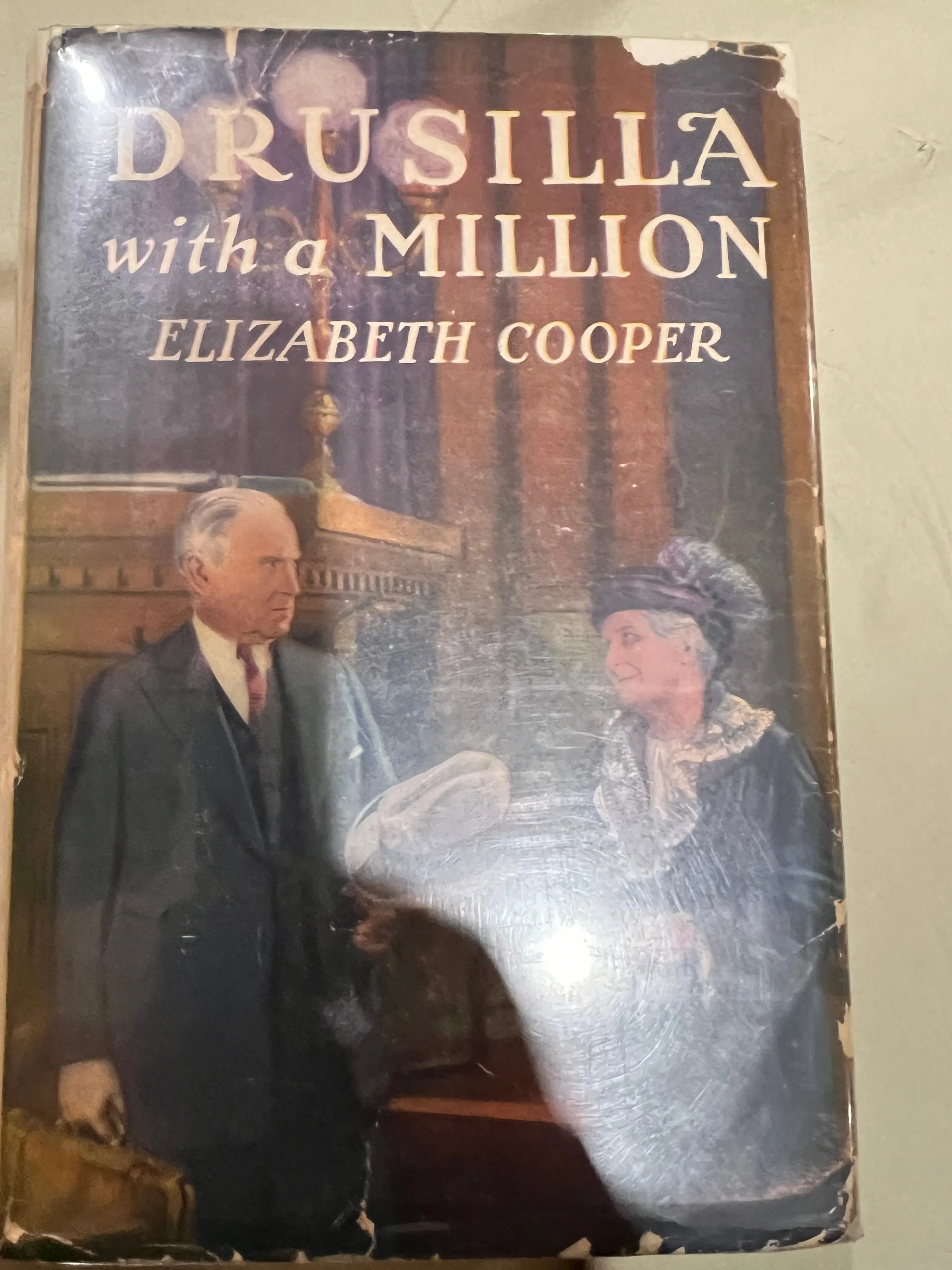
There’s a certain magic to silent cinema, a particular kind of storytelling that transcends the lack of spoken dialogue, relying instead on the evocative power of gesture, expression, and the subtle nuances of a well-crafted narrative. Among these treasures, Drusilla with a Million stands as a compelling testament to the era’s capacity for both grand melodrama and intimate human drama. It’s a film that, even today, captivates with its disarmingly simple premise and its profoundly resonant exploration of what truly constitutes wealth and happiness. As a discerning observer of cinematic artistry, I find myself continually drawn back to its earnest portrayal of a woman whose life is irrevocably altered, not just by an influx of cash, but by an overflowing abundance of love.
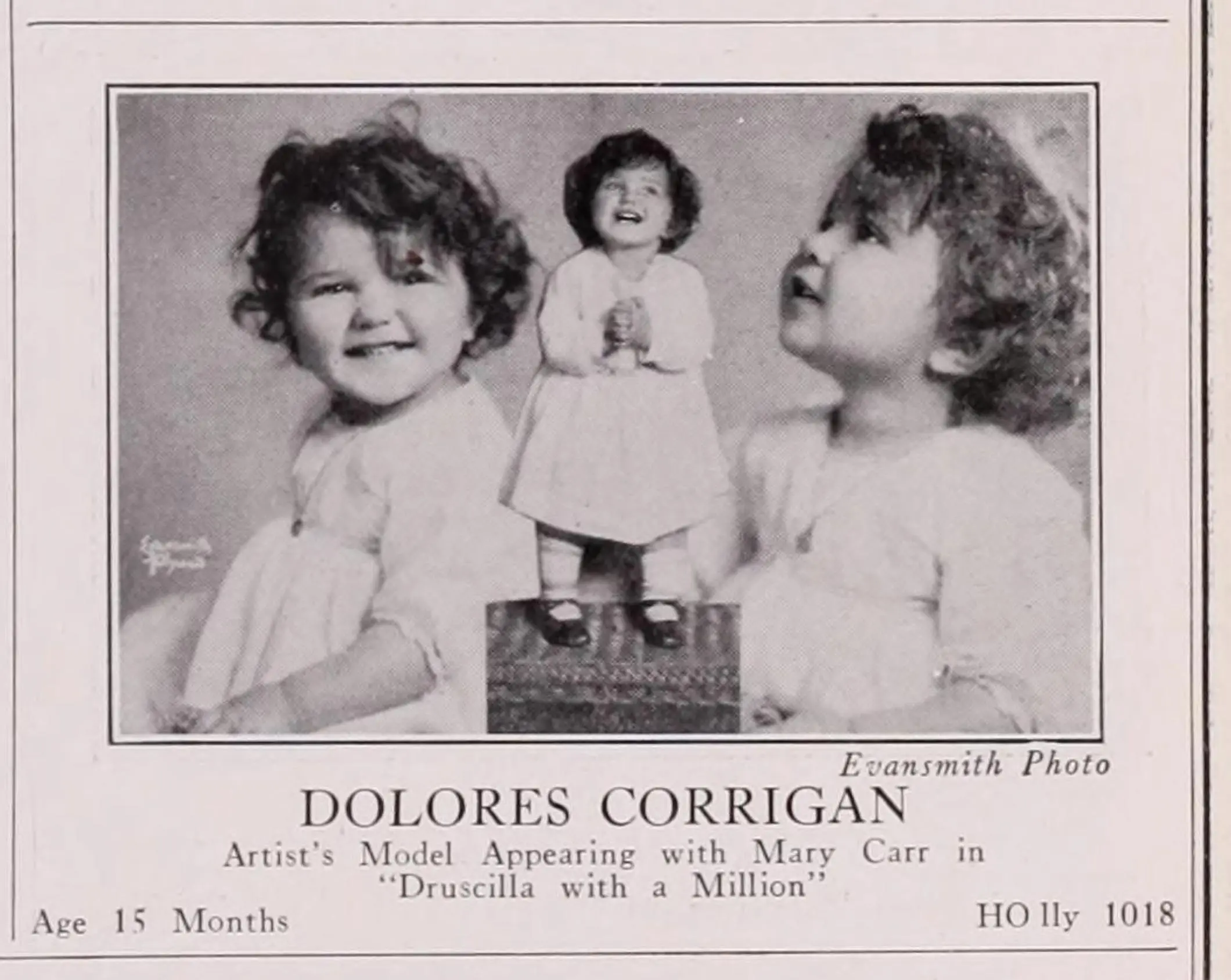
At the heart of this captivating silent narrative is Drusilla Doane, a character initially introduced to us within the austere confines of a home for indigent elderly women. Her existence is one of quiet resignation, a life marked by the limitations of charity and the gentle erosion of hope. Dolores Corrigan, in a performance that is both understated and deeply moving, imbues Drusilla with a dignity and an innate goodness that shine through the drabness of her circumstances. Corrigan’s expressive eyes and subtle physicality convey a world of unspoken longing, setting the stage for the dramatic upheaval that is about to ensue. The film wastes no time in shattering Drusilla’s predictable routine, thrusting her into an unforeseen inheritance of a million dollars. This sudden, almost fantastical, shift in fortune is the catalyst, but it’s merely the beginning of a far more intricate journey.
Unlike many tales of sudden wealth, which often descend into cautionary narratives of greed or moral decay, Drusilla with a Million takes a refreshingly optimistic and profoundly humanistic turn. Drusilla's initial reaction isn't one of self-indulgence or extravagant spending. Instead, her newfound affluence seems to awaken a dormant maternal instinct, a profound desire to nurture and protect. This is where the film truly distinguishes itself, moving beyond a simple rags-to-riches story to embrace a more profound exploration of selfless love.
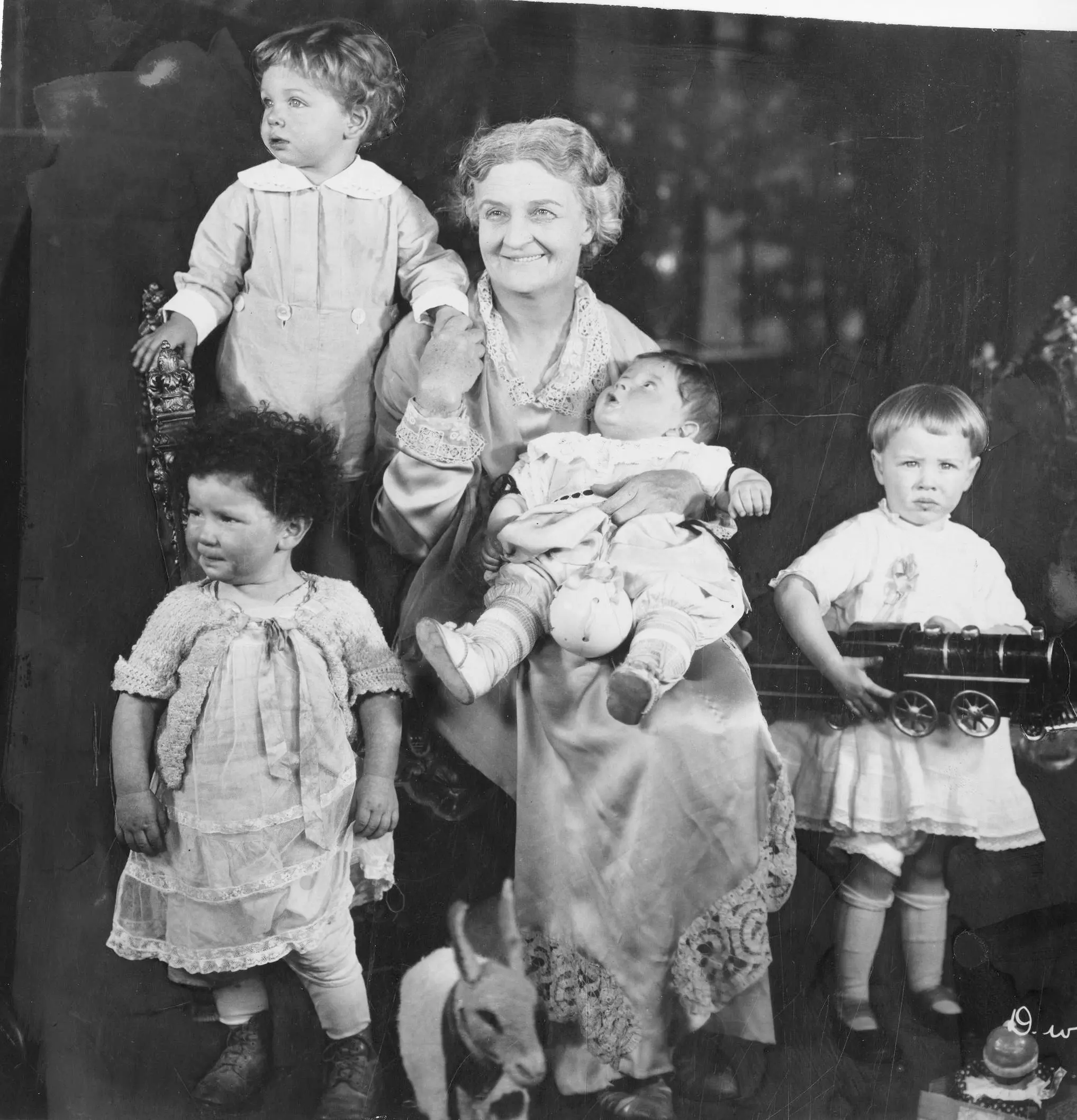
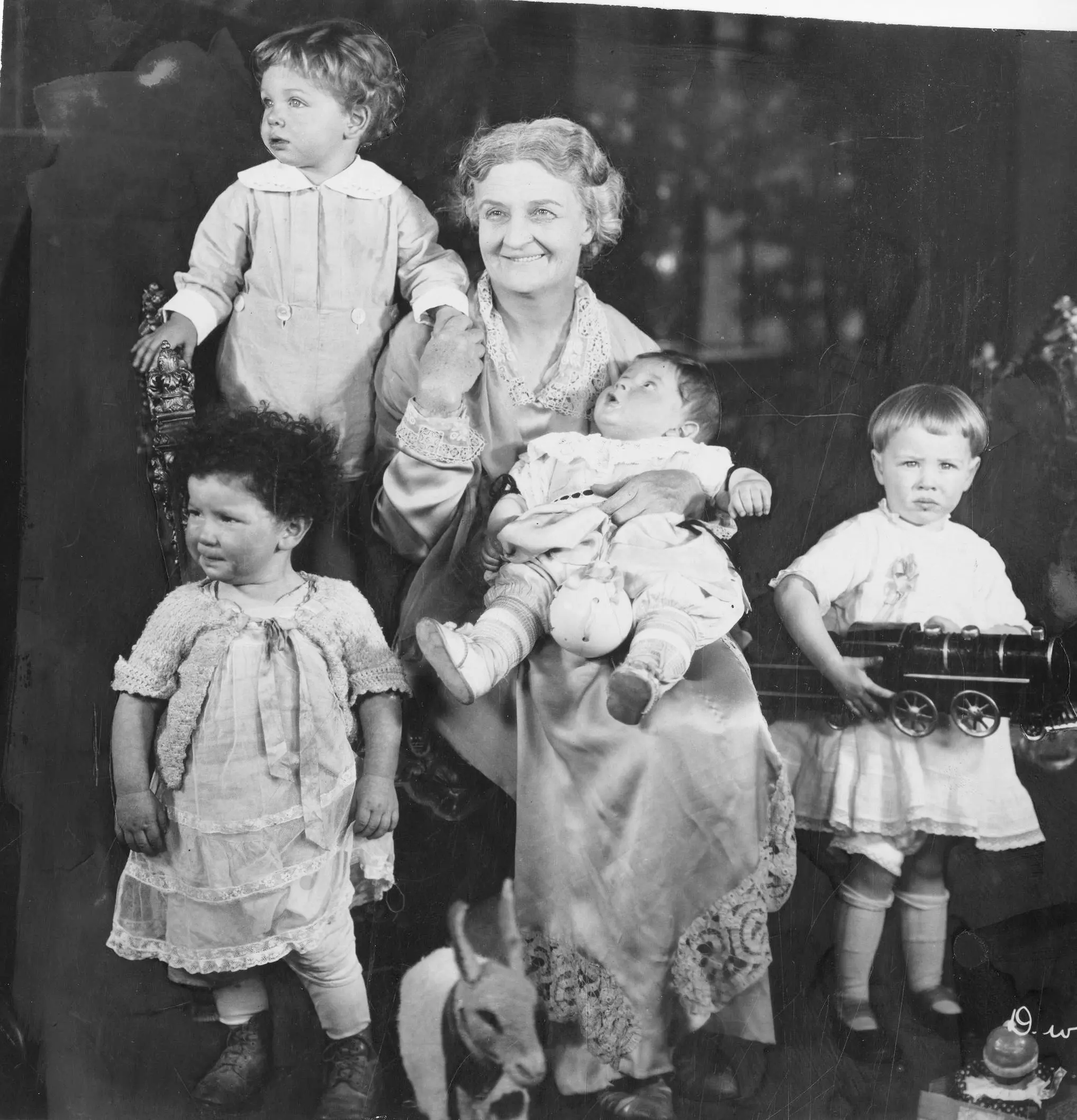
The narrative's ingenuity truly blossoms with the introduction of the children. It begins innocently enough: a solitary infant, abandoned on her porch. This act, seemingly random, becomes the first ripple in a cascade of similar events. Soon, Drusilla’s home transforms from a quiet dwelling into a vibrant, bustling sanctuary teeming with young life. Each new arrival, far from being a burden, is embraced with an open heart and boundless affection. This progression, from one child to a burgeoning brood, is handled with a charming blend of sincerity and lightheartedness, never veering into the absurd, but rather emphasizing the depth of Drusilla’s inherent compassion.
The film beautifully illustrates how Drusilla, who had perhaps resigned herself to a solitary old age, finds her true calling in motherhood. The children, portrayed by a wonderful ensemble of young actors including Carmencita Johnson and Priscilla Bonner, inject an infectious energy and genuine warmth into the story. Their presence transforms Drusilla’s mansion from a mere symbol of wealth into a true home, a vibrant ecosystem of care and joy. This unexpected family unit becomes the true 'million' for Drusilla, a treasure far more valuable than any monetary sum. The writers, Lois Zellner, John C. Brownell, Elizabeth Cooper, and B.P. Fineman, deserve considerable credit for crafting a narrative that prioritizes emotional wealth over material gain, a theme that resonates powerfully even today. Their collective vision eschews cynicism, opting instead for a portrayal of human kindness that feels both aspirational and deeply authentic.
Of course, no compelling drama is without its conflict, and Drusilla with a Million introduces a potent threat to Drusilla’s newfound happiness: the appearance of a potential 'real' heir to the fortune. This narrative device, a classic trope in silent era melodramas, serves not just as an external antagonist but as a crucible for Drusilla’s values. It forces her, and the audience, to confront the fundamental question: what truly matters when faced with the prospect of losing everything? Will her devotion to her adopted children outweigh the allure of retaining immense wealth? Kenneth Harlan, often cast as the dashing lead or the suave antagonist in films like The Prodigal Liar, likely brings a nuanced performance to this role, embodying the potential threat without necessarily becoming a one-dimensional villain. His presence, alongside seasoned actors like Henry A. Barrows, William Humphrey, and Mary Carr, adds a layer of professionalism and gravitas to the ensemble, ensuring that the dramatic stakes feel real and impactful.
The tension that arises from this impending challenge is masterfully handled, building suspense without resorting to cheap theatrics. It’s a testament to the film’s writing that the audience becomes deeply invested in Drusilla’s plight, hoping against hope that her benevolent efforts will be rewarded and her unconventional family preserved. This narrative thread, common in films of the era that explored social responsibility and the vagaries of fortune, shares a thematic kinship with films like Forbidden Fruit, which also delved into societal expectations and moral dilemmas arising from wealth and desire, albeit with a different, perhaps more cynical, lens. Drusilla's journey, however, consistently champions purity of heart over material considerations.
Beyond its engaging plot, Drusilla with a Million is a remarkable example of silent film craftsmanship. The direction, which orchestrates the complex emotional landscape without dialogue, relies heavily on strong visual storytelling. The use of intertitles is judicious, providing necessary exposition without overwhelming the visual narrative. The cinematography, typical of the era, is straightforward yet effective, framing the emotional beats with clarity. The performances, particularly Corrigan’s, are a masterclass in silent acting, where every gesture, every tilt of the head, every flicker of an eye conveys a wealth of meaning. This film reminds us that the power of cinema lies not just in what is said, but in what is felt and perceived.
The supporting cast, including Mary Louise Miller, Claire Du Brey, and the aforementioned character actors, contributes significantly to the film's rich tapestry. Each performance, no matter how brief, feels authentic and serves the larger narrative. The film successfully creates a world that feels lived-in, from the initial drabness of the old ladies' home to the vibrant chaos of Drusilla's new, child-filled abode. This attention to detail, both in character development and environmental portrayal, elevates the film beyond a simple melodrama into something more enduring.
What makes Drusilla with a Million particularly enduring is its unwavering belief in the power of human connection and the true definition of abundance. In an age often preoccupied with material success, Drusilla’s story serves as a gentle, yet powerful, reminder that the most precious treasures are often intangible. Her journey from solitary indigence to the joyous chaos of a large, loving family is a heartwarming affirmation of the human spirit’s capacity for generosity and resilience. It’s a narrative that, in its quiet strength, stands shoulder-to-shoulder with other films of the period that sought to explore the social fabric of early 20th-century America, much like Old New York offered a glimpse into a bygone urban landscape and its inherent social dynamics.
The film also subtly critiques societal norms concerning wealth and charity. Drusilla, initially a recipient of charity, becomes a beacon of it, demonstrating that true philanthropy stems not from obligation but from an overflowing heart. Her transformation challenges conventional notions of success, suggesting that true fulfillment lies not in accumulation, but in dissemination of love and care. This message, delivered with such sincerity and grace, ensures that Drusilla with a Million remains a relevant and deeply moving cinematic experience, a testament to the timeless appeal of stories that celebrate the triumph of heart over circumstance.
In a landscape of silent films that often leaned into grand spectacles or intricate mysteries, Drusilla with a Million carves out its own niche as a tender, character-driven piece. It's a film that leaves you with a warm glow, a renewed faith in humanity, and a profound appreciation for the simple, yet transformative, act of selfless love. It’s a silent film that speaks volumes, and its gentle whispers of kindness and familial devotion resonate long after the final frame fades to black. This is not merely a historical artifact; it is a living, breathing narrative that continues to offer solace and inspiration, a beautiful reminder of what truly enriches a life.
The collaborative effort of the writers — Lois Zellner, John C. Brownell, Elizabeth Cooper, and B.P. Fineman — is particularly noteworthy. They crafted a screenplay that, while adhering to the dramatic conventions of the era, managed to inject a distinct sense of emotional authenticity. The pacing of the story, allowing Drusilla’s transformation to unfold gradually and organically, is a major strength. We witness her initial bewilderment, her cautious embrace of wealth, and then her unreserved surrender to the joys of motherhood. This careful character arc ensures that her decisions feel earned and her happiness well-deserved. The challenges she faces, particularly the looming threat of the 'real' heir, serve to underscore the depth of her commitment to her adopted children, making her eventual triumph all the more satisfying. It’s a narrative structure that understands the power of building anticipation and then delivering a cathartic resolution, a technique that remains effective in storytelling across all mediums.
Moreover, the film’s portrayal of the children themselves is handled with remarkable sensitivity. They are not merely props to advance Drusilla’s narrative; they are distinct personalities, each contributing to the vibrant tapestry of her new family. The interactions between Drusilla and her brood are genuinely heartwarming, showcasing the universal language of love and care. This focus on genuine human connection, rather than just the spectacle of wealth or dramatic conflict, is what elevates Drusilla with a Million to a higher echelon of silent cinema. It’s a film that understands that the grandest narratives are often found in the simplest, most fundamental human desires: to love and be loved, to nurture and to find purpose.
In its quiet brilliance, Drusilla with a Million reminds us that the true 'million' is not found in a bank account, but in the richness of human relationships and the profound joy of a life lived with an open heart. It’s a film that transcends its silent era origins to deliver a message that is as pertinent today as it was nearly a century ago: that true wealth is measured in love, family, and the indelible impact we have on the lives of others.
IMDb 5.6
1933
Community
Log in to comment.