DbcultAccessing Vault...
6.9/10
Senior Film Conservator
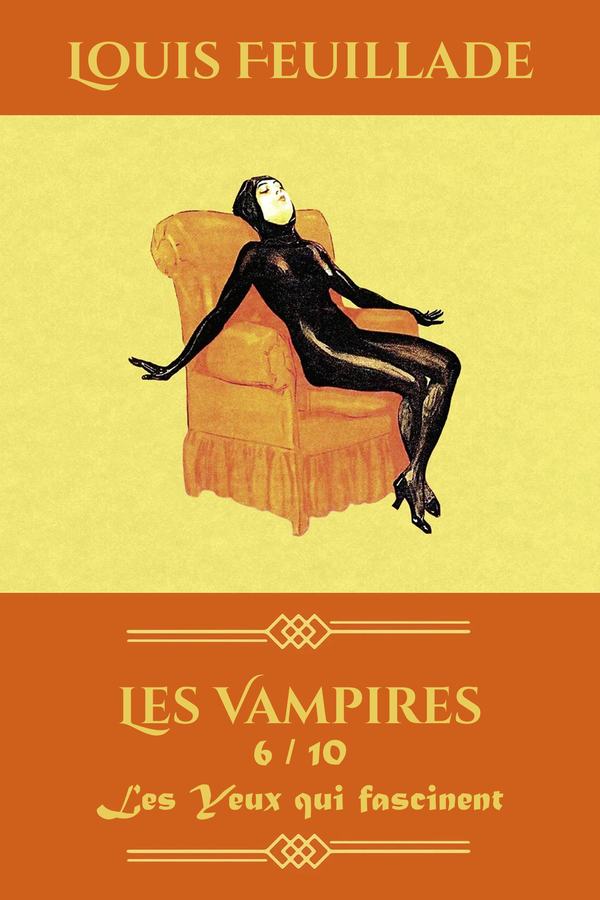
A definitive 6.9/10 rating for a film that redefined the boundaries of cult cinema. The Vampires: Hypnotic Eyes remains a cornerstone of transgressive art.
In the annals of cinematic history, few works possess the raw, magnetic power and audacious invention of Louis Feuillade's Les Vampires. This monumental French serial, unfurling across ten gripping episodes, stands as a testament to early filmmaking's capacity for sustained narrative tension and visual poetry. Today, we cast our critical gaze upon its sixth installment, 'The Eyes that Mesmerise' (original French title: Les Yeux qui Fascinent), an episode that plunges audiences into an even darker, more psychologically intricate corner of its already shadowy universe. This particular chapter elevates the stakes beyond mere physical peril, delving into the chilling realm of mental manipulation and the insidious power of suggestion, a theme that resonates with unsettling prescience even a century later.
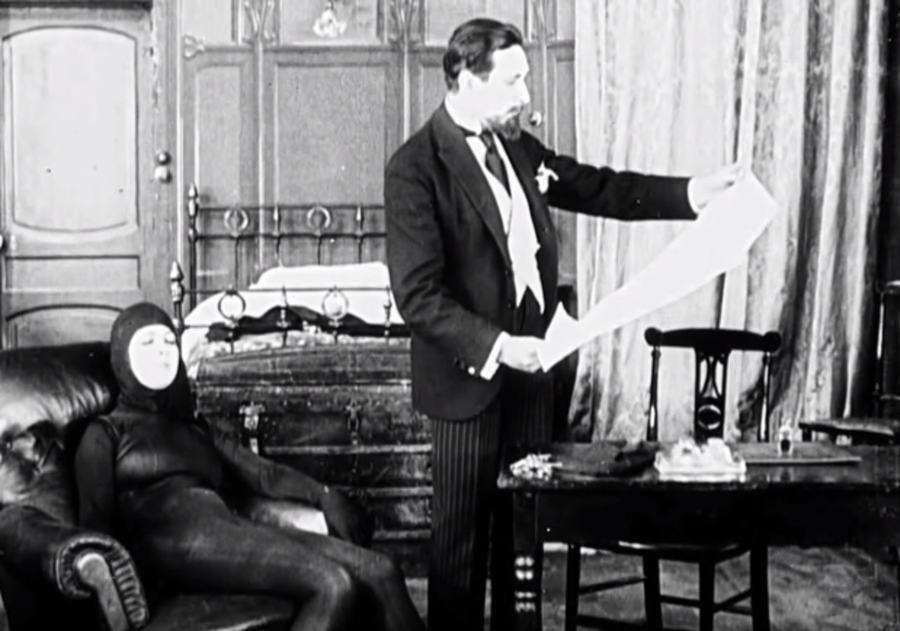
What makes 'The Eyes that Mesmerise' particularly captivating is its audacious subversion of audience expectations regarding the iconic Irma Vep. Portrayed with an almost primal, serpentine grace by the inimitable Musidora, Vep has, until this point, been the embodiment of agency and cunning within the nefarious syndicate known as The Vampires. Her black leotards and silent, acrobatic infiltrations have etched her into the very bedrock of cinematic villainy. Yet, in this episode, Feuillade dares to render her vulnerable, transforming her from a calculating mastermind into a puppet, albeit a terrifyingly effective one, under the hypnotic thrall of Dr. Poison. This narrative twist is nothing short of brilliant, adding layers of tragic complexity to a character who might otherwise remain a one-dimensional antagonist. It forces us to confront the unsettling possibility that even the most formidable individuals can be stripped of their autonomy, their will bent to serve another's malevolent designs.
Musidora's performance here is a masterclass in nuanced silent acting. While her movements retain their characteristic fluidity and danger, there's a subtle, almost vacant quality to her gaze, a detachment that signals the absence of her own guiding intellect. She executes Dr. Poison's commands with chilling precision, her actions devoid of the playful malice or strategic calculation that previously defined her. This portrayal is not just a testament to Musidora's talent, but also to Feuillade's keen understanding of psychological drama. He doesn't need intertitles to convey Vep's altered state; her very presence, subtly shifted, speaks volumes. The visual language of her subdued defiance, her actions driven by an unseen force, becomes a powerful commentary on the fragility of identity when confronted by such profound external influence.
The introduction of Dr. Poison, played with chilling conviction by Jean Aymé, marks a significant escalation in the Vampires' threat profile. No longer are they merely thieves and murderers; they are now manipulators of the mind, wielding a power that is far more insidious and difficult to combat. Dr. Poison embodies a new kind of villainy for the nascent cinematic age – one that preys not on material possessions but on the very essence of human consciousness. His methods introduce a pseudo-scientific, almost occult element to the serial, pushing the boundaries of what audiences might have expected from a crime thriller. This shift from overt physical danger to psychological warfare is a stroke of narrative genius, demonstrating Feuillade's willingness to constantly reinvent his own formula and keep his audience on edge.
The visual representation of hypnosis in early cinema is often fraught with theatricality, but Feuillade manages to imbue Dr. Poison's powers with a genuine sense of dread. The long, intense gazes, the subtle gestures, and the immediate, unquestioning obedience of his victims create an atmosphere of inescapable control. This is not the parlor trick of a stage magician; it is a profound, almost supernatural ability that grants the Vampires an unprecedented advantage. It’s a fascinating precursor to later cinematic explorations of mind control, from early horror films to more sophisticated psychological thrillers. The doctor's calm, almost clinical demeanor only heightens the terror, suggesting a mind utterly devoid of empathy, focused solely on the cold mechanics of manipulation.
Against this backdrop of psychological tyranny, our intrepid journalist, Philippe Guérande, portrayed by the steadfast Fernand Herrmann, continues his relentless crusade. Guérande, a figure of unwavering moral rectitude, finds himself confronting a foe that operates on an entirely different plane. How does one combat an enemy who can turn friends into foes, and minds into weapons? This episode forces Guérande to adapt, to think beyond conventional detective work, and to delve into the more abstract dangers of the human psyche. His struggle is emblematic of the broader human desire to understand and counteract forces that seek to undermine individual liberty and truth.
Assisting him, as always, is the wonderfully understated and often comically flustered Mazamette, brought to life by Marcel Lévesque. Mazamette provides much-needed moments of levity amidst the pervasive tension, his everyman anxieties serving as a relatable anchor for the audience. Yet, even Mazamette, with his seemingly simple outlook, is not immune to the episode's deeper implications. He represents the ordinary citizen caught in the crossfire of extraordinary evil, his courage often born of necessity rather than inherent heroism. The dynamic between Guérande's earnest determination and Mazamette's pragmatic caution is one of the enduring delights of Les Vampires, providing both dramatic impetus and a touch of human warmth to the often bleak proceedings.
Louis Feuillade's directorial prowess is on full display in 'The Eyes that Mesmerise'. His signature style, characterized by long takes, minimal editing, and a preference for real Parisian locations, lends an almost documentary-like authenticity to the fantastical events unfolding. This juxtaposition of the mundane and the extraordinary is what gives Les Vampires its unique, unsettling flavor. The quiet streets, the unassuming apartments, and the familiar rooftops of Paris become stages for grand theatricality and chilling suspense. This grounded realism makes the more outlandish elements, such as hypnotic control, feel all the more potent and terrifying, blurring the lines between what is possible and what is merely imagined.
The themes explored in 'The Eyes that Mesmerise' resonate far beyond the confines of early French cinema. The idea of a hidden, insidious power manipulating individuals finds echoes in countless later works. One might draw parallels, for instance, to the psychological manipulations depicted in The House of Mystery, another early serial that played with themes of deception and hidden identities. The sheer audacity of the criminal organization, operating just beneath the surface of polite society, also brings to mind the intricate plots of contemporary serials like The Man Who Disappeared, where a protagonist unravels a complex web of deceit. Even the episodic nature and cliffhanger endings, though a staple of the era, find their refined expression here, influencing subsequent thrillers and adventure narratives for decades.
The fascination with hypnosis and mind control, a popular trope in early 20th-century popular culture, is here treated with a seriousness that elevates it beyond mere pulp fiction. It taps into very real anxieties about the unknown, about forces beyond one's control. In this regard, it shares a certain thematic kinship with films that explore human vulnerability, such as the dramatic tension found in The White Sister, albeit through a very different narrative lens. The psychological depth, however nascent, is a clear indicator of cinema's evolving capacity to explore complex human conditions, even within the confines of a thrilling serial.
Furthermore, the sheer visual invention and the use of Parisian locales as integral characters in the drama prefigure much of what would become characteristic of French cinema. The sense of urban dread and the lurking danger in seemingly innocuous places set a precedent for countless thrillers. It's a far cry from the more straightforward historical narratives like The Battle of Gettysburg or biopics such as Bismarck, demonstrating the diverse paths early cinema was taking. Feuillade was carving out a genre that fused realism with fantastic elements, creating a unique cinematic language that would inspire future generations of filmmakers, from the surrealists to the New Wave directors.
The enduring appeal of Les Vampires, and particularly an episode as potent as 'The Eyes that Mesmerise', lies in its unapologetic embrace of the criminal underworld. Feuillade doesn't shy away from depicting the seductive power of transgression, the allure of those who operate outside the bounds of conventional morality. While Guérande represents law and order, it is often the Vampires, with their audacious schemes and stylish defiance, who captivate the imagination. This tension between societal norms and anarchic freedom is a central pillar of the serial's thematic strength.
The ensemble cast, including Miss Édith, Édouard Mathé, Paula Maxa, and Suzanne Le Bret, contribute to the rich tapestry of characters that populate this shadowy world. Each performance, no matter how brief, adds another brushstroke to Feuillade's grand canvas of crime and intrigue. The interplay of these characters, their loyalties tested and their fates intertwined, creates a dynamic narrative that keeps viewers utterly engrossed. It is this intricate web of relationships and shifting power dynamics that elevates the serial beyond simple adventure, making it a compelling study of human nature under duress.
'The Eyes that Mesmerise' is not merely a chapter in a longer story; it is a self-contained masterpiece of early psychological thriller filmmaking. It showcases Louis Feuillade's genius for crafting suspense, developing compelling characters, and exploring themes that remain relevant today. The episode's daring narrative choice to place its most iconic villainess under external control speaks volumes about the creative ambition of its writer and director. It challenged contemporary notions of heroism and villainy, pushing the boundaries of what a cinematic serial could achieve.
The influence of Les Vampires, and particularly the indelible image of Musidora as Irma Vep, cannot be overstated. From surrealist artists who adored its dreamlike qualities to later filmmakers who borrowed its narrative techniques, its impact is woven into the fabric of cinematic history. Films like The Hazards of Helen, while also serials, often focused on more straightforward action; Feuillade infused his with a deeper, often disturbing psychological undercurrent. This episode, with its focus on the unseen power of the mind, is a prime example of that depth.
For anyone seeking to understand the foundational elements of the thriller genre, the evolution of silent cinema, or simply to witness a work of audacious imagination, 'The Eyes that Mesmerise' remains an essential viewing experience. It is a potent reminder that long before elaborate special effects and complex soundscapes, filmmakers like Feuillade were capable of crafting narratives that captivated, disturbed, and profoundly moved audiences with nothing more than light, shadow, and the potent force of human drama. Its legacy, like the hypnotic gaze of Dr. Poison, continues to fascinate and compel, drawing new generations into its shadowy, mesmerizing world. It is a film that truly stands the test of time, a beacon of early cinematic brilliance that continues to inspire and intrigue. The careful artistry in every frame, the meticulous construction of suspense, and the unforgettable characters coalesce into an experience that transcends its historical context, speaking to universal anxieties and desires. This episode alone is a compelling argument for the enduring power and artistic merit of Feuillade’s visionary serial.
IMDb —
1927
Community
Log in to comment.