DbcultAccessing Vault...
Cult Review
Senior Film Conservator
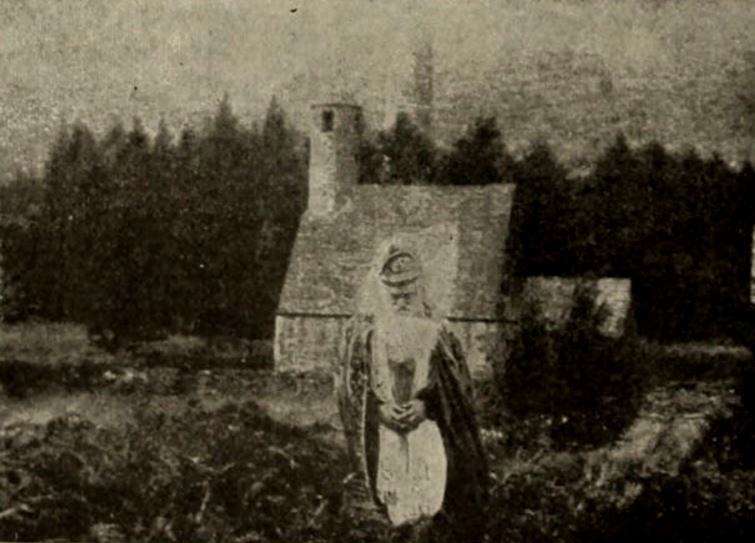
Forget the postcard saint flinging snakes into cartoon oblivion. Writer-director Lachlan McTavish reimagines Patricius as a refugee whose trauma is geological: layers of slate that flake with every memory. The first act is practically a silent thriller—minimal Latin dialogue, wind-gnawed moors, a boy lashed to a galley mast while gulls scream in falsetto. Cinematographer Greta Álvarez lets the camera linger on rain until droplets resemble molten silver; you feel the chill seep into marrow. When our protagonist escapes, the screen bursts into over-exposed amber fields of Gallic wheat, a visual exhale that makes sanctuary taste like sunlight.
McTavish’s boldest gambit is withholding the saintly glow until minute sixty. We meet an angry adolescent who can’t spell “Kyrie,” let alone convert provinces. Flashbacks arrive as scratched daguerreotype fragments—maybe authentic visions, maybe PTSD hallucinations. The refusal to iron miracles into tidy montage keeps tension electric; every baptismal immersion feels like a possible drowning. The script’s linguistic hopscotch—Vulgar Latin, proto-Gaelic, gutter-frankish sailor slang—mirrors a fractured identity still knitting itself into “Irishness.” Subtitles flicker sea-blue (#0E7490) against charcoal frames, as though the words themselves are swimming toward us.
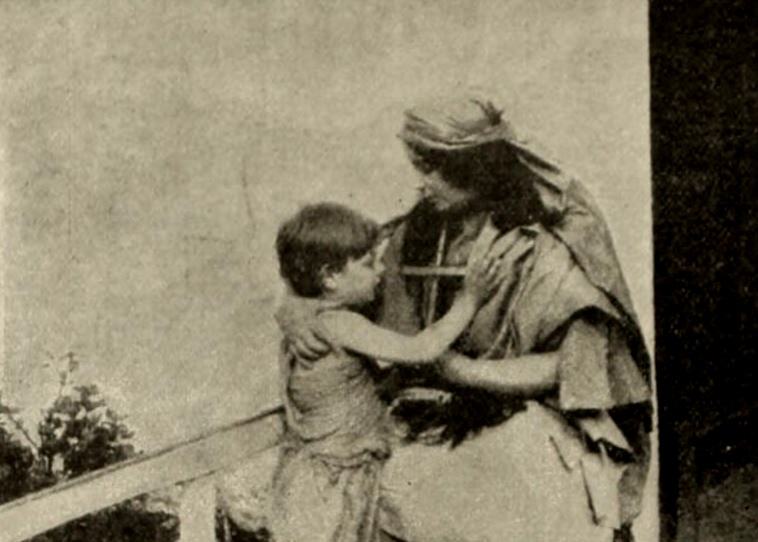
Newcomer Fionn Ó Súilleabháin shoulders the picture with cheekbones sharp enough to slice communion bread. He plays Patrick as a man forever startled by his own audacity—eyes oscillating between hearth-softness and flint. When he confronts the druid priest Lóegaire (a magnetic Moe Dunford swaddled in bear-fur bling), the scene crackles with political double-meanings: two colonized minds arguing whose mythology gets to terraform the future. Ó Súilleabháin’s voice never drops into Charlton Heston boom; instead it trembles, ascends, cracks like adolescent wood, making scripture feel freshly fallen from heaven rather than carved in stone.
Seána Kerslake turns slave-owner Milchu into a complex mirror: a land-rich despot terrified of Roman ghosts and the new sky-god alike. Their midnight confrontation—lit only by turf-fire ember—has Shakespearean heft, though the dialogue is spare enough to let shadows speak. Meanwhile, Bríd Ní Neachtain as the abbess-to-be Íte supplies brittle humor, teaching Latin conjugations while milking goats, her raised eyebrow translating to: “Decline amare, peasant, or no cheese for you.”
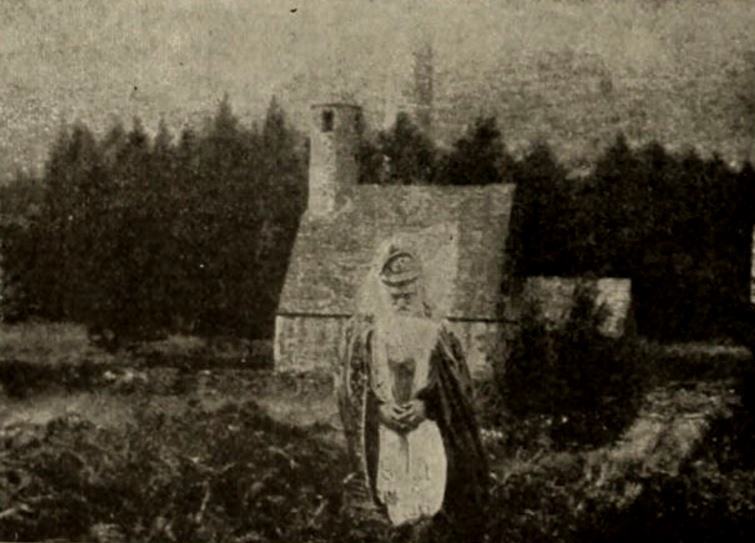
Color palette is narrative: peat-bog umber, monastic parchment yellow, sudden Pentecostal crimson. Production designer Laoisa Mulhern carves a fifth-century settlement out of reclaimed oak and fermented ox-blood; every hut smells of damp and humanity. Costume linen is hand-loomed, dyed with onion-skin and woad, so actors carry the sweat of lived-in history. When Patrick lights the Easter fire on Slane Hill, flames smear vermilion against dawn indigo—a cinematographic dare to anyone who claims religion can’t be visceral. Compare this to the monochromatic reverence of From the Manger to the Cross; McTavish’s Ireland pops like an illuminated manuscript slammed onto a 4K screen.
Álvarez shoots miracles with reverse-tracking shots: when a storm parts for Patrick’s boat, the camera recedes as though heaven itself is backing up to make room. No digital splashy waves—practical tank work and foam sculptures lend weight. The much-ballyhooed “banishing of serpents” becomes a single striking tableau: the saint stands ankle-deep in a bog, reptilian shapes sliding past his shins toward subterranean cracks. The absence of a triumphant score (composer Mícheál Ó Domhnaill favors breathy whistles and bodhrán heartbeat) leaves viewers alone with their own awe, a tactic Terrence Malick patented but McTavish repurposes without plagiarism.
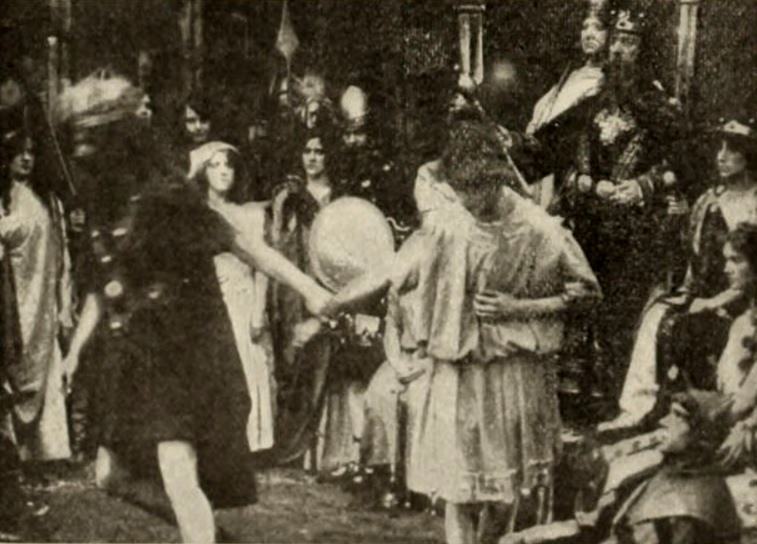
This is no hagiographic press-release. McTavish interrogates the colonial baggage of fifth-century Christianity without flattening it into woke pamphlet. A scene where newly baptized peasants burn “pagan” idols—only to realize the carvings were their ancestors’ headstones—cuts deeper than any sermon on imperial guilt. The script asks: Does replacing ogham with Latin literacy liberate or erase? Patrick’s anguished confession to a silent monk (cameo by veteran Ciarán Hinds) acknowledges complicity: “We trade one set of chains for another, but call the second set light.”
Yet the film avoids nihilism; it locates moral traction in micro-mercies. A girl cured of blindness sketches wildflowers she now sees on monastery walls; a reformed brigand teaches orphans to read using seafaring knots. These vignettes suggest conversion as collaborative translation rather than top-down conquest—echoing how The Redemption of White Hawk explored cultural hybridity in Native contexts.
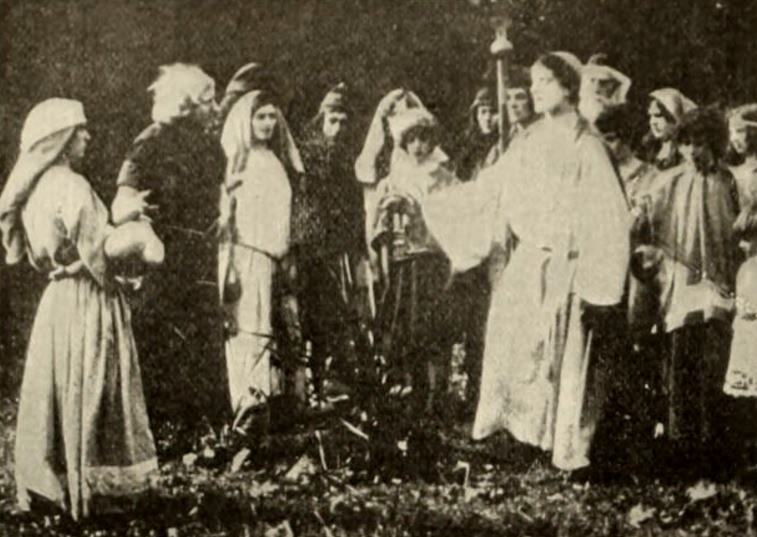
Editor Shani Rozario risks opulence fatigue: 152-minute runtime, multiple false endings, an extended Latin liturgy shot in real time. Miraculously, momentum holds. She cross-cuts baptismal immersion with childhood memories of Atlantic storms, water motifs braided so tight you feel the same brine on both timelines. Act II sags briefly during Patrick’s Roman sojourn—some seminary politics feel like deleted scenes from The Black Chancellor—but the dip is medicinal; it makes the Irish homecoming blaze brighter.
Ó Domhnaill eschews orchestral syrup. Instead we get wind across heather, leather on gravel, the creak of a currach hull. A single female vocal line—recorded in an abandoned stone oratory—threads like incense through the narrative, disappearing before climax to let communal chant take over. The result: spiritual tinnitus; you walk out hearing your own pulse as potential prayer. If you savored the austere minimalism in Glacier National Park, expect similar chills, albeit soaked in Celtic mist.
Expect campaigns for Production Design, Costume, Cinematography. Ó Súilleabháin’s subdued turn may alienate voters who equate sanctity with showy monologue, yet his final close-up—tears mixing with chrism oil—projects enough raw humanity to melt gold statuettes. The screenplay, laced with archaic idiom, could snag a nod if Academy elders remember Parsifal’s lyric nod. International Feature hopes hinge on Ireland’s selection committee; competition from beefier titles like Les Misérables redux might shove it aside.
Place it beside Life and Passion of Christ for proto-template reverence, but note McTavish’s camera is too restless for tableaux piety. Pair it with Dante’s Inferno for hallucinogenic theology, though Patrick’s hell is earthly bog rather than sepia brimstone. Ultimately the film belongs in conversation with modern reclamations like Pilgrim’s Progress—works that ask believers and skeptics to share campfire before doctrine.
Minor quibbles: subplot romance with a runaway slave feels engineered for demographic breadth; digital squirrels in the hazel glade look, well, digital. Yet these are quarks in a cosmos otherwise blazing with conviction. The Life of St. Patrick doesn’t just dramatize a patron saint; it resurrects a nation mid-metamorphosis, ribs still soft from pagan clay, learning to beat under fresh baptismal fire. Come for the miracles, stay for the mud, leave convinced that every empire ends but some dreams outlast the soil they’re buried in.
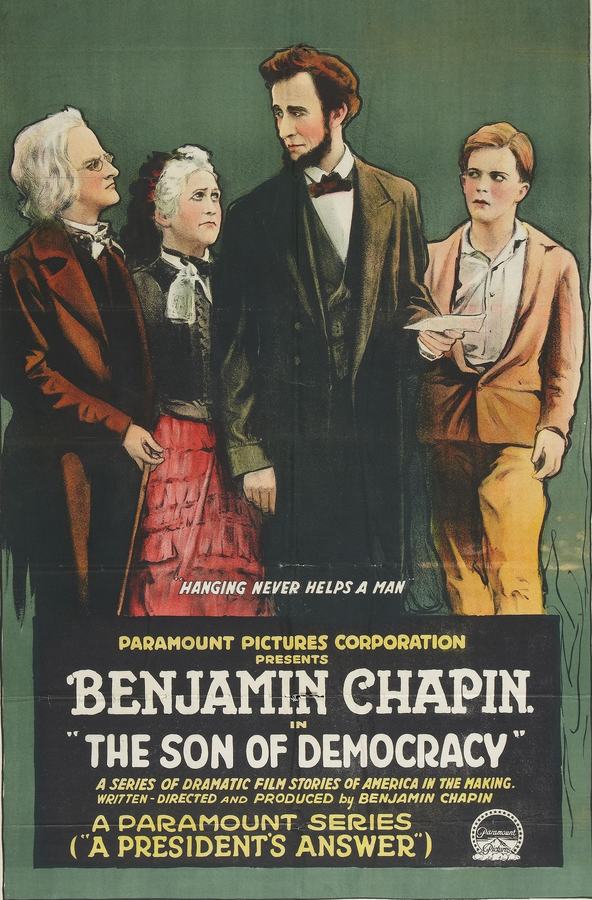
IMDb —
1917
Community
Log in to comment.