DbcultAccessing Vault...
5.9/10
Senior Film Conservator
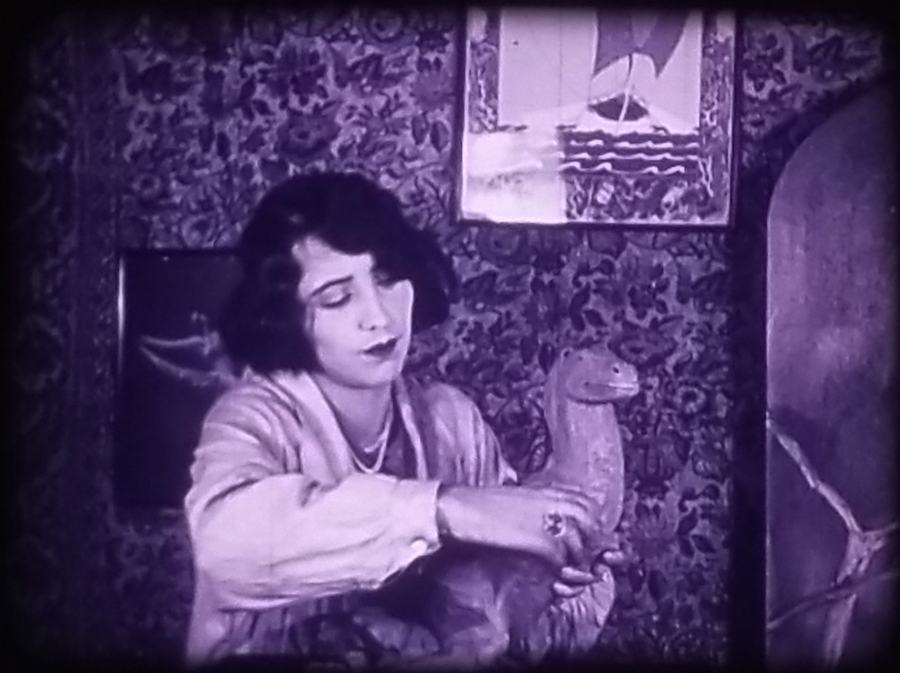
A definitive 5.9/10 rating for a film that redefined the boundaries of cult cinema. Pathé Review: Monsters of the Past remains a cornerstone of transgressive art.
The cinematic landscape of the 1920s was a realm of unbridled creativity, with filmmakers continually pushing the boundaries of storytelling and technology. In this context, the Pathé Review series emerged as a beacon of innovation, showcasing a diverse array of subjects and techniques. One such film, Monsters of the Past, stands out as a testament to the power of silent documentary filmmaking, offering a captivating glimpse into the world of sculptor Virginia May and her remarkable dinosaur creations.
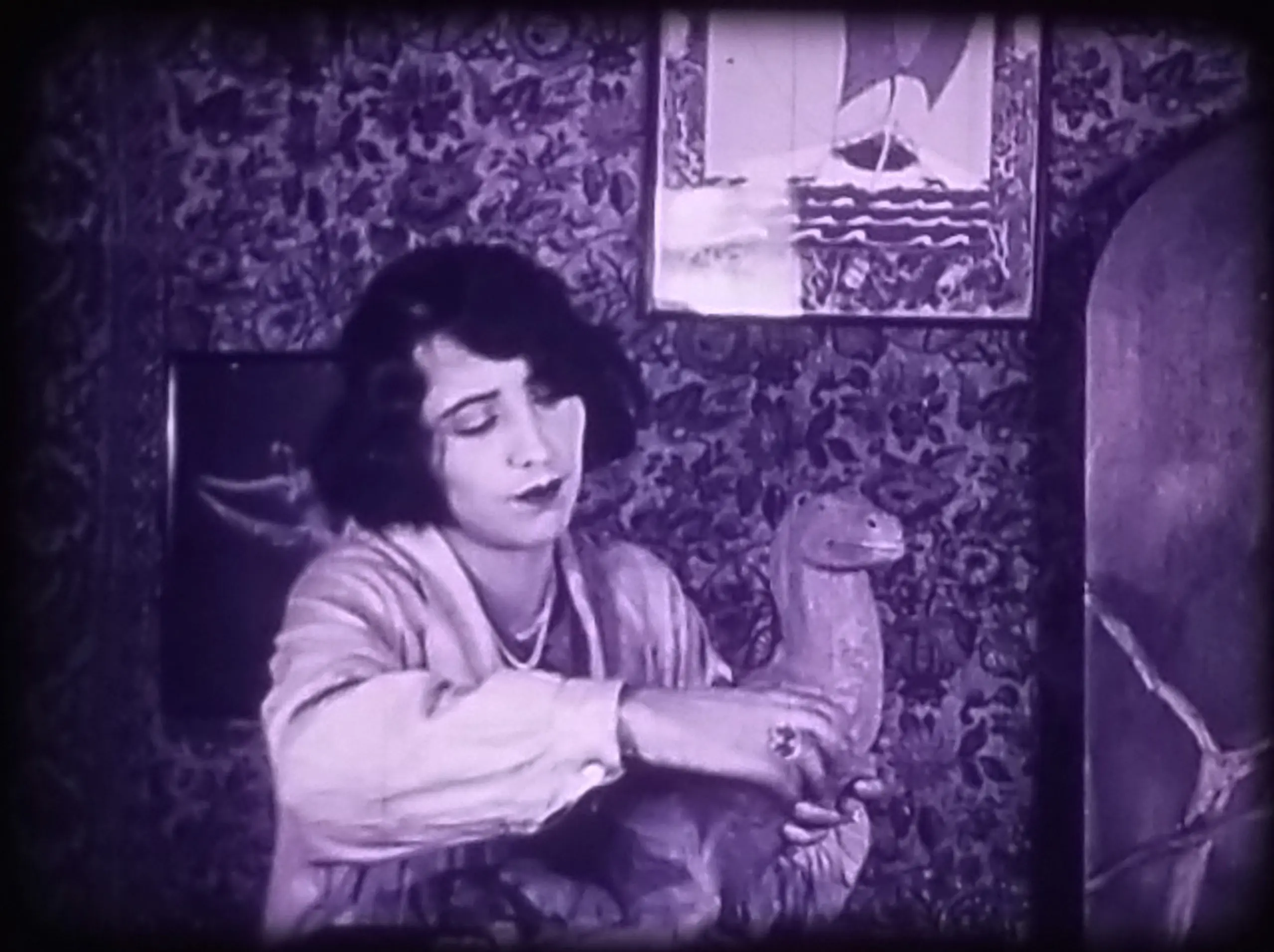
As the film unfolds, May is seen at work, meticulously crafting her prehistoric models with precision and attention to detail. The camera lingers on her hands, highlighting the intricate process of shaping and molding the clay, as the soundtrack – though silent – is filled with the implicit sounds of scraping, chiseling, and gentle shaping. This opening sequence serves as a masterclass in observational filmmaking, drawing the viewer into the intimate world of the artist and her craft.
The true magic of Monsters of the Past, however, lies in its stop-motion sequences, which bring May's dinosaurs to life in a series of epic battles. The special effects, though rudimentary by modern standards, retain a certain charm and naivety, evoking a sense of wonder and enchantment. As the creatures clash and roar – their movements punctuated by the staccato rhythm of the stop-motion technique – the film transcends its documentary origins, becoming a work of science fiction and fantasy.
The dark orange hues of the dinosaur models, set against the drab, monochromatic backdrop of the studio, serve as a visual metaphor for the clash between the ancient and the modern. May's creations, imbued with a sense of primordial power, seem to embody the very essence of a bygone era, one that is both familiar and yet, irretrievably lost. This juxtaposition of old and new, of art and science, lies at the heart of Monsters of the Past, a film that defies easy categorization, existing at the intersection of documentary, fantasy, and art house cinema.
In comparison to other films of the era, such as The Decoy or Die Pagode, Monsters of the Past stands out for its unique blend of artistic and scientific curiosity. While films like Where's My Wandering Boy Tonight? and Birds of a Feather rely on more conventional narrative structures, Monsters of the Past embraces an experimental approach, one that prioritizes the observational and the fantastical over traditional storytelling.
The influence of Monsters of the Past can be seen in later films, such as When Paris Loves and All Night, which also explored the intersection of art and technology. However, the 1923 film remains a singular work, one that continues to captivate audiences with its timeless themes and innovative techniques. As a testament to the enduring power of silent cinema, Monsters of the Past remains an essential viewing experience, a yellow brick road that leads the viewer down a path of discovery and wonder.
The sea blue tones that dominate the film's palette serve as a reminder of the dreamlike quality that pervades Monsters of the Past. As the dinosaurs roam and battle, their movements seem almost ethereal, as if they are trapped in a world of perpetual twilight, a realm that exists beyond the boundaries of time and space. This sense of timelessness is a hallmark of the film, a quality that allows it to transcend its historical context, speaking to audiences on a fundamental, almost primal level.
In the end, Monsters of the Past is a film that resists easy categorization, a work that exists at the nexus of art, science, and fantasy. As a testament to the power of silent cinema, it remains a vital and essential viewing experience, one that continues to inspire and captivate audiences with its timeless themes and innovative techniques. Whether viewed as a historical artifact, a work of art, or a piece of science fiction, Monsters of the Past is a film that will continue to haunt and enchant viewers, a dark orange ember that glows brightly in the firmament of cinematic history.
For viewers seeking to explore more films from the same era, The Marathon, Mother, I Need You, and Ramona offer a glimpse into the diverse and vibrant cinematic landscape of the 1920s. Similarly, films like Give Her Gas, Daughter of the Night, and The Gift Girl provide a fascinating insight into the social and cultural context of the time, highlighting the complexities and nuances of human experience.
As a work of cinematic art, Monsters of the Past continues to inspire and influence filmmakers, its innovative techniques and timeless themes remaining a source of fascination and wonder. Whether viewed as a historical artifact, a work of art, or a piece of science fiction, this 1923 film remains an essential viewing experience, a testament to the power of silent cinema to captivate and enchant audiences. As the sea blue tones of the film's palette fade into the darkness, the viewer is left with a lasting impression, a sense of awe and wonder that lingers long after the credits have rolled.
IMDb 4.6
1924
Community
Log in to comment.