DbcultAccessing Vault...
Cult Review
Senior Film Conservator
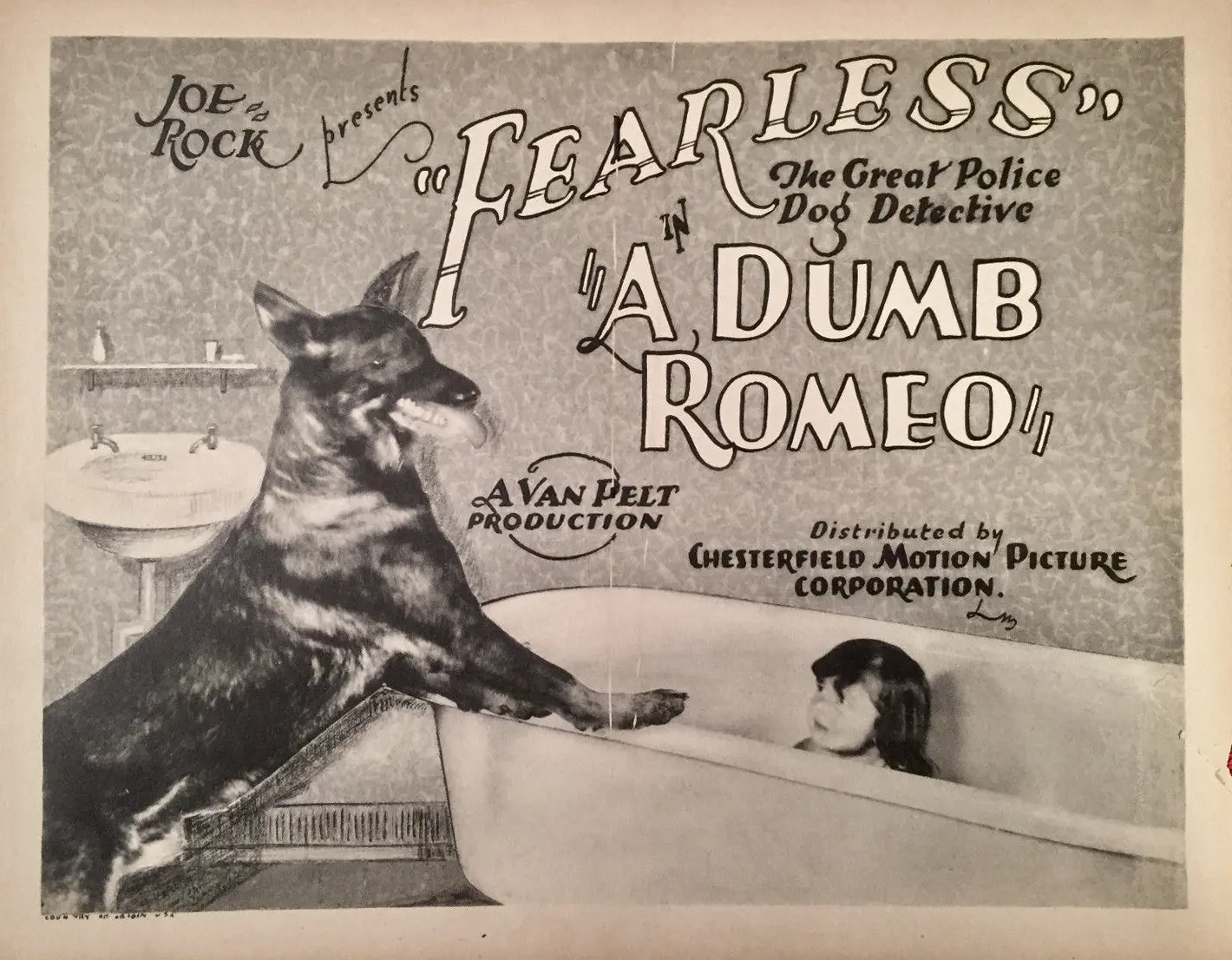
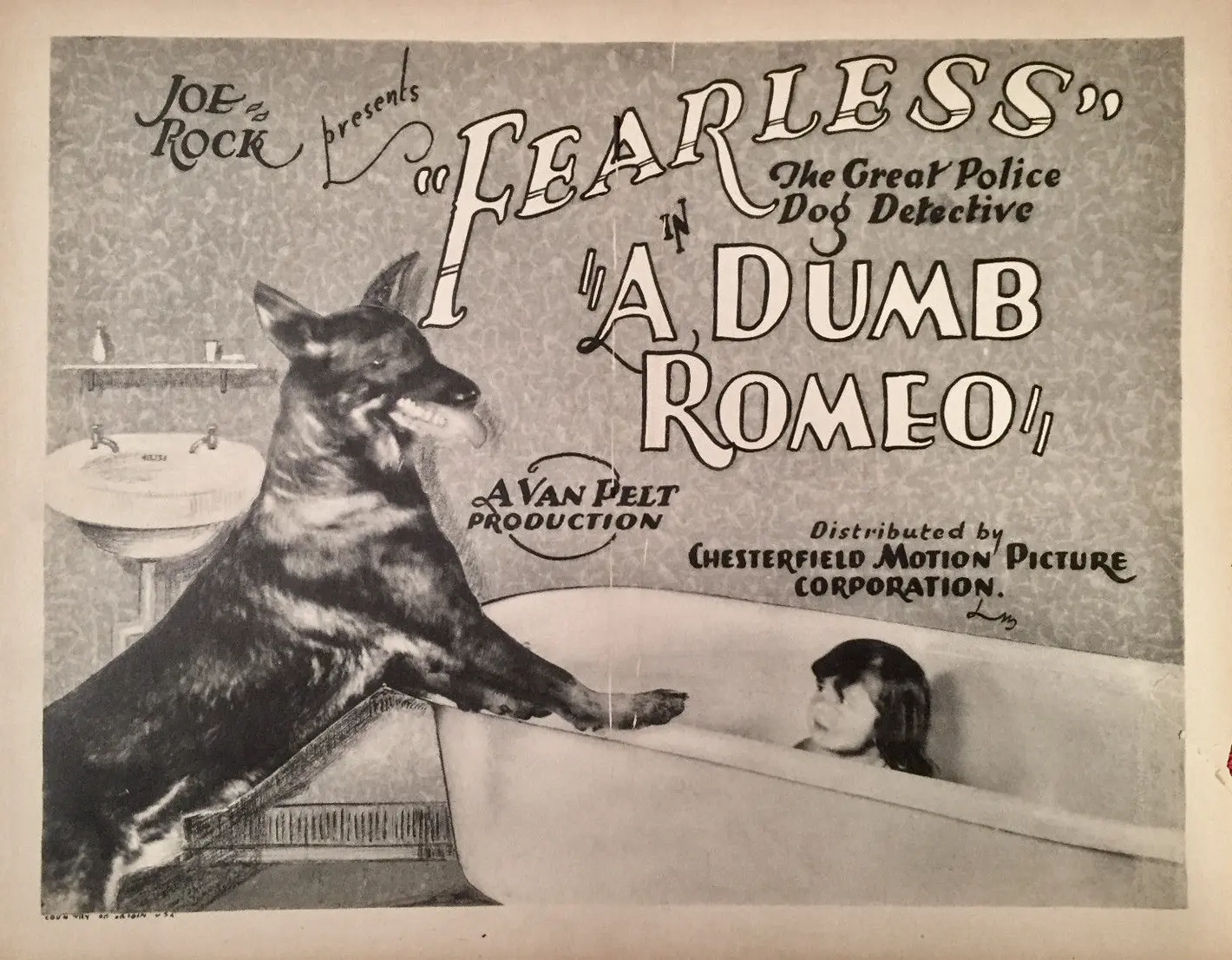
Is the 1925 silent feature Dumb Romeo actually worth your attention in the age of high-definition blockbusters? Short answer: yes, but only if you view it as a fascinating artifact of animal-led storytelling rather than a serious crime thriller.
This film is specifically for historians of the silent era and those who find genuine joy in the 'wonder dog' subgenre that dominated early Hollywood. It is absolutely not for viewers who demand complex character arcs or high-octane action sequences that don't involve a terrier jumping over a fence.
This film works because Fearless the Dog delivers a performance that is surprisingly more nuanced than the human actors surrounding him. This film fails because the central pearl-theft mystery is resolved with such abruptness that it feels like an afterthought. You should watch it if you want to understand how 1920s directors utilized animal stars to bypass the limitations of early dialogue-free acting.
In the mid-1920s, the industry was obsessed with animal stars. While Rin Tin Tin was the king of the box office, films like Dumb Romeo allowed smaller, more agile dogs like Fearless to showcase a different kind of charisma. Unlike the stoic heroics seen in The Last Frontier, Fearless brings a frantic, almost comedic energy to the screen. His performance is defined by a series of head tilts and frantic paws that convey more urgency than Bruce Gordon’s stiff-upper-lip heroics.
One specific scene stands out: when Fearless finds the first clue of the pearl thief. He doesn't just bark; he examines the ground with a methodical pace that mirrors the detective work found in much later noir films. It’s a moment of pure physical acting. The dog isn't just following a trainer's hand; he’s inhabiting a role. This kind of animal agency was a staple of the era, yet here it feels oddly personal.
The romance with Tricksy is where the film takes an unconventional turn. Most films of this period, such as A Son of Erin, focused on human courtship. Here, the director spends significant runtime on the 'dialogue' between the two dogs. It is brutally simple. It works. But it’s flawed. The anthropomorphism is heavy-handed, yet you can’t help but root for the two canines over the bland human leads.
The plot of Dumb Romeo is as thin as the celluloid it was shot on. A pearl thief is on the loose—a common trope that we see executed with more gravitas in Ultus, the Man from the Dead. However, here the crime is merely a backdrop for canine acrobatics. The pacing is uneven; the film lingers too long on the 'Romeo' aspects of the dog’s life and then rushes through the climax of the heist recovery.
Compare this to the structural integrity of The Payment. While that film understands the slow burn of a reveal, Dumb Romeo treats its mystery like a game of fetch. The thief is identified almost immediately, and the 'chase' is less about suspense and more about showing off how fast Fearless can run through a wooded clearing. It lacks the psychological depth found in Isterzannye dushi, but it makes up for it with sheer, unadulterated kinetic energy.
The inclusion of Grace Cunard in the cast is a major talking point for film buffs. Cunard was a powerhouse of the silent era, often writing and directing her own material. In Dumb Romeo, her presence adds a layer of professional polish to a production that might otherwise feel like a home movie. Her interactions with Jack Mower provide the only human scenes that don't feel entirely wooden, though they are still overshadowed by the dog.
Directing an animal-centric film in 1925 was no small feat. The camera work is largely static, typical for the period, but there are flashes of brilliance in how the director captures the dog’s eye level. By lowering the tripod, the audience is forced into Fearless's perspective. This immersive technique is something we take for granted today, but in the context of 1920s cinema, it was a bold choice that elevated the dog from a prop to a protagonist.
The lighting is functional, if uninspired. Most of the film is shot in natural outdoor light, which gives it a gritty, realistic texture that contrasts sharply with the more stylized, indoor sets of Pampered Youth. There is a specific moment during the final confrontation in the woods where the dappled sunlight through the trees creates a genuine sense of atmosphere. It’s one of the few moments where the cinematography matches the ambition of the canine lead.
However, the editing is where the film shows its age. The transitions between the pearl-theft plot and the dog-romance plot are jarring. One moment we are in a high-stakes investigation, and the next, we are watching Tricksy play with a ball. It’s a tonal whiplash that would be unacceptable in a modern production like The Exiles, yet it possesses a certain primitive charm here.
Dumb Romeo is a historical novelty rather than a cinematic essential for the casual viewer. It offers a charming look at 1920s animal-led entertainment and showcases the incredible training of Fearless the Dog. However, its simplistic plot and dated humor may bore those used to modern pacing and complex narratives. It remains a 'must-watch' only for those dedicated to the evolution of the silent film medium.
Pros:
- Incredible canine stunts that still impress today.
- Short runtime makes it an easy watch for silent film beginners.
- Historical significance of seeing Grace Cunard on screen.
Cons:
- The 'pearl theft' plot is incredibly weak and resolved too quickly.
- Some of the human acting is stilted, even by silent film standards.
- The tonal shifts between comedy and crime are clunky.
Dumb Romeo is a curious piece of cinema history. It isn't a masterpiece, and it doesn't try to be. It is a vehicle for a dog star, and in that specific mission, it succeeds wildly. Fearless the Dog has more screen presence than many modern A-listers, and his 'romance' with Tricksy is genuinely endearing. While the human elements of the film are forgettable, the canine heroics make it a worthwhile watch for anyone interested in the roots of Hollywood's obsession with our four-legged friends. It's a bit like The Fighting Brothers but with more fur and fewer fistfights. If you go in with adjusted expectations, you’ll find a film that is as charming as it is 'dumb.'
IMDb 4.2
1924
Community
Log in to comment.