DbcultAccessing Vault...
7/10
Senior Film Conservator
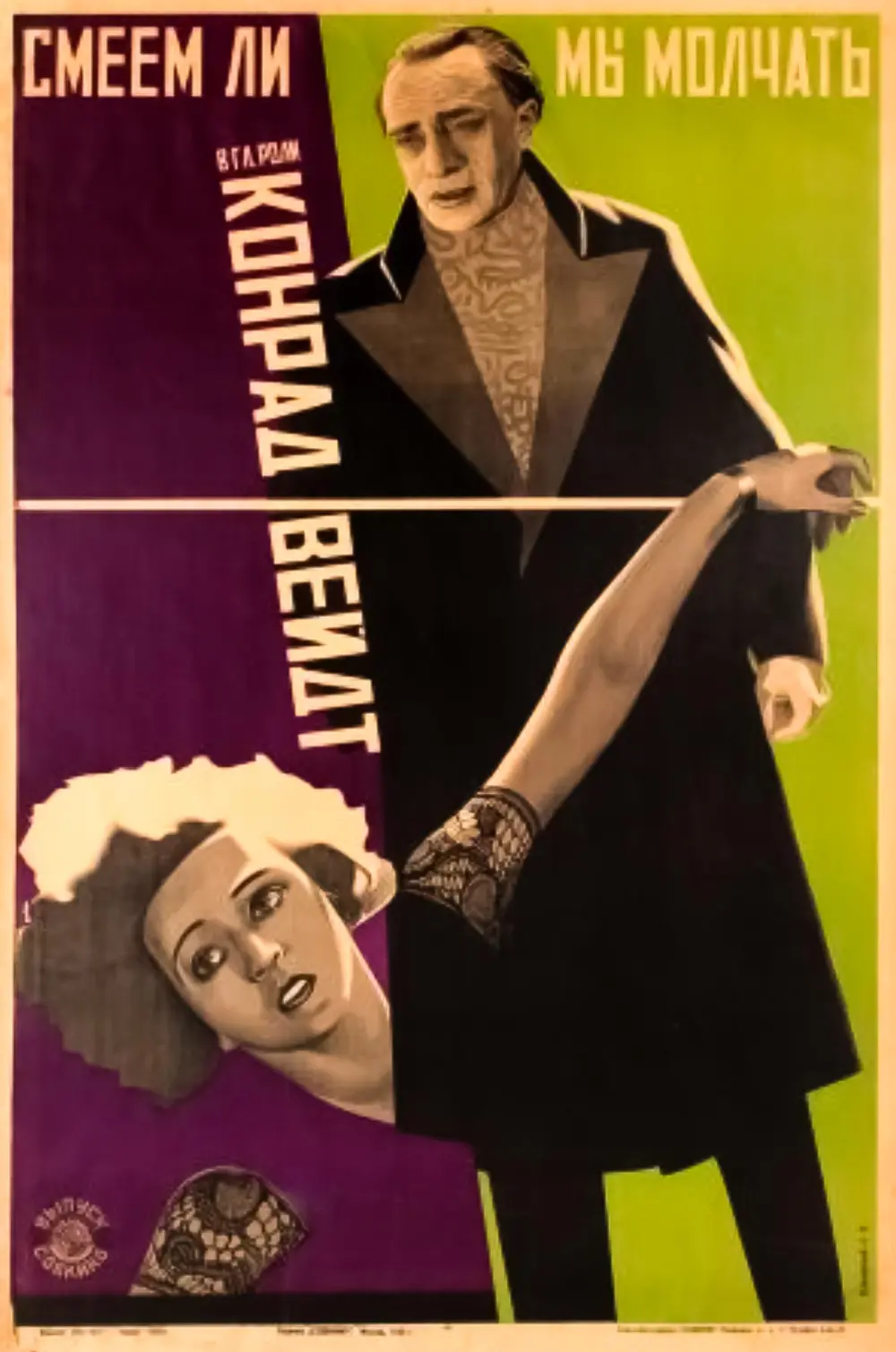
A definitive 7/10 rating for a film that redefined the boundaries of cult cinema. Dürfen wir schweigen? remains a cornerstone of transgressive art.
Short answer: Yes, but it requires a strong stomach and a willingness to confront the reality of human suffering. Dürfen wir schweigen? is a raw, unflinching portrayal of a painter's descent into illness and despair. This film is not for the faint of heart, but for those interested in exploring the depths of human experience, it is a profound and moving piece of cinema.
This film is a poignant examination of the human condition and the choices we make when faced with our mortality. It is a must-watch for those who appreciate complex, character-driven stories, but it may not be suitable for all audiences.
This film works because of its unflinching portrayal of a man’s inner struggle. Walter Rilla's performance is the heart of the film, capturing the pain, the pride, and the despair of a man facing his own mortality. His every movement, every line, conveys the weight of his illness and the isolation it brings. The cinematography, with its lush period settings and stark contrasts, enhances the emotional intensity of the story. The supporting cast, including Mary Parker and Ernö Verebes, also shine in their roles, adding layers of complexity to the narrative.
This film fails because of its overlong and sometimes repetitive scenes. While the film is deeply emotional, some sequences drag on unnecessarily, and the pacing can be uneven. The narrative at times feels overly didactic, and the focus on Walter's illness can overshadow the broader themes of the film. Additionally, the film's reliance on a single dramatic arc can make it feel more like a biography than a broader exploration of the human experience.
You should watch it if you are interested in exploring the depths of human suffering and the choices we make in the face of mortality. This film is a powerful portrayal of a man's inner struggle, and it is a must-watch for those who appreciate complex, character-driven stories. It is not for the faint of heart, but for those willing to confront the reality of human suffering, it is a profound and moving experience.
Walter Rilla delivers a powerhouse performance as the titular character, Walter. His every line and movement is imbued with a sense of suffering and pride. Mary Parker and Ernö Verebes also stand out in their supporting roles, bringing depth and nuance to their characters. The supporting cast, including Conrad Veidt and Fritz Kortner, add a rich tapestry of emotion to the film, making it a truly ensemble effort.
Richard Oswald's direction is a masterclass in storytelling. His ability to capture the essence of the period and the emotional depth of the characters is remarkable. The film is a visual feast, with a rich palette of colors and a sense of elegance that is both beautiful and haunting. However, the pacing can be uneven, and some sequences drag on unnecessarily, which can detract from the overall impact of the film.
The cinematography is one of the film's strongest aspects. The lush period settings are captured with a sense of beauty and elegance, while the stark contrasts between light and darkness enhance the emotional intensity of the story. The film's use of color is particularly striking, with a palette that is both rich and moody. However, the film's reliance on a single dramatic arc can make it feel more like a biography than a broader exploration of the human experience.
The pacing of the film can be uneven, with some sequences dragging on unnecessarily. The film's focus on Walter's illness can sometimes overshadow the broader themes of the film, and the narrative can feel overly didactic at times. However, the film's ability to capture the emotional intensity of the story is undeniable, and the pacing is ultimately a matter of personal preference.
The tone of the film is a mix of elegance and sorrow. The film captures the beauty of the period while also conveying a sense of loss and despair. The film's use of music is particularly effective, with a score that enhances the emotional intensity of the story. However, the film's reliance on a single dramatic arc can make it feel more like a biography than a broader exploration of the human experience.
While Dürfen wir schweigen? is a deeply emotional and powerful film, it is not for everyone. If you are interested in exploring the depths of human suffering and the choices we make in the face of mortality, this film is a must-watch. However, if you are looking for a light and uplifting film, this may not be the right choice. The film's ability to capture the emotional intensity of the story is undeniable, and it is a truly remarkable piece of cinema.
It works. But it’s flawed. Dürfen wir schweigen? is a deeply emotional and powerful film that explores the depths of human suffering and the choices we make in the face of mortality. While it is not for everyone, it is a must-watch for those interested in exploring the human condition. The film's ability to capture the emotional intensity of the story is undeniable, and it is a truly remarkable piece of cinema. However, the film's focus on Walter's illness can sometimes overshadow the broader themes of the film, and the pacing can be uneven. Ultimately, this film is a powerful and moving experience that is not to be missed.
IMDb 7.4
1927
Community
Log in to comment.