Themes of Duality and Moral Decay
The Fractured Self: A Study in Contrasts
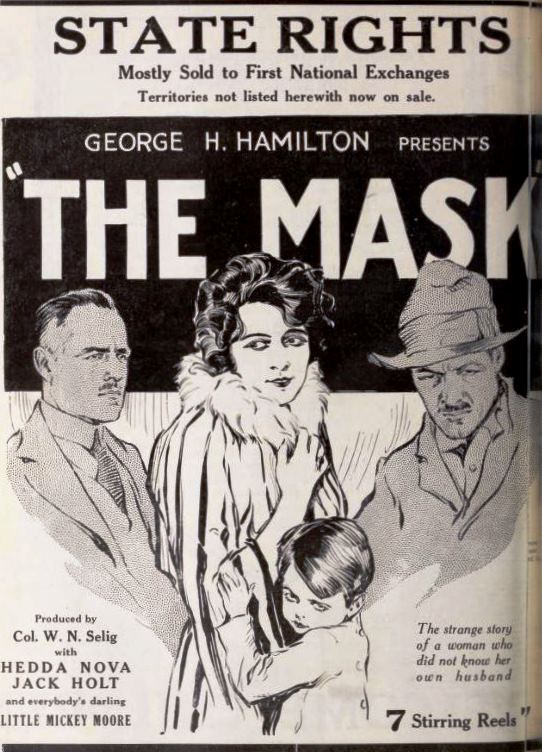
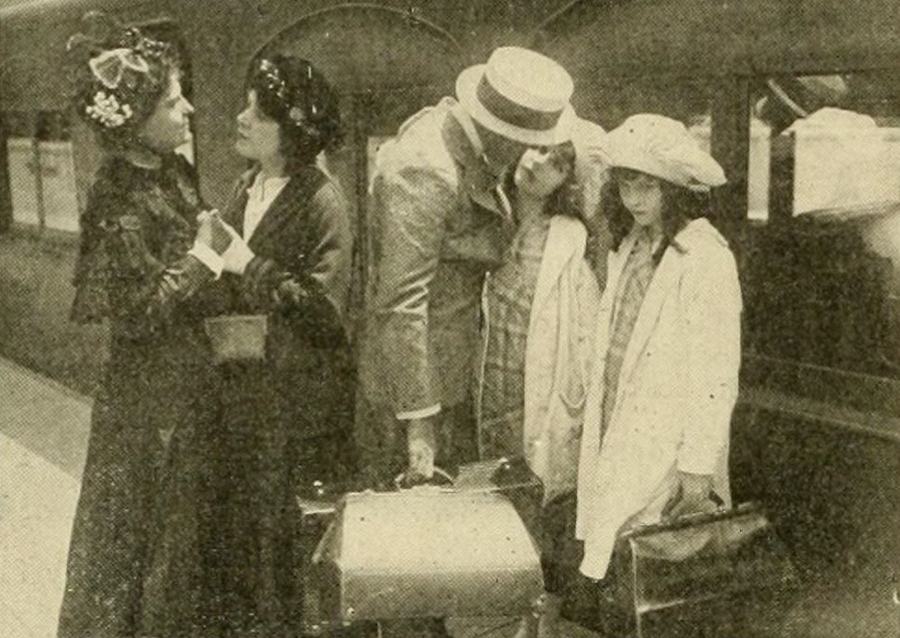
The film’s opening act is a masterclass in foreshadowing. Kenneth Traynor, a man of rigid pragmatism, embodies the bourgeois ideal—his demeanor clipped, his interactions with the diamond mine workers devoid of warmth. Yet his reunion with Jack, the twin who has embraced a life of recklessness, sets the stage for a collision of worlds. Jack’s unkempt appearance and erratic speech patterns contrast starkly with Kenneth’s calculated precision. This dichotomy is not merely physical; it is a philosophical clash. Kenneth represents order and capitalist ambition, while Jack, with his hedonistic spontaneity, symbolizes chaos. The ship explosion, though a narrative pivot, feels inevitable in its symbolic weight—a literal erasure of identity, leaving only the void for Keralio to exploit.
Keralio’s Web: The Machinations of Desire
Signor Keralio’s entrance is a calculated intrusion. His suave demeanor and practiced smile mask a mind steeped in manipulation. The film’s dialogue here is sparse but loaded: Keralio’s proposition to Jack is delivered with a quiet menace, a whisper of “fortune awaits” that drips with ulterior motives. The audience senses his true intent long before the characters do—a testament to the film’s layered storytelling. Keralio’s role as both enabler and antagonist mirrors the themes of *The Girl and the Crisis*, where societal pressures warp individual agency. His manipulation of Mrs. Traynor, particularly the scene where he forces his “attentions” upon her, is a chilling exploration of patriarchal entitlement cloaked in grief.
Performances: Shadows and Light
Hedda Nova: The Embodiment of Vulnerability
Hedda Nova’s portrayal of Mrs. Traynor is a study in restraint and pathos. Her grief is not overt but simmering beneath the surface—subtle glances at photographs, a trembling hand adjusting a veil. When she confronts the impostor, her performance shifts from quiet despair to a fragile determination. The scene where she glances at the real Kenneth through the door is a tour de force: her eyes widen in recognition, yet fear paralyzes her. This duality—a woman torn between disbelief and the gnawing suspicion of fraud—echoes the emotional complexity found in *Modernaen Øjne*, where female protagonists grapple with societal invisibility.
Jack Holt: The Twin’s Torment
Jack Holt’s transformation from wayward brother to tormented imposter is nuanced. His early scenes with Kenneth are marked by a defensive bravado, but as the fraud deepens, his eyes betray a growing guilt. The final act, where he recognizes his brother and momentarily reverts to his true self, is a revelation. Holt’s physicality—his slumped posture, the way he avoids eye contact with Mickey—adds layers to Jack’s internal conflict. This portrayal rivals the conflicted duality in *Two Knights*, where honor and betrayal are similarly entwined.
Visual Storytelling: A Silent Language
Lighting as Metaphor
The film’s use of chiaroscuro is both aesthetic and thematic. In the Traynor home, the lighting is stark: harsh shadows dominate rooms, casting Keralio in an ominous glow. Conversely, scenes of the mine are bathed in muted tones, the diamonds’ sparkle a cruel irony against the workers’ squalor. The most striking use of light occurs when Kenneth returns—his demented state is visualized through flickering lamps and jagged reflections in mirrors, a silent scream of his fractured psyche. This technique rivals the visual poetry of *Emerald of Death*, where color symbolism takes center stage.
Set Design: The Architecture of Deception
The ship’s explosion is rendered in a single, devastating shot: the camera tilts upward as the vessel disintegrates, a literal and metaphorical unmaking. The Traynor house, by contrast, is a cage of gilded surfaces—polished wood, heavy drapes, and furniture that looms like sentinels. When Kenneth reappears, the set mirrors his mental state: the once-orderly home now feels claustrophobic, the furniture angles jarring. This visual dissonance is reminiscent of *Les amours de la reine Élisabeth*, where royal opulence masks political rot.
Comparative Analysis: Echoes in Cinema’s Echo Chamber
La gola and The Web of Desire
*The Mask* shares DNA with *La gola* in its exploration of greed as a corrosive force. Both films depict characters who trade morality for ambition, though *The Mask* adds the twist of familial betrayal. The deception in *The Web of Desire* is more romantic, its characters entangled in love triangles, whereas *The Mask*’s deception is rooted in identity itself. The film’s psychological stakes are amplified by the lack of dialogue—a silent scream made visceral through expression and gesture.
Hearts and Arts: A Distant Cousin
While *Hearts and Arts* leans into melodrama’s overwrought tropes, *The Mask* tempers its drama with restraint. The silent format forces the audience to read between the lines, a skill that *Hearts and Arts* often sacrifices for overt sentimentality. Yet both films use mirrors and reflections to symbolize fractured identities, a motif that feels more earned in *The Mask* due to its tighter narrative focus.
The Foolish Virgin and The Fixer
*The Foolish Virgin*’s naivety contrasts sharply with *The Mask*’s jaded realism. Where the former uses innocence as a narrative device, the latter weaponizes it—Mickey’s uncorrupted perception becomes the key to unmasking the fraud. Similarly, *The Fixer* deals with deception but in a political context; *The Mask*’s deception is personal, making the stakes more intimate and emotionally resonant.
Legacy and Relevance
A Blueprint for Modern Thrillers
The film’s conceit of identity fraud—perpetrated by a twin—has since become a trope in cinema, from *The Parent Trap* to *Gone Girl*. Yet *The Mask*’s execution feels ahead of its time. Its exploration of mental health in Kenneth’s demented return prefigures modern discussions on trauma, particularly in films like *Betrayed*, where psychological disintegration is central to the plot. The film’s ending, where Kenneth momentarily regains clarity before descending again, is a haunting commentary on the fragility of the self—a theme that resonates in today’s fractured digital identities.
The Silent Film’s Enduring Power
Decades after its release, *The Mask* remains a testament to the silent film’s capacity for nuance. Without dialogue, the actors’ expressions and the director’s framing must carry the narrative’s weight. This economy of storytelling is a lesson for modern cinema, where CGI and soundtracks often drown subtlety. The film’s influence can be seen in *The Hindu Nemesis*, where visual cues replace exposition to build suspense. In an age of information overload, *The Mask* reminds us that sometimes, the unspoken speaks loudest.