DbcultAccessing Vault...
Cult Review
Senior Film Conservator
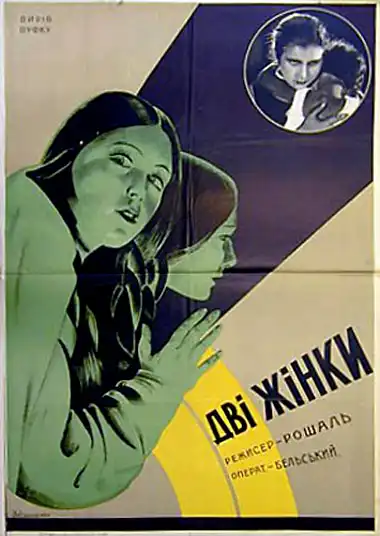
Alright, so if you’re thinking of settling in for Dve zhenshchiny from 1930, you gotta set your expectations right. This isn't a Friday night popcorn flick, not by a long shot. It’s for the folks who really dig into film history, or those who want to see how stories were told back then, especially in the Soviet Union. If you need quick cuts and constant dialogue, you’ll probably be checking your watch within the first twenty minutes. But if you’re patient and into visual storytelling, this one’s got some **striking moments**.
The film, as the title implies, centers on two women. We don't get much in the way of deep character introductions, at least not in the way modern movies do. It’s more about their presence, their struggles within this very specific world. The Heir to the Hoorah, say, from a different era, might give you more of a character arc, but here it's about the bigger picture.
What really sticks with you from Dve zhenshchiny is the imagery. There are these wide shots of the countryside, vast and a bit desolate, that really make you feel the scale of things. It’s almost like the landscape itself is a character.
And the close-ups, when they happen, are **super intense**. Yuliya Solntseva has this look in her eyes during one particular scene, just after a crowd disperses, that tells you so much without a single word. You feel her internal struggle, her quiet determination, even if you’re not entirely sure what she’s struggling with.
The pacing, though. Oh boy, the pacing. It’s definitely of its time. Scenes linger. I mean, they really, really linger. A shot of someone walking across a field might last a good minute, just watching them get from one side to the other. You can almost feel the director saying, "No, don't rush this. Just watch." 🚶♀️
It’s not slow in a boring way, necessarily, but it asks a lot of you. You have to lean in, interpret the expressions, the body language. Because there’s not a ton of exposition.
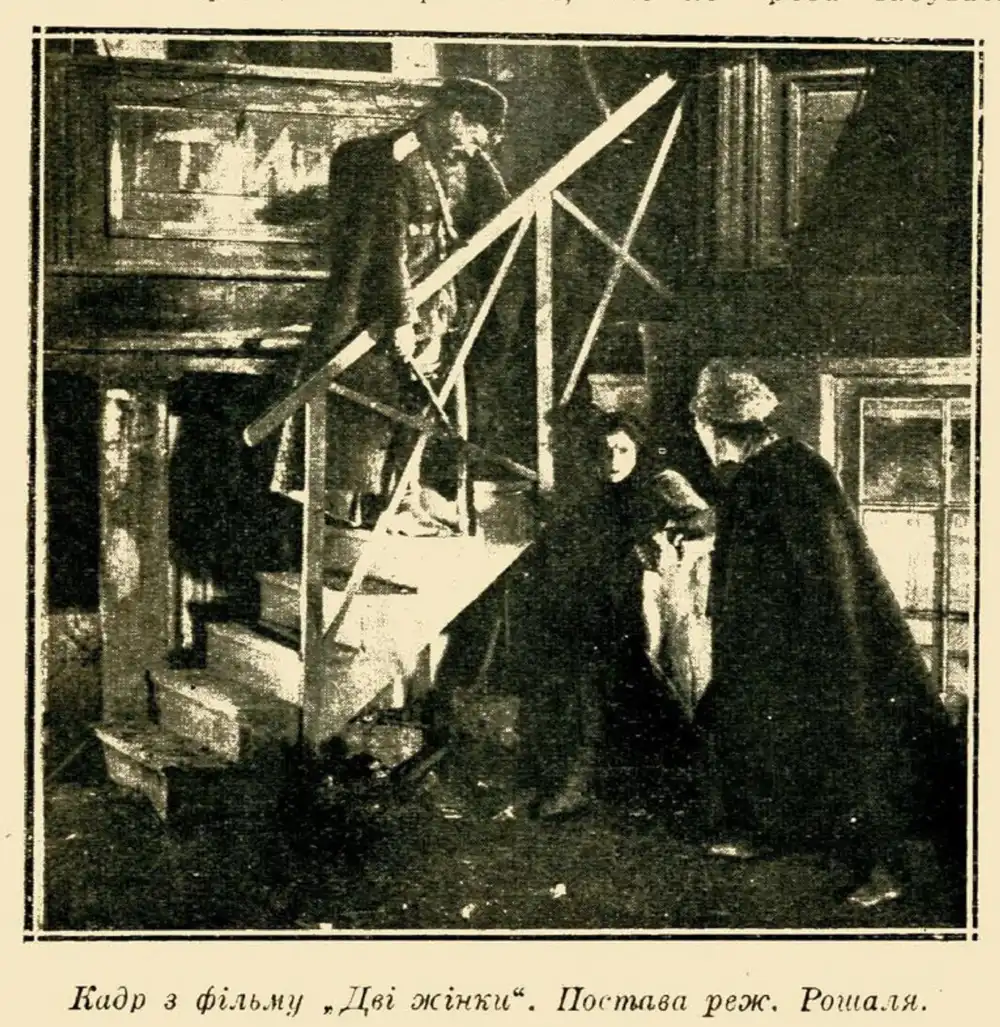
One of the women, played by Sofya Yakovleva, often appears framed by a doorway or window. It gives her a really trapped feeling, even when she's trying to assert herself. Like, the architecture itself is part of her confinement. It’s a neat trick.
I found myself wondering about the logistics of making films back then. The camera movements are surprisingly fluid in some spots, then quite static in others. It's a real mixed bag. You can tell they were experimenting, figuring things out.
This movie feels like a snapshot of a moment. You get the sense of big changes happening, even if the actual plot points are a little murky to a modern viewer. The costumes are simple, practical. Everyone looks like they're working hard, all the time.
There's a sort of **grim determination** running through a lot of the characters. Smiles are rare. When someone does smile, it feels earned, or perhaps a little out of place. It’s a serious film about serious times, for sure.
You know, for a film from 1930, it’s remarkably un-fussy. There are no grand speeches, no over-the-top melodrama. Just people, trying to exist. It's kinda refreshing, actually, if you can settle into its rhythm.
It definitely won't be for everyone. My friend, who loves action films, would probably riot. But for someone looking to understand early Soviet filmmaking, or just appreciate the artistry of a bygone era, Dve zhenshchiny offers a lot to chew on. Just don’t expect a clear-cut story with a neat ending. It’s more of an experience. 🎞️
IMDb —
1927
Community
Log in to comment.