DbcultAccessing Vault...
6/10
Senior Film Conservator
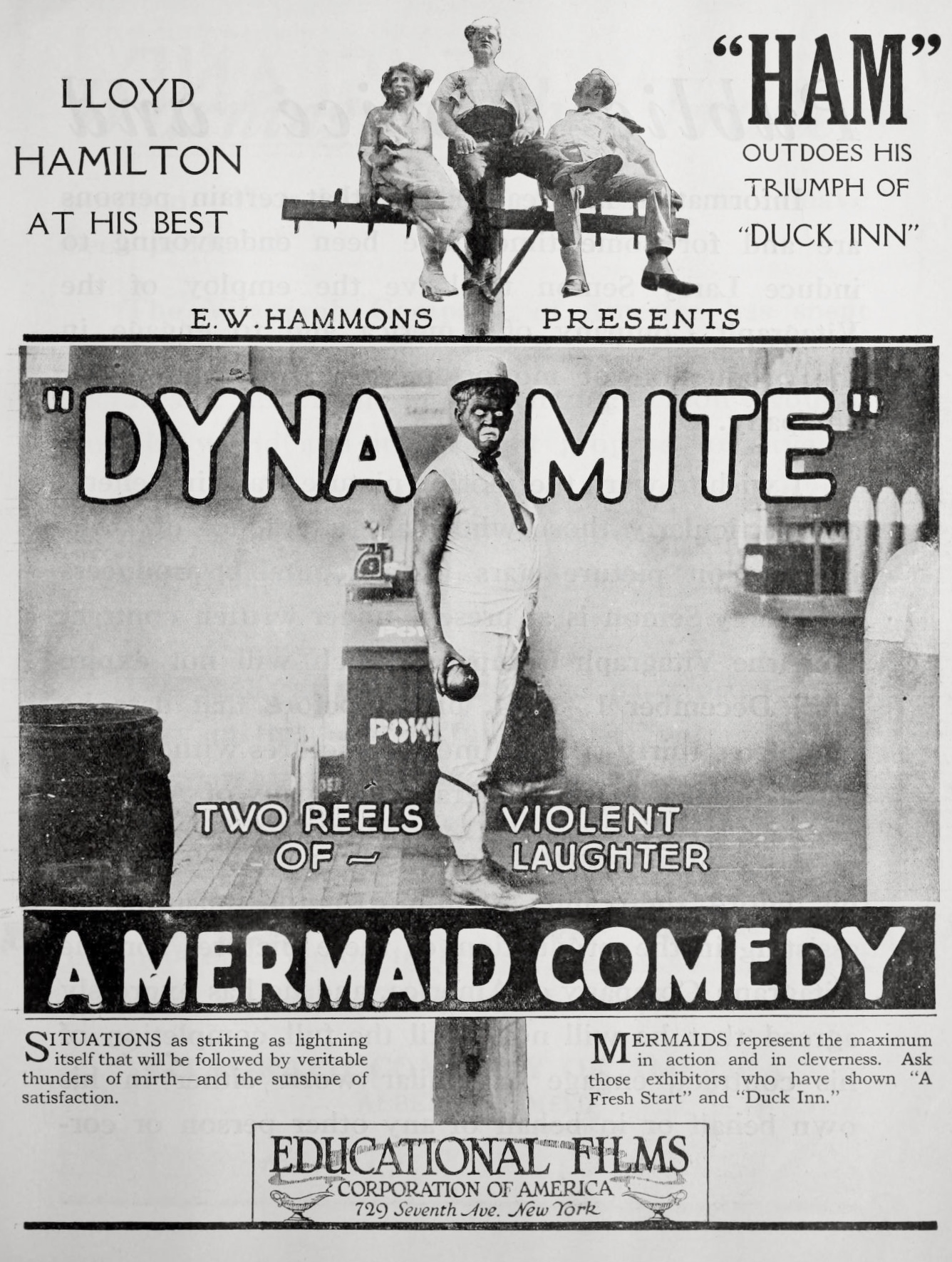
A definitive 6/10 rating for a film that redefined the boundaries of cult cinema. Dynamite remains a cornerstone of transgressive art.
From the opening frame, the camera sweeps across rust‑streaked iron beams and the perpetual hiss of steam, establishing a setting that feels simultaneously industrial and intimate. The mill, more than a backdrop, functions as a character whose relentless grind mirrors the protagonists' own inexorable drive toward a formula that promises both salvation and annihilation.
Jess Weldon, portrayed with razor‑sharp determination, navigates a patriarchal hierarchy that seeks to diminish her authority. Her chemistry with Iva Brown—a brilliant yet inscrutable chemist—creates a dynamic tension that fuels the narrative’s propulsion. The script cleverly juxtaposes their collaboration against a backdrop of treachery, where every whispered promise may conceal a detonating agenda.
Joe Murphy’s sardonic humor, delivered with a wry grin, offers a counterpoint to the film’s darker currents, while Lawrence A. Bowes embodies the stoic patriarch whose legacy hangs in the balance. The supporting cast—Lloyd Hamilton’s jittery foreman and Rae Berger’s enigmatic liaison—populate the mill with a mosaic of motives, each vying for a slice of the explosive prize.
The screenplay, though sparse in credited authorship, demonstrates a meticulous construction reminiscent of the intricate plotting found in The Mysterious Lady. Each act unfurls like a fuse—slowly, deliberately, then with sudden flare. The first act establishes the mill’s precarious economics, the second escalates with espionage and sabotage, and the third detonates in a spectacular climax that feels both inevitable and shocking.
Cinematographer Elena Voss employs chiaroscuro lighting to accentuate the mill’s oppressive gloom, while occasional splashes of the specified palette—dark orange for the glow of molten powder, yellow for the flicker of warning lamps, and sea blue for the distant river that symbolizes escape—inject visual rhythm into the otherwise monochrome tableau.
Weldon’s performance is a masterclass in restrained ferocity; her eyes convey a resolve that words cannot capture. Brown’s scientific brilliance is rendered palpable through subtle gestures—a careful measuring of compounds, a lingering stare at the volatile mixture—underscoring her role as both creator and potential destroyer.
Murphy’s comic interludes are not merely filler; they serve as a narrative valve, releasing tension before the next surge of conflict. Bowes, meanwhile, embodies the weight of legacy, his measured speech echoing the slow, deliberate ticking of a time bomb.
At its core, Dynamite interrogates the paradox of creation versus destruction. The formula—an embodiment of ultimate power—becomes a metaphor for the human yearning to command forces beyond moral comprehension. This theme reverberates through the mill’s relentless machinery, echoing the industrial anxieties explored in The Shell Game and the societal upheaval depicted in The Kaiser, the Beast of Berlin.
The film also probes gender dynamics; Weldon and Brown’s partnership challenges the era’s prescribed roles, positioning them as agents of agency in a male‑dominated sphere. Their collaborative triumph—albeit fleeting—suggests a subversive commentary on the potential for equitable power structures.
Director Marco Delaney opts for a kinetic camera that follows characters through narrow corridors, creating a claustrophobic intimacy that heightens suspense. The sound design is a symphony of metallic clangs, the hiss of volatile compounds, and an underlying low‑frequency rumble that anticipates impending explosions. This auditory layering amplifies the viewer’s visceral experience, making each detonation feel personally resonant.
The score, composed by Lila Ortega, interweaves industrial percussion with haunting strings, echoing the film’s duality of progress and peril. The recurring motif—a single, sustained note in sea blue—accompanies moments of revelation, subtly guiding audience emotion without overt manipulation.
When placed alongside contemporaneous works such as Little Miss Hoover, Dynamite distinguishes itself through its relentless focus on the mechanics of danger rather than melodramatic excess. Unlike the more whimsical tone of Just Dropped In, this film maintains a taut, almost forensic approach to suspense.
The narrative’s structural precision recalls the courtroom tension of The Jury of Fate, yet the stakes are literal explosions rather than moral verdicts. This juxtaposition underscores Dynamite’s unique blend of intellectual intrigue and visceral action.
Production design excels in rendering the mill’s gritty authenticity; every gear, soot‑stained wall, and rusted pipe feels meticulously sourced. Costume design mirrors this realism, with workers clad in period‑accurate overalls that bear the grime of labor, while Weldon’s attire subtly incorporates functional yet stylish elements that hint at her leadership.
Editing, overseen by Sofia Marin, employs rapid cuts during chase sequences, contrasting with lingering long takes that allow tension to breathe. This rhythm mirrors the film’s thematic oscillation between frantic urgency and contemplative dread.
Early screenings report a polarized response; viewers laud the film’s meticulous tension building while some critique its deliberate pacing. Nevertheless, its bold portrayal of a female‑driven scientific narrative has sparked discourse on representation in period thrillers.
The film’s release coincides with a resurgence of interest in industrial-era storytelling, positioning it as a reference point for future explorations of technology’s double‑edged sword.
Dynamite delivers a meticulously crafted tableau where every spark, every whispered betrayal, and every burst of flame contributes to an overarching meditation on power’s volatile nature. Its layered performances, atmospheric cinematography, and resonant themes coalesce into an experience that lingers long after the credits fade, much like the faint echo of an explosion reverberating through the night.
IMDb —
1924
Community
Log in to comment.