DbcultAccessing Vault...
Cult Review
Senior Film Conservator
Alright, so Dzikuska. If you're someone who loves digging into the dusty corners of cinema history, especially from countries whose early output isn't always front and center, then yeah, this one’s probably worth your time. It's a film for the patient, for those who find charm in the rough edges of pre-war European cinema. If you need slick pacing, modern acting styles, or a story that holds your hand, you'll probably bounce off this pretty hard. It’s certainly not for everyone, but there's something here.
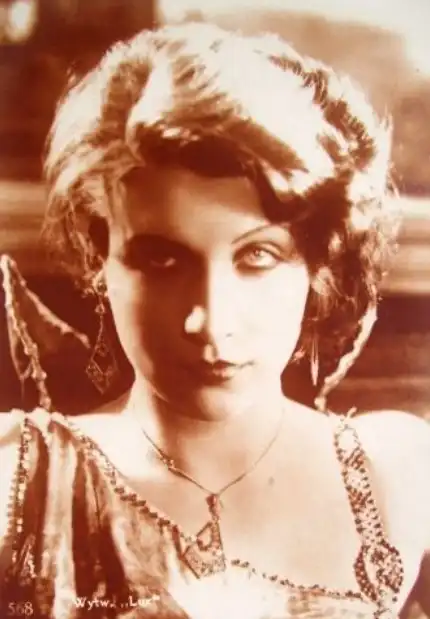
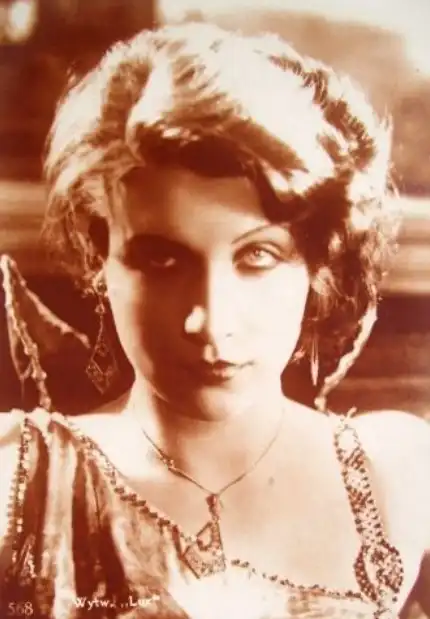
The core of it, as the title implies, is this 'wild girl' character. Maria Malicka plays her with a kind of raw energy that sometimes feels genuinely captivating and other times, well, a little much. There’s a scene early on where she’s introduced, running through what looks like a very manicured 'forest' set, all flailing limbs and wide eyes. It's meant to show her free spirit, but the way the camera struggles to keep up, and the very obvious studio foliage, makes it feel less like untamed nature and more like a stage play shot outdoors. Or, rather, like a stage play shot on a soundstage trying to look outdoors. The shadows are just a bit too crisp.
Her interactions with Aleksander Zabczynski, who plays her somewhat bewildered love interest, are pretty central. Their chemistry is… sporadic. Sometimes it clicks, like a quiet moment on a garden bench where they almost seem to forget the camera. Then, five minutes later, a dramatic confrontation will erupt, and Zabczynski will deliver a line with such stiff formality, you can almost hear the director yelling 'More gravitas!' from off-screen. It pulls you right out of whatever emotional connection you were building.
The pacing is a real rollercoaster. There are long stretches, especially in the middle, where characters just seem to walk around stately homes, exchanging pleasantries that don't really advance anything. One particular dinner scene, meant to highlight the social awkwardness of Malicka's character, just goes on and on. You see Edward Nowina’s character, the stern patriarch, take what feels like a full minute to slowly cut his meat, then slowly bring it to his mouth, while everyone else just stares. It’s supposed to be tense, I think, but it just became genuinely funny after about thirty seconds.
Then, out of nowhere, you get these bursts of almost frantic action or incredibly quick cuts during an argument. It's like they suddenly remembered they had to tell a story. The editing often feels less like a deliberate choice and more like they just stitched together the best takes they had, regardless of flow. There's a particular jump-cut during a heated conversation between Zofia Czaplinska and Janusz Ziejewski that feels like a mistake left in, a character suddenly in a completely different position mid-sentence.
Costume-wise, Malicka’s outfits are fascinating. They’re clearly trying to convey her 'wildness' through slightly less structured dresses or bolder patterns compared to the other women, who are all buttoned-up and demure. But sometimes it just looks like she accidentally grabbed the wrong dress from a different movie set. Like that one scene where she's wearing a dress with what looks like a very modern, almost Art Deco pattern, while everyone else is in lace and velvet. It's a minor thing, but it just sticks out.
What really works, though, are these small, unexpected moments of genuine emotion. There’s a scene where Malicka’s character is alone, looking out a window, and the camera just holds on her face. No dialogue, just her expression shifting, and for a brief second, you really feel her frustration, her longing. It’s not overplayed, it’s just there. It’s a quiet moment that lands far better than any of the big, theatrical outbursts. Zbigniew Sawan, in a supporting role, also has a few of these, a look across a crowded room that says more than pages of dialogue.
The ending, without giving anything away, feels a bit rushed. It tries to tie everything up a little too neatly after all the meandering. You can almost feel the film trying to convince you that all the previous dramatic tension was leading to this very specific, slightly abrupt resolution. It's not entirely unsatisfying, but it doesn't quite earn the emotional weight it's aiming for.
Ultimately, Dzikuska is a curious beast. It's not a masterwork, and it's certainly not 'flawless.' But it’s got personality. It’s got these weird, charming imperfections that make it feel very human, very much a product of its time and place. You might find yourself chuckling at some of the overly dramatic moments, but you'll also likely find yourself leaning in during others, caught by a fleeting glimpse of something genuine. It's a film that asks you to meet it halfway, and if you do, there’s a reward in seeing a piece of cinematic history that doesn’t always follow the rules.
IMDb 5.7
1914
Community
Log in to comment.