DbcultAccessing Vault...
Cult Review
Senior Film Conservator
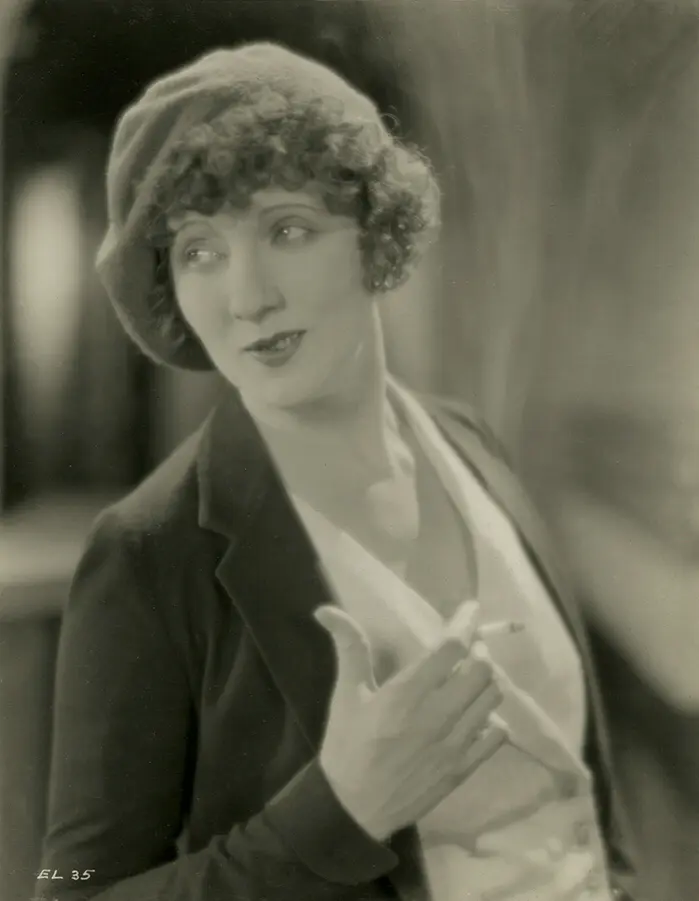
Is Eager Lips worth watching today? Short answer: yes, but with significant caveats that demand a certain appreciation for early cinema and its particular storytelling rhythm. This film is a compelling artifact for enthusiasts of silent-era melodrama and those fascinated by the social mores of the 1920s, offering a window into a bygone era of theatrical performance and moralistic narratives. However, for viewers accustomed to contemporary pacing and nuanced character development, its theatricality and overt moralizing might prove challenging.
This film works because of its surprisingly sharp central performance and its dedication to a clear, if somewhat conventional, narrative arc of innocence imperiled and ultimately redeemed. This film fails because its melodramatic flourishes occasionally tip into outright absurdity, and some supporting characters remain frustratingly one-dimensional. You should watch it if you appreciate the expressive power of silent acting, enjoy period dramas, or are curious about how foundational cinematic tropes were established.
Eager Lips plunges us headfirst into the vibrant, yet morally ambiguous, world of Brooklyn's seaside shows, a setting that feels both authentic and a little fantastical. It’s a place where dreams are peddled alongside cheap thrills, and reputations are as fragile as the painted backdrops. At the heart of this world is Paula, played with an intriguing blend of cynicism and unexpected warmth by Betty Blythe. Paula isn't just a proprietor; she's a survivor, a woman who understands the machinations of her world and navigates them with a pragmatic grace.
Her decision to take Mary Lee, the daughter of a dying actress, under her protection isn't born purely of altruism. There's a hint of obligation, perhaps even a desire to mold this fresh face, but beneath it lies a genuine concern that drives the film's central conflict. Mary Lee, portrayed by Pauline Garon, is introduced as 'innocent,' yet her subsequent actions reveal a headstrong nature, a susceptibility to flattery that makes her less a damsel in distress and more a young woman prone to ill-advised decisions. This subtle subversion of the 'pure maiden' trope is one of the film's more interesting, if perhaps unintentional, aspects.
The antagonist, Tony Tyler, owner of a rival show, is the archetypal philanderer. Fred Warren imbues him with a slick charm that makes his deceit all the more believable. He preys on Mary Lee's naiveté, promising her a future he has no intention of delivering. His character serves as a stark reminder of the dangers lurking beneath the glittering surface of the entertainment industry, a theme that resonates even in modern narratives. It’s a simple story. But its execution is anything but.
The performances in Eager Lips are, as is often the case with silent films, a masterclass in physical acting and exaggerated emotion. Yet, within this broader style, some actors manage to deliver performances that transcend mere pantomime. Betty Blythe, as Paula, is the undeniable standout. Her expressions convey layers of experience, calculation, and underlying protectiveness without the need for extensive intertitles. When she schemes to expose Tony, her eyes gleam with a resolve that speaks volumes about her character's resourcefulness.
Her portrayal avoids the common pitfall of the 'good-hearted madam' stereotype, instead presenting a woman who is complex, morally flexible, but ultimately driven by a fierce loyalty to those she cares for. She doesn't just react; she strategizes. This makes her character arc, arguably, the most compelling in the entire film. She is not merely an observer but an active agent, shaping the narrative through her bold interventions.
Pauline Garon’s Mary Lee, while initially convincing in her wide-eyed innocence, struggles to maintain audience sympathy as her 'headstrong' nature manifests as a stubborn refusal to see the obvious. Her susceptibility to Tony’s charms, despite Paula’s clear warnings, can be frustrating. However, Garon does manage to convey Mary’s ultimate heartbreak and disillusionment with a raw, believable sorrow, particularly in the scenes following Tony’s exposure. It’s a performance that captures the vulnerability of youth, even if that youth is sometimes frustratingly obtuse.
Fred Warren's Tony Tyler is precisely what the role demands: a handsome scoundrel. He projects an air of effortless charm, the kind that easily fools the innocent. His villainy is not particularly deep, but it is effective. He’s a cad, plain and simple, and Warren plays him with a confident swagger that makes his eventual comeuppance all the more satisfying. Gardner James, as Bill Armstrong, Mary Lee's 'true love,' plays the role with earnest sincerity. While he lacks the flash of Tony or the gravitas of Paula, his quiet devotion provides a much-needed anchor of genuine affection amidst the melodrama. It’s a solid, if unspectacular, performance, serving its purpose well to contrast with the superficiality of Tony.
The direction, though uncredited, effectively utilizes the visual language of silent film to tell its story. The setting of the seaside show, with its bustling crowds and theatrical backstages, is captured with an energy that transports the viewer to a specific time and place. There are moments where the camera lingers, allowing the audience to absorb the atmosphere of the Coney Island-esque environment, differentiating it from the more intimate settings of films like Midnight Molly.
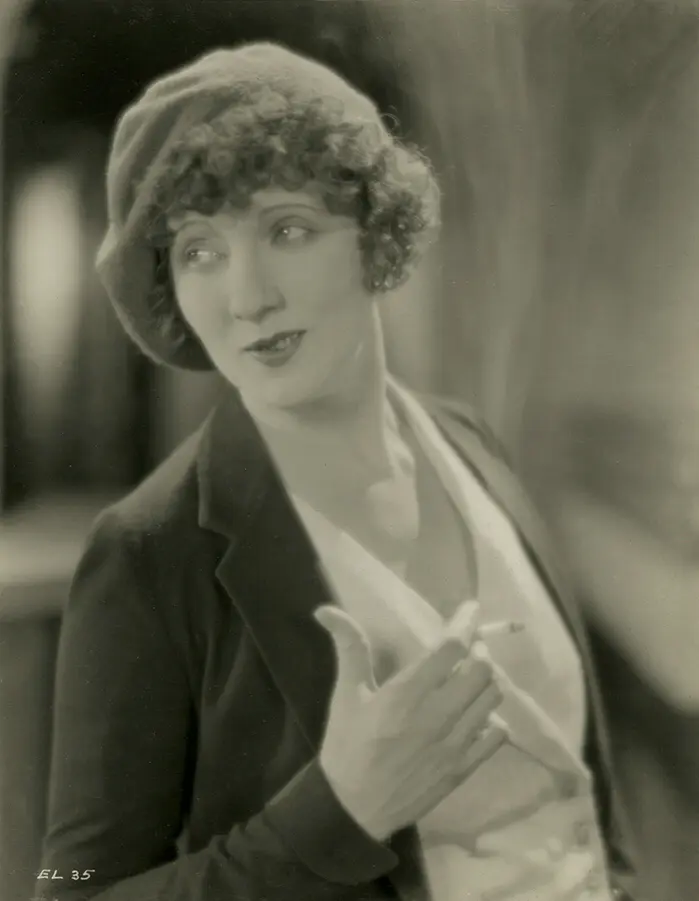
The cinematography, while not groundbreaking by today's standards, is competent and serves the narrative well. Lighting is used effectively to create mood, from the bright, almost garish lights of the show to the softer, more intimate lighting of Paula's private quarters. Close-ups are employed judiciously to emphasize key emotional moments, allowing the audience to connect with the actors' expressions. This careful framing helps to bridge the gap between the broad theatricality of silent acting and the subtle nuances of character emotion.
The film relies heavily on intertitles, as expected, but they are generally well-integrated, providing necessary dialogue and exposition without feeling intrusive. The pacing is deliberate, building the melodrama slowly but surely. While some might find it slow by modern standards, it allows the emotional beats to land with greater impact. The screenplay, credited to Adele Buffington, is a testament to the power of straightforward storytelling, emphasizing clear motivations and consequences, a common strength in her other works like The Woman Under Cover.
One particularly striking aspect is how the film portrays the moral landscape of the 1920s. While it champions traditional virtues, it also acknowledges the darker undercurrents of deceit and exploitation. Paula's pragmatic approach to morality, where the ends sometimes justify the means, is a refreshingly nuanced take for a film of its era. It suggests a world where 'good' and 'bad' are not always black and white, but rather a spectrum of human behavior. This complexity, even in a seemingly simple narrative, provides a rich historical context for modern viewers.
The pacing of Eager Lips is characteristic of early 20th-century cinema: it's unhurried, allowing scenes to play out with a certain theatricality. This can be a double-edged sword. For those accustomed to the rapid-fire editing and constant narrative propulsion of contemporary films, Eager Lips might feel slow, particularly in its expositional sequences. However, for viewers willing to surrender to its rhythm, the deliberate pace allows for a deeper immersion into the emotional states of the characters and the unfolding drama. It’s a film that demands patience, but rewards it with a clear, engaging narrative.
The tone is unashamedly melodramatic, a staple of the era. Every emotion is heightened, every betrayal feels monumental, and every moment of triumph is savored. This isn't a film that shies away from grand gestures or overt sentimentality. The danger Mary Lee faces, the cunning of Tony, and the protective efforts of Paula are all painted in bold strokes. While some scenes might elicit an involuntary chuckle from a modern audience due to their intensity, it's important to view them within the context of the period's dramatic conventions.
However, the film manages to ground its melodrama with moments of genuine human connection, primarily through Paula’s unwavering determination. Her quiet strength and cunning provide a welcome counterpoint to Mary Lee's more overt emotional displays. The emotional arc, from initial innocence to crushing disillusionment and eventual redemption, is effectively conveyed, ensuring that the audience remains invested in Mary Lee's fate, despite her occasional foolishness. It works. But it’s flawed.
"The true triumph of Eager Lips isn't its central romance, but the unexpected heroism of a woman who understands the game and plays it better than anyone else."
The resolution, while predictable, feels earned within the film's own narrative logic. Mary Lee's return to Bill Armstrong isn't just a convenient plot device; it signifies a maturation, a realization that true affection lies not in superficial charm but in steadfast devotion. It’s a classic morality tale, delivered with conviction, even if the methods are now considered quaint.
Yes, Eager Lips is worth watching, especially for those interested in early American cinema. It offers a fascinating look at silent-era storytelling. The film features strong performances, particularly from Betty Blythe. Its melodramatic plot is engaging. It provides valuable insight into 1920s social dynamics. However, be prepared for slower pacing. The acting style is highly theatrical. Some plot points are quite predictable. It’s a historical piece, not a modern thriller. Approach it with an open mind and appreciation for its historical context.
Eager Lips is far from a perfect film, but it is a surprisingly resonant one. It's a testament to the power of character-driven melodrama, elevated significantly by Betty Blythe's magnetic performance. She injects a much-needed complexity into what could have been a simplistic morality play, transforming Paula into a compelling figure who deftly navigates the treacherous waters of her world. While its pacing and overt theatricality might require a shift in viewing expectations, the film delivers a satisfying narrative arc of peril and redemption.
It may not possess the experimental flair of some of its contemporaries, nor the enduring iconic status of others, but Eager Lips holds its own as a solid piece of early American cinema. It’s a film that reminds us of the foundations upon which modern storytelling was built, showcasing how universal themes of love, betrayal, and loyalty were explored in an era before spoken dialogue. For those willing to embrace its unique charm and historical context, it offers a rewarding, if occasionally challenging, viewing experience. It's a worthy addition to any deep dive into the silent era, proving that even a seemingly simple tale can hold layers of interest for the discerning viewer.
IMDb 6.5
1933
Community
Log in to comment.