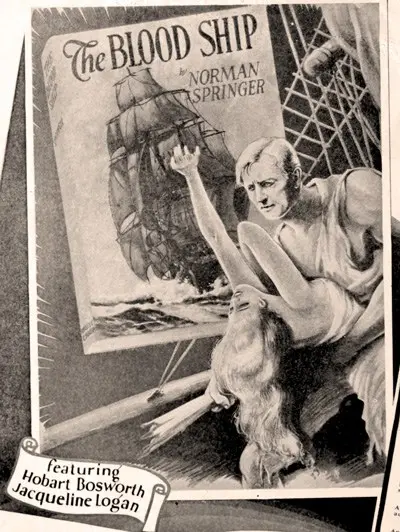
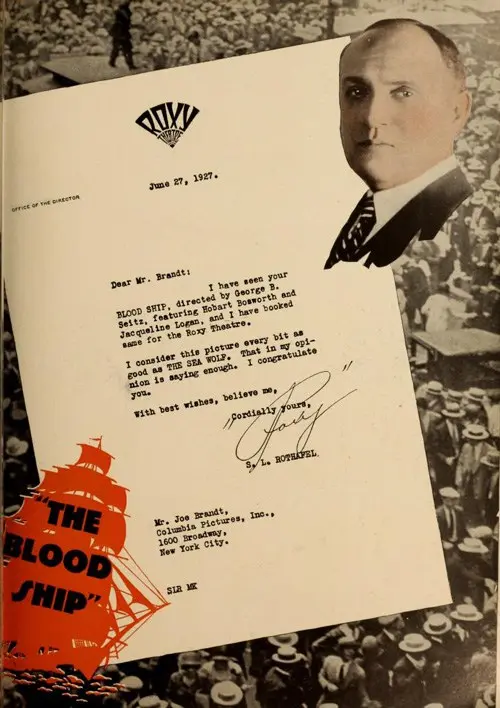
A definitive 6.6/10 rating for a film that redefined the boundaries of cult cinema. The Blood Ship remains a cornerstone of transgressive art.
Is "The Blood Ship" worth watching today? Short answer: yes, but with significant caveats for the modern viewer. This film is an absolute must-see for silent film aficionados, particularly those fascinated by early maritime adventures and the raw power of physical storytelling, yet it will undoubtedly test the patience of anyone accustomed to contemporary pacing and narrative subtlety.
This film works because of its unflinching portrayal of brutality and the compelling, if somewhat archetypal, struggle for justice against overwhelming odds. It's a testament to the era's ability to convey high stakes without a single spoken word.
This film fails because its narrative predictability and occasional over-reliance on melodramatic gestures can feel dated, undermining some of its more impactful moments.
You should watch it if you appreciate historical cinema, enjoy a good old-fashioned revenge story, and are prepared for a viewing experience that demands a different kind of engagement than modern blockbusters.
A Tempest of Vengeance: The Plot Reimagined
"The Blood Ship" is, at its core, a visceral tale of a man’s quest to reclaim what was brutally stolen from him. Our protagonist, Captain John Webb, once a man of standing, is now merely a deckhand, shanghaied onto a vessel commanded by the very villain who ruined his life. This isn't just a matter of stolen property; it's a deeply personal betrayal, involving his ship, his wife, and his daughter.
Scene from The Blood Ship
Cinematic perspective: Exploring the visual vocabulary of The Blood Ship (1927) through its definitive frames.
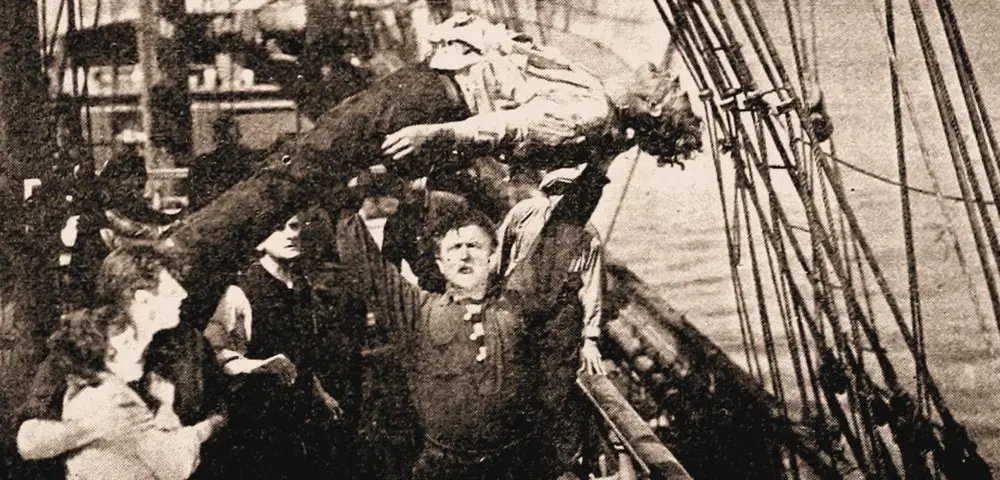
The film quickly establishes the oppressive regime aboard the titular ship. Captain Swanson and his first mate rule with an iron fist, their cruelty palpable even without dialogue. The crew, a collection of desperate souls, are victims of circumstance, their will broken under the constant threat of violence.
Webb's discovery of his nemesis at the helm sets the stage for an inevitable confrontation. The arrival of a young, idealistic sailor, Jim, who holds a torch for Webb's daughter, adds a layer of hopeful romance to the grim proceedings, providing a catalyst for the brewing rebellion. It's a classic setup for a mutiny, but one charged with a deeply personal vendetta.
The Helm of Direction: Irvin Willat's Vision
Irvin Willat, a director whose name might not resonate with casual filmgoers today, brings a surprising amount of grit and dynamism to "The Blood Ship." His direction, while occasionally leaning into the broad strokes typical of the silent era, demonstrates a keen understanding of visual storytelling, particularly in conveying the brutal realities of life at sea.
Willat excels at establishing atmosphere. The ship itself feels like a character, a floating prison where every shadow holds a threat. He uses stark contrasts in lighting, often plunging the crew's quarters into oppressive darkness while highlighting the captain's domain with a menacing, almost theatrical glow. Consider the scenes in the ship's hold, where the huddled figures of the shanghaied crew are barely visible, emphasizing their dehumanized state.
The action sequences, particularly the climactic mutiny, are staged with a frantic energy that transcends the film's age. Willat doesn't shy away from depicting violence, and the fights feel raw and desperate. One particularly memorable shot involves a wide angle of the crew charging across the deck, a wave of desperate men against the imposing figures of the captain and his loyalists, effectively conveying the sheer scale of the uprising.
Scene from The Blood Ship
Cinematic perspective: Exploring the visual vocabulary of The Blood Ship (1927) through its definitive frames.
However, Willat's reliance on exaggerated gestures for emotional impact can sometimes feel heavy-handed. While necessary for silent film, there are moments where a more subtle approach might have deepened the emotional resonance rather than just broadcasting it. Despite this, his overall command of the narrative flow ensures that even when the melodrama peaks, the story never loses its forward momentum.
Faces in the Storm: Performances Under Pressure
The cast of "The Blood Ship" delivers performances that are, for the most part, compelling and well-suited to the demands of silent cinema. They navigate the tricky balance of conveying intense emotion without dialogue, relying heavily on physicality and facial expression.
Fred Kohler as Captain Swanson is the undisputed standout. Kohler embodies villainy with a chilling effectiveness. His scowl is a constant menace, his heavy brow and piercing eyes conveying a deep-seated cruelty that needs no words. When he stalks the deck, his sheer physical presence dominates the frame, making him a truly formidable antagonist. His performance is a masterclass in silent film villainy, comparable to the menacing figures in early horror or crime dramas.
Arthur Rankin, as the wronged Captain John Webb, delivers a performance of stoic resolve. He doesn't overplay the anguish; instead, he projects a quiet determination that builds throughout the film. His transformation from a broken man to a leader of rebellion feels earned, particularly in scenes where he subtly observes Swanson, his eyes burning with a silent promise of revenge.
Jacqueline Logan, playing the daughter, brings a necessary touch of vulnerability and hope. Though her role is somewhat limited in terms of screen time with the main conflict, her expressive features convey fear, love, and resilience. Her scenes with Richard Arlen, as the idealistic sailor Jim, provide a softer counterpoint to the ship's harsh realities. Arlen, with his youthful earnestness, provides the audience with an accessible entry point into the crew's plight, his burgeoning romance with Logan's character adding emotional stakes beyond mere survival.
Scene from The Blood Ship
Cinematic perspective: Exploring the visual vocabulary of The Blood Ship (1927) through its definitive frames.
The supporting cast, including the array of shanghaied sailors, collectively paints a picture of suffering and resilience. Their performances, though often in the background, contribute to the sense of a desperate community united by oppression. Blue Washington, in particular, despite limited screen time, brings a quiet dignity to his role.
Navigating the Visuals: Cinematography and Setting
The cinematography in "The Blood Ship" is remarkably effective for its time, contributing significantly to the film's oppressive atmosphere and sense of adventure. Ernest Haller, later an Oscar-winning cinematographer for films like Gone with the Wind, shows early promise here, demonstrating a strong understanding of light, shadow, and composition.
Haller frequently employs deep shadows to create a sense of foreboding and confinement, particularly in the ship's interior. The stark contrast between the dimly lit lower decks and the occasional shafts of light filtering in effectively conveys the crew's desperate circumstances. There are moments when the ship feels less like a vessel and more like a tomb, a testament to the visual design.
The exterior shots of the ship at sea are equally compelling. While perhaps not as grand in scale as later maritime epics, they effectively capture the isolation and the unforgiving nature of the ocean. Wide shots of the vessel battling rough waters emphasize the human struggle against both the elements and the tyrannical captain. The film manages to convey the vastness of the sea as both a barrier to escape and a stage for rebellion.
The production design, though functional, enhances the narrative. The cramped, dirty quarters of the crew stand in stark contrast to the slightly more opulent, yet still grim, captain's cabin. This visual dichotomy reinforces the power imbalance and the class struggle inherent in the story. Every plank, every rope, feels authentic, grounding the fantastical elements of revenge in a believable, if harsh, reality.
Scene from The Blood Ship
Cinematic perspective: Exploring the visual vocabulary of The Blood Ship (1927) through its definitive frames.
The Rhythmic Roar of the Silent Sea: Pacing and Tone
The pacing of "The Blood Ship" is a slow burn that gradually builds to a furious crescendo. The initial sequences establish the mundane brutality of life on board, allowing the audience to feel the weight of the crew's oppression. This deliberate setup is crucial for making the eventual rebellion feel earned and cathartic.
Willat meticulously builds tension, starting with Webb's quiet recognition of Swanson, then escalating through small acts of defiance and whispers of discontent among the crew. This gradual increase in stakes ensures that by the time the mutiny explodes, it feels like an inevitable, desperate eruption rather than a sudden plot device.
The tone is predominantly grim and oppressive, reflecting the harsh realities of the narrative. There's a palpable sense of danger lurking around every corner, reinforced by Kohler's constant, menacing presence. However, moments of camaraderie among the crew and the burgeoning romance between Jim and the daughter provide brief, flickering sparks of hope, preventing the film from descending into unremitting bleakness.
While many silent films romanticize the sea, "The Blood Ship" strips it bare, revealing a brutal, unforgiving world where human cruelty often outmatches nature's fury, making it a surprisingly bleak, almost proto-noir maritime tale for its time. It’s raw. It’s relentless. The film’s occasional dips into melodrama, while characteristic of the era, don't derail its overall impactful tone, serving more to underscore the heightened emotions at play.
Is This Film Worth Watching Today?
Should I watch "The Blood Ship" in the modern era?
Yes, if you have an appreciation for historical cinema, especially silent films. It offers a powerful, if somewhat dated, narrative of revenge and rebellion. It’s a valuable piece for understanding early cinematic storytelling and the enduring appeal of a classic struggle against tyranny.
Scene from The Blood Ship
Cinematic perspective: Exploring the visual vocabulary of The Blood Ship (1927) through its definitive frames.
For those unaccustomed to the nuances of silent film, the lack of spoken dialogue and the reliance on intertitles might present a barrier. However, if you're willing to engage with its unique storytelling language, "The Blood Ship" rewards patience with a compelling plot and strong performances, particularly from Fred Kohler.
Key Takeaways
Best for: Silent film enthusiasts, fans of maritime adventures, those interested in early revenge narratives, and viewers who appreciate strong villainous performances.
Not for: Audiences seeking fast-paced action, subtle character development, or modern cinematic techniques; those averse to silent film conventions.
Standout element: Fred Kohler's terrifying portrayal of Captain Swanson, which anchors the film's oppressive tone and provides a truly memorable antagonist.
Biggest flaw: Some of the melodramatic flourishes and predictable plot turns can feel overtly theatrical, diminishing the impact for contemporary viewers.
Pros and Cons
Pros:
Powerful Villain: Fred Kohler's performance as Captain Swanson is iconic and genuinely menacing, providing a strong focal point for the film's conflict.
Engaging Plot: A classic revenge story steeped in maritime adventure, offering high stakes and a satisfying, if brutal, resolution.
Strong Visuals: Effective use of cinematography and set design to create an oppressive, yet authentic, onboard atmosphere.
Historical Significance: A valuable example of silent era action and character-driven drama, offering insight into early filmmaking techniques.
Themes of Justice: Explores timeless themes of oppression, rebellion, and the fight for freedom against tyranny.
Cons:
Dated Melodrama: Some emotional expressions and plot developments can feel over-the-top and less nuanced than modern audiences might prefer.
Pacing Challenges: The slow build-up might test the patience of viewers accustomed to contemporary narrative speeds.
Predictable Elements: The overarching narrative arc, while satisfying, doesn't offer many surprising twists for experienced viewers.
Silent Film Conventions: Requires an adjustment to its unique mode of storytelling, including reliance on intertitles and exaggerated acting styles.
The Echoes of the Past: A Broader Context
"The Blood Ship" arrives at a fascinating juncture in cinematic history, just before the talkie revolution. It represents the pinnacle of silent storytelling in many respects, showcasing how directors and actors learned to convey complex emotions and thrilling action without a single spoken word. Its themes of labor exploitation and rebellion resonate surprisingly well, even in a modern context, predating many overt social commentaries.
One unconventional observation is how effectively the film communicates a sense of sound through purely visual means. The creaking of the ship, the thud of fists against flesh, the roar of the sea — these are all implied with such clarity that one almost hears them, a testament to the era's ingenuity in visual suggestion. It’s a remarkable feat that often goes unacknowledged.
Compared to other films of its time, such as Abel Gance's epic J'accuse! (1919), which grappled with the horrors of war, or even contemporary adventure films like The Law of the North, "The Blood Ship" carves out its own niche. It's less about grand historical events and more about the primal, personal struggle for dignity against overwhelming odds. This focus on individual revenge within a collective uprising gives it a unique, almost timeless appeal.
The film’s portrayal of shanghaied sailors as an exploited workforce is an early, albeit indirect, commentary on industrial and labor practices. It’s a subtle undercurrent that adds depth beyond the simple revenge narrative, making the film feel more politically charged than its surface might suggest. This element, often overlooked, positions "The Blood Ship" as more than just an adventure story; it's a testament to the human spirit's refusal to be broken.
Verdict
"The Blood Ship" is a robust, if slightly rough-hewn, example of silent era filmmaking. It works. But it’s flawed. Its strengths lie in its visceral performances, particularly Fred Kohler’s unforgettable villainy, and its compelling narrative of revenge and rebellion. While its pacing and occasional melodramatic tendencies might challenge modern sensibilities, it remains a potent and historically significant film, offering a powerful glimpse into a bygone era of cinematic storytelling. It's a journey worth taking for those willing to brave its silent, stormy seas.