DbcultAccessing Vault...
6.9/10
Senior Film Conservator
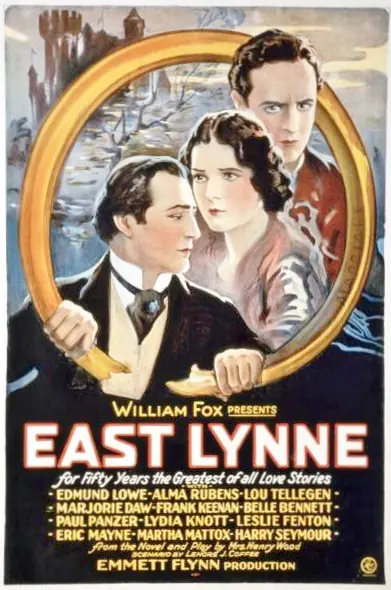
A definitive 6.9/10 rating for a film that redefined the boundaries of cult cinema. East Lynne remains a cornerstone of transgressive art.
The 1925 iteration of East Lynne, directed by Emmett J. Flynn, stands as a formidable monument to the era of silent melodrama, a period where the syntax of cinema was still being forged through the fires of theatrical tradition and visual experimentation. Based on Mrs. Henry Wood’s perennial bestseller, the film navigates the treacherous waters of social ostracization and the fragility of the domestic sphere. Unlike the more whimsical explorations of class found in A Very Good Young Man, East Lynne plunges headlong into the abyss of moral consequence and the inexorable weight of the past.
At its core, the film is a character study of Lady Isabel Vane, portrayed with a haunting, ethereal fragility by Alma Rubens. Rubens, whose own life would later mirror the tragic contours of her onscreen personas, provides a performance that transcends the often-bombastic requirements of the silent screen. Her Isabel is not merely a victim of circumstance but a woman caught in the grinding gears of a patriarchal society that offers no quarter for perceived infidelity or emotional volatility. The film’s pacing, meticulously crafted by Flynn and screenwriter Lenore J. Coffee, allows the audience to feel the slow erosion of Isabel’s spirit as she moves from the gilded cage of her ancestral home to the desolate isolation of her exile.
The visual language of East Lynne relies heavily on the communicative power of the human face. In an age before synchronized sound, the burden of narrative nuance fell upon the eyes and the subtle shifts in posture. Rubens excels here, her large, expressive eyes serving as the primary conduit for the film’s emotional resonance. When compared to the more kinetic energy of The Lucky Devil, Flynn’s work here is remarkably static, yet it vibrates with an internal intensity. Each frame is composed with a painterly sensibility, utilizing shadows and light to demarcate the boundaries between Isabel’s fleeting happiness and her impending doom.
The supporting cast provides a sturdy framework for Rubens’ central performance. Edmund Lowe, as Archibald Carlyle, embodies the stoic, perhaps overly rigid, Victorian ideal of the provider. His performance is one of restraint, which serves as a necessary foil to the predatory charisma of Lou Tellegen’s Sir Francis Levison. Tellegen, a matinee idol of the time, plays Levison with a serpentine grace that makes his deception all the more chilling. He is the catalyst for the film’s descent into tragedy, a figure of pure opportunism who stands in stark contrast to the noble intentions of the Carlyle family.
The middle act of the film is a masterclass in the escalation of tension. The subplot involving Richard Hare and the murder of a villager introduces a noir-ish element that predates the genre’s formalization. This thread, while seemingly tangential, is the mechanism through which Levison poisons Isabel’s mind. The secret meetings between Archibald and Barbara Hare—played with poignant dignity by Marjorie Daw—are misinterpreted by Isabel, not through a lack of intelligence, but through a systematic gaslighting campaign orchestrated by Levison. The film captures this psychological disintegration with a sophistication that rivals the dramatic depth of No Woman Knows.
The elopement and subsequent automobile accident—a modern update to the novel’s train wreck—are handled with a surprising degree of visceral impact for 1925. The car crash serves as a literal and metaphorical break from Isabel’s former life. Reported dead, she is afforded a gruesome sort of freedom, only to find that life without her children and her name is a hollow existence. The transition from the glamorous Lady Isabel to the scarred, disguised Madame Vine is a transformation that Rubens handles with devastating efficacy. The makeup, while primitive by today’s standards, succeeds in stripping away the actress’s celebrated beauty, leaving only the raw nerves of maternal longing.
The final act of East Lynne is where the film secures its place in the pantheon of great tear-jerkers. The trope of the mother returning in disguise to care for her own children is one of the most potent in all of melodrama, and Flynn leans into the pathos with unapologetic fervor. As Isabel watches Archibald build a new life with Barbara, the film explores themes of replacement and the erasure of identity. It is a psychological landscape as complex as any found in Pagan Passions, dealing with the primal forces of love and the societal structures that seek to contain them.
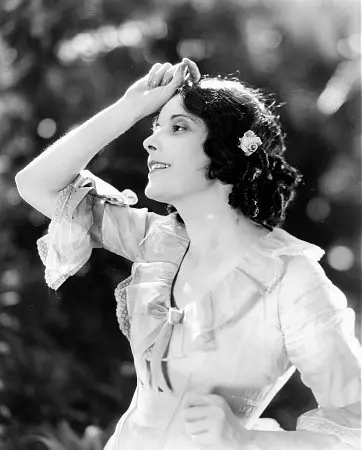
The illness of her son provides the ultimate crucible for Isabel’s redemption. In the quiet, candle-lit nursery, the film reaches its emotional crescendo. The irony of her presence—recognized by the audience but unknown to the characters—creates a profound sense of dramatic tension. When she finally saves the child’s life, only to succumb to her own failing health, the film achieves a state of secular martyrdom. The final recognition by Archibald is not a moment of reconciliation, but one of tragic realization. The secret he keeps at the end is a final act of mercy for a woman who was destroyed by the very social codes he represents.
From a technical standpoint, East Lynne is a testament to the high production values of the Fox Film Corporation during the mid-20s. The set designs, particularly the sprawling Mount-Severn estate, evoke a sense of history and permanence that makes Isabel’s eventual fall feel even more precipitous. The cinematography utilizes soft-focus lenses during moments of romantic idealism, contrasting sharply with the starker, more high-contrast lighting used during the scenes of Isabel’s exile. This visual dichotomy reinforces the film’s central theme of the loss of innocence.
The editing, too, deserves recognition. The way the film intercuts between the domestic tranquility of the Carlyle home and the burgeoning scandal in the village creates a sense of impending doom. It lacks the frenetic energy of an action-oriented film like Tempest Cody Turns the Tables, but it possesses a rhythmic grace that draws the viewer into its emotional orbit. Even the intertitles are used sparingly, allowing the visual storytelling to carry the majority of the narrative weight.
When placing East Lynne within the broader context of 1920s cinema, it serves as a bridge between the moralizing Victorian dramas of the past and the more psychologically complex films of the coming decade. It shares a certain thematic DNA with Till We Meet Again, particularly in its depiction of longing and the cruelty of fate. Yet, it remains distinct in its focus on the specific plight of the fallen woman. While a film like American Maid might explore the social mobility of the working class, East Lynne is concerned with the social immobility of the aristocracy once they have strayed from the narrow path of propriety.
The film also offers an interesting point of comparison with international works such as La Destinée de Jean Morénas, which similarly grapples with the themes of injustice and the long shadow of one's reputation. However, the American sensibility of East Lynne is uniquely focused on the domestic unit as the ultimate site of both salvation and destruction. It is a film that demands emotional investment, rewarding the viewer with a cathartic, if devastating, experience.
Ultimately, the 1925 East Lynne survives as more than just a historical curiosity. It is a vibrant, pulse-pounding drama that speaks to the universal fears of abandonment and the loss of one’s children. While the world of 1925 was moving toward the technological marvels of the future—perhaps even dreaming of the digital intricacies seen in a film like Sneakers—it was still deeply rooted in the primal emotions that Mrs. Henry Wood captured in her 1861 novel. Flynn’s adaptation honors that heritage while pushing the boundaries of what the silent medium could achieve.
The film’s conclusion, marked by the quiet death of Lady Isabel, remains one of the most poignant moments in silent cinema. It is a reminder that before the advent of sound, movies were a language of the soul, expressed through light, shadow, and the incredible talent of performers like Alma Rubens. In the grand gallery of cinematic history, East Lynne is a portrait of a woman who lost everything, only to find a sliver of peace in the shadows of the home she once called her own. It is a masterpiece of the heart, etched in silver nitrate and sustained by the timeless power of human empathy.
IMDb 4.9
1927
Community
Log in to comment.