DbcultAccessing Vault...
5.4/10
Senior Film Conservator
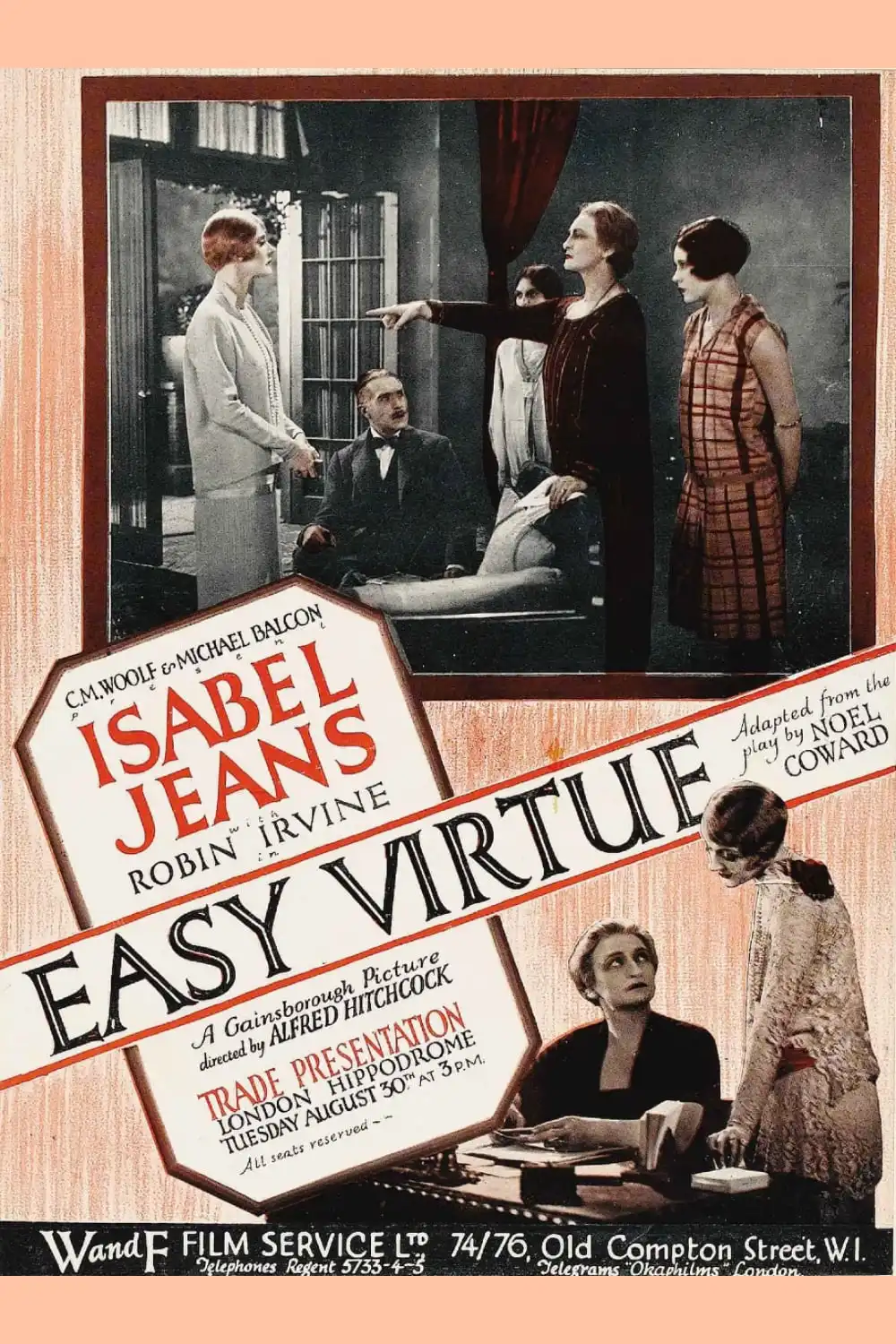
A definitive 5.4/10 rating for a film that redefined the boundaries of cult cinema. Easy Virtue remains a cornerstone of transgressive art.
Alfred Hitchcock's 1928 silent film, Easy Virtue, is primarily for two audiences: dedicated Hitchcock completists and those with a genuine appreciation for the expressive, often heightened style of late silent cinema. For these viewers, it offers a compelling glimpse into the nascent stages of a master director's visual language and a robust central performance from Benita Hume. However, casual viewers accustomed to modern pacing and dialogue might find its melodramatic conventions and the inherent slowness of silent film a significant hurdle. If you're looking for a sharp, concise narrative, this might feel like a stretch. If you're willing to lean into the period and appreciate the visual storytelling, it's a worthwhile, if not always easy, watch.
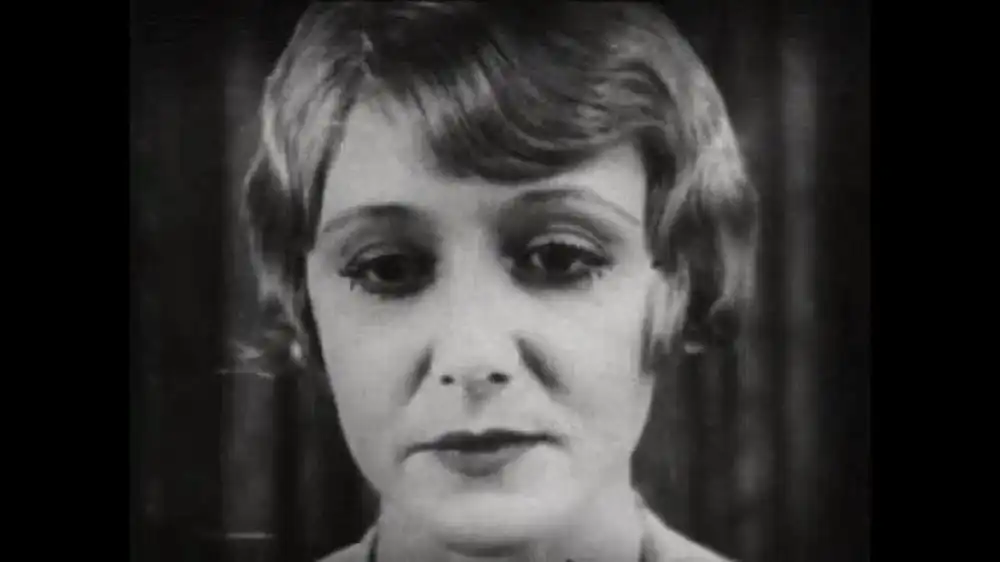
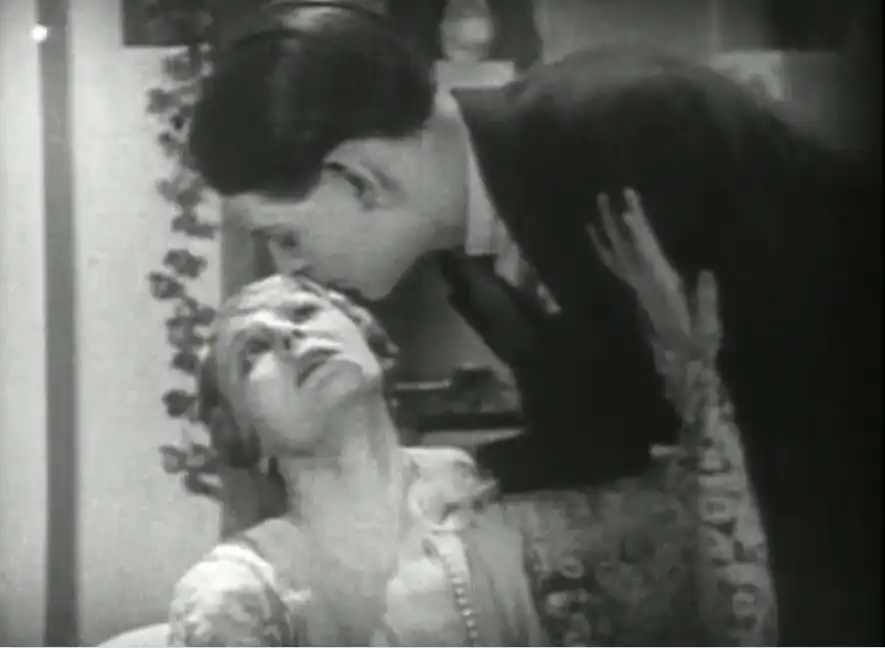
The film follows Larita Filton (Benita Hume), a woman with a past that society, and particularly her new husband's family, deems scandalous. After a whirlwind romance in the French Riviera, she marries the naive John Whittaker (Robin Irvine), quickly finding herself enmeshed in the suffocatingly proper, judgmental world of his English country estate. The plot, adapted from Noël Coward's play, hinges on the slow, inevitable reveal of Larita's previous divorce, framed by a public trial where she was accused of 'easy virtue.' It’s a classic setup for social commentary, pitting individual freedom against rigid societal expectations.
Benita Hume carries the film with considerable grace and an almost defiant resilience. Her performance as Larita is the anchor, conveying volumes through subtle shifts in expression – a wry smile masking hurt, a direct gaze challenging judgment, or a moment of quiet despair as the walls close in. She manages to imbue Larita with a modern sensibility that feels ahead of its time, refusing to be a mere victim. There’s a particular shot where she’s playing billiards, seemingly unfazed by the family’s icy silence, her posture conveying a quiet strength. It’s a masterclass in silent film acting.
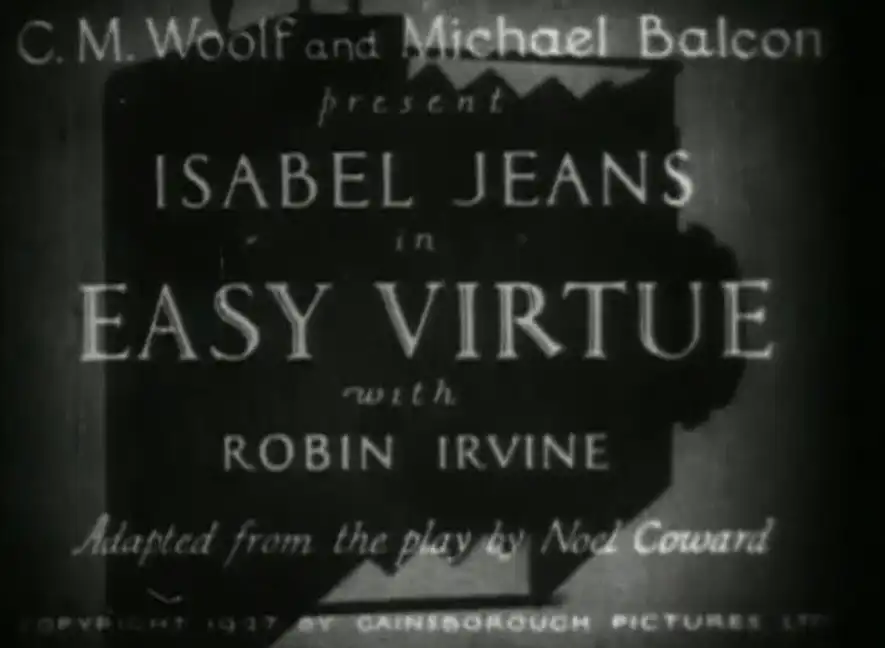
Isabel Jeans, as John’s mother, Mrs. Whittaker, is the perfect foil. Her performance is a study in controlled disapproval, her pursed lips and rigid posture speaking volumes. She doesn't need intertitles to convey her disdain; it's etched onto her face in every scene she shares with Larita. Robin Irvine, as John, unfortunately, struggles to keep pace. His character is meant to be well-meaning but weak, easily swayed by his mother's influence. Irvine portrays this passivity perhaps too effectively, often appearing stiff and lacking the emotional range to truly sell his conflicted loyalties. He often feels like a prop in the drama between Larita and his mother, rather than an active participant.
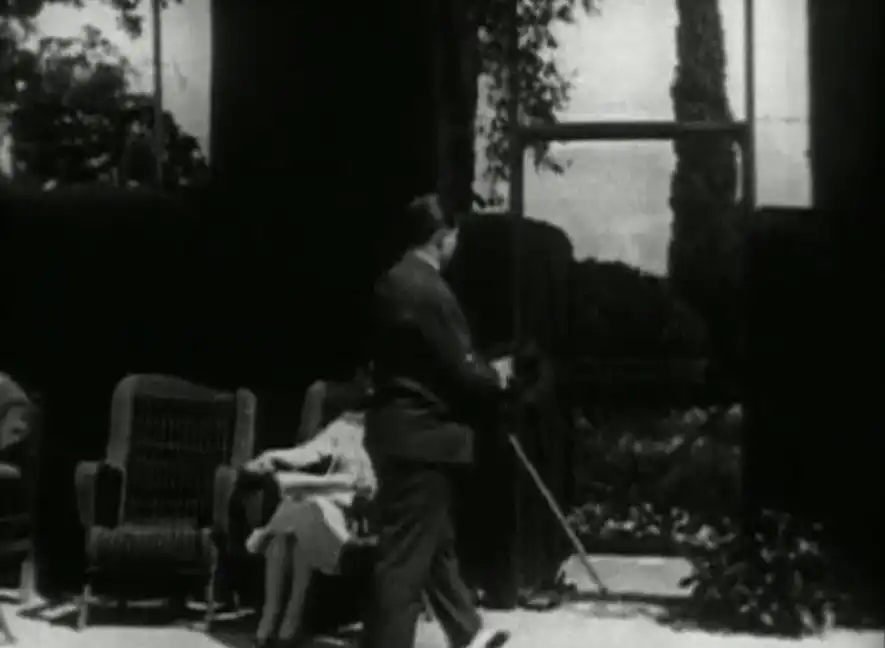
Even in this early work, Hitchcock's signature visual flair is unmistakable. The film, shot by Claude McDonnell, often uses striking compositions to reflect character states and societal pressures. The famous sequence involving the telephone operator is a standout: rapid cuts between the operator's gossiping face, John's horrified reaction, and a close-up of the telephone dial itself create a powerful sense of information spreading like wildfire, a truly cinematic way to convey a plot point that could have been handled much more prosaically. It’s a clear precursor to the suspense he would later master.
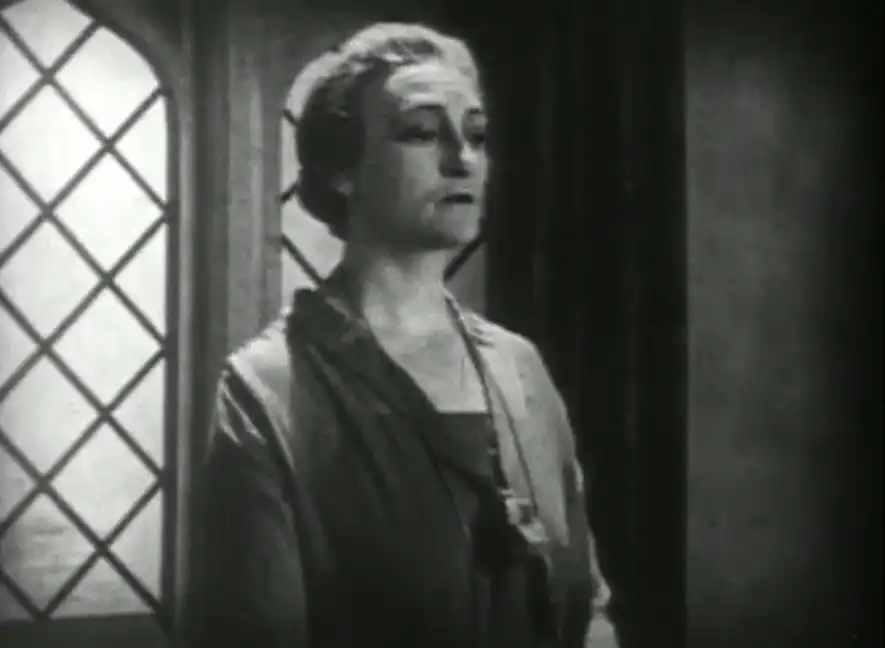
The use of reflections is another recurring motif. Larita often sees her own troubled reflection in mirrors, or we see characters observing her indirectly through glass, emphasizing her isolation and the constant scrutiny she faces. In one memorable shot, a maid peeks through a doorway, her face partially obscured, observing the family's tense dinner, a small but effective detail that underscores the pervasive surveillance within the household.
Hitchcock also plays with scale to emphasize Larita's vulnerability. When she first arrives at the vast Whittaker estate, she often appears small within the frame, swallowed by the imposing architecture and the suffocating formality of her new surroundings. This visual choice immediately establishes the power dynamic at play.
As a silent film, Easy Virtue naturally has a different rhythm than modern cinema. The initial romance between Larita and John feels somewhat rushed, a common shorthand in silent narratives to quickly establish a relationship. However, once Larita arrives at the Whittaker estate, the pacing slows considerably, focusing on the drawn-out tension of her integration – or rather, her failure to integrate. This deliberate slowness works to build atmosphere but can occasionally test patience, particularly during repetitive dinner scenes where the family's disapproval is hammered home without much variation.
The tone shifts from lighthearted romance in the opening act to a heavy, almost oppressive domestic drama. While this is intentional, the transition isn't always seamless. The film struggles to balance its moments of genuine emotional weight with the occasional stiltedness of silent film acting from the supporting cast, which can sometimes tip scenes into unintentional melodrama rather than genuine pathos. The sequence where Larita attempts to escape the family's forced hunting party, only to be chastised by Mrs. Whittaker, feels particularly heavy-handed, even for a silent film.
Easy Virtue is a fascinating artifact for anyone interested in Alfred Hitchcock's formative years or the evolution of silent cinema. It showcases a director already experimenting with visual narrative techniques that would define his career, and it features a truly memorable performance from Benita Hume. It’s a film that asks you to meet it on its own terms, to appreciate the craft of silent storytelling and the power of non-verbal expression. While it doesn't possess the thrilling suspense of later Hitchcock works like The Taint (not a Hitchcock film, but an example of another silent film), or the psychological depth of his sound-era masterpieces, it offers a valuable look at a director finding his voice. Approach it with an open mind and a willingness to engage with its period stylings, and you'll find much to appreciate in this early exploration of reputation, class, and the oppressive weight of societal judgment.
IMDb 6.3
1935
Community
Log in to comment.