DbcultAccessing Vault...
6/10
Senior Film Conservator
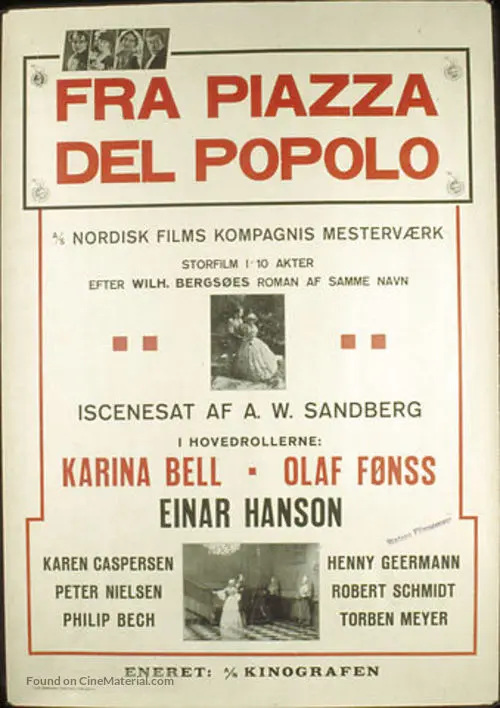
A definitive 6/10 rating for a film that redefined the boundaries of cult cinema. Fra Piazza del Popolo remains a cornerstone of transgressive art.
Stepping into the world of Fra Piazza del Popolo is akin to unearthing a forgotten treasure from the silent era, a cinematic artifact that, despite its apparent simplicity, resonates with a profound understanding of the artistic soul. This Danish production, penned by the insightful duo of Poul Knudsen and Sam Ask, and brought to life by a formidable ensemble including Henry Seemann and Karina Bell, presents not a grand narrative of epic proportions, but an intimate, almost ethnographic study of a specific cultural phenomenon: the Scandinavian artistic colony in Rome. It is a film that asks us to lean in, to observe, and to absorb the unspoken currents flowing beneath the surface of seemingly ordinary interactions, painting a vivid portrait of human connection forged in the crucible of shared creative pursuit.
The very premise—artists from the Scandinavian colony gathering in the historic Piazza del Popolo for an exchange of stories—might appear deceptively modest. Yet, within this seemingly understated framework lies a universe of human experience. The Piazza del Popolo itself, a monumental urban space steeped in centuries of history, becomes more than just a backdrop; it transforms into a living, breathing character in the drama. Its obelisk, its fountains, its twin churches, all bear witness to countless generations of dreamers, schemers, and creators. For these Nordic artists, far from their colder homelands, Rome's ancient stones and golden light offered not just inspiration, but a sanctuary, a place where the weight of tradition could both ignite and humble the contemporary spirit. The film, through its silent gaze, captures this symbiotic relationship between artist and environment, suggesting that the very air of Rome is imbued with a creative energy that permeates every brushstroke, every written word, every sculpted form.
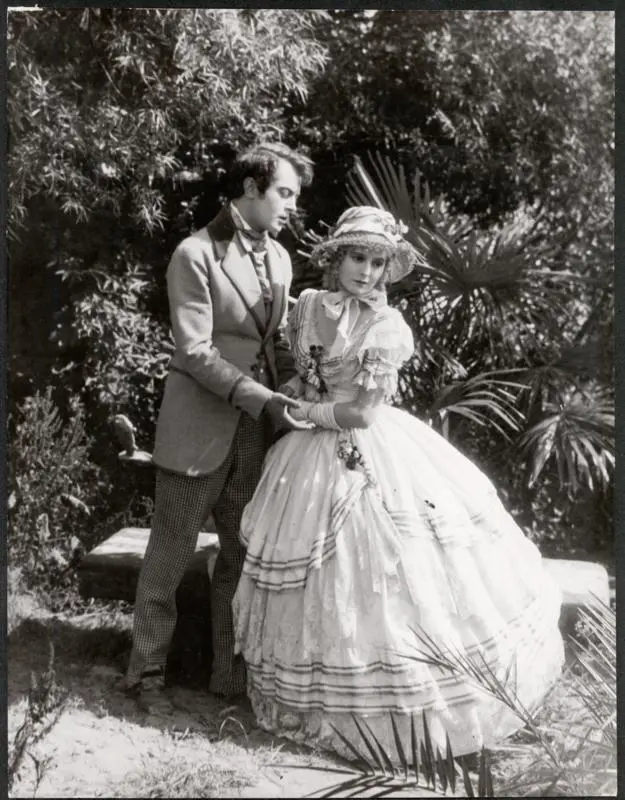
What exactly constitutes an "exchange of stories" among artists? It is not merely the recounting of anecdotes. It is a deeper, more vulnerable act. It is the sharing of triumphs, yes, but more significantly, the confessions of failures, the anxieties of creative blocks, the pangs of unrequited love, the quiet despair of artistic rejection, and the exhilarating bursts of unexpected inspiration. It is a communal catharsis, a sounding board for nascent ideas, and a source of both fierce rivalry and profound solidarity. The film, in its depiction of these interactions, masterfully navigates the delicate balance between the individualistic nature of artistic creation and the collective need for understanding and validation. One can almost feel the unspoken words, the knowing glances, the shared sighs that pass between these characters, each a testament to the universal struggles and joys of the creative life.
The ensemble cast, featuring luminaries like Henry Seemann, Einar Hanson, and Karina Bell, breathes remarkable life into these often-archetypal artistic figures. In silent cinema, the onus on physical expression, on the nuanced gesture and the eloquent gaze, is paramount. Seemann, known for his intense dramatic presence, likely embodies a figure grappling with an existential artistic crisis, his furrowed brow and contemplative posture speaking volumes without a single intertitle. Einar Hanson, with his often-youthful charm, might represent the impetuous, budding talent, full of unbridled ambition yet susceptible to the city's seductive distractions. Karina Bell, a captivating presence, could easily portray a muse, a fellow artist, or a figure whose beauty and spirit inspire both adoration and envy among the colony. The subtle interplay of their expressions, the way their eyes meet or avoid contact, the slight shifts in posture—these are the tools through which their complex inner worlds are revealed. The performances are not mere pantomime; they are a sophisticated ballet of emotion, a testament to the power of non-verbal communication that defines the golden age of silent film. The supporting players, including Carsten Wodschow, Emil Hass Christensen, and Henny Geermann, each contribute to the rich tapestry, fleshing out the periphery with their own distinct interpretations of the artist's journey.
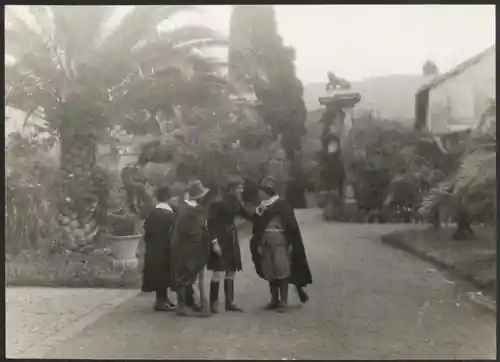
Poul Knudsen and Sam Ask's script, though minimalist in its explicit plot, is rich in thematic depth. They understand that the true drama of artistic life often lies not in external conflict, but in the internal battles waged against self-doubt, against the market's demands, against the fleeting nature of inspiration. Their characters are not caricatures but complex individuals, each carrying their own unique burdens and aspirations. The narrative structure, while focusing on a single gathering, hints at backstories and future trajectories, allowing the audience to project their own understanding onto these figures. It's a testament to their writing that a seemingly simple premise can evoke such a rich tapestry of human experience, relying on implication and visual storytelling rather than overt exposition. This approach is reminiscent of the understated emotional resonance found in certain European silent films, where the power lies in what is left unsaid, allowing the viewer's imagination to fill in the gaps.
The directorial vision behind Fra Piazza del Popolo is crucial in translating this nuanced script to the screen. The cinematography, even in its black-and-white glory, must have strived to capture the unique quality of Roman light—the way it illuminates ancient ruins, glistens on fountains, and casts long, dramatic shadows across cobblestone streets. Imagine the sweeping vistas of the Piazza, contrasting with intimate close-ups of an artist's tormented face or a hand sketching furiously in a notebook. The framing would emphasize the isolation of the individual within the grandeur of the collective, or conversely, the comforting anonymity of a shared creative space. The pacing, characteristic of many silent films, would likely allow moments of contemplative stillness, giving the audience time to absorb the visual information and the emotional weight of each scene. This deliberate rhythm creates an immersive experience, inviting viewers to slow down and truly engage with the film's artistic sensibilities, much like how a painter might meticulously study a landscape before committing it to canvas.
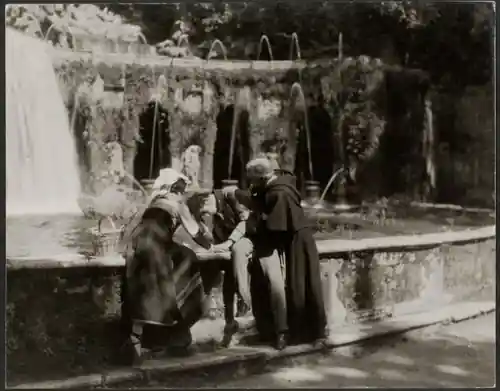
Comparing Fra Piazza del Popolo to other films of its era provides interesting perspectives. While it lacks the overt melodramatic intensity of something like The Prodigal Liar, its emotional depth is no less potent. Instead of external deceptions, it delves into the internal truths and falsehoods artists tell themselves. The film's focus on a specific community and their shared experiences might draw parallels to the ensemble dynamics seen in The Midnight Cabaret, though perhaps with a more introspective and less overtly sensational tone. Where The Yellow Traffic might explore societal corruption through a fast-paced plot, Fra Piazza del Popolo examines the more subtle corruptions of the artistic spirit—the compromises, the jealousies, the struggle for authenticity. The film's portrayal of human struggle, albeit artistic, resonates with the raw, elemental conflicts depicted in films like La terre, albeit translated from the harshness of rural life to the often-equally unforgiving world of creative pursuit. It’s a powerful exploration of the human condition, stripped down to its core elements of ambition and vulnerability.
The costumes and set design, even within the limitations of early cinema, would have played a vital role in establishing the film's atmosphere. The artists' attire, perhaps a blend of bohemian flair and practical European fashion of the period, would subtly communicate their individual personalities and their dedication to their craft. The interiors of their studios, likely sparse yet filled with the tools of their trade—easels, clay, musical instruments, scattered manuscripts—would offer glimpses into their creative processes and their living conditions. Contrast this with the grandeur of the Piazza itself, suggesting the contrast between their often-humble existences and the monumental aspirations they harbored. This attention to detail, even if only implied through existing stills or production notes, is crucial for a silent film to fully immerse its audience in its world. The production design contributes significantly to the narrative, acting as a silent narrator itself, informing the audience about the characters' social standing, their artistic discipline, and their emotional states.
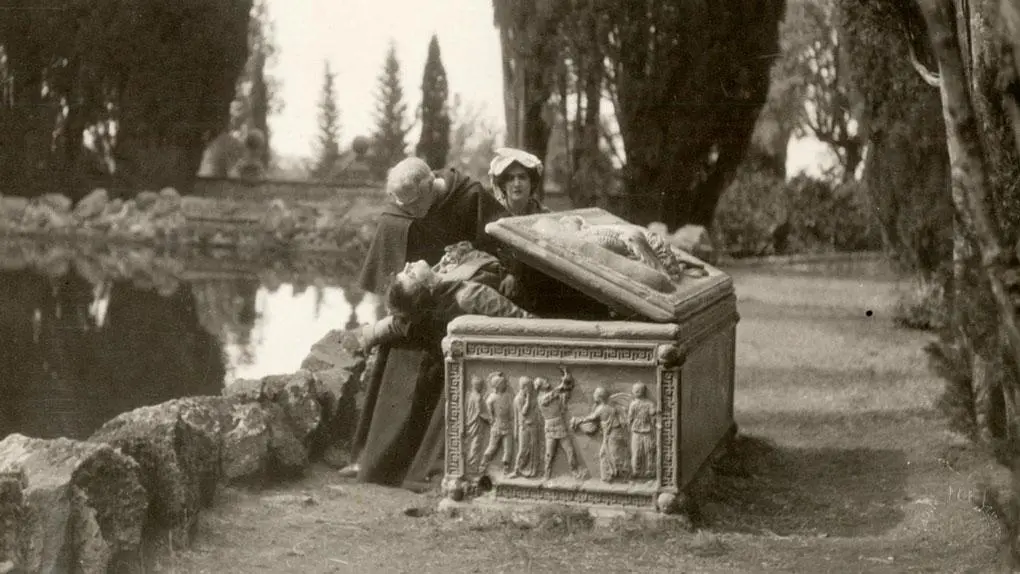
The themes explored in Fra Piazza del Popolo are timeless and universal. The search for inspiration, the agony of creation, the imperative to express one's inner world, the longing for recognition, and the fear of artistic irrelevance are all deeply human experiences that transcend time and culture. The film subtly touches upon the concept of cultural identity—what does it mean to be a Scandinavian artist in Rome? How does one retain their roots while embracing a new, intoxicating environment? This negotiation of identity, both personal and artistic, forms a fascinating undercurrent throughout the narrative. It’s a complex exploration of belonging and displacement, a theme that resonates profoundly with anyone who has sought to forge a new path in a foreign land. The film doesn't offer easy answers but rather invites contemplation on these profound questions.
While not as widely known as some of its contemporaries, Fra Piazza del Popolo represents a significant contribution to Danish cinema and the broader silent film canon. It eschews bombast for introspection, spectacle for character study. It reminds us that powerful storytelling doesn't always require intricate plots or dramatic twists; sometimes, the most compelling narratives are found in the quiet moments of human interaction, in the shared vulnerability of artistic souls. The film's legacy lies in its ability to capture a specific historical moment and a universal human experience with grace and authenticity. It is a cinematic poem, an ode to the enduring spirit of creativity and the profound connections that bind artists together, even across vast cultural divides. Its quiet power leaves an indelible mark, urging us to reflect on our own creative journeys and the stories we choose to share.
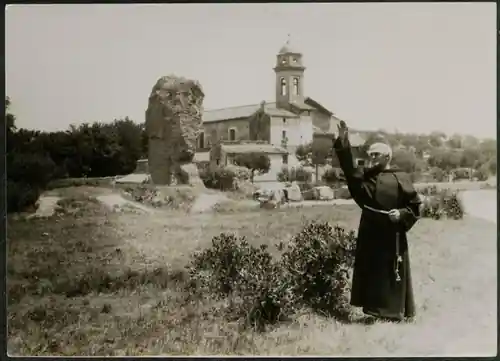
The film's exploration of ambition and its inherent pitfalls is another layer of its rich tapestry. While some artists might strive for fame and fortune, others might simply seek the purity of expression, the satisfaction of bringing an idea to fruition. The "exchange of stories" thus becomes a platform for both aspirational declarations and somber warnings. Tales of artists who achieved great renown are undoubtedly shared, inspiring hope and competitive zeal. But equally, there must be stories of those who faltered, whose dreams withered under the Roman sun, or whose talent remained unrecognized. This duality mirrors the real-life struggles of any creative endeavor, where success is often elusive and perseverance is a daily battle. The film, in its quiet contemplation, allows these unspoken narratives of triumph and despair to subtly permeate the atmosphere, enriching the audience's understanding of the artists' complex motivations.
Furthermore, the film might subtly critique the romanticized notion of the "starving artist." While Rome offers inspiration, it also demands sustenance. The struggle for daily bread, the compromises made to survive, the tension between artistic integrity and commercial viability—these are all implicit in the gathering. The stories exchanged could very well involve strategies for securing commissions, the challenges of selling one's work, or the indignities of patronage. This pragmatic dimension grounds the otherwise romanticized portrayal of artistic life, lending the film a layer of realism that prevents it from becoming overly sentimental. It's a nuanced look at the artist's life, acknowledging both its sublime highs and its prosaic lows. This grounded approach ensures that the characters, despite their artistic inclinations, remain relatable and human, facing challenges that are universal.
The presence of a diverse cast, from seasoned veterans like Philip Bech and Aage Bendixen to younger talents, further enriches the film's dynamic. Bech, often playing authoritative or stern figures, might embody an older, perhaps disillusioned artist, or a mentor figure whose wisdom is hard-won. Bendixen could bring a sense of quiet gravitas, a painter who has seen much and understands the cyclical nature of artistic trends. The range of ages and experiences among the characters allows for a multifaceted exploration of the artistic journey, from the naive idealism of youth to the contemplative wisdom of old age. This generational interplay adds another layer of depth to the "exchange of stories," showing how different stages of life inform one's perspective on art and existence. It's a testament to the casting director's vision that such a rich ensemble was assembled for this introspective piece.
In a world increasingly saturated with fast-paced narratives and overt exposition, Fra Piazza del Popolo stands as a quiet testament to the enduring power of evocative, character-driven storytelling. It invites us to slow down, to observe, and to immerse ourselves in a moment in time when art and life were inextricably intertwined, and a simple gathering in a historic square could become a profound exploration of the human spirit. The film, much like the art it depicts, is a carefully crafted piece, designed to provoke thought and stir emotion through its elegant simplicity. It’s a beautiful reminder of the power of silent cinema to communicate complex ideas and feelings without uttering a single word, relying instead on the universal language of human expression and the evocative power of visual storytelling. This makes it a compelling watch for anyone interested in the history of cinema, the artistic process, or simply a beautifully told human story.
The film's cultural significance cannot be overstated. It offers a rare glimpse into a specific historical subculture—the expatriate artist community—and their experiences in a foreign land. This anthropological aspect adds another layer of fascination, allowing modern viewers to connect with the past on a deeply human level. It's a historical document as much as it is a work of art, preserving a sliver of time and the unique individuals who inhabited it. The film, therefore, serves as a bridge, connecting contemporary audiences to the vibrant artistic past of Rome and the enduring appeal it held for creators from across Europe. It’s a powerful reminder that while times change, the human quest for beauty, meaning, and connection remains constant.
Finally, Fra Piazza del Popolo is a film that rewards repeated viewings. Each time, one might discover new nuances in the performances, new layers in the visual storytelling, and new depths in the thematic explorations. It's a film that lingers in the mind, prompting reflection long after the final frame has faded. It stands as a powerful example of how silent cinema, far from being a primitive form, was capable of immense sophistication and emotional resonance. For those willing to engage with its contemplative pace and subtle artistry, it offers a profoundly enriching cinematic experience, a journey back to a time when images and gestures spoke volumes, and the heart of human experience was laid bare under the Roman sky.
IMDb 6.2
1933
Community
Log in to comment.