DbcultAccessing Vault...
Cult Review
Senior Film Conservator
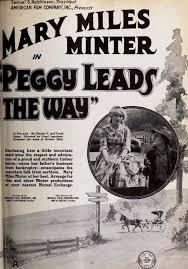
The 1917 one-reel universe habitually peddled virgins in peril and mustache-twirling villains; Peggy Leads the Way detonates that template without ever raising its voice above the rustle of taffeta. What survives of the film—scattered 28-mm nitrates, a continuity script lodged in the Library of Congress, and the collective memory of a few centenarians—is enough to certify its stealth radicalism.
Start with the opening iris shot: a locomotive cleaving through wheat that shimmers like bullion. The camera tilts up not to the sky but to the undercarriage of the carriage, framing passengers as if they are insects clinging to a steel beast. The metaphor is blunt yet elegant—modernity devours the small from below. Director Frank Mitchell Dazey, better known as a playwright, translates his sense of proscenium space into a kinetic grammar: every store aisle becomes a corridor of power, every threshing field a battlefield.
Mabel Taliaferro’s Peggy is no flapper rebel in waiting; she is a stoic strategist whose Eastern finishing school has furnished her with rhetoric sharper than any plowshare. Watch the moment she measures the width of Main Street with her gaze—eyes narrowing as if mentally converting footsteps into easement clauses. Taliaferro’s micro-gestures anticipate the Method by three decades: a blink timed to the crash of a gavel, a swallow when she first overhears the word foreclosure.
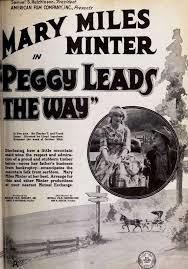
Allan Forrest, cast as the developer’s heir Philip, carries the weight of patricidal guilt in the slope of his shoulders. His first close-up—half face bleached by storefront neon, half drowned in darkness—recalls the ethical chiaroscuro of The Light That Failed. Yet unlike Dick Heldar’s self-destructive genius, Philip is granted agency to defect from capital toward community, a conversion rendered without the usual biblical thunderclap. The screenplay (co-penned by Charles T. Dazey, whose The Tongues of Men reveled in rhetorical fireworks) favors the secular epiphany: a ledger sheet torn in half, a fountain pen snapped like a wishbone.
At 64 minutes, the narrative sprints yet finds oxygen for textured side plots. Mary Miles Minter appears as Peggy’s childhood confidante now working as a stenographer for the enemy; her moonface registers the sting of divided loyalties. In a tavern scene lit by a solitary swinging lamp, Minter tilts-her-head at a 45-degree angle—a silent challenge to the patriarchal gaze—before exiting frame left, never to return. The abrupt elision feels modernist, as though Eisenstein snipped the celluloid.
Visually, the film repurposes the grammar of pastoral-pastoral versus pastoral-industrial. Interior scenes favor birch-wood counters and kerosene shadows, exteriors are drenched in high-noon mercury. Note the repeated motif of water: a horse trough, a dripping well, ultimately a breached dam that halts the developer’s advancing steam shovel. The liquid leitmotif whispers that public commons—rivers, aquifers—can still derail private ambition.
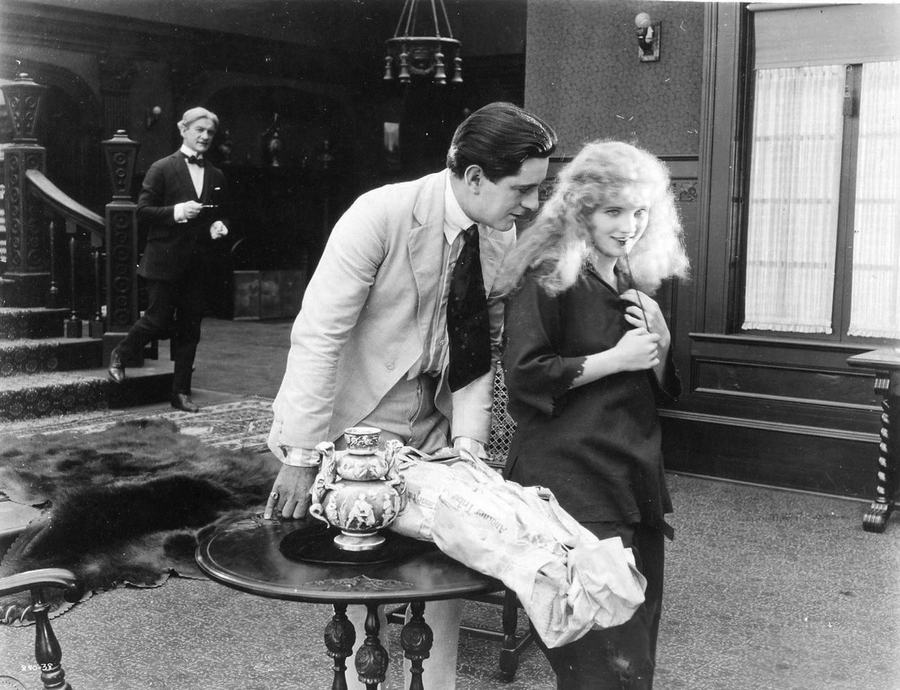
Compare this to American Aristocracy where Douglas Fairbanks’ polo mallet symbolizes WASP invincibility; here the emblem is a cracked pottery jug, humble, leaky, democratic. Or weigh it against the cosmic fatalism of When Fate Leads Trump, where destinies are pre-shuffled; Peggy insists that municipal decks can be reshuffled by grit and quorum.
The score, reconstructed by scholar Neil Brand from period cue sheets, interpolates Stephen Foster with suffragette anthems, producing a frisson akin to finding a Molotov cocktail inside a patchwork quilt. During the climactic town-hall sequence, the orchestra drops to a single snare; the resultant vacuum amplifies Taliaferro’s signing of a petition—each inked name a percussive beat.
Yet the film’s most radical maneuver is its refusal to punish female ambition. Peggy neither marries Philip nor is she required to; the final intertitle reads: "The town survived; so did she." Wedding bells are replaced by schoolhouse bells, a sonic rewilding of the frontier imagination. Contemporary viewers conditioned by the marital closure of Her Mother's Secret or The Wishing Ring may experience cognitive whiplash—exactly the sort of narrative subluxation that keeps silent cinema vibrantly alive.
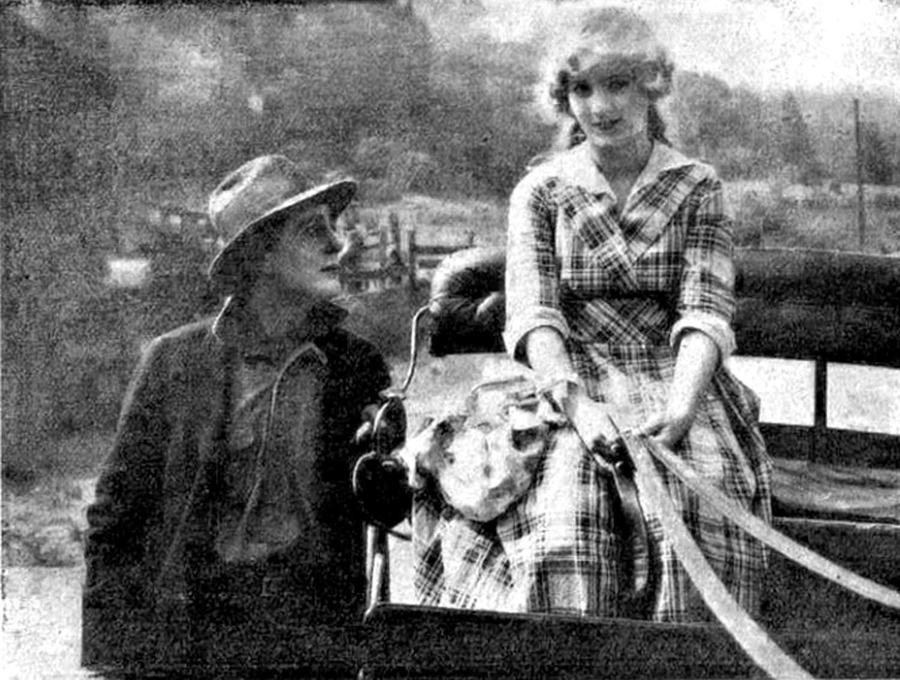
Of course, fissures exist. The African-American stable hand portrayed by Frank Thompson is saddled with comic-relief tropes, though even here the camera grants him a POV shot—radical for 1917—surveying the town with proprietorial concern. And the developer’s comeuppance arrives via a deus-ex-machina state statute, a tidy resolution that undercuts the systemic critique the film has so meticulously seeded.
Still, these blemishes pale beside the film’s overarching audacity: it proposes that local girlhood, armed with statutory knowledge and communal solidarity, can stare down the steamroller of finance capital. In an age when Birth of Democracy treated civic participation as Hellenic pageant, Peggy stages it as barn-raising pragmatism.
Restoration-wise, the surviving print housed at Eye Filmmuseum underwent 4K photochemical resuscitation; scratches become fireflies, emulsion damage transmutes into wheat chaff. The tinting follows early Pathé chromatic logic: amber for interiors, viridian for nocturnes, magenta for the dam-bursting crescendo. Home viewers can stream the tinted 2K on several boutique platforms, though nothing replicates the thrill of a 16-mm piano-accompanied screening inside a repurposed grain loft—where the projector’s clatter merges with the ghost-whistle of the same model train that brought Peggy home.
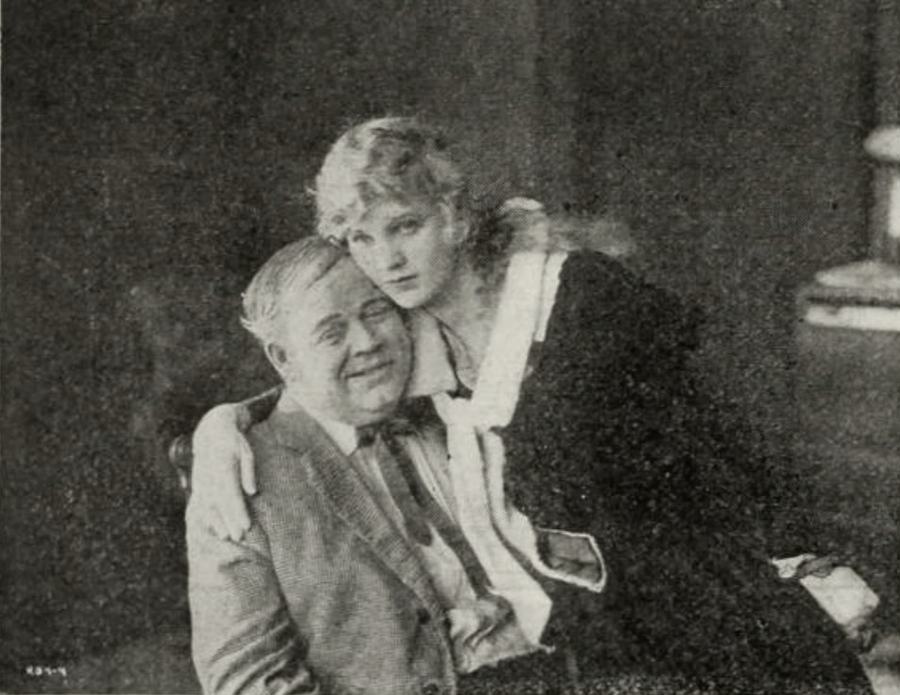
Critical reception in 1917 was bifurcated. The Chicago Tribune praised its "wholesome vim," while Variety dismissed it as "a pastoral fling for the maid trade." Modern scholars, however, detect proto-feminist DNA beneath the gingham. Feminist film archivist Jane Gaines situates Peggy alongside Fedora’s eponymous detective as early avatars of female narrative agency—though Peggy wields statute books instead of revolvers.
In the final analysis, Peggy Leads the Way is less a relic than a manual. It sketches a blueprint for how micro-histories—town councils, ledger sheets, pottery jugs—can resist macro-tyrannies. Watch it for Taliaferro’s incandescent restraint, for Forrest’s wounded aristocratic grace, for the utopian shimmer of a conclusion that privileges civic continuity over connubial closure. Watch it because the past is not a foreign country but a parallel present where ballots, not bullets, still hold sway.
Verdict: 9/10 — a cornucopia of pastoral insurgency, gendered self-determination, and proto-New Deal optimism, marred only by sporadic narrative expediency. Essential viewing for anyone who believes the frontier spirit can outlive the frontier.
IMDb —
1926
Community
Log in to comment.