DbcultAccessing Vault...
Cult Review
Senior Film Conservator
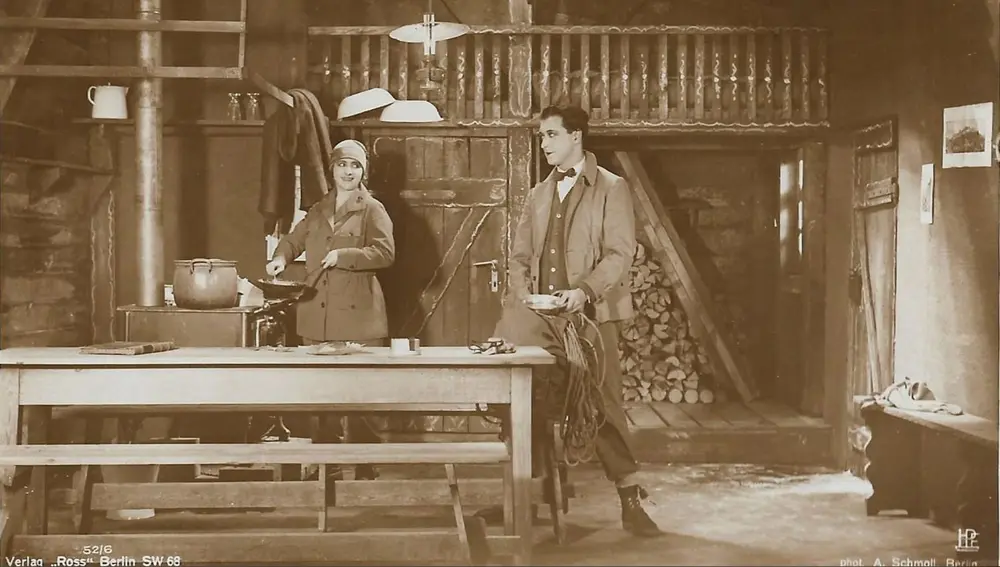
Short answer: yes, but with significant caveats. Is this largely forgotten silent film from a bygone era a must-see for the casual moviegoer in 2024? Absolutely not. However, for the dedicated cinephile, the film historian, or anyone with a deep curiosity for the foundations of cinematic art, Rosen aus dem Süden offers a fascinating, if challenging, glimpse into the past.
This film is for those who understand that engaging with early cinema is less about passive entertainment and more about active historical and artistic appreciation. It is decidedly not for viewers expecting modern narrative pacing, sophisticated dialogue (as there is none), or CGI spectacles. Instead, it demands patience, an open mind, and a willingness to interpret the language of a different time.
This film works because it serves as an invaluable historical document, preserving a fragment of early German cinema and the performance styles of its notable cast, offering a window into the narrative conventions and visual storytelling techniques of the 1920s.
This film fails because its plot details are largely lost to time, making a comprehensive critical analysis of its specific narrative merits impossible, and its silent, melodramatic conventions may alienate modern audiences accustomed to faster, more explicit forms of storytelling.
You should watch it if you are a film student, a historian, or someone deeply interested in the evolution of acting and directing, eager to experience the raw, foundational elements of a burgeoning art form rather than seeking contemporary entertainment value.
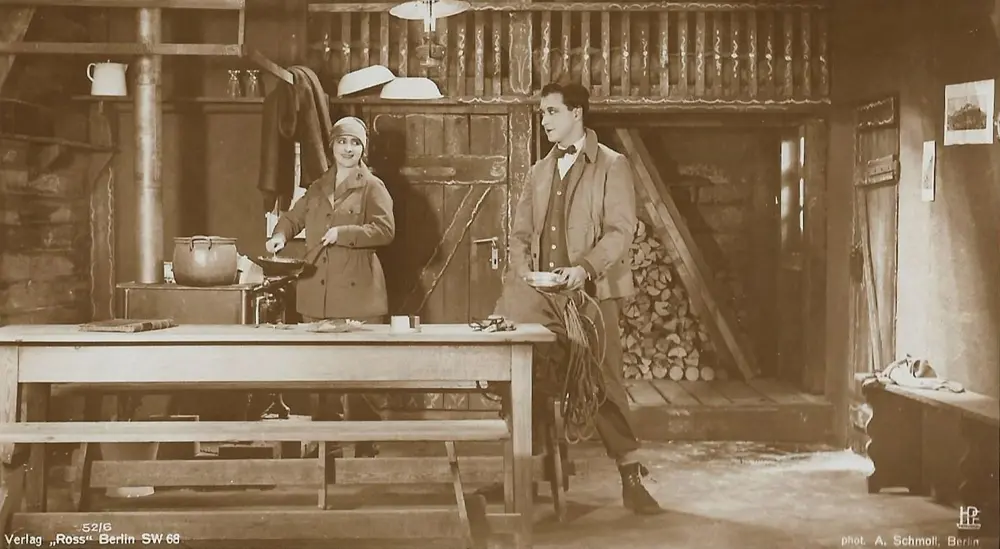
Stepping into the world of Rosen aus dem Süden is akin to opening a time capsule. This film, emerging from the silent era, exists within a cinematic landscape vastly different from our own. It's a period defined by its unique storytelling mechanisms, where the absence of synchronized sound necessitated an exaggerated visual language and a heavy reliance on intertitles to convey dialogue and exposition.
The early 1920s, when this film premiered, represented a critical juncture in film history. The novelty of moving pictures had worn off, and filmmakers were beginning to explore more complex narratives and sophisticated techniques. Yet, the medium was still in its infancy, grappling with technical limitations that shaped its aesthetic and narrative conventions.
For films like Rosen aus dem Süden, the very act of viewing becomes an exercise in historical empathy. We must adjust our expectations, understanding that what might appear quaint or overly dramatic by today's standards was, at the time, cutting-edge emotional communication. The challenge, and indeed the reward, lies in bridging that temporal gap.
The film's title, 'Roses from the South', strongly hints at a melodrama, a genre immensely popular during the silent era. These narratives often dealt with grand passions, moral dilemmas, and the triumph or tragedy of love, family, and societal standing. Without a detailed plot summary available, we must infer much of its thematic content from these genre conventions and the era's prevailing tastes.
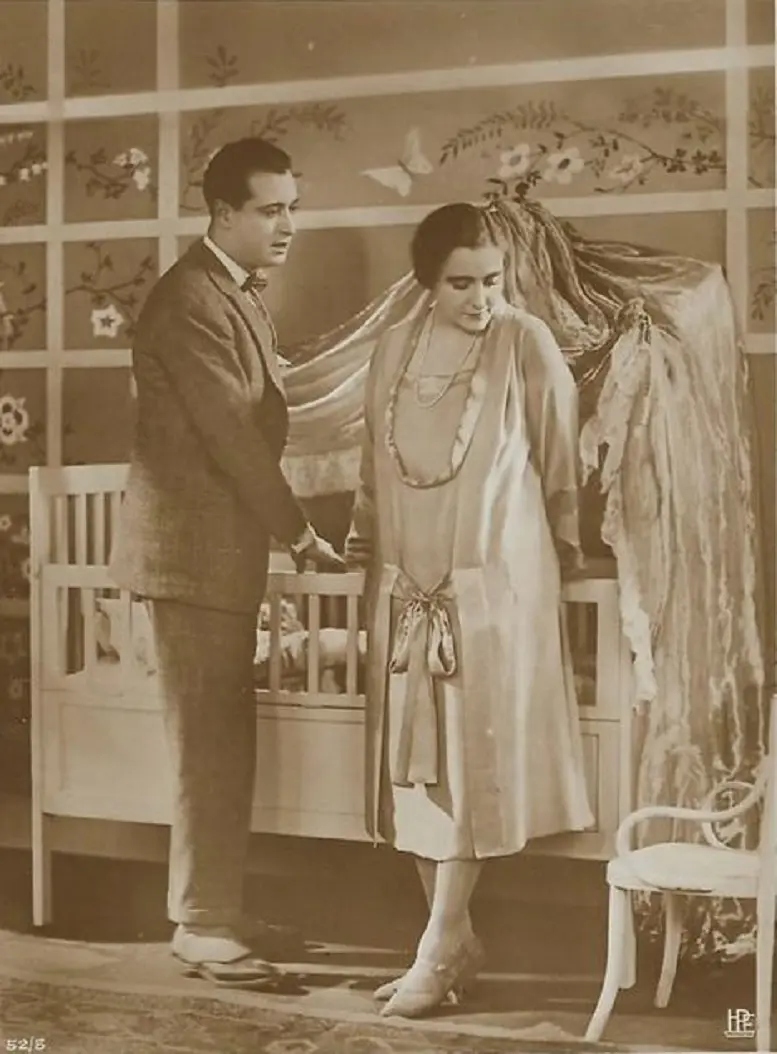
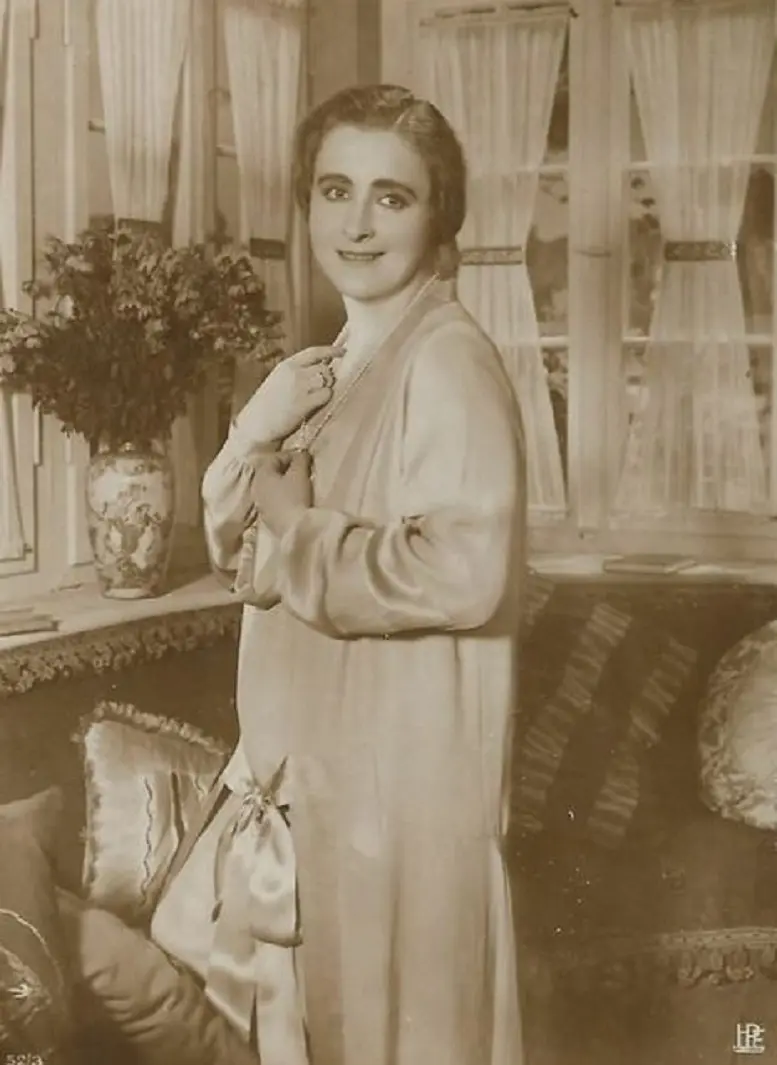
In silent cinema, the actor was the primary conduit for emotion and plot. With no spoken dialogue, every gesture, every facial expression, every body movement had to be amplified, almost choreographed, to convey meaning. The cast of Rosen aus dem Süden, featuring names like Sophie Pagay, Henny Porten, and Wilhelm Bendow, would have been masters of this craft.
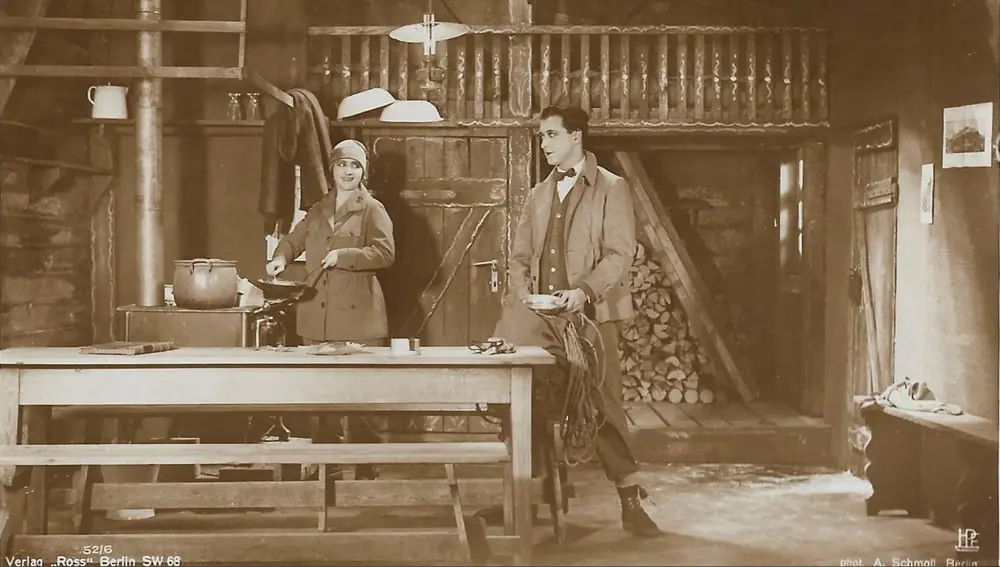
Sophie Pagay, a seasoned performer, likely brought a commanding presence to her role, employing the broad, expressive gestures typical of the era. One can easily imagine her delivering a performance rich in the grand gestures and pantomime necessary to convey deep emotion, her every tilt of the head or clasp of the hands telegraphing volumes of unspoken feeling, much like early performances seen in something like Bought and Paid For. This style, while perhaps jarring to modern sensibilities, was essential for audience comprehension.
Henny Porten, another prominent figure of German silent cinema, was known for her nuanced yet powerful portrayals. Her presence would have drawn audiences, her ability to convey pathos and vulnerability through subtle shifts in expression being a hallmark of her acting. Her performances often elevated the material, imbuing characters with a depth that transcended the limitations of the medium.
The director, guided by writers Walter Supper and Hans Oberländer, would have faced the challenge of translating their narrative vision into a purely visual spectacle. Silent film direction often involved static camera setups, carefully composed tableau shots, and a deliberate pace that allowed audiences to absorb the visual information. The camera served as a window, rather than an active participant in the scene, a stark contrast to the dynamic camerawork we expect today.
The writing process for silent films was also unique. Supper and Oberländer would have crafted a story heavily reliant on visual cues and strong emotional beats, knowing that intertitles would fill in the gaps. Their skill would have been in creating a narrative compelling enough to sustain interest through visual storytelling alone, a testament to their understanding of the nascent cinematic language. The narrative would have been streamlined, focusing on clear character motivations and dramatic confrontations, designed to be understood universally, regardless of spoken language, a common aim for films of this period.
The cinematography of Rosen aus dem Süden would have been defined by its monochromatic palette. Black and white film, while limiting in terms of color, allowed for striking contrasts and sophisticated use of shadow and light. Early filmmakers were adept at using lighting to create mood, highlight key elements, and sculpt the faces of their actors. Sets were often elaborate, designed to be visually impactful and convey a sense of place without needing verbal descriptions.
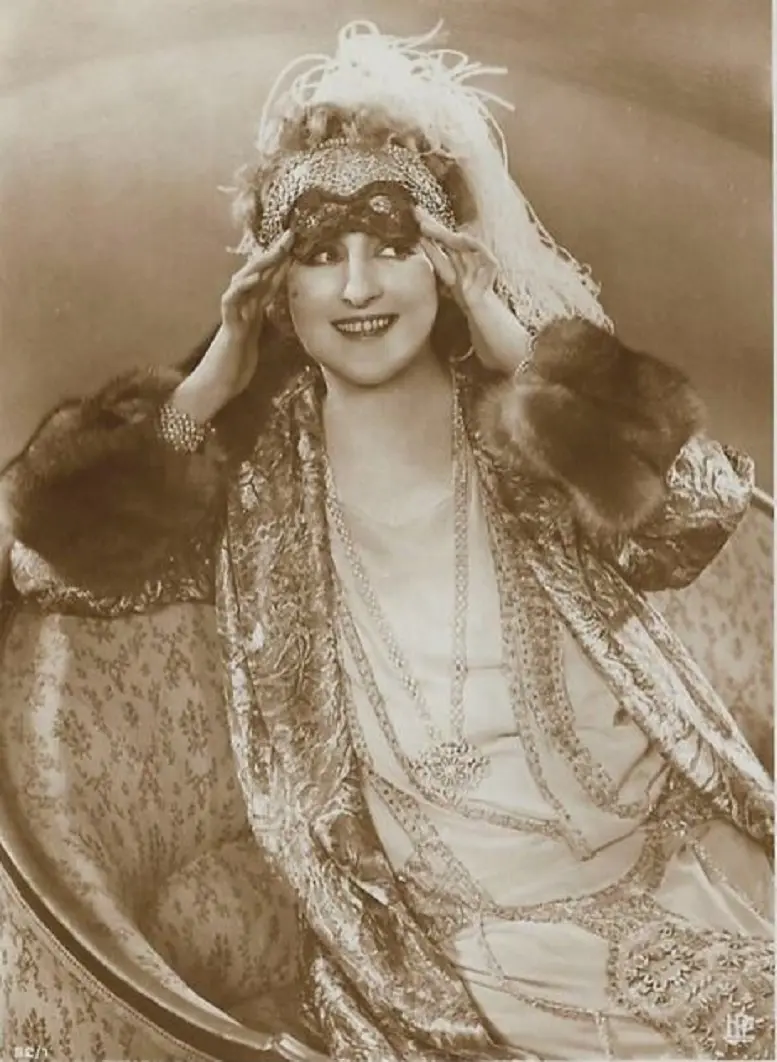
One can surmise that the visual aesthetic would have been carefully constructed, perhaps featuring opulent interiors or picturesque outdoor settings, all designed to enhance the film's melodramatic appeal. The monochromatic palette, while limiting, often allowed for striking contrasts and shadow play, a visual staple that, when effective, could be as impactful as the dynamic compositions in The Sporting Venus, albeit with different narrative goals.
Pacing in silent films, by modern standards, can feel slow. Scenes often unfold deliberately, allowing time for actors to convey emotion through extended gestures and for audiences to read intertitles. This slower rhythm was not a flaw but a convention, a necessary adjustment to the medium's capabilities. It allowed for a more contemplative viewing experience, where the audience was invited to immerse themselves in the visual storytelling without the constant push of dialogue or rapid-fire editing.
The tone of Rosen aus dem Süden, given its likely genre, would have been overtly melodramatic. Emotions would have been grand, conflicts pronounced, and resolutions often starkly moralistic or tragically poignant. This wasn't subtle cinema; it was cinema designed to evoke strong, immediate emotional responses, an approach that still holds a certain power for those willing to engage with it on its own terms.
"Watching an early silent film is not just about seeing a story; it's about witnessing the birth of an art form, understanding its foundational grammar, and appreciating the ingenuity of filmmakers working without the tools we now take for granted."
Yes, for a very specific audience, Rosen aus dem Süden is absolutely worth watching. It is a piece of cinematic history, a time capsule from an era when film was still discovering its voice. For students of film, historians, or those with a deep academic interest in early 20th-century German culture and art, its value is immense.
However, for the average viewer seeking entertainment, this film will likely prove a difficult watch. The lack of sound, the unfamiliar acting styles, and the slower pacing can be significant barriers. It requires an active engagement and an appreciation for what it represents historically, rather than what it offers as contemporary entertainment.
If you are someone who enjoys dissecting the evolution of storytelling, observing the genesis of cinematic techniques, or simply marveling at the artistry of performers who communicated solely through physical expression, then this film offers a unique and rewarding experience. It's a journey into the DNA of cinema itself.
The true value of films like Rosen aus dem Süden lies not just in their narrative, but in their very existence. They are fragile artifacts, windows into a world long gone, offering insights into the social mores, fashion, and artistic sensibilities of their time. The preservation of such films is paramount, ensuring that future generations can understand the roots of the medium that has so profoundly shaped our culture.
One of the most surprising observations when engaging with silent films is how effectively they can still convey raw human emotion. Despite the archaic presentation, a skilled actor like Henny Porten or Sophie Pagay could, through a glance or a subtle movement, communicate a universal truth that transcends the decades. It's a testament to the power of non-verbal communication, a skill often lost in our dialogue-heavy modern cinema.
I would argue that the perceived 'slowness' of silent films is often a misinterpretation. Instead of being slow, they are deliberate. They invite contemplation, allowing the viewer to linger on images, to absorb the nuances of performance, and to engage their own imagination in filling the silent spaces. This active participation can be far more rewarding than the passive consumption of many contemporary blockbusters.
It works. But it’s flawed. The challenge for modern audiences is to shed their preconceptions and embrace the unique aesthetic. It’s an acquired taste, certainly, but one that offers a rich, often profound, understanding of film as an art form.
Invaluable historical artifact, offering a rare glimpse into early German cinema.
Showcases the expressive acting styles of silent film stars like Sophie Pagay and Henny Porten.
Provides insight into the early development of cinematic storytelling and visual language.
A unique experience for film historians and dedicated cinephiles.
Specific plot details are largely unknown, making a detailed narrative critique impossible.
The silent film format, with intertitles and exaggerated acting, can be challenging for general audiences.
Pacing is significantly slower than modern films, requiring patience.
Lacks the immediate entertainment value expected by contemporary viewers.
To judge Rosen aus dem Süden by today's cinematic standards would be a disservice, akin to critiquing a cave painting for its lack of photorealism. This is not a film meant for casual consumption; it is a relic, a testament to the nascent power of moving images. Its primary value is not as a narrative triumph for a 21st-century audience, but as an irreplaceable piece of cultural heritage and a foundational text for understanding the evolution of film. While its specific story may be obscured by time, its very presence speaks volumes about the ambition and artistry of early filmmakers. For the right viewer, it offers a profound, almost spiritual, connection to the origins of the medium. Approach it with reverence and curiosity, and you'll find it an enriching, if demanding, experience. Ignore it, and you miss a crucial chapter in cinema's grand story.
IMDb 6.4
1919
Community
Log in to comment.