DbcultAccessing Vault...
Cult Review
Senior Film Conservator
In the vast, often overlooked annals of early cinema, certain works emerge from the celluloid mist with an arresting power that transcends their era. San-Zurka-San is unequivocally one such masterpiece, a film that, despite its relative obscurity in mainstream discourse, resonates with a profound artistic ambition and narrative dexterity. It is a sweeping epic that plunges its audience into a fantastical realm, rich with ancient lore and the eternal struggle between light and encroaching shadow. This is not merely a tale spun for entertainment; it is an allegorical journey, a visual poem that speaks to the very core of human desire, sacrifice, and the relentless pursuit of freedom. From its opening frames, one is immediately enveloped by a sense of impending grandeur, a promise of a cinematic experience unlike any other, demanding not just viewership, but contemplation.
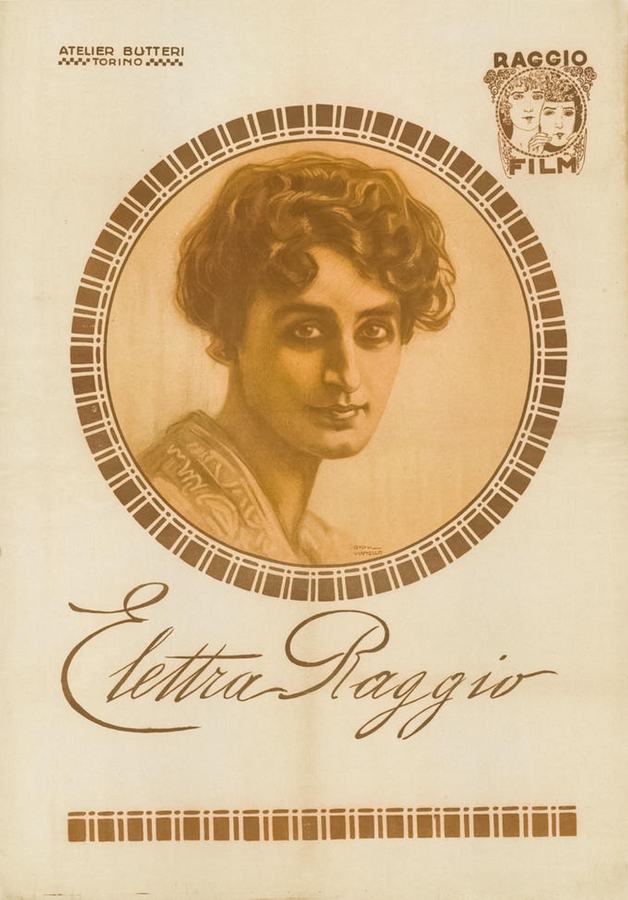
The narrative architecture of San-Zurka-San is intricate, yet never convoluted. It introduces us to the mythical kingdom of Eldoria, a land sustained by the ethereal energies of the Heartstone, a benevolent relic safeguarded by the royal lineage. Princess Lyra, portrayed with a captivating blend of vulnerability and nascent resilience by Elettra Raggio, embodies the purity and hope of this realm. Her connection to the Heartstone is not merely ceremonial; it is symbiotic, her spirit a mirror to its luminous power. The serenity of Eldoria, however, is shattered by the ascendance of San-Zurka-San, a warlord of chilling ambition, brought to terrifying life by the inimitable Lamberto Picasso. Picasso’s portrayal is a masterclass in silent villainy, a performance that communicates ruthless intelligence and unbridled malevolence through every subtle gesture and piercing gaze. His design to seize the Heartstone and pervert its essence for his own tyrannical ends forms the central conflict, a struggle for the very soul of a civilization. This premise, while seemingly straightforward, is imbued with layers of mystical and moral complexity, elevating it beyond a simple good-versus-evil dichotomy. The film delves into the corrupting influence of power, the fragility of peace, and the enduring human spirit that rises against oppression.
Enter Kael, Lyra’s clandestine protector, a figure of stoic strength and unwavering loyalty, embodied by Thenno. Thenno’s performance is a study in understated heroism. He conveys Kael’s deep affection for Lyra and his profound commitment to Eldoria not through overt declarations, but through the quiet intensity of his resolve, the determined set of his jaw, and the subtle shifts in his expressive eyes. His journey to rescue Lyra and thwart San-Zurka-San’s dark machinations is a perilous odyssey, a true hero’s quest replete with mystical trials, treacherous landscapes, and formidable adversaries. Each step Kael takes is fraught with danger, each obstacle a test of his moral fiber and physical endurance. The film excels in portraying this arduous pilgrimage, meticulously building tension and investment in Kael’s ultimate success. The stakes are perpetually high, and the emotional resonance of his struggle is palpable, drawing the audience into his harrowing world. This narrative depth ensures that San-Zurka-San remains not just visually stunning, but also emotionally gripping, a testament to the power of storytelling in its most essential form.
The success of San-Zurka-San hinges significantly on the extraordinary performances of its lead cast. Thenno, as Kael, delivers a performance of remarkable gravitas and physical prowess. His portrayal avoids the often-theatrical excesses of the silent era, opting instead for a more internalized, nuanced approach that lends Kael a profound sense of authenticity. One can almost feel the weight of his burden, the silent scream of his desperation, and the unyielding flicker of hope in his pursuit of justice. His interactions with Raggio’s Lyra, though often brief and wordless, are charged with an undeniable emotional current, conveying a love that transcends the spoken word. This subtle chemistry is crucial, grounding the fantastical elements of the plot in a relatable human connection. Thenno’s Kael is not merely a warrior; he is a symbol of steadfast courage, a beacon in the encroaching darkness, and his performance anchors the film’s moral compass.
Elettra Raggio, as Princess Lyra, is nothing short of luminous. Her performance is a delicate balance of regal bearing and profound vulnerability. Lyra is not a damsel in distress in the traditional sense; she possesses an inner strength, a spiritual fortitude that even in captivity, never fully breaks. Raggio conveys the character’s suffering with heart-wrenching authenticity, yet also hints at a deeper reservoir of resilience. Her eyes, often wide with fear or sorrow, also flash with moments of defiance, reminding us of her inherent connection to the Heartstone’s power. The despair she portrays is palpable, drawing the audience into her plight, making her ultimate liberation a deeply satisfying emotional release. Raggio manages to imbue Lyra with a quiet agency, making her more than just a prize to be won, but a vital component of Eldoria’s very essence. Her performance is a testament to the power of non-verbal communication, conveying complex emotions with exquisite precision.
Opposite these forces of good stands Lamberto Picasso as the titular San-Zurka-San, a villain for the ages. Picasso eschews cartoonish evil, instead crafting a character whose malevolence feels chillingly real. His San-Zurka-San is not merely cruel; he is calculating, intelligent, and driven by a terrifyingly clear vision of absolute dominion. Picasso’s command of his physicality, his expressive face, and his deliberate movements create a formidable antagonist whose presence looms large over every frame. The way he manipulates his subordinates, the cold satisfaction in his gaze, and the almost ritualistic nature of his quest for power are all rendered with masterful precision. It is a performance that resonates with echoes of historical despots, making his cinematic tyranny feel disturbingly plausible. The clash between Picasso’s imposing figure and Thenno’s resolute hero forms the dramatic crucible of the film, a battle of wills as much as a clash of swords.
Beyond the stellar performances, San-Zurka-San is a triumph of early cinematic artistry. The film’s direction is marked by a sweeping vision and an impeccable sense of pacing, a rarity in an era often characterized by more static compositions. The cinematography is breathtaking, utilizing innovative techniques to capture the vastness of Eldoria’s landscapes and the oppressive atmosphere of San-Zurka-San’s fortress. The use of light and shadow is particularly remarkable, creating striking contrasts that heighten the dramatic tension and underscore the film’s thematic concerns. Intricate set designs transport the viewer to ancient temples, bustling markets, and treacherous mountain passes, each location meticulously crafted to immerse the audience fully in this fantastical world. The scale of the production is truly ambitious, with elaborate crowd scenes and dynamic action sequences that would rival many contemporary productions. The visual storytelling is so potent that it renders intertitles almost secondary, allowing the imagery itself to carry the bulk of the narrative and emotional weight. One cannot help but draw parallels to the grandiosity found in films like I Borgia, but San-Zurka-San manages to carve out its own unique visual identity, blending historical epic with mystical adventure seamlessly.
The artistry extends to the film’s costume and makeup, which are richly detailed and perfectly suited to the fantastical setting. Each character’s attire speaks volumes about their status, allegiance, and personality, adding another layer of depth to the visual narrative. The special effects, while rudimentary by today’s standards, are employed with creative ingenuity, particularly in depicting the mystical powers of the Heartstone and the ancient traps Kael encounters. These effects, rather than distracting, enhance the film’s sense of wonder and danger, demonstrating a pioneering spirit in visual storytelling. The director’s keen eye for composition ensures that every frame is a work of art, a carefully constructed tableau that contributes to the overall aesthetic and thematic impact. This meticulous attention to detail is what elevates San-Zurka-San from a mere adventure story to a profound artistic statement, showcasing the full expressive potential of silent cinema. The pacing, in particular, deserves commendation; it allows moments to breathe, building suspense and emotional resonance, a sophisticated approach that feels remarkably modern.
In the broader context of silent cinema, San-Zurka-San stands as a towering achievement, a testament to the era’s capacity for ambitious and emotionally complex storytelling. It shares a thematic kinship with other epic dramas of its time, such as The Battle of Hearts in its depiction of moral quandaries, or the romantic escapism of Princess Virtue, yet it distinguishes itself through its unique blend of mystical elements and political intrigue. While films like Little Women (1918) focused on intimate domestic narratives, San-Zurka-San dared to paint on a far grander canvas, exploring themes of destiny, fate, and the indomitable will of a people against tyranny. Its influence can be subtly traced in later adventure films, particularly in its pioneering use of exotic locales and larger-than-life characters. The director’s command of visual narrative, conveying complex psychological states and epic scope without dialogue, positions it alongside the finest works of early cinema, such as the evocative La fête espagnole, which similarly relied on visual flair and emotional intensity. Even in comparison to more lighthearted fare like Jumbles and Jokers or the charming simplicity of Little Mary Sunshine, San-Zurka-San asserts its profound artistic weight.
The film’s legacy, though perhaps not as widely celebrated as some of its contemporaries, is undeniable among cinephiles and historians who champion the art of silent film. It serves as a powerful reminder of the sophisticated storytelling techniques that existed long before the advent of sound. The sheer ambition of its production, coupled with the nuanced performances and compelling narrative, makes it a vital piece of cinematic heritage. Its exploration of universal themes—love, sacrifice, good versus evil, the struggle for freedom—ensures its continued relevance, allowing it to resonate with audiences across generations. One might even compare its intricate character dynamics and underlying moral questions to films like Her Own People or The Sign Invisible, which also delved into deeply personal and societal conflicts. Yet, San-Zurka-San elevates these concerns to a truly mythic scale, making its impact uniquely profound. The way it builds tension through visual cues, the masterful use of intertitles to enhance rather than dictate emotion, and the epic sweep of its story all contribute to its enduring power. It is a film that demands rediscovery, a cinematic treasure waiting to captivate new audiences with its timeless narrative and artistic brilliance. Its ability to create such a rich, immersive world without a single spoken word is a testament to the sheer creative genius behind its making, solidifying its place as a truly remarkable work of art.
In an era where cinema was still finding its voice, San-Zurka-San spoke volumes through its imagery, its performances, and its unwavering commitment to a grand vision. It is a film that challenges, inspires, and ultimately, leaves an indelible mark on the viewer’s imagination. Its narrative complexities and visual splendor demonstrate a maturity of cinematic language that was far ahead of its time. The enduring power of Kael's journey, Lyra's resilience, and San-Zurka-San's chilling ambition ensures that this film will continue to be a subject of fascination and study for those who appreciate the profound artistry of the silent screen. It is a work that deserves its rightful place among the pantheon of cinematic epics, a testament to the boundless creativity that defined the formative years of film. Its emotional depth and grand scale make it a truly unforgettable experience, a journey into a world both ancient and eternally relevant.
IMDb —
1928
Community
Log in to comment.