DbcultAccessing Vault...
5.2/10
Senior Film Conservator
A definitive 5.2/10 rating for a film that redefined the boundaries of cult cinema. Ecuador Noticiero Ocaña Film remains a cornerstone of transgressive art.
Right off the bat, let's be clear: Ecuador Noticiero Ocaña Film isn't for everyone. If you're looking for a plot, or big drama, or even just sound, you'll be disappointed. This is a silent film, a newsreel really, from a long time ago. 🕰️
But if you're a history buff, or just curious about how things looked in Ecuador way back when, it's absolutely worth a peek. Anyone expecting a thrilling narrative will probably bounce off it pretty quick.
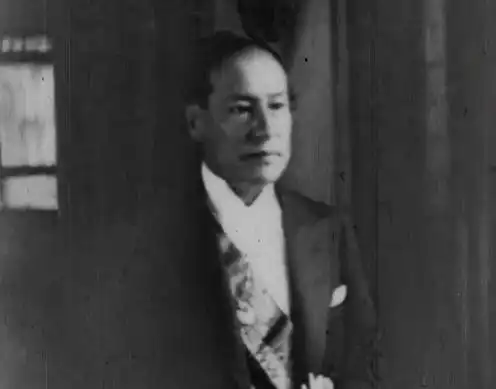
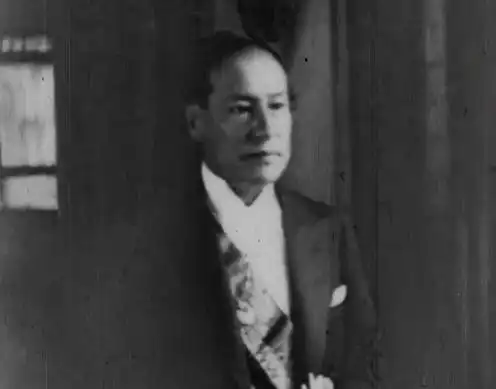
The film kicks off with President Isidro Ayora's inauguration reception. All these men, stiff in their suits, formal to a fault. The ambassadors stand around, some looking a bit awkward, like they're not quite sure where to put their hands.
It's fascinating to see the clothing, the gestures. Everyone seems to be trying very hard to appear dignified. One shot of an ambassador shaking hands, he just holds on a beat too long, and it feels kinda funny. Almost like a blooper, but not.
Then it shifts, pretty abruptly, to what the film calls 'Aspects of Public Administration.' This is where it gets really interesting for me. It shows schools, mostly. Tiny classrooms, children sitting so prim and proper. Their little faces are so serious, you know? Like they grasp the importance of being on camera, maybe.
The school buildings themselves, they look… functional. Nothing grand. You can almost feel the dust in those old rooms. It makes you think about how different education was, how much simpler, or harder, perhaps.
The health sections are shorter, and a bit more abstract. We see glimpses of what might be hospital wards, but it’s hard to tell for sure. People moving around, some looking frail. It's not a detailed look, more like a quick visual check-in. Like, "Yes, we have hospitals!"
The camera work is very static. It just *observes*. It sits there, letting the scene unfold, not trying to guide your eye too much. No fancy angles or quick cuts. It's a straightforward, almost honest gaze into the past. 📸
What strikes you is the sheer **formality** of everything. Every movement feels deliberate, every interaction weighted. There's a particular shot of President Ayora walking through a doorway; his gait is so measured, almost stately. You just don't see that kind of public demeanor much these days.
There's a moment during the reception where a server walks past with a tray, and for just a second, his eye catches the camera. A tiny, almost imperceptible flicker of recognition. It’s a little crack in the official facade, a small human moment in a very stiff setting.
The overall impression is one of a country trying to present its best face to the world, to show a functioning, modern (for its time) society. It's not trying to entertain, it's trying to inform, to document.
This isn't a film you'd put on for a casual movie night. It's more like opening a dusty old photo album, but one filled with moving pictures of a nation. It’s a document, really. A **snapshot** of a specific time and place, unfiltered by later interpretations.
So, yeah. Go in expecting a historical artifact, not a story. And you might find something quite compelling in its quiet, unassuming way. It makes you kinda wonder about those people, what their lives were like after the camera stopped rolling.
IMDb —
1922
Community
Log in to comment.