Somewhere between the nickelodeon’s smoky hush and the first wheeze of the pipe organ, Edgar's Feast Day detonates like a custard pie filled with lit firecrackers. Clocking in at barely twelve minutes, this 1920 one-reel confection—penned by a pre-Penrod Booth Tarkington—doesn’t walk the line between innocence and gluttony; it tap-dances on it in hobnail boots smeared with jelly.
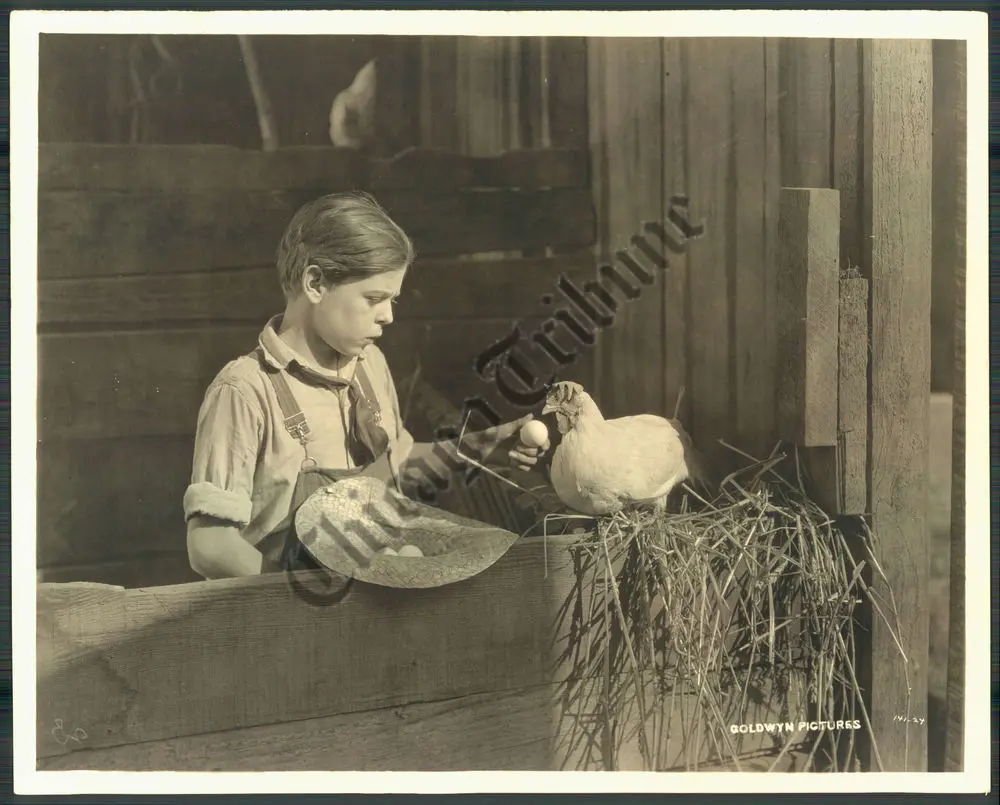
We open on a veranda that seems borrowed from a faded cabinet card: geraniums in tin pails, the smell of hot pine boards, the whole Midwestern summer pressing its humid thumbprint against the lens. Enter Edgar (Edward Peil Jr., channeling both altar-boy sincerity and junior grifter), sleeves already rolled like a fledgling riverboat gambler. He whistles a dog-call to the neighborhood’s ravenous infantry: Lucille Ricksen’s cheek-pinching ingenue, Cordelia Callahan’s gap-toothed imp, Buddy Messinger’s human firecracker, and a half-dozen other moppets who arrive as though summoned by Pavlovian dinner bell.
Scene from Edgar's Feast Day
Cinematic perspective: Exploring the visual vocabulary of Edgar's Feast Day (1921) through its definitive frames.
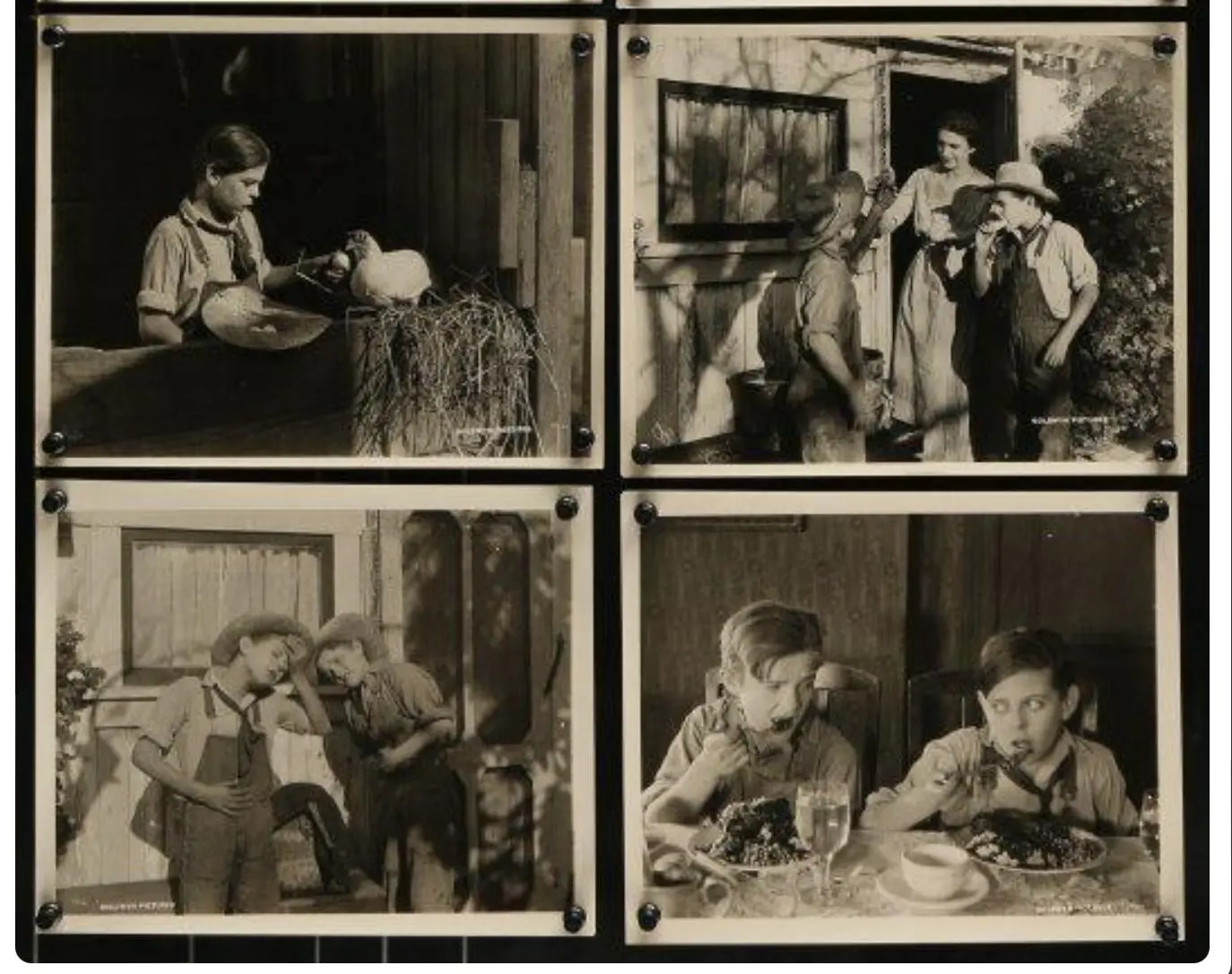
What follows is less a narrative than a gustatory bacchanal filmed with the glee of a child let loose in a confectionery with a hammer. The camera, restless as a sugar-stung wasp, pirouettes across tables that sag beneath pickle crocks, bricks of Neapolitan ice-cream sweating wax paper, and gumdrops that gleam like stained-glass hail. Each close-up is a forensic portrait of appetite: molars sinking into translucent jelly, a tongue harvesting treacle from a split seam of pie crust, fingers swirling through icing as if testing fresh paint. You can almost taste the tang of vinegar brine colliding with cloying vanilla—a synesthetic maelstrom that leaves the viewer’s own stomach muttering in sympathy.
Edgar’s gang doesn’t merely eat; they excavate, they assault, they inhale. The act of consumption becomes a slapstick ballet—forks become javelins, spoons metamorphose into shovels, and every morsel is a dare thrown in the face of metabolic logic.
Scene from Edgar's Feast Day
Cinematic perspective: Exploring the visual vocabulary of Edgar's Feast Day (1921) through its definitive frames.
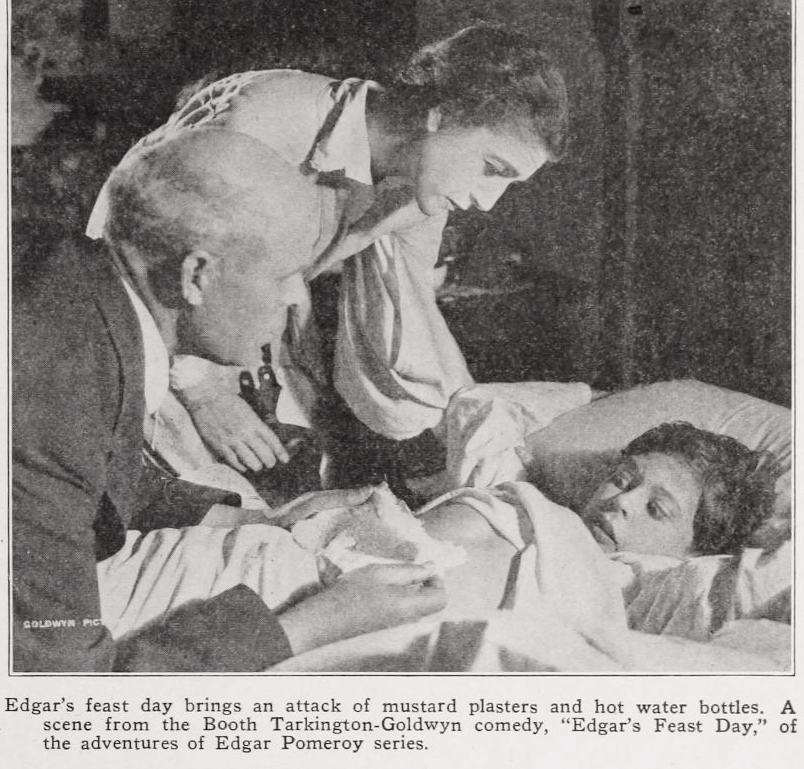
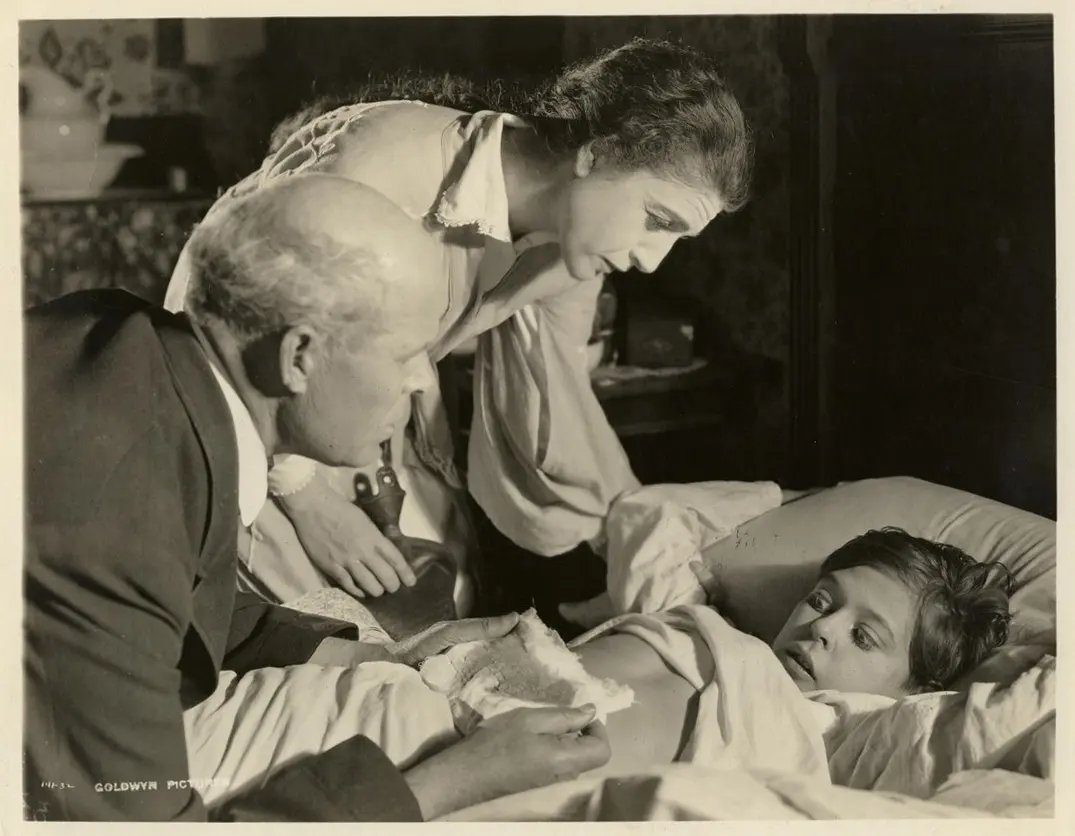
Tarkington’s literary DNA is unmistakable: the same wry anthropological eye that later roamed the alleys of Penrod is already here, miniaturized, squeezing sociology from a sarsaparilla belch. Childhood, he insists, is not innocence but rather a tiny nation-state governed by whim and jelly beans. The scenario’s punch-line arrives with cosmic inevitability: bellies balloon, brows glisten, eyes glaze into twin poached eggs. The gang collapses in a tableau that parodies every martyr painting hung in provincial parlors—only here the stigmata are stomach-aches, the ascension a woozy stagger toward the outhouse.
Director Frederick Moore (never a household name, always a swift visual raconteur) orchestrates the chaos with Keystone-adjacent verve but swaps Sennett’s railroad-paced hysteria for something more elastic, almost musical. Look for the repeated visual fugue: a long shot of the yard, then a stampede of legs, then an insert of food vanishing as if by sleight of hand. The rhythm is three-beat, a culinary waltz that accelerates into ragtime once the pickle jar shatters and brine races across the floorboards like a translucent comet.
Scene from Edgar's Feast Day
Cinematic perspective: Exploring the visual vocabulary of Edgar's Feast Day (1921) through its definitive frames.
Lucille Ricksen, all of twelve during filming, exudes a preternatural camera-savvy. Watch her pause mid-gorge, flutter lashes at the lens, and you’ll spot the embryonic flicker of what might have been—Tragedy cut her life short five years later, but here she is vibrantly alive, the sugar-dusted conscience of the pack. Edward Peil Jr. balances on that tightrope between leader and tyrant; his grin is equal parts Tom Sawyer and carnival barker. When he finally clutches his midriff and emits a groan worthy of grand opera, the film achieves its miniature catharsis: every Caesar must fall, even the emperor of jam.
Technically the print survives in 16mm, gate-chipped and sepia-washed, yet the imperfections amplify its ghost-in-the-candy-shop mystique. Nitrate decomposition flickers around the edges like nervous candlelight, while the hand-tinted pink of the ice-cream brick flashes in brief, lurid splendor whenever the projection bulb warms a frame. These chromatic hiccups feel intentional, as though the film itself is blushing at its own audacity.
Scene from Edgar's Feast Day
Cinematic perspective: Exploring the visual vocabulary of Edgar's Feast Day (1921) through its definitive frames.
Compared with contemporaneous one-reelers, Edgar's Feast Day shares spit-bubble DNA with Bare Knuckle Gallagher’s roughhouse masculinity, yet replaces fisticuffs with foodstuffs. It also rhymes thematically with The Hungry Heart’s moralizing overindulgence, but where the latter sermonizes, Edgar merely burps and lets the viewer decide if that’s scripture or sacrilege.
Modern eyes may read preludes to body-positivity discourse, indictments of processed sugar, or simply the eternal comedy of consequence. I see something more wistful: a celluloid time-capsule of an America still innocent enough to faint from too much pie, yet shrewd enough to laugh at itself immediately after. The stomach-ache is not merely punishment; it’s a rite, a necessary sting that proves the sweetness was real.
Scene from Edgar's Feast Day
Cinematic perspective: Exploring the visual vocabulary of Edgar's Feast Day (1921) through its definitive frames.
One could argue the film is a microcosm of Roaring-Twenties excess before the decade’s hangover: a nation bingeing on novelty, prosperity, and bootleg gin, indifferent to the looming ulcer of 1929.
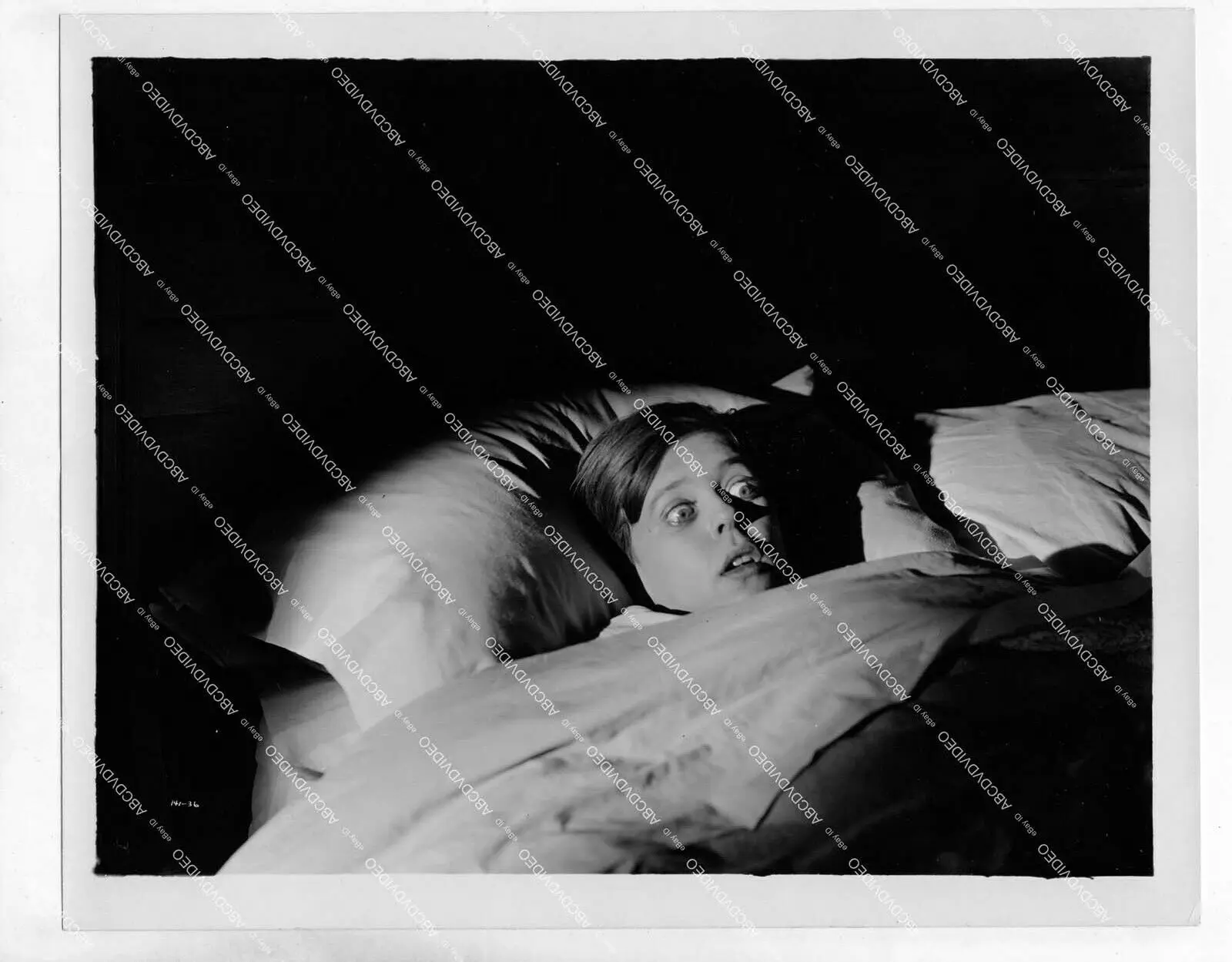
Yet intellectual scaffolding aside, Edgar's Feast Day endures because it tickles something primal. We have all been that child, eyes bigger than belly, bargaining with the universe for just one more slice. The movie externalizes the interior monologue of every diet-breaker: “This will be worth the pain.” And when pain arrives—filmed in queasy close-up, pupils dilated, sweat beads slugging down temples—it is so exaggerated, so lovingly lit, that laughter detonates like pressure release, a psychic antacid.
The score, when screened with a competent accompanist, should lurch from waltz to stomp, climaxing in a discordant chord the moment the last pickle disappears. I’ve heard a Wurlitzer imitate a gurgling stomach; I’ve heard a xylophone replicate the plink of gumdrops on wood. Silent cinema, at its best, is communal alchemy, and this trifle invites every spectator to bring personal seasoning.
Restoration-wise, the surviving print needs love: warped intertitles, French-cancan scratches, emulsion pitting like acne on adolescence. A 4K scan could stabilize the image, but part of me hopes any future restorers leave a modest veil of wear. To sandblast every scuff would be to erase the patina of appetite, the visual equivalent of sugar-free cake—technically correct, spiritually bereft.
Marketing ephemera of the era promised “1000 laughs and a tummy tickle!” which undersells the film’s compact sophistication. Yes, it’s funny; but it is also a pocket mirror held up to consumption itself, a prophecy of Happy-Meal culture, of binge-streaming marathons, of Black-Friday tramplings for discounted flat-screens. The more we laugh at Edgar’s gluttony, the more we recognize our own algorithm-fed gorging, doom-scrolling through an endless pantry of digital sweets.
Cinephiles tracking Tarkington adaptations usually land on The Secret of Butte Ridge or Home Talent, yet his stamp is clearest here, distilled to a hard candy bullet: childhood as mythic theater, small towns as cracked amphitheaters where every game is rehearsal for adult folly. If you cherish the episodic whimsy of Saturnino Farandola or the moral bite of His Only Father, then Edgar’s miniature feast will slide down like forbidden sherbet—icy, sweet, gone before you can decide whether it’s virtue or vice.
Ultimately, the film’s triumph lies in its refusal to wag a finger. It trusts the audience to feel the ache behind the laughter, to taste both the sugar and the sting. Long after the projector’s clickety-clack fades, you may find yourself staring into a midnight fridge, eyeing that last slice of cake, hearing an echo of children’s laughter and the faint threat of a rumbling belly. That is the legacy of Edgar's Feast Day: a reminder that every feast writes its own epilogue in cramps and dreams, and still we line up for seconds, hungry for the joke, for the memory, for the delicious, terrible sweetness of being alive.