DbcultAccessing Vault...
Cult Review
Senior Film Conservator
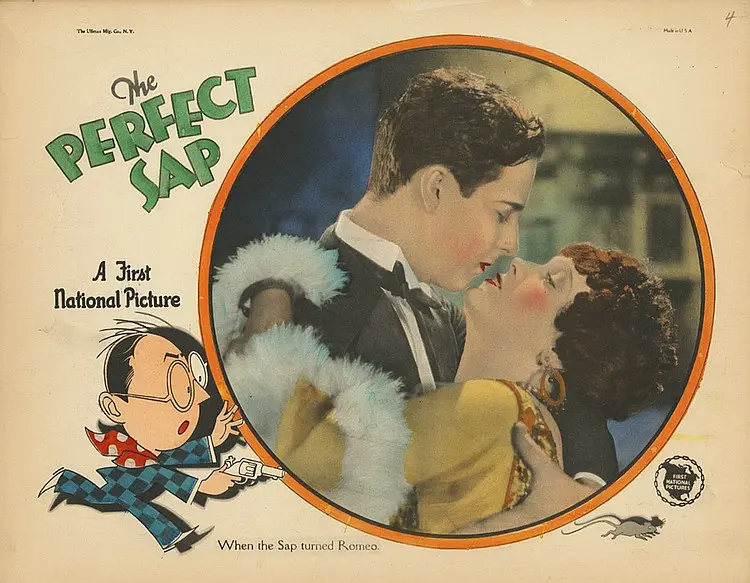
Is 'The Perfect Sap' a film that truly merits a viewing in our modern landscape? Short answer: yes, but with a nuanced understanding of its historical context and comedic sensibilities. This 1924 silent comedy, while undeniably a product of its era, offers a surprisingly sharp blend of farcical humor and subtle social commentary that can still resonate with patient viewers.
This film is an absolute must-see for devotees of silent cinema, particularly those with an appreciation for early screwball comedies and stories rich in mistaken identity. However, it is decidedly NOT for audiences accustomed to rapid-fire modern pacing, CGI spectacle, or those who struggle to engage with the unique storytelling rhythm of the silent era.
This film works because: Its intricate plot, despite its absurdity, is executed with a surprisingly deft hand, weaving together multiple threads of mistaken identity and class satire into a cohesive, entertaining whole.
This film fails because: Its comedic beats, while effective for the period, occasionally drag for a contemporary audience, and certain character motivations feel underdeveloped, relying heavily on genre tropes.
You should watch it if: You have a genuine interest in the evolution of cinematic comedy, enjoy the charm of silent film acting, and appreciate a narrative that playfully skewers societal pretenses without taking itself too seriously.
'The Perfect Sap' plunges us headfirst into a world where the lines between law and larceny are hilariously blurred. The narrative hinges on the utterly preposterous, yet entirely charming, conceit of Herbert Alden, a young man of considerable means, who finds himself so bored by his privileged existence that he takes up housebreaking as a hobby. Not for profit, mind you, but for the thrill, practicing with his ex-convict valet as his unwitting accomplice. This initial setup immediately establishes the film's playful, almost anarchic tone, suggesting a world where societal norms are ripe for comedic subversion.
The brilliance of Howard Irving Young's script lies in its escalation. Herbert’s amateur antics quickly collide with the harsh reality of professional thieves, George and Polly. This accidental meeting, followed by a frantic chase sequence, is a masterclass in silent film physical comedy, setting a breathless pace that, for a film of its vintage, remains remarkably engaging. The subsequent retreat to Herbert's apartment, where the 'sap' unknowingly harbors genuine criminals, is where the true engine of the plot begins to purr.
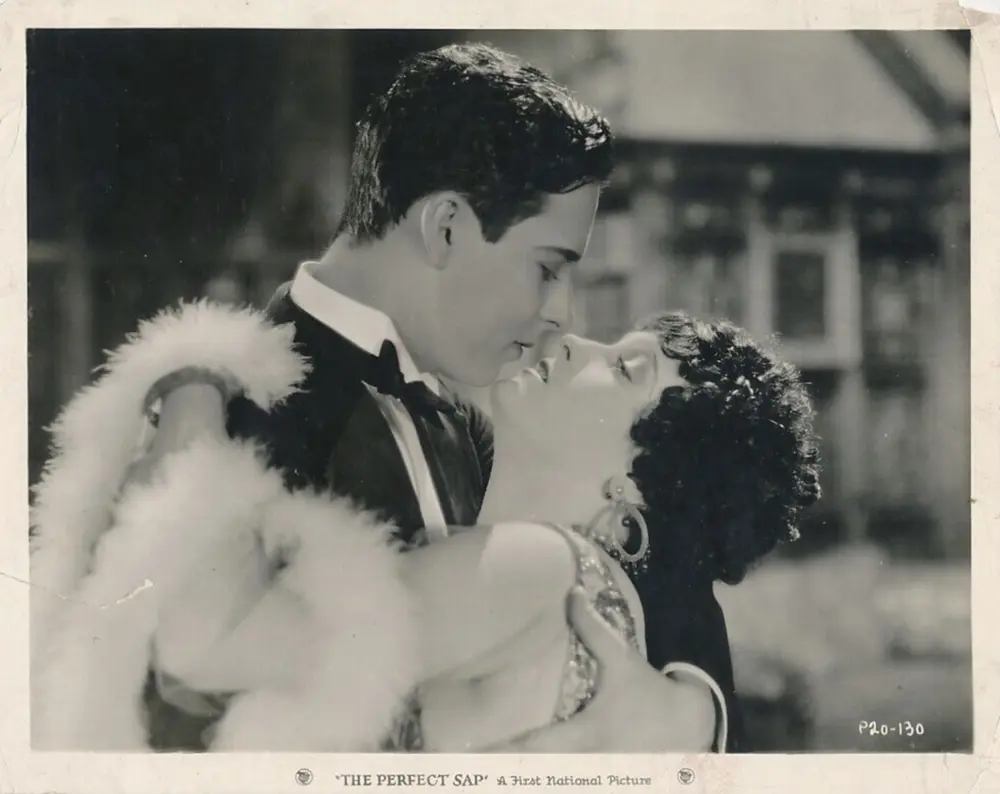
The stakes are raised considerably when George conspires to rob the guests at Herbert’s father’s exclusive ball. This serves as the perfect backdrop for the film's central deception: the reveal that 'Tony-the-Lizard,' the criminal mastermind, is none other than Tracy Sutton, Herbert’s sister’s fiancé. This twist is not just for dramatic effect; it’s a pointed commentary on the hidden lives and dual identities that can exist within the upper echelons of society. The film implies that respectability can be as much a disguise as any mask worn by a thief, a surprisingly cynical observation for a light comedy.
The climax, with Herbert exposing Tony and Polly ingeniously unmasking Ruth Webster, is a tightly choreographed sequence of reveals and counter-reveals. It’s a testament to the script’s construction that these rapid-fire disclosures, rather than feeling forced, contribute to the overall sense of exhilarating chaos. The final reveal of Polly as a newspaper writer, far from being a simple plot device, elevates her character beyond the typical damsel or femme fatale, injecting a touch of unexpected modernity into the Jazz Age narrative. It’s a plot that, while demanding a certain suspension of disbelief, rewards viewers with its cleverness and sustained comedic momentum.
The success of any silent comedy rests heavily on the shoulders of its performers, and 'The Perfect Sap' is no exception. The cast here, though largely unheralded by modern standards, delivers a series of earnest and often captivating portrayals that elevate the material beyond mere pantomime. Ben Lyon, as the titular Herbert Alden, embodies the naive enthusiasm required for the role with a commendable physicality. His wide-eyed innocence and bumbling attempts at detection are consistently amusing, never quite tipping into outright stupidity, maintaining a baseline of audience empathy despite his character's absurd premise. Lyon’s performance during the initial 'housebreaking' scene with his valet, where his exaggerated stealth and sudden flustered reactions are perfectly timed, sets the comedic standard for his character.
Pauline Starke, as Polly, is arguably the film's most compelling presence. She brings a nuanced complexity to a character that could have easily been one-dimensional. As the initially cynical thief, she projects an intriguing blend of street smarts and underlying vulnerability. Her transformation throughout the film, particularly when she’s forced to navigate the high-society ball in disguise, is subtly portrayed through her expressions and demeanor. Starke manages to convey both the cunning of a professional and the moral compass of a woman who ultimately chooses a different path. Her ability to hold the screen against the more overtly comedic performances of Lyon and Hardy is a testament to her understated power.
Sam Hardy, as George, the more hardened of the two thieves, offers a solid, if less transformative, performance. He provides a necessary foil to Polly's nuanced portrayal, grounding the criminal element with a gruff realism. Christine Compton, as Roberta, Herbert’s sister, and Diana Kane, as Ruth Webster, contribute effectively to the ensemble, particularly in the later scenes at the ball where the web of deceit is untangled. Virginia Lee Corbin, as the ill-fated Ruth Webster, plays her part with a deliciously villainous glee, making her eventual unmasking all the more satisfying. The dynamic between Byron Douglas’s Tony-the-Lizard and Ben Lyon’s Herbert, especially when Tony seeks 'advice,' is a masterclass in comedic misunderstanding, built entirely on their contrasting body language and expressions.
The ensemble works in concert, each actor understanding their specific role in the comedic machinery. There’s a palpable chemistry, particularly between Lyon and Starke, that hints at the romantic resolution without overstating it. It’s a collective effort that reminds us of the sheer talent required to communicate complex emotions and intricate plot points without a single spoken word. While individual performances might not reach the iconic heights of a Chaplin or Keaton, they are, as a whole, remarkably effective and engaging, making the characters feel surprisingly well-rounded for a silent-era comedy.
While 'The Perfect Sap' lacks a credited director in many databases, the film’s cohesive vision and energetic execution suggest a confident hand behind the camera. The pacing, in particular, is a standout element for a film from 1924. It moves with a surprising briskness, especially in its initial sequences. The opening chase scene, for instance, is a marvel of early cinematic dynamism, cutting between locations and characters with an urgency that belies its age. This isn't the languid, contemplative pacing sometimes associated with silent films; this is a director keenly aware of how to build and sustain comedic momentum.
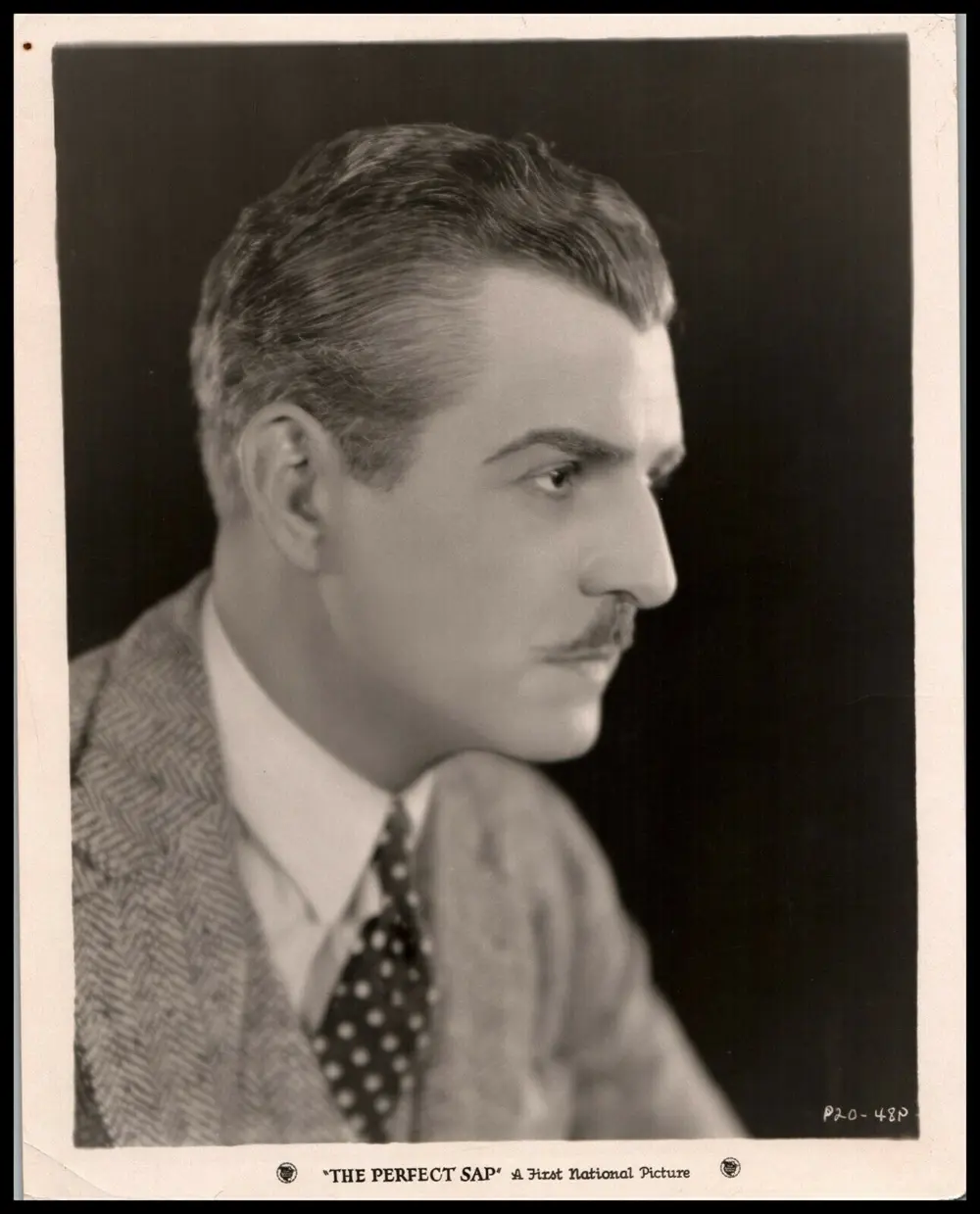
The film deftly balances its various plot threads, never allowing one to overshadow the others for too long. The transition from Herbert’s bumbling antics to the more serious machinations of George and Polly feels organic, keeping the audience invested in both the comedic and the criminal elements. The directorial choices in framing and editing contribute significantly to the film's clarity, a crucial factor in silent storytelling. Action is always legible, and character reactions are clearly conveyed through close-ups and well-staged interactions.
One could argue that the film occasionally suffers from the era’s reliance on intertitles to convey exposition, which can momentarily disrupt the flow. However, these are generally concise and serve to advance the plot rather than simply reiterate what’s happening on screen. The climactic ball scene is a testament to the film's directorial prowess. Managing a large ensemble, multiple simultaneous deceptions, and the eventual unraveling of the plot within a single, opulent setting is no small feat. The way the camera navigates the crowded ballroom, highlighting specific interactions and reactions, keeps the tension and comedy bubbling. Compared to the more episodic structure of something like The Nut, 'The Perfect Sap' feels more tightly constructed, leaning into a more modern, streamlined narrative approach.
The overall tone is consistently lighthearted, even when dealing with crime, a testament to the director's ability to maintain a comedic lens throughout. The film understands its genre and leans into the absurdity, never attempting to be more profound than it needs to be. This commitment to its comedic identity, coupled with its surprisingly nimble pacing, makes 'The Perfect Sap' a more engaging viewing experience than many of its contemporaries. It works. But it’s flawed. The director's touch, though uncredited, is evident in the film's consistent energy and clear narrative drive.
'The Perfect Sap' is a fascinating visual document of the Roaring Twenties, capturing the aesthetic sensibilities of an era defined by newfound opulence and societal shifts. The cinematography, while not groundbreaking by today's standards, effectively serves the story and provides a window into the period's visual language. The use of natural light and studio lighting is typical of the time, creating a relatively flat but clear image that prioritizes visibility of action and expression. There are no dramatic shadows or experimental angles; instead, the camera is positioned to observe, allowing the performers and the intricate set designs to tell the visual story.
The production design is particularly noteworthy. The contrast between Herbert's lavish city apartment, filled with ornate furniture and expansive spaces, and the grittier, more utilitarian settings of the thieves' hideouts, is stark and intentional. This visual juxtaposition immediately establishes the class dynamics at play, a recurring theme in the film. The highlight, undoubtedly, is the ball scene at Herbert's father's country home. The set design here is exquisite, evoking the grandeur and extravagance of Jazz Age high society. Crystal chandeliers, elegant gowns, and impeccably dressed gentlemen fill the frame, creating a sense of aspirational glamour that was a hallmark of the era.
Costuming also plays a crucial role, not just in establishing character but also in driving the plot. Polly’s transformation from her more modest, practical thief’s attire to the sophisticated gown she wears at the ball is a visual metaphor for her dual identity and her attempts to blend into a world she normally preys upon. Similarly, the formal wear of the male characters, from Herbert’s tailored suits to Tony-the-Lizard’s impeccable evening dress, underscores the veneer of respectability that often masks ulterior motives. The film’s aesthetic choices, while perhaps not pushing the boundaries of cinematic art, are incredibly effective in creating a believable and immersive world for its comedic narrative. It’s a charming snapshot of a bygone era, rendered with a functional elegance that enhances the storytelling.
Beneath its surface of farcical comedy and mistaken identities, 'The Perfect Sap' harbors several intriguing thematic undercurrents that elevate it beyond a simple slapstick affair. The most prominent theme is, of course, the exploration of identity and perception. Herbert Alden, the 'perfect sap,' is simultaneously a bumbling amateur and, in the eyes of Tony-the-Lizard, a notorious criminal. This comedic inversion forces the audience to question how easily appearances can be deceiving, and how one's reputation can be constructed on false pretenses. The film cleverly plays with the idea that status and respectability are often just elaborate costumes, much like Polly’s disguise at the ball.
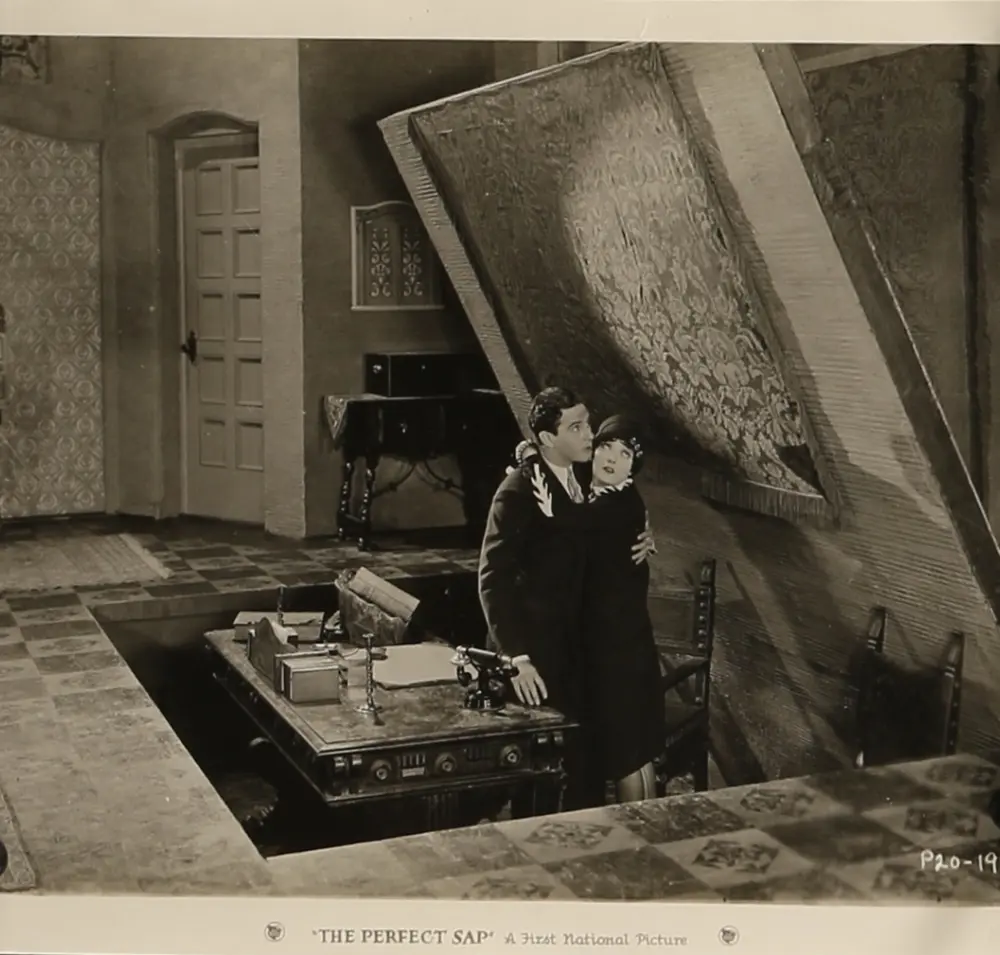
Another significant subtext is the subtle critique of class distinctions and privilege. Herbert’s initial boredom, which leads him to 'practice' housebreaking, is itself a symptom of his immense wealth and lack of genuine challenge. This contrasts sharply with George and Polly, who steal out of necessity or, at least, for a living. The film satirizes the upper crust’s obliviousness, highlighting how easily their insulated world can be infiltrated and exploited. The ball, a symbol of their wealth and social standing, becomes the perfect target for those operating outside its gilded cage. This isn't a scathing indictment, but a playful jab at the vulnerabilities inherent in such a stratified society.
The character of Polly offers an interesting commentary on female agency in the 1920s. Initially presented as a thief, she is later revealed to be an undercover newspaper writer. This dual role challenges traditional depictions of women in early cinema, presenting her not as a passive object of desire or a purely moralistic figure, but as an intelligent, resourceful, and professionally ambitious woman. Her ability to navigate both the criminal underworld and high society, using her wits to expose hypocrisy, makes her a surprisingly modern character. She’s not just a love interest; she’s a driving force in the narrative, embodying a spirit of independence that was increasingly prevalent in the Jazz Age.
The film also touches upon the allure of the illicit. Herbert’s fascination with crime is purely recreational, a romanticized notion. Yet, the film doesn't entirely condemn the 'criminals,' particularly Polly, who is ultimately redeemed. This suggests a more complex view of morality, where the lines between good and bad are not always as clear-cut as society might prefer. It’s a lighthearted, yet thought-provoking, exploration of human nature, suggesting that even the 'perfect sap' can find adventure and purpose when forced to confront the less savory aspects of the world.
Yes, 'The Perfect Sap' is absolutely worth watching, especially for silent film enthusiasts. It offers a unique glimpse into 1920s comedic filmmaking. The plot is surprisingly intricate and engaging. Performances are earnest and effective. It's a charming period piece with clever social commentary. Just be prepared for silent film conventions.
'The Perfect Sap' is far more than a mere curiosity from the silent era; it’s a genuinely engaging and often delightful comedic romp that offers a fascinating glimpse into the nascent stages of cinematic comedy. While it undeniably requires an appreciation for the unique rhythm and expressive artistry of silent film, those willing to make the leap will find a surprisingly sophisticated narrative beneath its farcical exterior. The film's ability to blend slapstick with subtle social commentary, and to present a strong, independent female character in Polly, makes it feel remarkably prescient for its time.
Ben Lyon's portrayal of the well-meaning but utterly naive Herbert is consistently charming, but it's Pauline Starke's nuanced performance that truly elevates the film, grounding its absurdities with a compelling blend of wit and vulnerability. The pacing, especially in its more dynamic sequences, is a testament to the uncredited director's understanding of how to maintain audience engagement without dialogue. The visual splendor of the Jazz Age, particularly the opulent ball scene, further immerses the viewer in a bygone era, making it a feast for the eyes as much as a chuckle for the funny bone.
Is it a forgotten masterpiece? Perhaps not. But it is a thoroughly enjoyable and intelligently crafted piece of cinema that deserves more recognition. It's a film that proves that even without a single spoken word, a story can be told with immense charm, wit, and a surprising amount of subtext. If you're looking for an entry point into silent comedies beyond the usual suspects, or simply crave a clever, lighthearted escape to the Roaring Twenties, 'The Perfect Sap' is a solid recommendation. It’s a film that, despite its age, still has plenty of sparkle. Give it a watch; you might just be delightfully surprised.
IMDb —
1919
Community
Log in to comment.