DbcultAccessing Vault...
7.2/10
Senior Film Conservator
A definitive 7.2/10 rating for a film that redefined the boundaries of cult cinema. Lazybones remains a cornerstone of transgressive art.
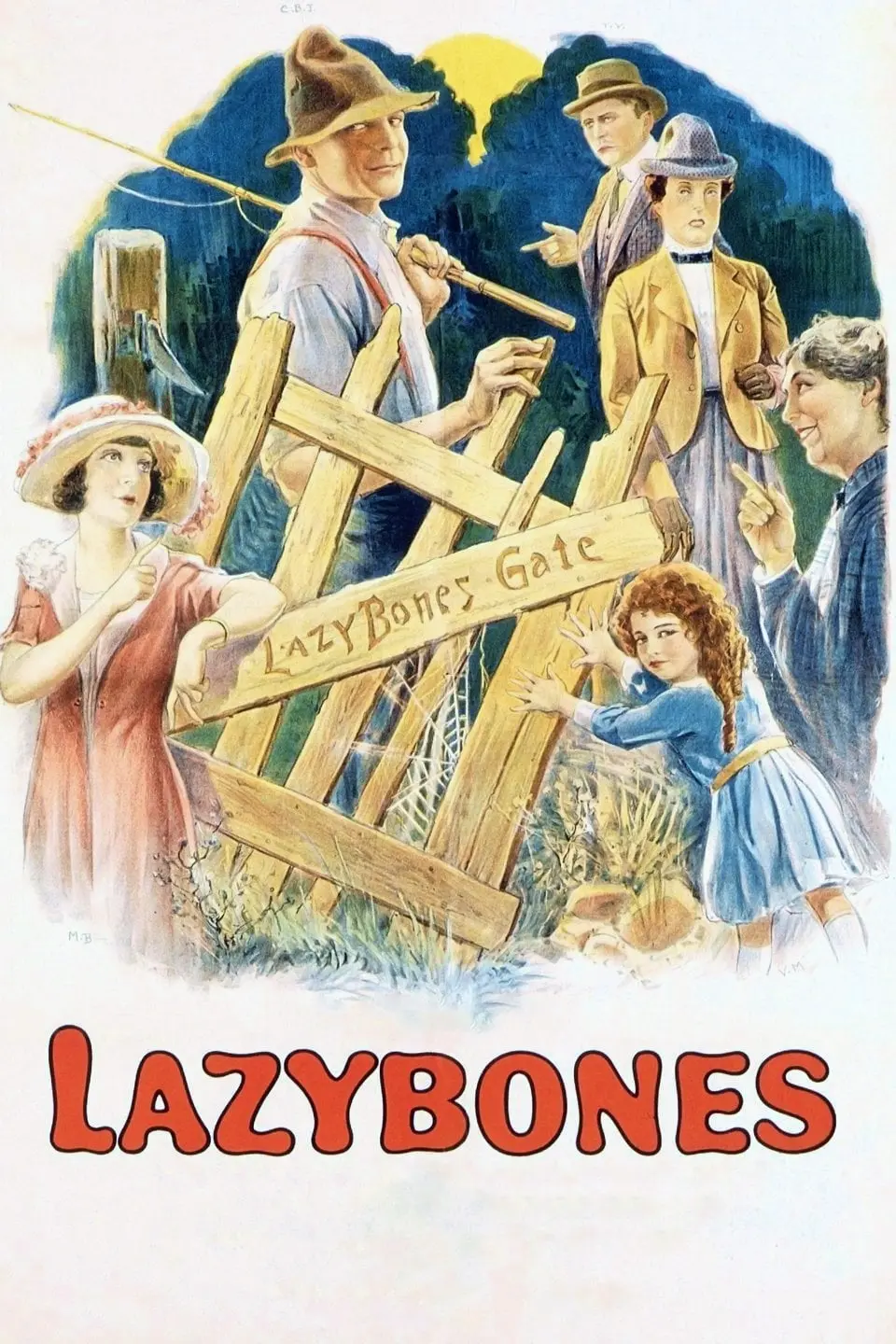
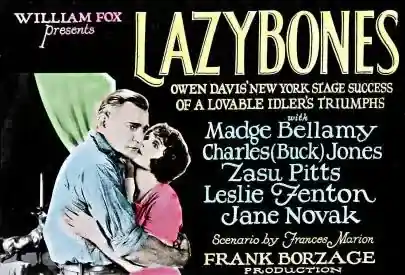
The cinematic output of 1925 is frequently characterized by its burgeoning grandiosity, yet Lazybones emerges as a startlingly intimate counterpoint. Directed by the maestro of sentimental realism, Frank Borzage, and penned by the formidable Frances Marion, this feature eschews the kinetic pyrotechnics of contemporaries like The West~Bound Limited in favor of a languid, almost soporific examination of character. It is a film that breathes with the rhythm of the countryside, asking its audience to find depth in the stillness of a man who refuses to run when the world demands a sprint.
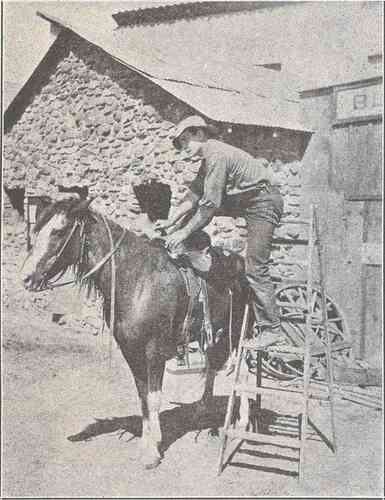
Buck Jones, traditionally the stalwart hero of the saddle, delivers a performance of remarkable restraint as Steve Tuttle. In an era where masculinity was often performed through hyper-activity, Jones’ Tuttle is a revolutionary figure of passivity. He is the 'lazybones' of the title, a man whose primary occupation is the observation of clouds and the patient waiting for a fish to bite. However, this indolence is not a lack of character but a shield. Unlike the fractured psyche seen in Eyes of Youth, where the future is a terrifying specter, Tuttle exists in a perpetual present. His refusal to engage with the frantic social climbing of his peers renders him an outsider, a role that becomes solidified when he takes in the abandoned daughter of a local girl whose 'indiscretion' has made her a ghost in her own home.
"The film operates as a delicate tapestry of rural inertia, weaving a narrative that defies the typical kinetic energy of the silent era to find the sacred in the mundane."
The emotional gravity of the film is anchored by Zasu Pitts. Her portrayal of Agnes, the mother who must surrender her child to the shadows of secrecy, is nothing short of haunting. Pitts possesses a unique physiognomy for the silent screen; her hands alone communicate a lifetime of repressed yearning. While films like Naked Hearts explore the innocence of youth, Lazybones dives into the corrosive nature of small-town gossip and the structural cruelty of the 'morality' that governs these enclaves. The scene where Steve accepts the child is played with a lack of fanfare that makes it all the more heroic. There are no swelling orchestras or grand gestures; there is simply a man choosing to carry a burden because no one else will. This reflects a thematic maturity often found in the works of Frances Marion, who frequently interrogated the social cost of kindness in scripts like Charge It to Me.
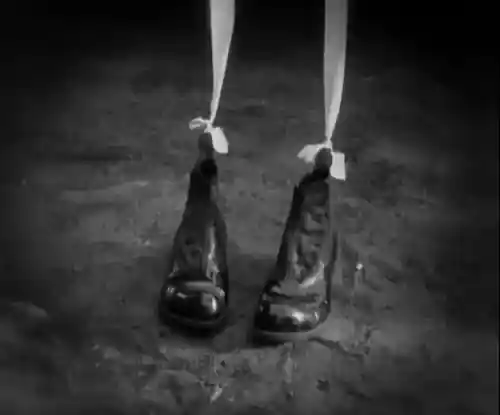
A significant narrative pivot occurs with the intervention of the Great War. This historical intrusion serves as a temporal bridge, aging the characters and shifting the film's stakes. Steve’s departure and subsequent return provide a stark contrast to his earlier life. He returns not as a conquering hero, but as a man who has seen the collapse of civilization and finds comfort in the same old riverbanks. This segment of the film mirrors the disillusionment found in The Betrothed, where external conflicts reshape internal landscapes. Upon his return, the infant Kit has blossomed into a woman, played with an effervescent charm by Madge Bellamy. It is here that the film enters its most controversial and fascinating phase.
The realization that Steve’s paternal affection has transmuted into romantic love is handled with a delicacy that modern audiences might find challenging. Borzage, however, frames this not as a predatory shift, but as the ultimate manifestation of Steve’s isolation. He has spent his life caring for a secret, and that secret has become his entire world. The chemistry between Jones and Bellamy is steeped in a sort of melancholic nostalgia. It lacks the transactional nature of the relationships in Real Adventure or the generational bitterness of The Third Generation. Instead, it is a quiet, desperate hope for a happiness that the world has consistently denied him.
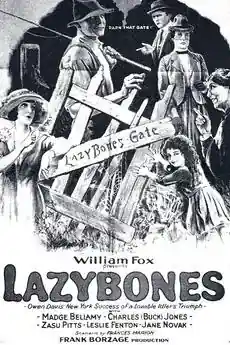
Borzage’s direction is characterized by a soft-focus humanism. He uses light not just to illuminate the set, but to create an emotional atmosphere that feels both lived-in and ethereal. The cinematography captures the heat of a summer afternoon so effectively you can almost hear the cicadas. This visual texture is far removed from the more clinical or stage-bound feel of A kuruzsló. There is a fluidity to the camera movements that underscores the theme of time passing. The river, a constant presence, serves as a metaphor for Steve’s life—seemingly still on the surface, but possessing a deep, unyielding current beneath. This is a film that understands the power of the close-up, using the faces of its actors to tell the story that the intertitles cannot fully capture.
The townspeople in Lazybones act as a collective antagonist. Their judgment is a suffocating force, a palpable weight that Steve bears with a shrug. This exploration of the 'danger line' of social acceptability—much like the themes in The Danger Line—highlights the hypocrisy of those who prize industry over empathy. The film suggests that Steve’s 'laziness' is actually a form of moral resistance. By refusing to participate in the town's economy of labor and gossip, he remains untainted by their cruelty. Even when compared to the stark moral binaries of The Brand of Lopez, Borzage’s film offers a more nuanced view of what it means to be a 'good' man in a judgmental society.
The supporting cast, including Jane Novak and Leslie Fenton, provide a rich backdrop of human frailty. Novak, in particular, offers a performance that contrasts beautifully with Pitts, representing a different facet of the female experience in the early 20th century. The film does not shy away from the darker elements of its premise, but it avoids the saccharine pitfalls that often plagued silent fantasies like The Seven Swans. There is a grit beneath the greasepaint here, a recognition of the physical and emotional toll of poverty and social exclusion.
As we analyze Lazybones nearly a century after its release, its relevance remains undiminished. It is a precursor to the great Americana films that would follow, a study of the 'majesty of the law' vs. the majesty of the heart, a theme explored in a different context in The Majesty of the Law. The film asks us to consider who we forget in our rush toward progress—the 'little girl that he forgot' (The Little Girl That He Forgot) or the man who sat by the river while history marched on.

The final act of the film is a masterclass in understated pathos. It deals with the revelation of Kit's true parentage and the resolution of Steve's long-dormant desires. While some might find the conclusion abrupt, it serves the film's overarching philosophy: life does not provide grand finales; it simply moves from one season to the next. The whispers of the past (Whispers) are eventually silenced by the necessity of the present. Whether it is the clash of cultures seen in Little Italy or the internal struggle of Steve Tuttle, the human condition remains a tapestry of contradictory impulses.
In the pantheon of 1920s cinema, Lazybones stands as a testament to the power of quietude. It is a film that rewards the patient viewer, much like Steve waiting for his catch. It is a deeply humane work that challenges the viewer to look past the surface of 'idleness' to see the profound act of love hidden beneath. Buck Jones proved he was more than a cowboy, Zasu Pitts proved she was a tragic titan, and Frank Borzage proved that the smallest stories are often the ones that echo the loudest through time. If you seek a film that captures the fragile beauty of a world on the brink of change, look no further than this dusty, sun-drenched relic of a bygone era.
IMDb 6.3
1923
Community
Log in to comment.