DbcultAccessing Vault...
5.7/10
Senior Film Conservator
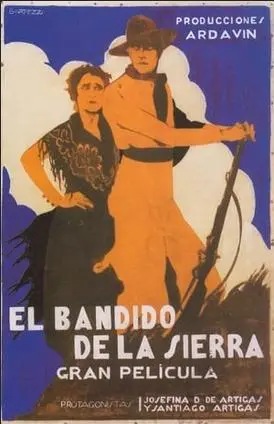
A definitive 5.7/10 rating for a film that redefined the boundaries of cult cinema. El bandido de la sierra remains a cornerstone of transgressive art.
Is 'El bandido de la sierra' a film worth unearthing today? The short answer is a resounding yes, particularly for those with an appetite for early Spanish cinema or the foundational tropes of the Western genre, but perhaps not for viewers expecting modern pacing or high-budget spectacle. This is a film crafted for cinephiles and cultural historians, offering a window into a specific era of storytelling; it will likely disappoint those seeking a casual, easily digestible viewing experience.
Released during a period of significant social upheaval and cinematic exploration, 'El bandido de la sierra' stands as a fascinating, if sometimes challenging, artifact. It demands patience but rewards with a potent, often bleak, examination of power, resistance, and the enduring spirit of a subjugated people.
This film works because... it masterfully captures the stark brutality of its setting and the palpable desperation of its characters, creating a compelling, if bleak, atmosphere that feels authentically rooted in its Castilian landscape.
This film fails because... its narrative can feel somewhat underdeveloped, relying heavily on archetypes without always providing the nuanced character arcs that modern audiences might crave, leading to moments of emotional detachment.
You should watch it if... you appreciate historical cinema, tales of social injustice and rebellion, or want to understand the origins of the 'bandido' archetype in Spanish storytelling. It is a vital piece of cinematic heritage.
At its core, El bandido de la sierra presents a stark tableau of oppression. A remote Castilian mountain village, isolated and vulnerable, finds itself under the thumb of a ruthless chieftain. His rule is not merely strict; it is an arbitrary exercise in cruelty, manifest in seized harvests, public humiliations, and a pervasive atmosphere of fear that chokes the very life out of the community.
The villagers, their faces etched with resignation, embody a collective despair. Their existence is a cycle of toil and submission, broken only by the whispers of a name: Salvador. This bandit, a phantom in the rugged sierra, represents both a threat to the chieftain’s authority and a desperate, perhaps futile, hope for liberation.
He is not simply a criminal; he is a force of nature, an embodiment of the wild, untamed spirit of the mountains themselves. His presence alone is enough to disturb the chieftain's brutal equilibrium, setting the stage for a conflict that is less about good versus evil and more about the primal struggle for freedom against an entrenched, unjust power.
Eusebio Fernández Ardavín and Luis Fernández Ardavín, sharing directorial duties, imbue El bandido de la sierra with a raw, almost documentary-like authenticity. Their approach prioritizes atmosphere over overt melodrama, letting the harsh realities of the setting speak volumes.
The film’s tone is consistently bleak, reflecting the villagers' plight. There's a persistent sense of impending doom, occasionally punctured by brief, fleeting moments of defiance or sorrow. This isn’t a heroic adventure in the traditional sense; it’s a lament for a people struggling to survive.
One could argue that this starkness, while effective, sometimes verges on the monochromatic, leaving little room for emotional highs or lows. It's a deliberate artistic choice, certainly, but one that might test the patience of viewers accustomed to more dynamic narrative arcs. The Ardavín brothers are less interested in rousing speeches and more in showing the grinding weight of oppression, a choice that aligns it more with early European social realism than American frontier sagas.
The ensemble cast, while not always delivering performances of modern subtlety, effectively embodies the archetypes central to the film's narrative. Manuel Dicenta as Salvador, the titular bandit, is a commanding presence.
Dicenta portrays Salvador not as a romantic hero, but as a grizzled survivor, a man hardened by the mountains and driven by a nebulous sense of justice. His stoicism is both his strength and, at times, a limitation, preventing deeper emotional connection. He exists more as a symbol than a fully fleshed-out character, a silent promise of retribution.
The chieftain, brought to life with imposing authority by Santiago Artigas, is a truly detestable figure. Artigas avoids caricature, instead crafting a portrayal of mundane evil – a man whose power has simply corrupted him utterly, making his abuses feel less like grand villainy and more like everyday tyranny. His sneering dismissals and casual cruelty are chillingly effective, particularly in scenes where he publicly shames villagers or confiscates their meager earnings, such as the memorable sequence involving the forced surrender of the season's entire wheat yield.
Josefina Díaz and Emilio Mesejo, portraying key villagers, lend a necessary human element to the suffering. Their performances, though often understated, convey the deep-seated fear and simmering resentment that fuel the narrative. They are the silent witnesses, the suffering masses, and their quiet dignity is perhaps the film's most poignant statement.
The Castilian mountains are not merely a backdrop; they are a vital character in El bandido de la sierra. The cinematography, while constrained by the technology of its era, effectively captures the rugged, unforgiving beauty of the landscape. Long shots often emphasize the isolation of the village and the vastness of Salvador’s mountain refuge.
There’s a clear visual language at play here: the claustrophobic, shadowed interiors of the village homes contrasting with the expansive, windswept freedom of the sierra. This juxtaposition visually underscores the central conflict – civilization under siege versus wild, untamed liberty.
The film doesn't shy away from showing the harshness of the environment, which adds a layer of verisimilitude to the villagers' struggle. It reminds us that their fight is not just against a human oppressor, but against the very elements, a constant battle for survival that shapes their stoic resilience. One particularly striking shot frames Salvador against a jagged peak, dwarfed by the landscape, yet commanding it, a testament to his primal connection to the land.
The pacing of El bandido de la sierra is undeniably deliberate, even slow by modern standards. This isn't a film that rushes its narrative; instead, it allows events to unfold with a measured, almost observational rhythm. This can be both a strength and a potential hurdle for contemporary
IMDb —
1922
Community
Log in to comment.