DbcultAccessing Vault...
Cult Review
Senior Film Conservator
If you are looking for a hidden masterpiece of silent comedy that rivals Keaton or Lloyd, El club de las solteras is not it. However, if you are a student of early European cinema or specifically interested in the dawn of Spanish narrative film, this is a necessary, if occasionally taxing, watch. It is a film for the historians—those who find beauty in the grain of a century-old negative and the stiff, theatrical blocking of a medium still trying to find its own feet. Casual viewers will likely find the pacing glacial and the humor dated, but there is a specific charm in its earnestness.
Directed, written by, and starring Fernando López Heptener, the film feels like a stage play that has been unceremoniously dropped into a camera's field of vision. The visual language is remarkably static. Heptener largely avoids the camera movement that was beginning to emerge in international cinema at the time, preferring a wide, proscenium-style frame. This choice makes the 'club' itself feel like a small, claustrophobic universe. You can practically feel the dust on the heavy velvet curtains and the rigidity of the wooden chairs that dominate the interior scenes.
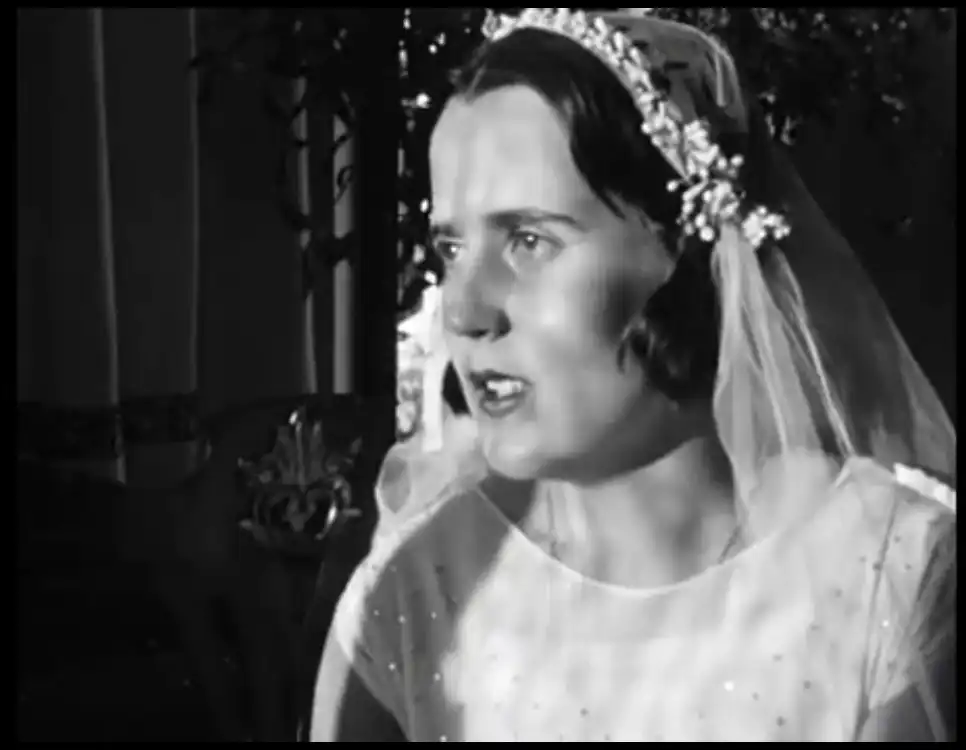
There is a specific visual texture here that only someone who has sat through these early nitrate-to-digital transfers will recognize. The lighting is often harsh and unidirectional, blowing out the pale faces of the performers while leaving the corners of the set in a murky, indeterminate grey. It gives the film a ghostly quality that contrasts sharply with its intended comedic tone. Compared to the more adventurous framing found in Protéa from a few years prior, Heptener’s work feels conservative, yet there is a deliberate clarity to his compositions that ensures you never miss a plot point, however simple it may be.
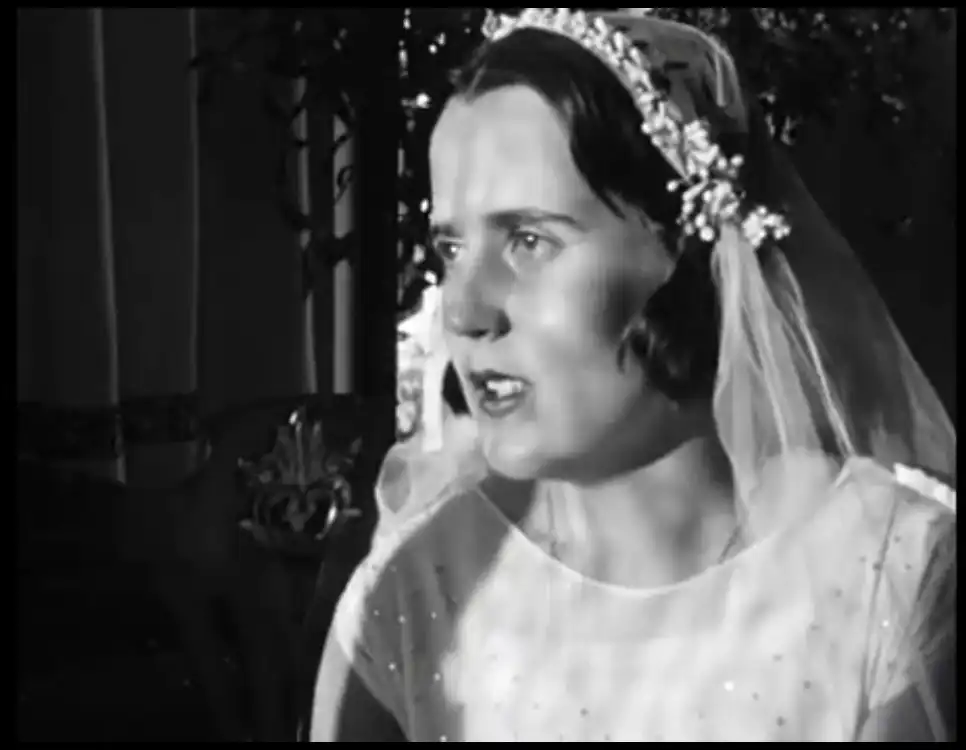
The central conceit—women swearing off men—is played more for light mockery than for any real social commentary. The performances are broad, as was the standard for the era, but there is a particular stiffness to the ensemble that feels uniquely Spanish for the period. The actresses move with a certain formality; their 'rebellion' against marriage is signaled through exaggerated sighs and the dramatic pointing at the club's charter.
One specific observation that sticks out is the way the women interact when they think no men are watching. There is a frantic, nervous energy in the club meetings, characterized by rapid-fire hand gestures and constant adjustments of their elaborate, towering hats. These hats almost become characters themselves, frequently threatening to collide as the women lean in to gossip. It’s a physical comedy of errors that feels unintentional but provides the film's most genuine moments of levity.
The pacing of El club de las solteras is where most modern viewers will struggle. The transitions between scenes are often marked by long, lingering fades that feel like the film is catching its breath. The title cards are frequent and wordy, often explaining a joke before the actors have a chance to perform it. This 'tell then show' rhythm kills the comedic timing for a 21st-century audience, but it offers a fascinating look at how early filmmakers used text to anchor a narrative they didn't quite trust the images to carry alone.
The editing is functional at best. There are moments where a character exits a room and the camera lingers on the empty door for three or four seconds too long, a common quirk of the era that nonetheless makes the film feel longer than its actual runtime. If you’ve seen La secta de los misteriosos, you’ll recognize a similar approach to narrative structure—a series of vignettes loosely tied together by a central premise rather than a driving, propulsive plot.
It is impossible to watch the film today without noticing the inherent condescension in the script. The 'club' is never presented as a viable alternative to domestic life; it is a temporary madness, a hurdle to be cleared before the inevitable wedding bells. However, there is a strange, perhaps accidental, sense of sisterhood in the way the club members are framed together. They are often grouped in tight clusters, creating a visual wall against the male suitors who eventually invade their space.
The costumes are a highlight. The rigid collars and corseted silhouettes of the women reflect the social constraints they are trying to escape, even if the film ultimately reinforces those constraints. There is a scene involving a letter delivery that is choreographed with the precision of a ballet, where the letter is passed from hand to hand across the club room. It’s a rare moment where the theatrical blocking actually works in the film’s favor, creating a rhythmic, visual gag that doesn't need a title card to explain it.
El club de las solteras is a fragile piece of history. It isn't particularly clever, and it certainly isn't progressive, but it is a window into a specific moment in Spanish cultural history. It captures a time when the cinema was still a novelty and the 'New Woman' was a figure of both fascination and ridicule. Watch it if you want to see the foundations of Spanish comedy being laid, brick by awkward brick. Skip it if you require your films to have a pulse that beats faster than a slow walk through a museum.
IMDb —
1916
Community
Log in to comment.