DbcultAccessing Vault...
5.6/10
Senior Film Conservator
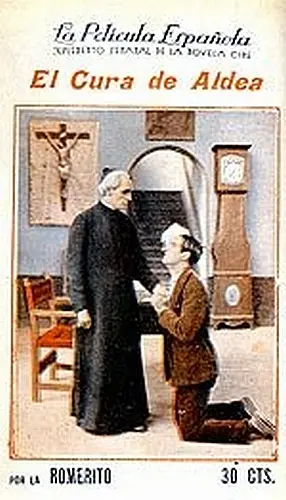
A definitive 5.6/10 rating for a film that redefined the boundaries of cult cinema. El cura de aldea remains a cornerstone of transgressive art.
Is El cura de aldea worth watching today? Short answer: absolutely, but with the understanding that you're stepping into a specific, emotionally charged corner of early Spanish cinema. This film is an essential watch for cinephiles interested in the foundational narratives of Spanish silent film, those who appreciate melodramatic storytelling, and anyone keen to witness raw, unadulterated human tragedy unfold without the crutch of dialogue.
However, viewers accustomed to fast-paced modern narratives, or those seeking light entertainment, will find its deliberate rhythm and stark emotional landscape challenging. It demands patience and a willingness to engage with a different mode of storytelling, but rewards those who do with a powerful, if melancholic, experience.
This film works because of its potent, almost operatic melodrama, the raw, unvarnished performances from its lead actors, and its fearless exploration of moral quandaries that resonate beyond its silent era trappings.
This film fails because of the inherent technical limitations of its time, which occasionally lead to less sophisticated visual storytelling than later silent masterpieces, and a reliance on narrative contrivances that can test modern suspension of disbelief.
You should watch it if you value historical cinema as a window into evolving storytelling, appreciate character-driven tragedies, and are open to the profound emotional power conveyed through the pure art of silent acting and evocative intertitles.
Florián Rey’s 1922 silent drama, El cura de aldea, isn't merely a relic; it's a testament to the enduring power of human suffering and the devastating consequences of unspoken truths. Set against the stark, sun-baked landscapes of Salamanca, this film plunges into a narrative so steeped in tragedy and misunderstanding that it feels less like a story and more like a Greek myth transplanted to early 20th-century Spain. It’s a film that asks profound questions about honor, sacrifice, and the suffocating weight of secrets, all delivered through the expressive, often exaggerated, language of the silent screen.
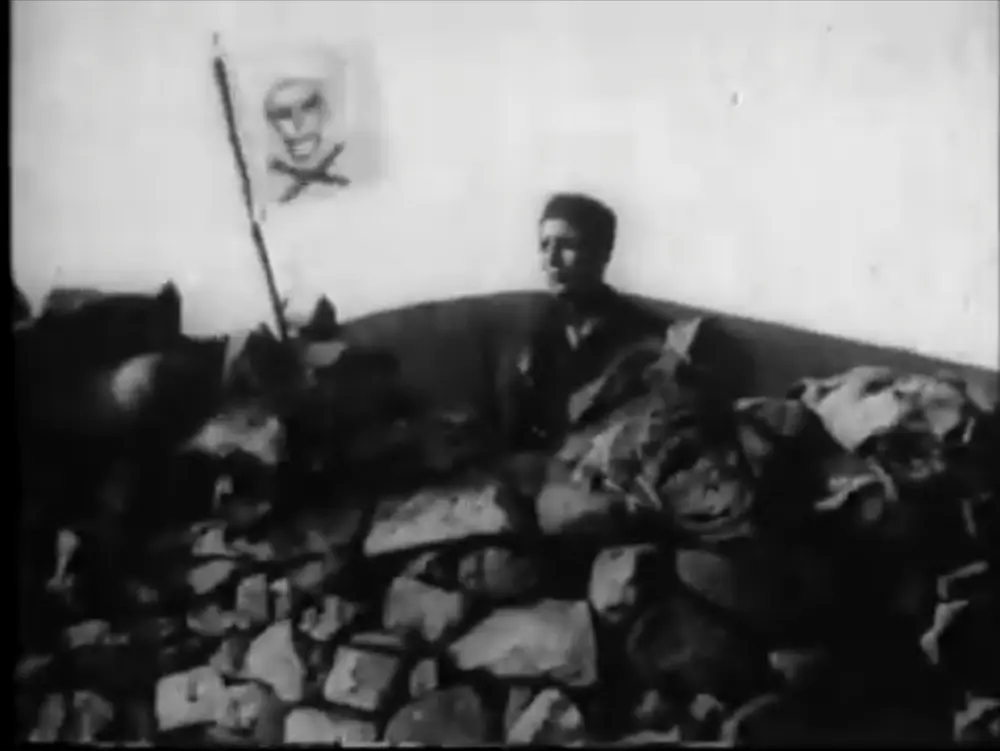
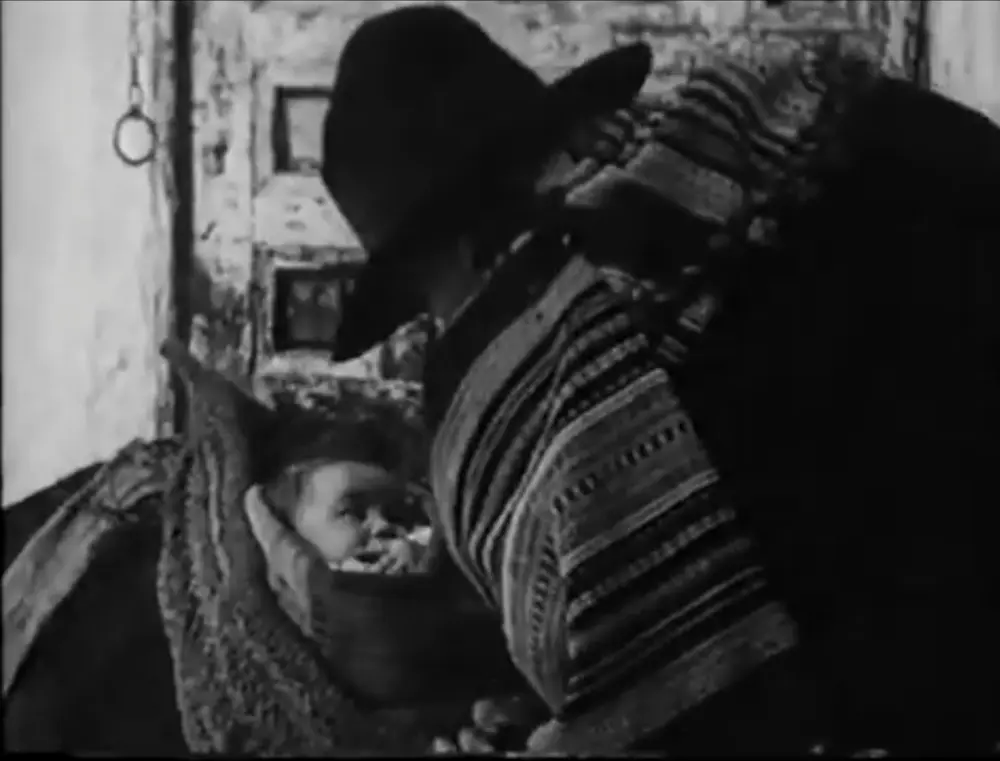
The plot, deceptively simple, unravels with the inevitability of a classical tragedy. Angela, played with heart-wrenching intensity by Elisa Ruiz Romero, finds herself caught in an impossible bind. Her husband, in a brutal twist of fate, slays a notorious bandit, unaware that the victim is Angela’s own brother. Her silence, born of shock and perhaps a desperate attempt to preserve her marriage, is misinterpreted as guilt, fueling her husband's jealous conviction that the bandit was her lover. This catastrophic misunderstanding culminates in the abandonment of their child, an innocent pawn in a game of tragic assumptions, left to be raised by the titular village priest, a figure of quiet compassion amidst the chaos.
What makes El cura de aldea resonate nearly a century later isn't its historical value alone, but its raw emotional core. It's a film about the chasm between perception and reality, about the lies we tell ourselves and others, and the way those lies can utterly destroy lives. The silent era, often caricatured for its over-the-top acting, here finds a potent vehicle for expressing emotions too vast for words.
The true triumph of El cura de aldea lies in its performances, particularly that of Elisa Ruiz Romero as Angela. Her portrayal is a masterclass in silent agony. Every flicker of her eyes, every subtle tremor of her hand, speaks volumes about the internal torment she endures. Consider the scene following her brother's death: she cannot openly mourn, cannot explain, and the camera lingers on her face, capturing a silent scream of grief and terror. It’s a moment of profound, wordless acting that could rival the intensity of more celebrated silent era stars, even those from Hollywood’s golden age like Theda Bara in A Fool There Was.
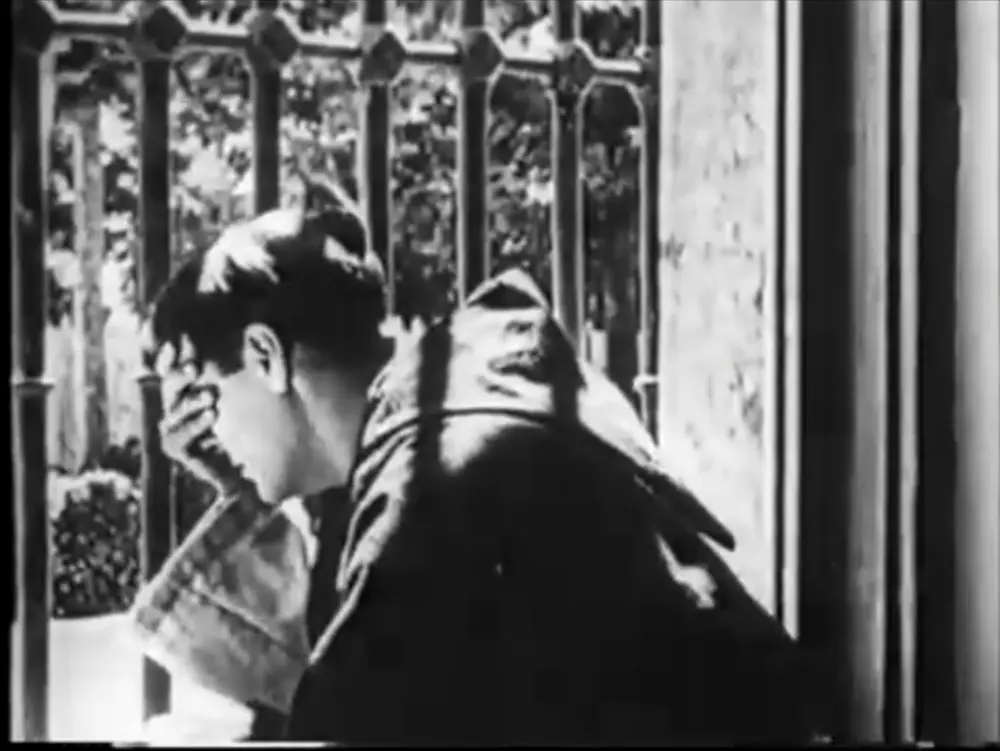
Alfonso Orozco, as Angela's husband, embodies a volatile mix of honor, rage, and eventually, crushing regret. His initial fury is palpable, a primal force that drives the film's central conflict. What's compelling is his gradual descent into a haunted existence, the slow realization of his error etched onto his face as the story progresses. Orozco doesn't just play a character; he embodies a societal ideal of masculine pride gone terribly wrong, a man undone by his own assumptions.
Rafael Pérez Chaves, as the village priest, provides a much-needed anchor of moral fortitude. His performance is understated, a quiet counterpoint to the more explosive emotions surrounding him. He represents unconditional love and duty, taking in the abandoned child without judgment. His scenes offer brief respites from the pervasive tragedy, highlighting the film's exploration of redemption and compassion.
Florián Rey, one of early Spanish cinema's most important figures, along with Carlos de Arpe, crafts a visually compelling world despite the technical constraints of the era. The cinematography, while not groundbreaking by later standards, effectively uses the stark Spanish landscape to mirror the characters' internal desolation. Wide shots often emphasize Angela's isolation against vast, unforgiving plains, a powerful visual metaphor for her solitary burden.
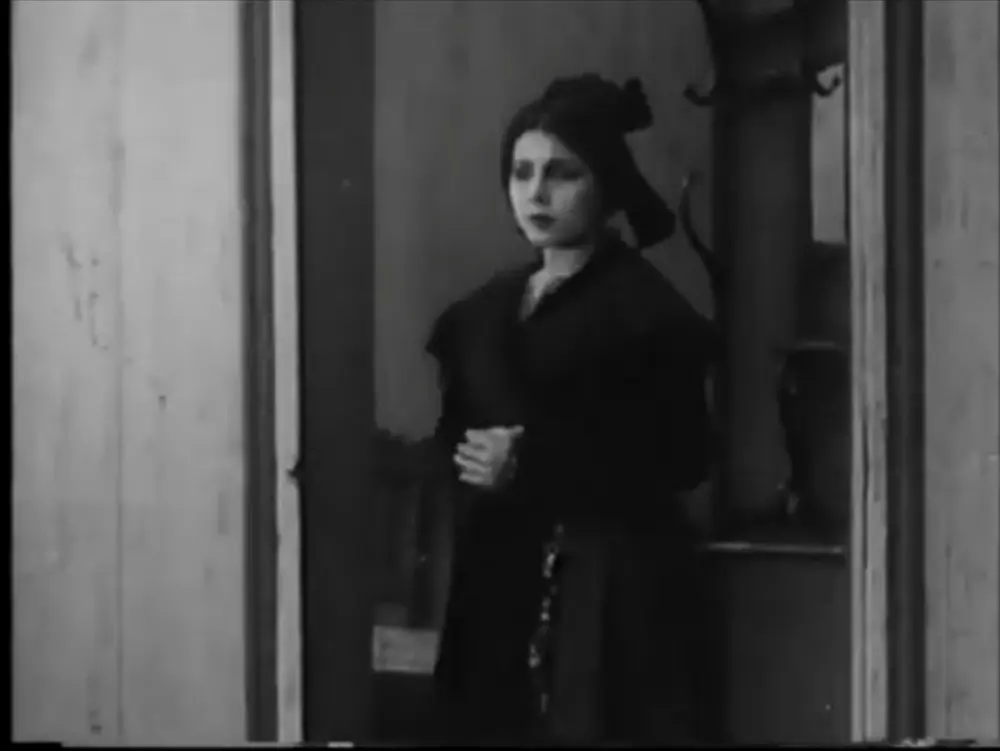
Rey understands the power of the close-up in silent film, frequently employing it to capture the raw emotion on his actors' faces. This technique ensures that even without dialogue, the audience is intimately connected to the characters' psychological states. The staging of the bandit's death, for instance, is a brutal, quick cut, emphasizing the suddenness and irreversible nature of the act, before shifting to Angela's stunned, silent horror. It’s a moment designed to shock and to propel the narrative forward with brutal efficiency.
The use of intertitles, often a clunky necessity in silent films, is handled with a poetic sensibility here. They don't just convey dialogue; they often provide narrative exposition or internal monologues that deepen the emotional impact, acting as a literary voice guiding the audience through the characters' tormented thoughts. This careful integration ensures that the pacing, though deliberate, never feels stagnant.
The pacing of El cura de aldea is characteristic of early silent cinema – it builds slowly, allowing moments to breathe and emotions to simmer. This deliberate rhythm might feel alien to modern viewers, but it's crucial for establishing the film's pervasive tone of melancholic dread. The tragedy isn't rushed; it unfolds with an almost ritualistic inevitability, each new revelation deepening the sense of despair.
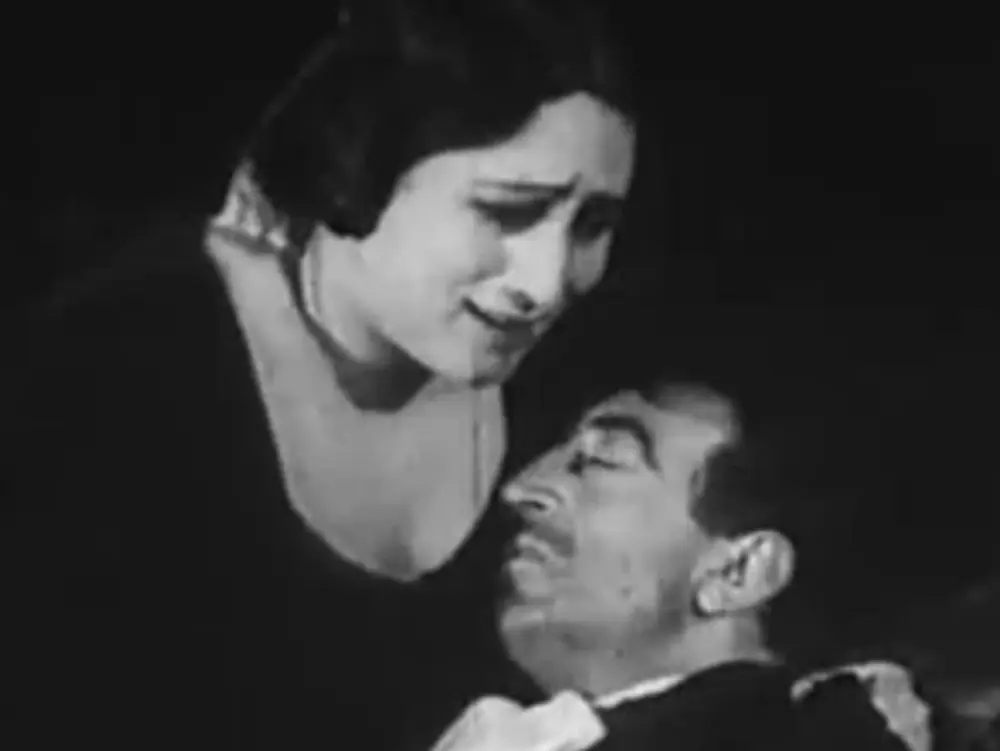
The tone is relentlessly somber, yet never entirely without a glimmer of hope, largely thanks to the character of the priest. It’s a film that embraces melodrama not as a flaw, but as its very essence. The grand gestures, the intense emotional displays, the seemingly insurmountable obstacles – these are the building blocks of its narrative power. To dismiss it for its melodramatic qualities would be to miss the point entirely; its stark drama is precisely what lends it an almost operatic grandeur.
Thematically, the film explores the destructive nature of secrets with an unflinching gaze. Angela's silence, while understandable from a character perspective, becomes a catalyst for profound suffering. It speaks to a broader human tendency to avoid painful truths, often with devastating consequences. It also delves into the concept of honor and justice in a rural, traditional society, where a man's reputation can be shattered by mere suspicion, leading to irreversible actions. The film doesn't offer easy answers, instead choosing to present a complex web of moral choices and their far-reaching impact.
Perhaps the most surprising observation about El cura de aldea is how its very 'agedness' enhances its impact rather than diminishes it. The grainy footage, the occasional flicker, the raw, unfiltered emotionality of silent acting – these elements strip away modern cinematic artifice, forcing the viewer to engage with the story on a more primal, visceral level. It feels like watching a dream, or a half-remembered nightmare, rather than a meticulously constructed piece of entertainment. This lack of polish, ironically, gives it a unique, almost documentary-like authenticity to its emotional core.
It works. But it’s flawed. Some plot points might feel contrived, particularly the sheer breadth of misunderstanding that drives the entire narrative. However, one must remember the narrative conventions of the time. This wasn't about subtle character psychology; it was about grand moral dilemmas and the crushing weight of fate. It’s a film that asks you to suspend cynicism and embrace the power of raw, human emotion, unfiltered by dialogue or sophisticated effects.
Ultimately, El cura de aldea is more than just a historical artifact; it's a deeply affecting cinematic experience that transcends its silent origins. Florián Rey's film, though imperfect, stands as a testament to the raw power of visual storytelling and the enduring resonance of human tragedy. It's a challenging watch, demanding a certain mindset and an appreciation for the conventions of its era, but the rewards are substantial. It offers a window into a bygone era of filmmaking, yet its themes of betrayal, misunderstanding, and the search for redemption remain as relevant as ever.
I wholeheartedly recommend El cura de aldea to anyone willing to delve into the rich, often stark, emotional landscape of early cinema. It’s a film that lingers long after the final frame, a silent scream that echoes with timeless sorrow and a quiet, profound hope. Don't just watch it; experience it, and allow its powerful narrative to remind you of the universal truths that bind us across generations and cinematic styles. It's a film that deserves to be rediscovered, not merely admired from a distance, but truly felt.
IMDb 6.5
1930
Community
Log in to comment.