DbcultAccessing Vault...
4.6/10
Senior Film Conservator
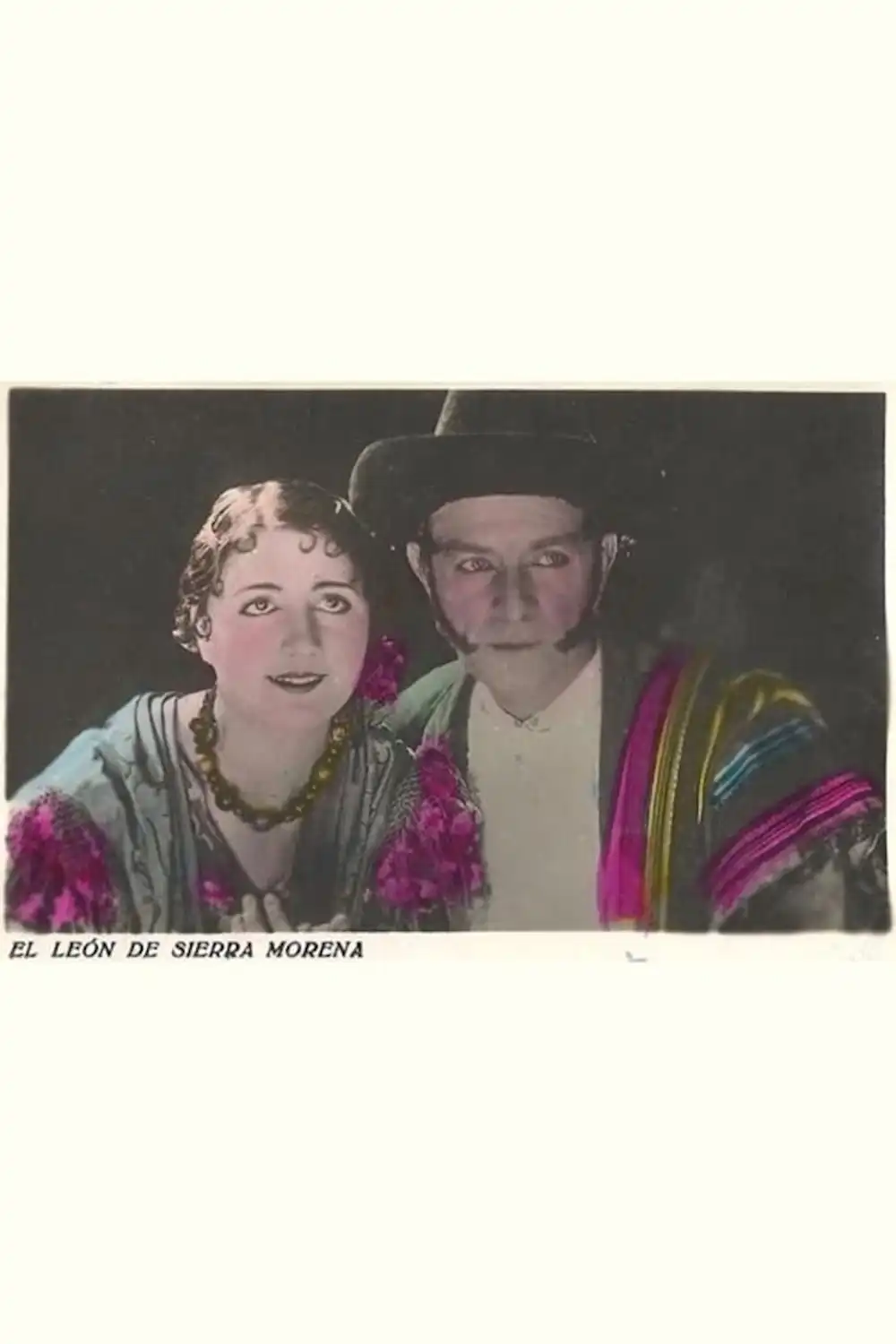
A definitive 4.6/10 rating for a film that redefined the boundaries of cult cinema. El león de Sierra Morena remains a cornerstone of transgressive art.
If you have a soft spot for silent movies where people communicate mostly through intense squinting and dramatic arm waving, then yes. This is a classic bandit story that feels like a precursor to the westerns we see later.
However, if you can't stand grainy footage or stories that take forever to get to the point, you will probably hate this one. It's a bit of a slow burn, even for 1927.
The movie starts with Diego getting into a scrap over a girl. It’s the kind of fight where you can tell nobody really knows how to punch, so they just sort of tussle until someone falls over.
Diego gets blamed for a murder during the mess. It feels a bit unfair, but that’s how these movies work; the hero needs a reason to go live in a cave.
He joins up with the gang of El Águila de la Sierra Morena. The name is a mouthful, but the gang is basically just a bunch of guys in big hats hanging out in the rocks.
I noticed the hats right away. Everyone has a different style of headwear, and some of them look way too heavy for the Spanish heat.
Miguel Contreras Torres wrote this and also stars in it. You can tell because the camera really loves his face.
There are these long, lingering shots of him looking brave while the wind blows his hair around. It reminds me a bit of the theatricality in The New Babylon, though maybe not as artistic.
The scenery is actually the best part of the whole thing. The Sierra Morena mountains look rugged and dangerous, providing a great backdrop for the horse chases.
Speaking of horses, there are a lot of them. Sometimes it feels like the movie is just an excuse to show off how well the actors can ride uphill without falling off.
The plot gets a bit tangled when a rival gang shows up. It’s basically a turf war, but with more velvet vests and daggers.
The authorities are also sniffing around, but they seem pretty incompetent. They mostly just stand around in groups and point at things in the distance.
There is one scene where a woman, played by Lilian Prospect, has to deliver a secret message. The way she sneaks around is so obvious that it becomes funny.
She keeps looking over her shoulder every two seconds. If I were a guard, I’d arrest her just for acting so suspicious.
The pacing is... well, it's uneven. Some parts move fast, like the escapes, but then we get five minutes of people just sitting around a campfire.
It lacks the tight comedic timing you find in something like A Night Out. It takes itself very seriously, which makes the slow parts feel even heavier.
The fight scenes are clunky. You can see the actors waiting for their cue to get hit, which is charming in a way.
It’s not as polished as the big Hollywood productions of the time, like The Cocoanuts, but it has a raw energy. It feels like a group of friends went out into the hills to make something cool.
There is a moment near the end where Diego has to make a choice about his future. The music—if you’re watching a version with a score—usually swells here, but the acting does the heavy lifting.
His face goes through about five different emotions in ten seconds. It’s a bit much, but hey, that’s silent cinema for you.
I found myself wondering about the logistics of the gang's camp. They have a lot of furniture for people living on the run in the mountains.
Where did they get the nice chairs? Did they steal those too?
The ending is exactly what you expect, but it still feels satisfying. It wraps up the Diego saga without trying to be too clever for its own good.
Overall, it’s a decent way to spend an afternoon if you want to see where the "outlaw hero" trope got some of its boots.
It’s not a masterpiece, but it’s a real movie with real dirt and real sweat. Sometimes that's enough.
IMDb —
1925
Community
Log in to comment.