DbcultAccessing Vault...
7/10
Senior Film Conservator
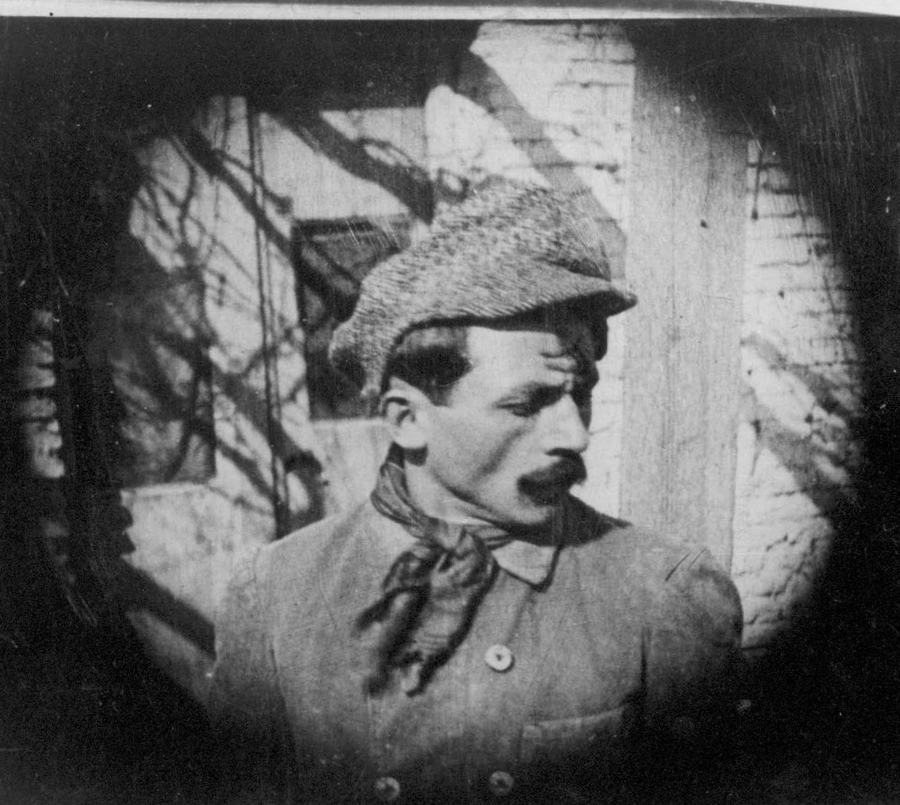
A definitive 7/10 rating for a film that redefined the boundaries of cult cinema. El pañuelo de Clarita remains a cornerstone of transgressive art.
The opening tableau of El Pañuelo de Clarita unfurls in a languid park where sunlight filters through trembling leaves, casting a chiaroscuro that mirrors the film’s moral ambivalence. Clarita, draped in silks that whisper of privilege, pauses beside a weather‑worn bench occupied by a beggar whose gaunt visage tells a story of neglect. In a gesture that feels both spontaneous and symbolic, she parts with a handkerchief—an object of personal intimacy—and a single coin, setting in motion a cascade of cause and effect that reverberates throughout the narrative.
The director, Bautista Amé, employs a measured pace that allows each character’s inner turmoil to surface without the crutch of melodramatic exposition. His camera lingers on Clarita’s eyes as she watches the beggar disappear into the shadows, a lingering shot that suggests an unspoken bond forming between two disparate worlds. This visual patience is rewarded later when the same beggar, now revealed as a member of Clarita’s own bloodline, steps forward from the darkness of the kidnapping scene, his silhouette framed against a flickering streetlamp.
Aurora Rovirón inhabits Clarita with a blend of aristocratic poise and nascent vulnerability. Her performance is not merely decorative; it serves as a conduit for the film’s central inquiry: can a single act of kindness ripple outward to alter entrenched social hierarchies? Rovirón’s nuanced gestures—her hesitant clasp of the handkerchief, the way she flinches at the sudden roar of the kidnappers’ engine—convey a layered interiority that invites the audience to interrogate their own preconceptions about wealth and compassion.
Argentino Carminati, portraying the beggar‑turned‑hero, delivers a performance that oscillates between stoic resignation and fierce protectiveness. His eyes, often narrowed against the glare of the city’s neon, betray a history of betrayal and a yearning for redemption. When he recognizes Clarita amidst the chaos of the ransom demand, his reaction is not a theatrical gasp but a restrained, almost reverent acknowledgment that underscores the film’s commitment to realism.
The screenplay, penned by Bautista Amé, weaves a tapestry of themes that include class disparity, familial estrangement, and the transformative potency of altruism. The dialogue is sparing yet potent; a single line—"A hand given in humility can bind more tightly than a contract forged in gold"—encapsulates the moral thesis without descending into didacticism. This restraint mirrors the film’s visual language, where shadows are employed not merely for aesthetic effect but as a metaphor for the characters’ hidden motives.
Cinematographer Olivio Giaccaglia captures the urban landscape with a palette that juxtaposes the cold steel of the gang’s hideout against the warm amber of the family’s manor. The use of dark orange lighting in interior scenes creates a sense of intimacy, while occasional splashes of yellow illuminate moments of revelation, such as the scene where Clarita’s mother finally recognizes the carpenter’s true identity. The occasional infusion of sea blue in night‑time exteriors adds a melancholic hue that underscores the film’s contemplative mood.
Music, composed by an uncredited yet deft hand, weaves a subtle leitmotif that resurfaces whenever the handkerchief appears on screen. The motif, a plaintive violin phrase, evolves from a simple melody into a richer orchestration as Clarita’s journey progresses, mirroring her own emotional maturation.
When the kidnapping unfolds, the film shifts gears, introducing a gang whose members are rendered with a gritty realism that avoids caricature. Their leader, a hulking figure whose motives are driven by desperation rather than pure malice, provides a counterpoint to the beggar’s redemption arc. The tension between these two criminal archetypes—one born of circumstance, the other of choice—adds a layer of ethical complexity that elevates the drama beyond a simple rescue narrative.
The moment of Clarita’s liberation is orchestrated with a kinetic energy that feels both inevitable and surprising. The beggar, now revealed as a carpenter who once toiled for the family’s estate, uses his intimate knowledge of the property’s hidden passages to outmaneuver his former comrades. This clever use of spatial memory not only showcases his ingenuity but also symbolically represents his re‑entry into the family’s inner circle.
Upon her safe return, Clarita’s mother, portrayed with dignified gravitas, confronts the carpenter with a mixture of remorse and gratitude. Their exchange is a masterclass in subtext; the mother’s trembling hands clutch a ledger, a tangible reminder of the wealth she once withheld, while the carpenter’s steady gaze reflects a newfound agency. The resolution—granting him stewardship of the family lands—functions as both a narrative closure and a commentary on the restorative power of forgiveness.
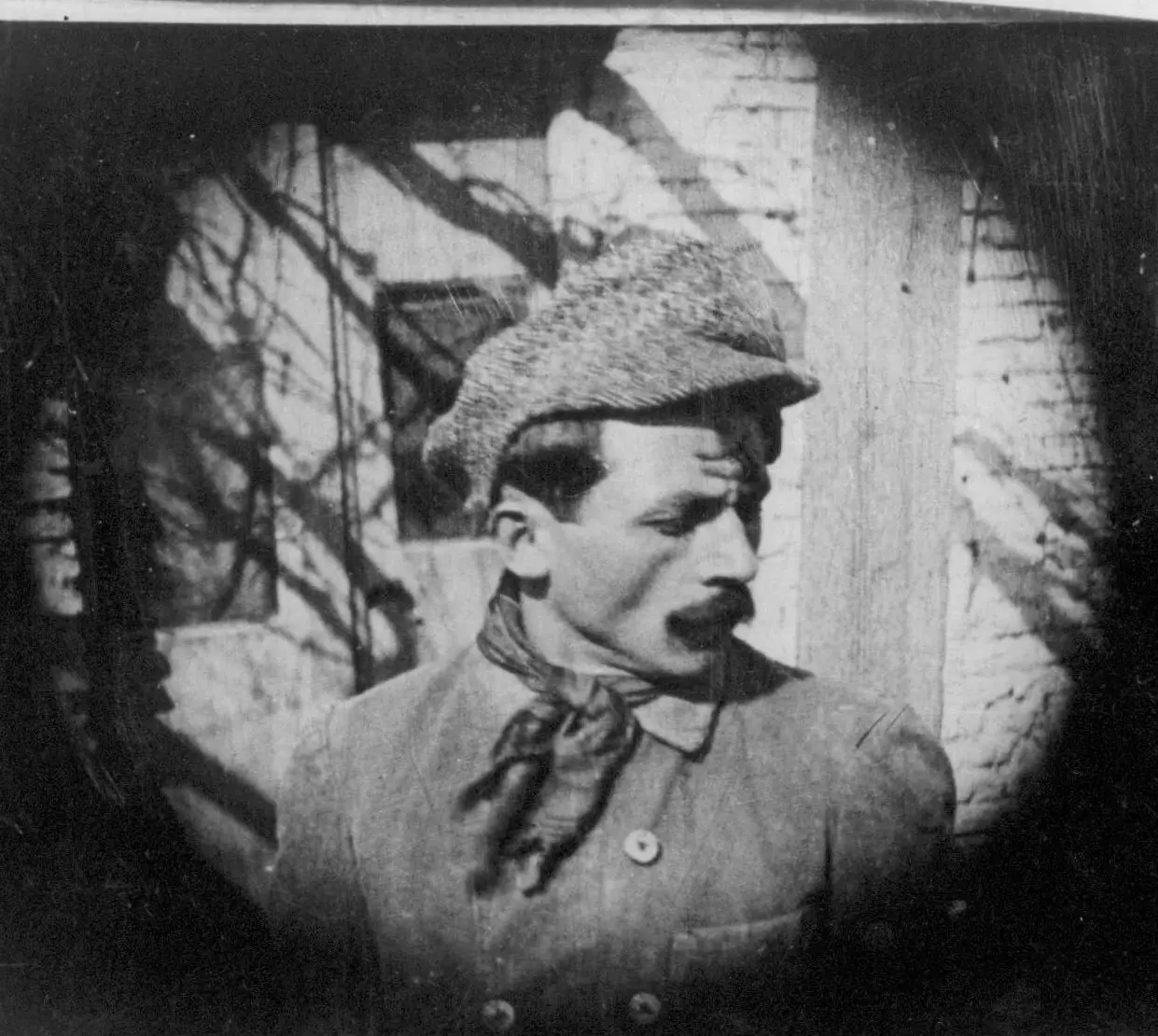
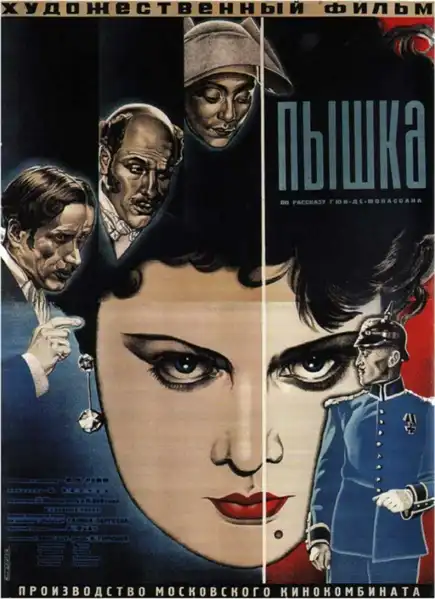
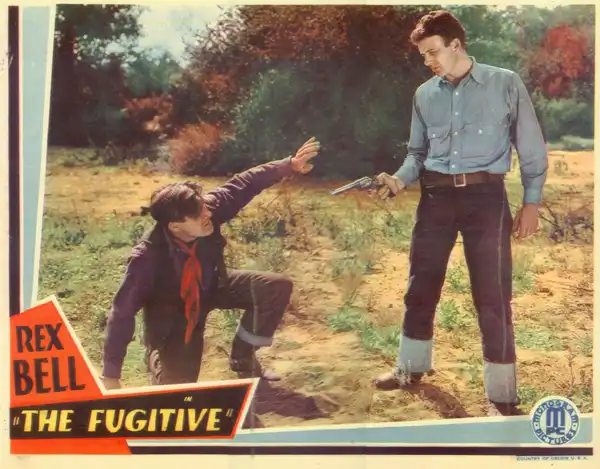
Comparatively, the film shares thematic resonances with Obozhzhenniye krylya, which also examines the intersection of personal sacrifice and societal expectation, yet diverges in its more intimate focus on a single familial unit. Unlike the swashbuckling escapades of The Adventures of Buffalo Bill, El Pañuelo de Clarita remains grounded, allowing its moral quandaries to breathe without the distraction of grandiose set pieces.
The film’s pacing, while deliberate, never succumbs to tedium. Each scene is calibrated to reveal a new facet of the characters’ psyches. For instance, a brief interlude where the carpenter repairs a broken fence for a neighbor serves as a visual metaphor for his own reconstruction of identity. This subtle storytelling technique aligns the film with the nuanced character studies found in Fallen Angel, where redemption is earned through quiet perseverance rather than overt heroics.
The production design deserves commendation for its meticulous attention to period detail. The family’s manor, with its towering columns and ornate frescoes, contrasts sharply with the cramped, dimly lit hideout where the ransom negotiations occur. This dichotomy reinforces the film’s central tension between opulence and destitution, a visual echo of Clarita’s own internal conflict.
In terms of cultural significance, the film offers a window into the socioeconomic stratifications of its era, portraying how wealth can both shield and alienate. The carpenter’s descent into crime is not presented as a moral failing but as a symptom of systemic neglect, a perspective that anticipates modern discussions about class mobility and social safety nets.
The screenplay’s resolution, while satisfying, also leaves room for contemplation. The family’s reunification is not a simplistic happy ending; it is a negotiated settlement that acknowledges past transgressions and promises a more equitable future. This nuanced closure invites viewers to reflect on the possibility of genuine transformation within entrenched power structures.
The film’s legacy can be traced through its influence on later works that explore similar motifs of hidden kinship and moral redemption, such as Pençe and Alemdar Mustafa Pasa. While those titles adopt a more action‑driven approach, the emotional core established by El Pañuelo de Clarita remains evident.
From a technical standpoint, the editing maintains a rhythm that respects the story’s emotional beats. Cuts are rarely abrupt; instead, they glide from one tableau to the next, allowing the audience to linger on moments of quiet introspection—such as Clarita’s solitary stare at the handkerchief now folded neatly in her pocket, a silent reminder of the compassion that set the plot in motion.
The film’s dialogue, though sparse, is imbued with poetic resonance. Phrases like "the thread that binds us is often frayed, yet it can be rewoven" echo throughout the narrative, reinforcing the motif of textile imagery introduced by the handkerchief. This linguistic consistency contributes to a cohesive thematic tapestry.
Overall, El Pañuelo de Clarita stands as a testament to the power of understated storytelling. Its blend of strong performances, thoughtful direction, and rich visual symbolism creates an experience that rewards attentive viewing. The film invites repeated watches, each time revealing a new layer of meaning hidden beneath its polished surface.
For cinephiles seeking a film that balances moral inquiry with compelling character arcs, this work offers a rare combination of elegance and grit. Its exploration of redemption through the lens of familial duty and personal sacrifice remains as resonant today as it was upon its original release.

IMDb 4.3
1931
Community
Log in to comment.