DbcultAccessing Vault...
Cult Review
Senior Film Conservator
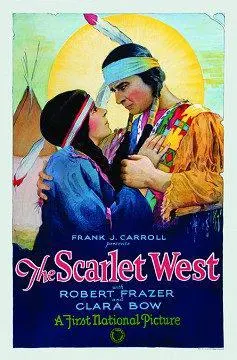
In the vast, flickering archives of the silent era, few films attempt the thematic acrobatics found in the 1925 epic, The Scarlet West. This is not merely a Western; it is a sprawling, agonizing meditation on the impossibility of cultural synthesis. Directed with a grand, if occasionally heavy-handed, sense of scale, the film maneuvers through the treacherous terrain of identity, loyalty, and the devastating cost of progress. At its core is Cardelanche, played with a simmering, stoic intensity by Robert Frazer. Cardelanche is a man bifurcated by his upbringing—an Indian chief’s son who has been polished by the educational institutions of the East, only to return to a home that no longer recognizes his scent.
The narrative architecture of The Scarlet West is built upon the classic 'man without a country' trope, yet it infuses this with a specific, visceral racial tension that feels surprisingly modern. When Cardelanche returns, the rejection by his tribe is not just a plot point; it is an existential erasure. He is a man who has learned the language of the oppressor to save his people, only to find that the language itself has become a barrier. This sets the stage for a dramatic pivot that sees him saving a U.S. cavalry detachment—a move that earns him a Captaincy but further isolates him from his roots. It’s a fascinating precursor to films like Christopher Columbus, which also deal with the collision of old and new worlds, albeit from a vastly different maritime perspective.
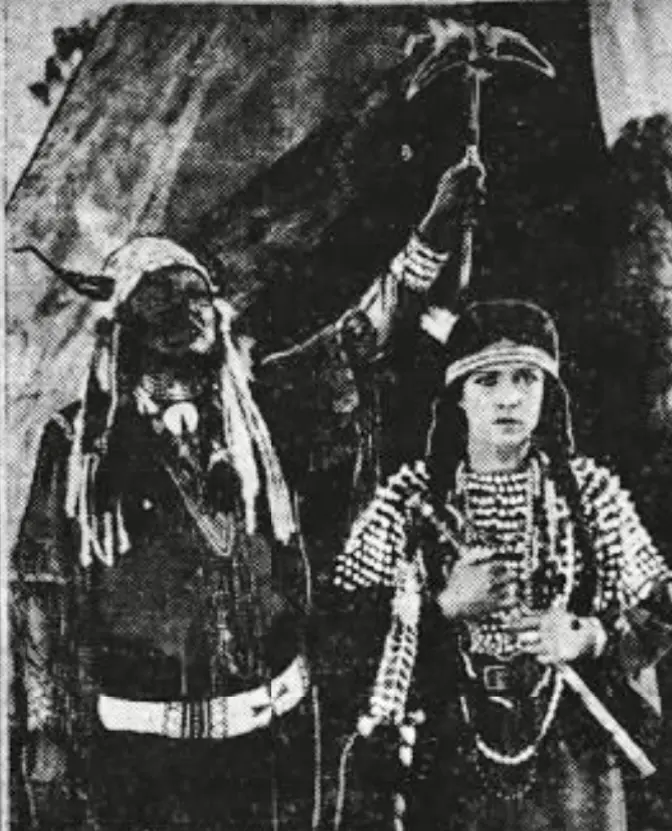
Entering this volatile mix is Miriam, portrayed by the incomparable Clara Bow. Long before she became the definitive 'It Girl' of the Jazz Age, Bow showcased a remarkable dramatic range that is often overshadowed by her later flapper persona. In The Scarlet West, she is the daughter of the Fort Remmington commandant, representing the soft, domestic underbelly of the colonial machine. Her chemistry with Frazer is palpable, a flicker of genuine human connection in a landscape defined by fortresses and war paint. Their relationship is the emotional anchor of the film, providing a stark contrast to the cold, bureaucratic violence of the military hierarchy.
However, this romance is doomed by the very structures that allow it to exist. Miriam’s love for Cardelanche is a challenge to the racial purity of the era, a theme we see explored in various iterations in films like The Branded Woman. In that film, the protagonist must navigate the stigmas of her past, much as Cardelanche must navigate the 'stigma' of his birth in the eyes of the white officers. The tension between Miriam and Cardelanche isn't just romantic; it’s a microcosm of the larger conflict. Every touch, every shared glance, is a transgression against the status quo of the 1870s American West.
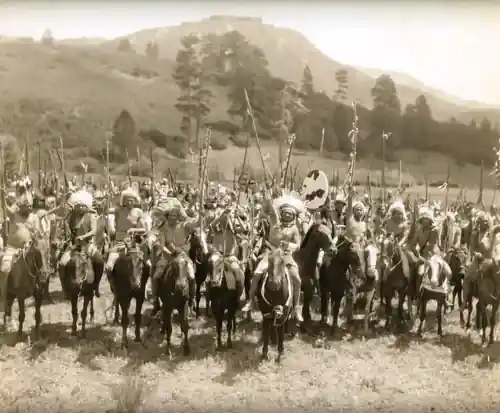
The film’s third act is dominated by the looming specter of General Custer’s Last Stand. The production scale here is nothing short of breathtaking for 1925. Shot on location in the Garden of the Gods in Colorado, the cinematography captures the raw, indifferent beauty of the landscape. The slaughter of Custer’s troops is handled with a sense of grim inevitability. It is here that the conflict between Lieutenant Parkman (Johnnie Walker) and Cardelanche reaches its boiling point. Parkman, demoted and embittered, represents the worst of the colonial ego—entitled, racist, and fundamentally incapable of understanding the man he views as a 'savage' in a uniform.
As the carnage unfolds, the film takes a daring turn. Cardelanche’s realization that his true allegiance belongs to his people is not framed as a betrayal of the U.S. Army, but as a reclamation of his soul. It is a moment of profound atavism. He strips away the blue coat, the brass buttons, and the Western name, returning to the fold of his ancestors. This thematic weight reminds one of the atmospheric dread and inevitable fate found in The Isle of the Dead, where characters are trapped by forces far larger than their individual wills. Cardelanche’s choice is a tragic one, particularly in his renunciation of Miriam, but it is presented as the only path toward integrity.
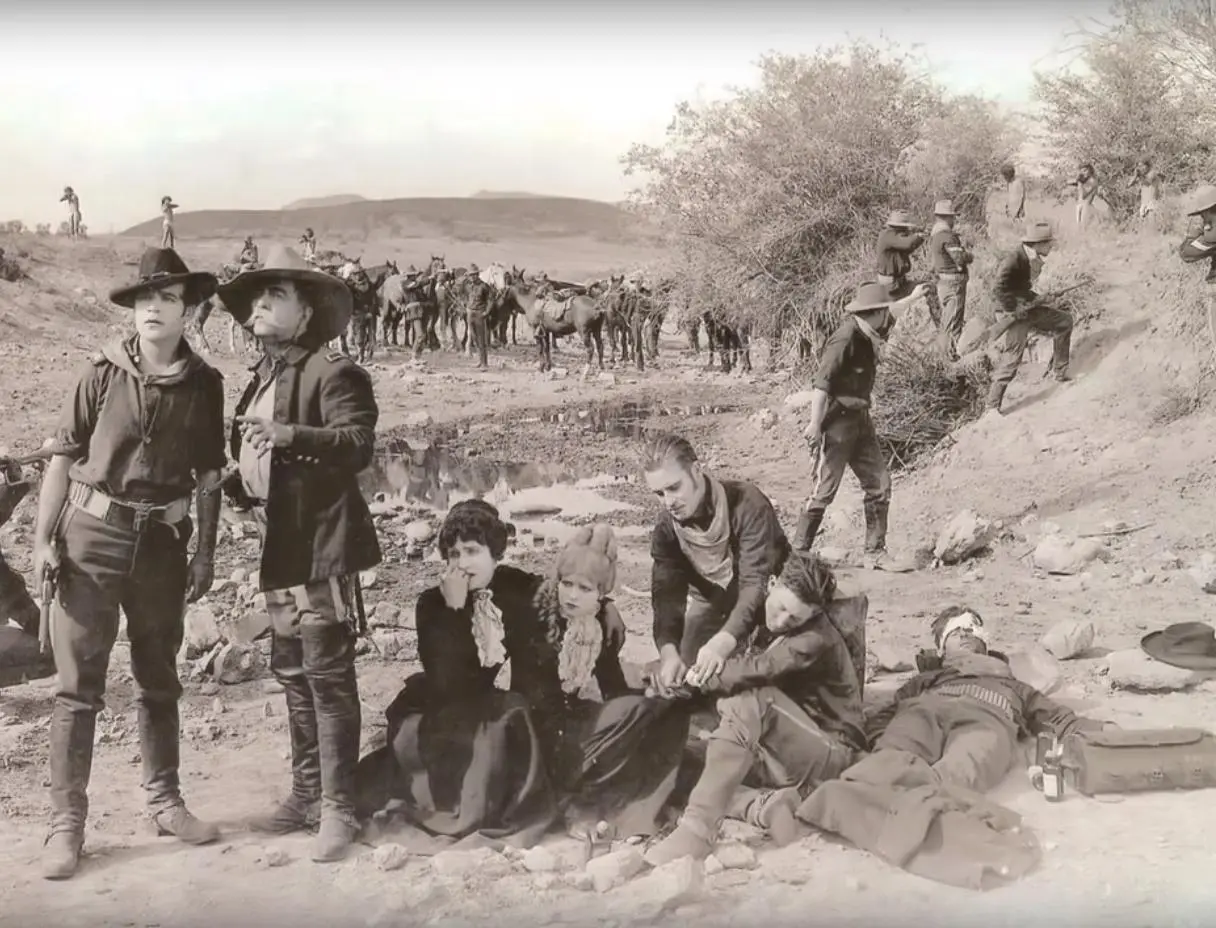
It is a tragedy of film history that The Scarlet West is largely considered a lost film, with only fragments and production stills remaining to testify to its grandeur. The writers, Anthony Paul Kelly and Arch Heath, crafted a script that avoided many of the simplistic 'Cowboys vs. Indians' tropes of its contemporaries. Instead, they leaned into the psychological toll of assimilation. The film doesn't offer easy answers. It doesn't suggest that Miriam and Cardelanche could have lived happily ever after in some utopian middle ground. It acknowledges that the ground they stand on is already soaked in blood.
The supporting cast, including Robert Edeson and Ruth Stonehouse, provides a solid framework for the central trio. The ensemble work creates a lived-in feel for Fort Remmington, making the eventual collapse of order feel all the more devastating. In terms of narrative complexity, it stands head and shoulders above simpler fare like A False Alarm or the more whimsical The Runt. It shares more DNA with the high-stakes social dramas of the time, such as Married in Name Only, where societal expectations act as the primary antagonist.
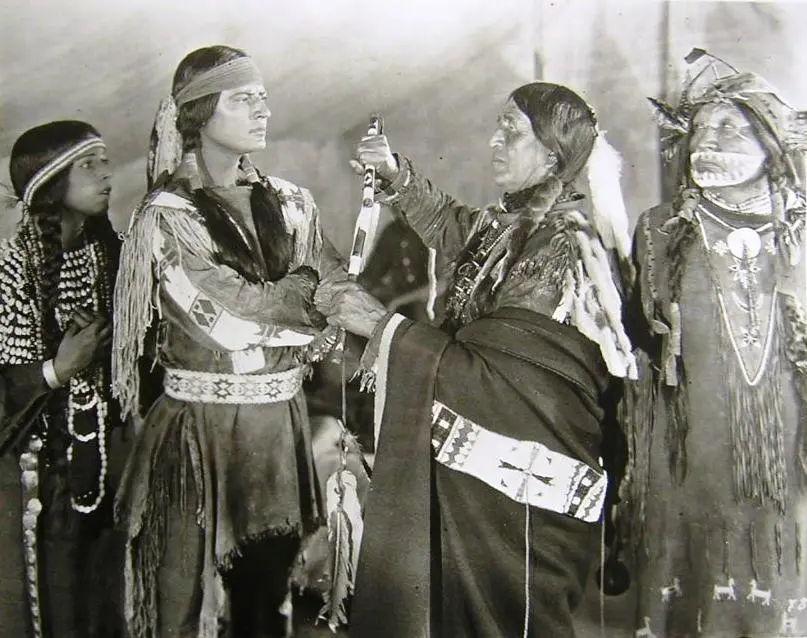
Looking back from a century’s distance, The Scarlet West remains a pivotal moment in the evolution of the Western. It dared to center an Indigenous protagonist with agency, education, and a complex inner life. While it still operates within the confines of 1920s Hollywood sensibilities, the film’s willingness to end on a note of separation and racial solidarity rather than a forced 'melting pot' resolution is remarkable. It captures a specific American anxiety—the fear that the wounds of the frontier are too deep to ever truly heal.
The film’s visual language, from the sweeping vistas of Colorado to the intimate, candlelit interiors of the fort, speaks to a high level of craftsmanship. It is a stark contrast to the more contained, almost claustrophobic environments seen in Green Eyes. In The Scarlet West, the horizon is always present, a constant reminder of the encroaching future and the vanishing past. It is a film of immense silence and deafening echoes, a work that asks what it means to be 'civilized' and who gets to define that term.
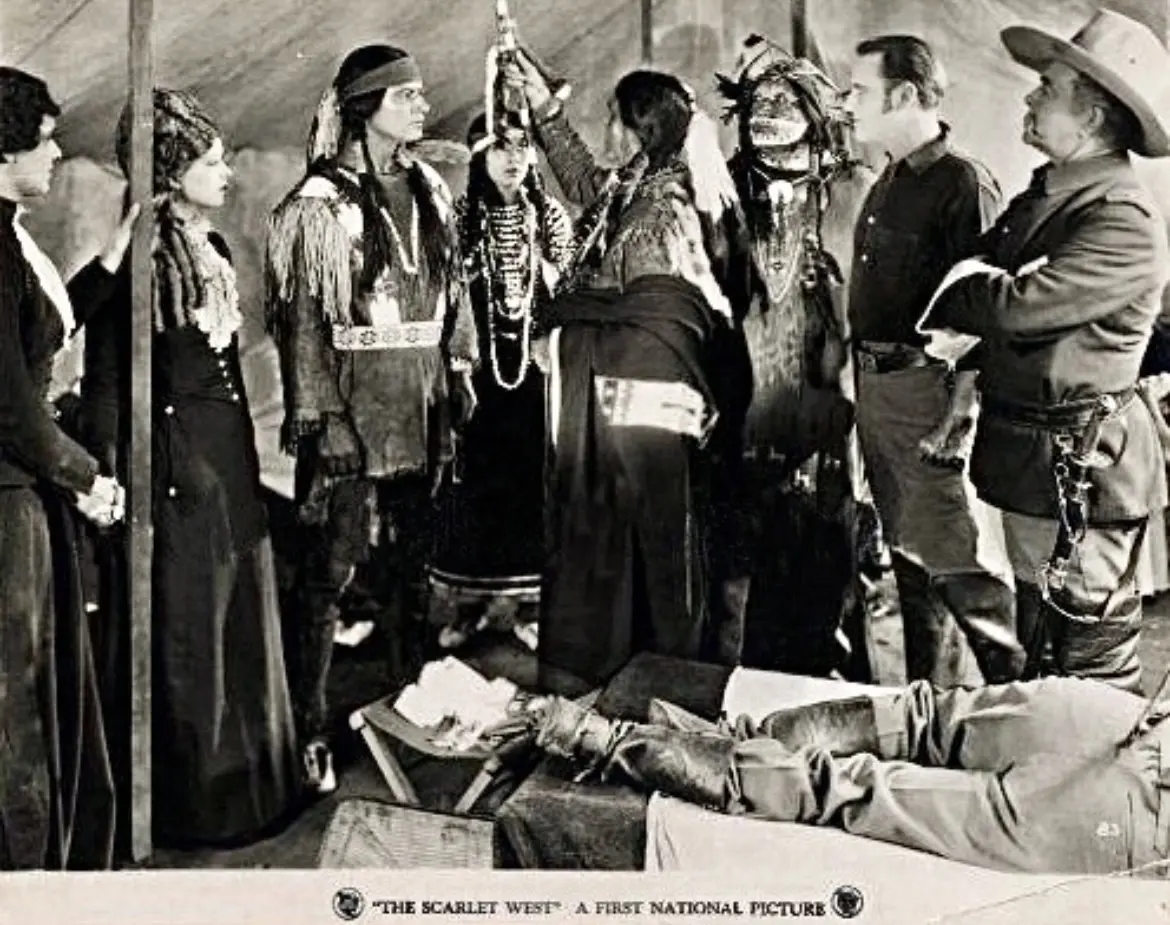
In the end, Cardelanche’s journey is a mirror for the American experience itself—a messy, violent, and deeply conflicted process of self-discovery. The film doesn't shy away from the ugliness of the military’s role in the West, nor does it romanticize the inevitable tragedy of the Indigenous resistance. It is a balanced, if melancholic, portrait of a world in transition. While we may never see the full cut of this masterpiece again, its influence persists in the way we tell stories about the frontier. It paved the way for more nuanced explorations of identity that would follow decades later.
Whether compared to the suspense of Trapped by the London Sharks or the domestic intricacies of The Shuttle, The Scarlet West stands out for its sheer ambition. It is a film that tried to capture the soul of a nation at a crossroads, using the star power of Clara Bow and the gravitas of Robert Frazer to tell a story that is as much about the heart as it is about the land. It remains a ghost of the silent era, haunting our understanding of the Western genre with its scarlet-hued dreams and its dusty, uncompromising reality.
Ultimately, the film serves as a reminder that the most profound battles are not fought on the plains with rifles and arrows, but within the human heart. Cardelanche’s final walk away from Miriam and toward his people is one of the most powerful images in early cinema—a silent, dignified acknowledgment that some chasms are simply too wide to cross. It is a cinematic achievement that deserves to be remembered, studied, and mourned.
IMDb 6.3
1933
Community
Log in to comment.