DbcultAccessing Vault...
Cult Review
Senior Film Conservator
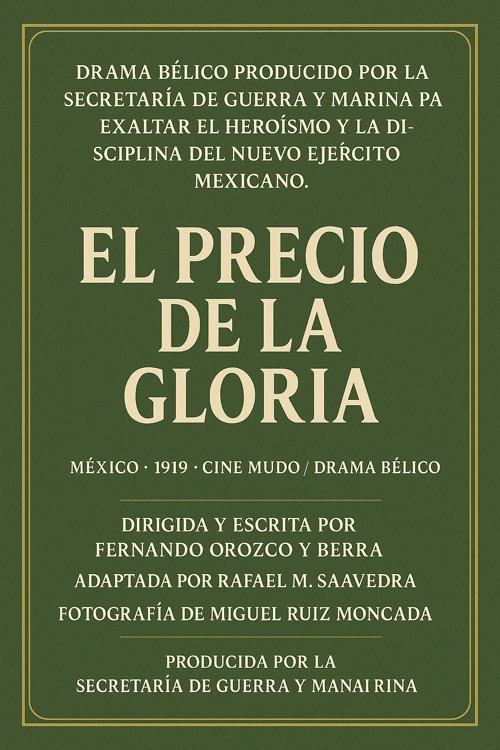
There are films that merely tell a story, and then there are those that etch themselves into the very fabric of cinematic consciousness, not just with their narrative, but with the profound questions they dare to pose. El precio de la gloria is unequivocally the latter. It is a searing, elegiac examination of ambition, authenticity, and the corrosive nature of fame, presented through the visceral poetry of the bullring. This isn't just a film about a matador; it's a profound character study, a tragic ballet of the soul, and a timeless rumination on what we are willing to sacrifice at the altar of perceived success.
From its opening frames, the film immerses us in the sun-drenched, dust-laden world of a young, extraordinarily gifted matador named Ricardo Montoya. Portrayed with a raw, almost feral intensity by Rafael M. Saavedra, Ricardo is a force of nature in the arena. His movements are not merely technique; they are an extension of his very being, imbued with an instinctive grace that captivates and electrifies. Saavedra’s performance is nothing short of masterful, charting Ricardo’s trajectory from an unvarnished, passionate artist to a man subtly, then overtly, hollowed out by the demands of his rising star. He embodies the paradox of the bullfighter: a figure of immense strength and vulnerability, courage and fear, artistry and brute survival.
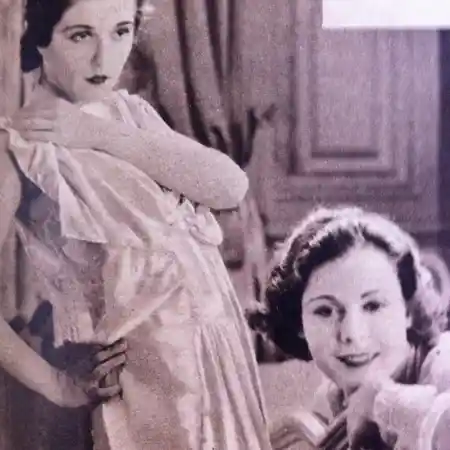
Ricardo’s roots are firmly planted in the simple, honest soil of his village, a world beautifully personified by Elena, his childhood sweetheart, brought to life with understated grace by Rutila Urriola. Elena is the quiet heartbeat of the film, a beacon of authentic love and unwavering belief in the true Ricardo. Her presence acts as a poignant counterpoint to the dazzling, yet ultimately superficial, world that awaits him. Their early scenes together, filled with unspoken promises and shared dreams, establish a profound emotional anchor, making Ricardo’s subsequent choices all the more heart-wrenching. The film smartly avoids overt melodrama, instead allowing the quiet anguish in Elena’s eyes to convey the depth of her impending loss.
The catalyst for Ricardo’s ascent, and simultaneously his descent, is the cunning impresario, Don Esteban Vargas, a role expertly filled by José Rubio. Don Esteban is not merely a manager; he is a puppeteer, a master manipulator who sees in Ricardo not just talent, but a commodity. Rubio imbues Don Esteban with a seductive charm that masks a ruthless ambition, making him a truly formidable antagonist. He offers Ricardo the world – fame, wealth, adoration – but the price, as the title so eloquently suggests, is Ricardo’s soul. Don Esteban’s guidance, initially appearing benevolent, slowly twists Ricardo’s innate artistry into a calculated spectacle, prioritizing public adulation over personal integrity. This dynamic echoes the insidious pressures seen in The Lash of Power, where the intoxicating allure of influence slowly corrupts even the noblest intentions.
As Ricardo's fame explodes across Spain, he is drawn into the glittering, treacherous orbit of high society. Here, he encounters Isabel de la Vega, a sophisticated and alluring socialite portrayed by Teté Tapia. Isabel represents the epitome of the 'glory' Ricardo pursues: glamour, status, and access to an exclusive world. Tapia plays Isabel with a compelling blend of allure and detachment, making her a symbol of the superficial rewards that pull Ricardo further from his authentic self. His relationship with Isabel is less about love and more about consolidation of status, a stark contrast to the pure affection he shares with Elena. The juxtaposition of these two relationships forms the emotional core of the film’s exploration of sacrifice.
The writers, Fernando Orozco y Berra, Rafael M. Saavedra (who also stars, a remarkable feat), and Miguel Ruiz, craft a narrative that is both epic in scope and intimate in its psychological detail. They meticulously trace Ricardo’s internal fracturing, showing rather than telling the erosion of his spirit. The dialogue is sharp, often laced with a tragic irony, as Ricardo's declarations of artistic integrity slowly give way to the pragmatic demands of his career. The screenplay doesn't shy away from the brutal realities of the bullring, using the danger and the ritual as a powerful metaphor for Ricardo’s own perilous journey. Each corrida becomes a reflection of his internal struggle, the dance with death mirroring his dance with moral compromise.
The thematic richness of El precio de la gloria is truly staggering. It delves into the universal human desire for recognition, questioning at what point ambition morphs into a destructive force. It explores the tension between art and commerce, authenticity and performance, love and convenience. The film suggests that true glory isn't found in the roar of the crowd or the accolades of the elite, but in the steadfast preservation of one's own truth. This resonates deeply, much like the introspective journey in Milestones of Life, which also explored pivotal turning points that define character.
Visually, the film is a triumph. The cinematography captures both the stark beauty of the Andalusian countryside and the opulent, often claustrophobic, grandeur of Madrid’s high society. The bullfighting sequences are filmed with an unflinching realism, conveying both the inherent danger and the intricate artistry of the spectacle. There’s a particular shot, early in Ricardo’s career, where the camera lingers on his face, sweat mingling with dust, a flicker of pure joy in his eyes after a perfect pass. This image stands in stark contrast to later scenes, where his gaze is haunted, his movements more mechanical, reflecting the toll his choices have taken. The director—whose vision permeates every frame—masterfully uses light and shadow to underscore the emotional states of the characters, creating a visual language that is as eloquent as the dialogue.
The supporting cast also contributes significantly to the film’s rich tapestry. Manuel Camacho Vega, Flora Islas Chacón, and Eduardo Urriola, though perhaps in smaller roles, populate Ricardo's world with believable, nuanced characters, adding depth and texture to the social milieu. Their presence helps ground the more dramatic elements of the plot, providing a sense of community and the societal pressures that constantly bear down on Ricardo.
As Ricardo's career reaches its apex, the film inexorably builds towards a climactic corrida, a sequence of breathtaking tension and profound symbolic weight. This is not merely a bullfight; it is a spiritual battleground. Elena, heartbroken but ever-present, watches from the stands, a silent witness to the man Ricardo has become. Don Esteban, ever the showman, pushes Ricardo to take increasingly reckless risks, feeding the crowd’s insatiable appetite for spectacle. Isabel, from her privileged box, revels in the dangerous glamour, oblivious to the soul-crushing toll it takes. In this crucible of expectation and self-betrayal, Ricardo makes a fateful error, a misstep born not of lack of skill, but of a profound internal dissonance. The ensuing goring is depicted with brutal honesty, a physical manifestation of the spiritual wounds he has accumulated. It’s a moment that resonates with the tragic inevitability sometimes felt in films like A Trick of Fate, where destiny seems to converge on a single, devastating point.
The aftermath of the corrida is where the film truly delivers its devastating punch. Ricardo is left to confront the wreckage of his choices. Whether his career is irrevocably shattered or he is merely scarred, the true injury is to his spirit. The film offers no easy answers, no saccharine redemption. Instead, it presents a poignant, often bleak, reflection on the emptiness of glory when purchased at such a high personal cost. He might seek reconciliation with Elena, a desperate attempt to reclaim the authenticity he discarded, or he might be left in solitary contemplation, haunted by the applause that once defined him but now rings hollow. This introspective quality and the exploration of moral compromise bring to mind the subtle complexities of The Secret Sin, where inner turmoil dictates outward consequence.
In an era where the pursuit of fame often overshadows the value of genuine contribution, El precio de la gloria remains remarkably relevant. It’s a cautionary tale, yes, but also a deeply empathetic portrayal of a man caught between his dreams and the corrupting forces of the world. It forces us to consider what we truly value, and what constitutes a life well-lived. Is it the ephemeral roar of the crowd, or the quiet integrity of one’s own heart? The film doesn't preach; it simply lays bare the consequences, allowing the audience to draw their own conclusions. The emotional weight of the ending, regardless of its specific resolution, is profound and lingers long after the credits roll.
Comparing it to other cinematic explorations of ambition, El precio de la gloria stands tall. Unlike the more overt villainy sometimes depicted in films about power, this film's antagonist is often the very system Ricardo aspires to join, and his own flawed humanity. It’s a nuanced take on the classic Faustian bargain, where the devil isn't a supernatural entity but the insidious whispers of societal expectation and personal insecurity. The complexity of Ricardo's journey and his internal battle for his moral compass could be seen as a more dramatic, less philosophical counterpart to the struggles faced by protagonists in films like The Better Man, where integrity is constantly tested.
Ultimately, El precio de la gloria is a magnificent piece of filmmaking, a testament to the power of storytelling that transcends its specific cultural setting. It’s a film that demands to be seen, discussed, and reflected upon. It's a testament to the enduring human struggle between aspiration and authenticity, between the glittering illusion of glory and the profound, often painful, truth of the self. A truly indelible cinematic experience that resonates with a timeless, universal poignancy.
IMDb 7.1
1931
Community
Log in to comment.