DbcultAccessing Vault...
4.2/10
Senior Film Conservator
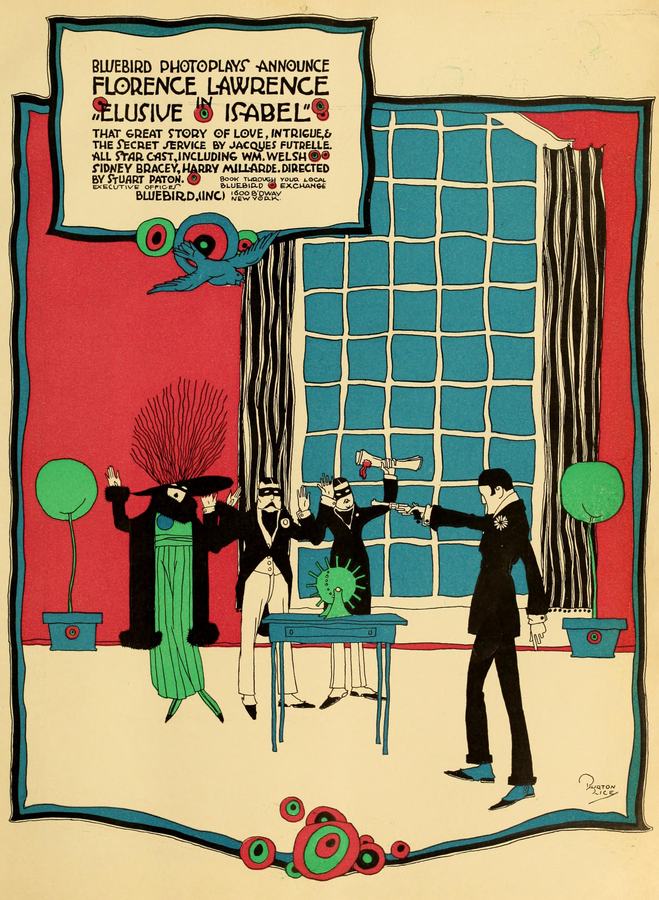
A definitive 4.2/10 rating for a film that redefined the boundaries of cult cinema. Elusive Isabel remains a cornerstone of transgressive art.
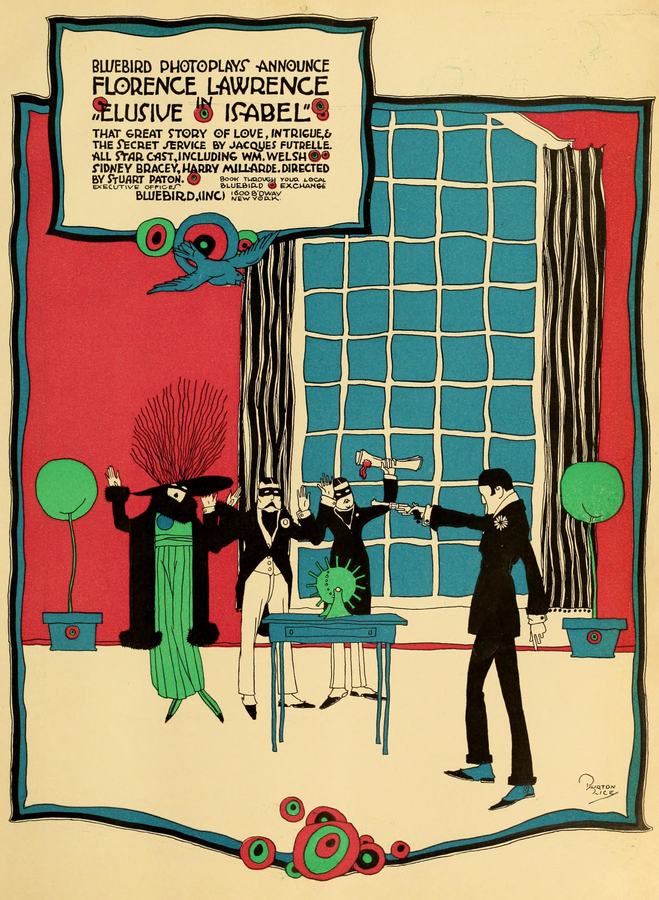
Ah, the early days of cinema! A time when the medium was still finding its voice, experimenting with narrative forms, and captivating audiences with nascent visual spectacle. Amidst the burgeoning industry, certain films stand out not just for their technical prowess, but for their ambitious storytelling. One such gem, often overlooked in the grand tapestry of silent film history, is the 1914 thriller, Elusive Isabel. Penned by Raymond L. Schrock and Jacques Futrelle, and brought to life under the direction of Harry F. Millarde, this picture is a fascinating snapshot of early espionage fiction, demonstrating a sophisticated grasp of suspense and character development that belies its age.
At its heart, Elusive Isabel is a sprawling tale of global machination. The plot unfurls with the seemingly innocuous arrival of several Latin American diplomats on United States soil. What begins as a routine international visit quickly escalates into something far more sinister, as the protagonist, a resourceful and astute operative, begins to uncover layers of deception. The film’s narrative architecture is surprisingly complex for its era, eschewing straightforward heroics for a more intricate unraveling of a vast, meticulously planned conspiracy aimed at nothing less than world domination. This isn't just about snatching a few state secrets; it's about a fundamental reordering of geopolitical power, orchestrated by a shadowy organization whose tendrils reach into the highest echelons of international society. The stakes are immense, and the tension is palpable as our hero races against time to piece together the fragments of this insidious plot.
The film excels in building an atmosphere of pervasive suspicion. Every character, from the most jovial diplomat to the most unassuming bystander, seems to harbor secrets. The filmmakers masterfully employ visual cues and subtle acting choices to hint at hidden agendas, creating a sense of unease that permeates the entire narrative. Unlike some contemporary thrillers that relied on overt villainy, Elusive Isabel delves into the more chilling realm of unseen threats and the betrayal of trust, making the conspiracy feel all the more menacing. It's a testament to the writers' vision and Millarde's direction that such a complex narrative could be conveyed so effectively in the silent medium, relying heavily on visual storytelling and the expressive capabilities of its cast.
The success of any silent film hinges significantly on the expressiveness and charisma of its performers, and Elusive Isabel is no exception. Florence Lawrence, often hailed as "The First Movie Star," brings a captivating presence to the titular role of Isabel. Her ability to convey mystery, intelligence, and perhaps a hint of danger through subtle glances and controlled gestures is remarkable. Lawrence’s performance is not one of broad melodrama, but rather of nuanced ambiguity, ensuring that Isabel remains an enigma throughout much of the film, constantly shifting allegiances or motives in the viewer's mind. This makes her character not just a plot device, but a compelling force around which the entire narrative pivots. Her star power, already well-established by 1914, undoubtedly drew audiences, and her performance here justifies that acclaim.
Harry F. Millarde, in addition to directing, also features prominently in the cast, likely taking on the role of the primary operative tasked with uncovering the conspiracy. His screen presence is one of focused determination, embodying the earnest hero archetype common in early cinema, yet infused with a credible sense of urgency. The supporting cast, including Paul Panzer, Sidney Bracey, Wallis Clark, Sonia Marcelle, William Welsh, and Jack Newton, each contribute vital pieces to the film’s intricate puzzle. Paul Panzer, often cast as villains in this era, likely brings a formidable presence to his role, adding to the sense of peril. Sidney Bracey and Wallis Clark, with their experience in a variety of roles, lend gravitas and authenticity to the diplomatic proceedings, while Sonia Marcelle and William Welsh round out the ensemble, each character playing a specific part in the grand design of the conspiracy or its unraveling. The collective effort of these actors creates a believable world of international espionage, a feat all the more impressive given the limitations of the silent screen.
Harry F. Millarde's direction of Elusive Isabel is a masterclass in early cinematic suspense. In an era predating sophisticated sound design and rapid-fire editing, Millarde relies on carefully composed shots, effective use of intertitles, and the aforementioned powerful performances to drive the narrative forward and maintain tension. He employs techniques that were still relatively new, such as parallel editing to show simultaneous events, thereby amplifying the sense of urgency, and close-ups to emphasize character reactions and crucial plot details. The staging of scenes, particularly those involving clandestine meetings or moments of discovery, is meticulously crafted to maximize dramatic impact. The film avoids the theatricality that sometimes plagued early cinema, opting instead for a more naturalistic, albeit heightened, portrayal of events.
The use of set design and location shooting, where appropriate, also contributes significantly to the film’s atmosphere. Whether depicting opulent diplomatic chambers or shadowy back alleys, Millarde ensures that the visual environment reinforces the narrative's tone. This attention to detail, combined with a pacing that keeps the audience engaged without overwhelming them, solidifies Elusive Isabel as a noteworthy example of early directorial prowess in the thriller genre. It demonstrates a clear understanding of how to build and release tension, a skill that would become fundamental to the development of cinematic suspense in the decades to follow.
Elusive Isabel resonates with several compelling themes that were particularly pertinent in the early 20th century. The overarching theme of international intrigue and global conspiracy tapped into prevailing anxieties about political instability and the rise of powerful, unseen forces. With the shadow of World War I looming, and various nations jockeying for influence, the idea of a clandestine organization manipulating world events would have struck a powerful chord with contemporary audiences. The film plays on fears of foreign infiltration and the fragility of peace, making its narrative not just entertaining but also reflective of societal concerns.
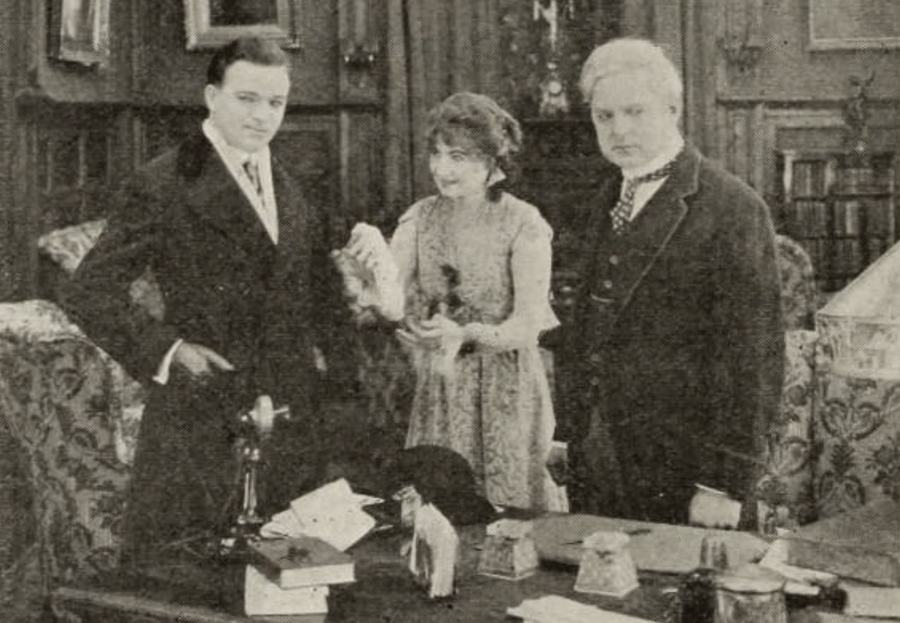
Furthermore, the character of Isabel herself, an enigmatic woman whose loyalties are constantly in question, explores the evolving role of women in popular culture. She is not merely a damsel in distress; she is an active, intelligent participant in the high-stakes game of espionage, embodying a more modern, complex female archetype. This depiction adds another layer of intrigue, challenging traditional gender roles even within the confines of a thrilling adventure. The film's exploration of trust, betrayal, and the moral ambiguities inherent in espionage also provides a rich thematic landscape, inviting viewers to ponder the nature of loyalty and the price of power.
To fully appreciate Elusive Isabel, it's helpful to place it within the broader context of early cinema. Its ambitious scope and focus on international espionage draw immediate parallels to other films of the era that explored similar themes. For instance, a film like In the Diplomatic Service likely shared a similar thematic ground, though Elusive Isabel arguably delves deeper into the global scale of its conspiracy, offering a more expansive vision of political danger. While Shannon of the Sixth might have focused on military intrigue, Elusive Isabel broadens the canvas to encompass a wider, more civilian-facing network of agents and double-crosses, making the threat feel more pervasive and less confined to military circles.
Comparing it to European contemporaries, one might find echoes in the burgeoning detective and mystery genres. While a film like Der Fund im Neubau - 2. Teil: Bekenntnisse eines Mörders from Germany would have focused on more localized crime and psychological depth, Elusive Isabel takes its mystery to an international stage, showcasing how different national cinemas approached the thriller. The grand adventure elements, with their constant movement and high stakes, might also find a distant cousin in serials like Our Mutual Girl, though Elusive Isabel presents a more tightly woven, feature-length narrative rather than episodic installments.
The film also stands in stark contrast to the pure comedic escapism offered by Keystone Comedies, highlighting the diverse range of genres emerging in the 1910s. Where Keystone aimed for slapstick and immediate gratification, Elusive Isabel sought to engage the intellect and build sustained suspense. Even within the realm of dramatic storytelling, its focus on large-scale conspiracy sets it apart from more intimate dramas like Assunta Spina or The Octoroon, which delved into social issues and personal tragedies. While those films explored the human condition through domestic lenses, Elusive Isabel cast its gaze outward, towards the machinations of global power.
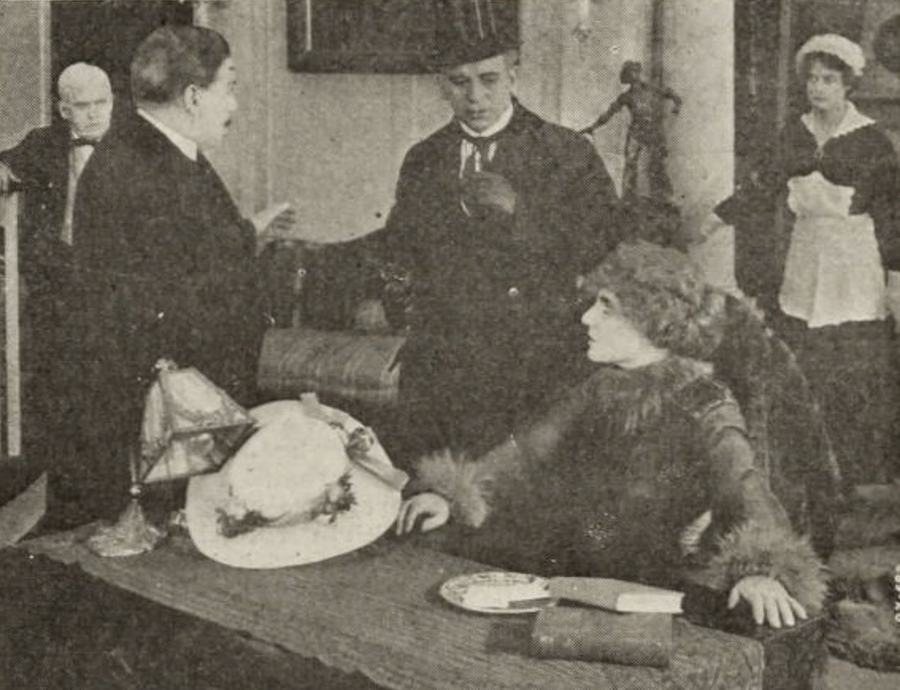
The sheer ambition of its plot, involving multiple nations and a grand scheme, can be seen as an early precursor to the sprawling narratives that would define later spy thrillers. It demonstrated that silent cinema was capable of more than just simple stories; it could handle intricate plots and complex character motivations, paving the way for future cinematic epics. Films like The Whirl of Life, if it focused on a similar high-stakes adventure, might be a closer stylistic cousin, emphasizing thrilling sequences and dramatic confrontations. However, Elusive Isabel's particular brand of intellectual espionage, where the unraveling of a plot is as important as the physical action, distinguishes it.
Even when considering films that might seem unrelated at first glance, like John Redmond, the Evangelist or Hampels Abenteuer, Elusive Isabel underscores the incredible diversity of narrative expression in early film. These other titles might explore religious themes or personal journeys, but Elusive Isabel carved out a niche for the geopolitical thriller, proving that audiences were hungry for stories that transcended everyday life and plunged them into worlds of high-stakes intrigue. Its influence, though perhaps not overtly acknowledged in mainstream film history, contributed to the development of a genre that continues to captivate audiences today, laying groundwork for everything from James Bond to Bourne.
The film’s intricate plotting, particularly given the constraints of the silent era, stands as a testament to the inventive storytelling of its writers, Raymond L. Schrock and Jacques Futrelle. Futrelle, known for his 'Thinking Machine' detective stories, brought a keen sense of logical deduction and puzzle-solving to the narrative, which translates well to the screen. This intellectual rigor, combined with Millarde's visual flair, makes Elusive Isabel a compelling watch for anyone interested in the evolution of cinematic narrative. It’s a reminder that even in its infancy, cinema was capable of tackling complex, large-scale stories with considerable skill and dramatic impact. The ability to weave such a complex tapestry of international espionage without spoken dialogue is a remarkable achievement, relying on the universal language of visual cues, character expression, and expertly crafted intertitles to guide the audience through its twists and turns.
While Elusive Isabel might not be as widely recognized as some of its more celebrated contemporaries, its contribution to the nascent thriller genre is undeniable. It demonstrated that silent film could sustain complex, multi-layered narratives centered on international conspiracy, proving that audiences were eager for intellectual engagement alongside visual spectacle. The film’s bold scope, compelling performances, particularly from Florence Lawrence, and Millarde’s adept direction mark it as a significant piece of cinematic history. It's a reminder that innovation was rampant in the early days of film, with filmmakers and writers constantly pushing the boundaries of what the medium could achieve.
For modern viewers, Elusive Isabel offers a fascinating glimpse into the origins of the spy thriller. It provides a blueprint for many conventions that would become standard in the genre, from the enigmatic femme fatale to the resourceful, unyielding hero battling a shadowy global threat. Its historical significance, coupled with its surprisingly engaging narrative, makes it a film well worth rediscovering for anyone with an interest in silent cinema, the evolution of genre, or simply a good old-fashioned conspiracy tale. It's a testament to the enduring power of storytelling, proving that even without a single spoken word, a film can transport audiences to a world of danger, deception, and thrilling revelation.
IMDb 5.6
1931
Community
Log in to comment.