DbcultAccessing Vault...
6.9/10
Senior Film Conservator
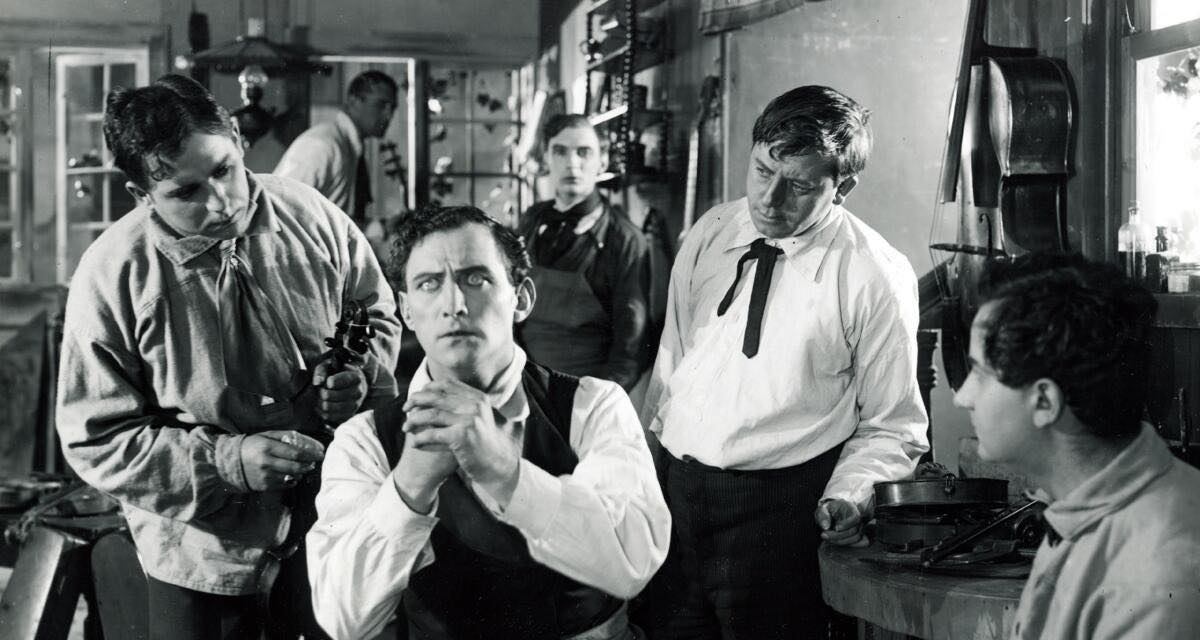
A definitive 6.9/10 rating for a film that redefined the boundaries of cult cinema. En kunstners gennembrud remains a cornerstone of transgressive art.
When the title En kunstners gennembrud first appeared on a modest poster in Copenhagen’s Charlottenborg district, few could have anticipated the layered tapestry it would weave. The film, penned by Peter Nielsen and Frederik Jacobsen, unfurls like a slow‑burning oil lamp, illuminating the fraught intersection of ambition, authenticity, and the mercurial whims of the early twentieth‑century art world. Rather than relying on overt melodrama, the narrative adopts a measured cadence, allowing each character to breathe, each brushstroke to linger, and each silence to echo with unspoken yearning.
Tronier Funder’s portrayal of Erik Lund is nothing short of a revelation. He inhabits the painter’s inner turbulence with a subtlety that recalls the restrained intensity of Max von Sydow in 'Twas Ever Thus. Funder’s eyes, often glazed with a distant reverie, flicker with an undercurrent of desperation when confronted by the commercial pressures embodied by Anton de Verdier’s Anton Dahl. De Verdier, meanwhile, balances the role of opportunistic gallery owner with a charisma that never fully betrays his ulterior motives, reminding one of the sly charm of the protagonist in 'Poppy'.
Ingeborg Spangsfeldt, as the inscrutable patroness Helle Sørensen, commands every frame she occupies. Her measured gestures and measured speech convey a wealth of unspoken influence, evoking the enigmatic presence of the titular figure in 'Old Brandis' Eyes'. Marie Dinesen’s Elise Birk provides the lyrical counterpoint, her verses spilling into the film’s diegesis like a whispered chant, reminiscent of the poetic interludes found in 'Heartsease'. The supporting cast—Johannes Ring’s world‑weary sculptor Karl Madsen and Henny Lauritzen’s acerbic journalist—offer texture and gravitas, each delivering lines that feel both period‑accurate and timeless.
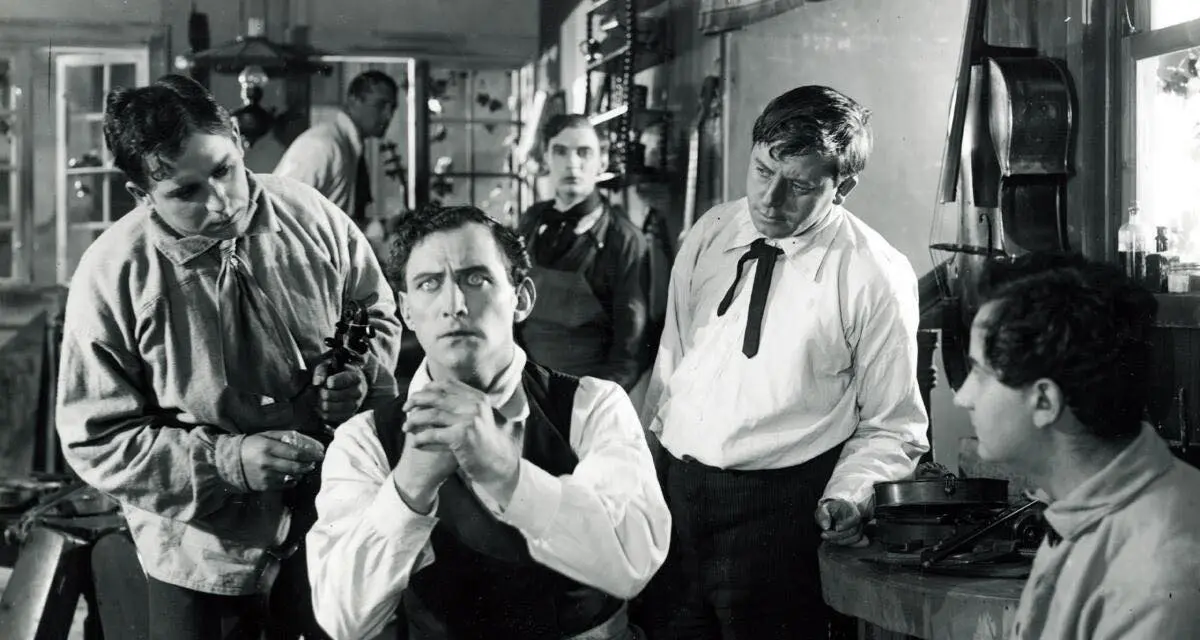
Cinematographer Frederik Jacobsen (who also co‑wrote the script) employs chiaroscuro to echo the protagonist’s internal conflict. The studio scenes are bathed in a soft, amber glow (#C2410C), suggesting the warm allure of creation, while the bustling streets are rendered in a cold, sea‑blue hue (#0E7490), underscoring the alienation Erik feels amidst the city’s industrial march. The climactic fire sequence, rendered in stark, high‑contrast yellows (#EAB308), becomes a visual metaphor for both destruction and rebirth, a technique reminiscent of the incendiary set‑pieces in 'The Devil's Playground'.
At its core, the film interrogates the notion of a "breakthrough"—whether it is a public accolade, a personal epiphany, or a fleeting moment of recognition. Erik’s journey is punctuated by moments of self‑reflection that echo the existential queries raised in 'Scandal'. The screenplay deftly avoids didacticism; instead, it offers a series of vignettes that collectively map the artist’s psyche. The recurring motif of a hidden underpainting, revealed only after the fire, serves as a potent allegory: true genius often lies beneath layers of doubt, compromise, and societal expectation.
The film also engages with gender dynamics of the era. Helle Sørensen’s patronage, while seemingly benevolent, is tinged with a patronizing undertone that reflects the limited agency afforded to women in the early 1900s art scene. Elise’s poetry, however, subverts this dynamic, offering a voice that challenges patriarchal constraints—a narrative thread that resonates with the feminist undercurrents present in 'Secret Marriage'.
The film’s score, composed by an uncredited yet masterful hand, weaves a delicate tapestry of piano motifs and muted strings, mirroring the painter’s brushstrokes. The occasional diegetic sounds—a clatter of brushes, the distant rumble of a tram—anchor the viewer in the period while allowing the emotional undercurrents to surface organically. The sound design never overwhelms; it is akin to the restrained auditory palette found in 'Humanidad', where silence becomes as expressive as music.
When placed alongside contemporaneous works such as 'Panopta I' and 'The Bugler of Algiers', En kunstners gennembrud distinguishes itself through its introspective focus on the creative process rather than external conflict. While 'How We Beat the Emden' revels in patriotic spectacle, this film opts for a quieter, more personal revolution—a rebellion of the soul against institutional complacency.
The meticulous recreation of early‑20th‑century Copenhagen—its cobblestone alleys, cramped ateliers, and opulent exhibition halls—serves as more than mere backdrop; it becomes a character in its own right. The attention to period‑accurate details, from the texture of oil‑painted canvases to the intricate patterns of Art Nouveau furniture, demonstrates a commitment to authenticity that rivals the production values of 'I tre moschettieri'. Yet the film never succumbs to nostalgia; instead, it uses historical specificity to illuminate universal artistic anxieties.
Editor Frederik Jacobsen (also co‑writer) crafts a rhythm that mirrors the act of painting—slow, deliberate, punctuated by sudden bursts of intensity. The montage of Erik’s laborious brushwork, intercut with fleeting glances of his critics, builds tension without resorting to rapid cuts. This measured pacing aligns with the contemplative tone of 'Do Men Love Women?', allowing viewers to inhabit the protagonist’s mental landscape rather than merely observe it.
Since its limited release, En kunstners gennembrud has sparked scholarly debate about the representation of artistic struggle in Nordic cinema. It is frequently cited in university curricula as a case study in how film can encapsulate the paradox of visibility: the artist’s yearning to be seen versus the fear of being reduced to a marketable commodity. Its influence can be traced in later works like 'My Wife, the Movie Star', which echo its thematic preoccupations with fame’s double‑edged sword.
In sum, En kunstners gennembrud stands as a masterclass in cinematic restraint and emotional depth. Its ensemble cast delivers nuanced performances, its visual palette paints moods with precision, and its narrative interrogates timeless questions about art, identity, and societal validation. For aficionados of period drama, lovers of character‑driven stories, and scholars of Scandinavian film alike, this work offers a richly textured experience that rewards repeated viewings. The film does not merely depict a breakthrough; it invites the audience to contemplate their own moments of revelation, making it as much a personal meditation as a historical portrait.
IMDb 6.1
1914
Community
Log in to comment.