Summary
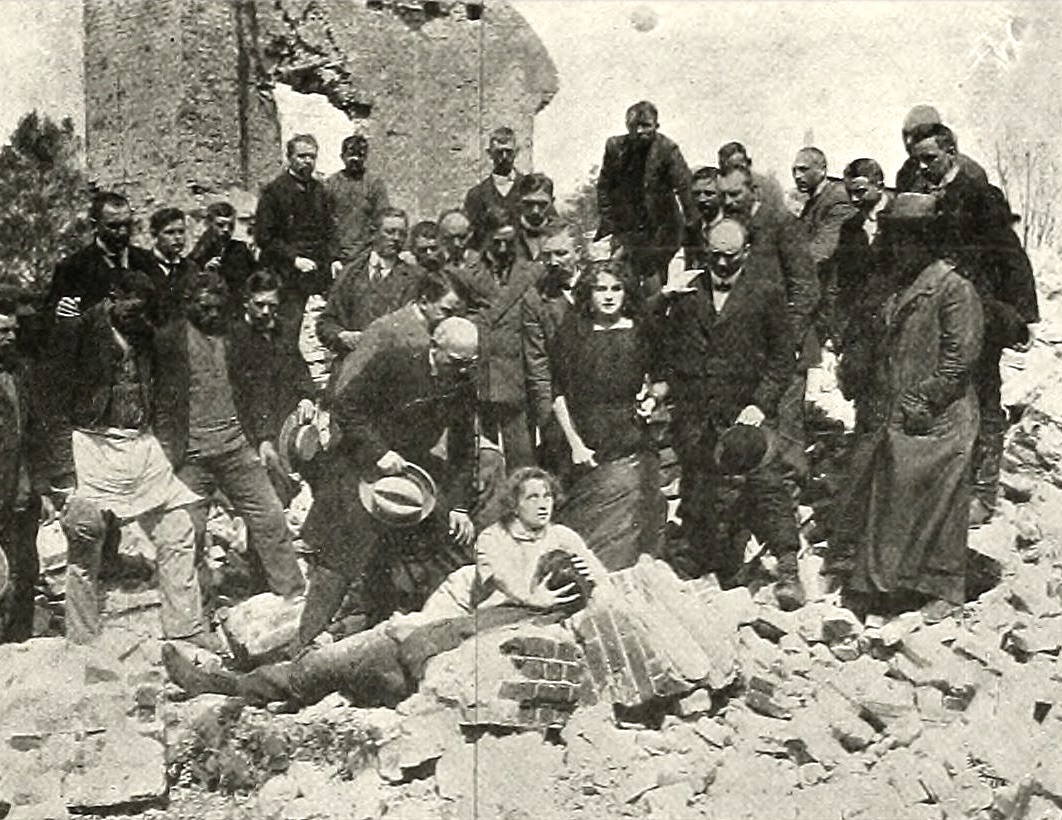
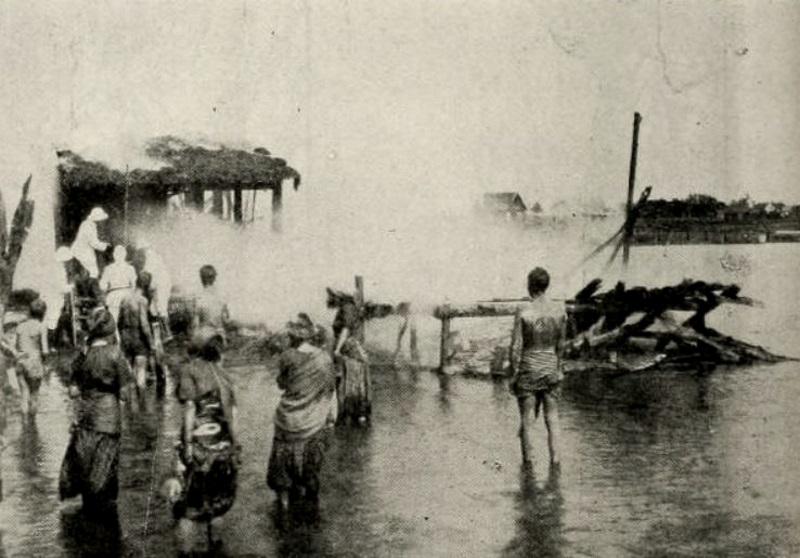
In the austere streets of Copenhagen’s 1910s artistic quarter, a restless painter named Erik Lund (Tronier Funder) grapples with the suffocating expectations of the academic establishment. When a chance encounter with the enigmatic patroness Helle Sørensen (Ingeborg Spangsfeldt) offers him a modest studio and a cryptic promise of exposure, Erik’s fragile confidence begins to crystallize into ambition. He assembles a motley crew of collaborators: the seasoned sculptor Karl Madsen (Johannes Ring), whose cynical humor masks a deep yearning for relevance; the idealistic poetine Elise Birk (Marie Dinesen), whose verses echo the tremors of a society on the brink of modernity; and the pragmatic gallery owner Anton Dahl (Anton de Verdier), whose commercial instincts clash with artistic purity. As Erik’s first exhibition looms, he confronts the relentless scrutiny of critics, the jealous glances of rival painters, and the haunting specter of his own self‑doubt. A pivotal night in a smoky tavern, where a drunken debate with the cynical journalist Henny Lauritzen (Henny Lauritzen) spirals into a public scandal, forces Erik to choose between compromising his vision for fame or preserving his integrity at the cost of obscurity. The climax unfurls during the grand opening at the Royal Art Hall, where a sudden fire erupts, threatening to consume both the artworks and the fragile hopes of the assembled crowd. In the smoldering aftermath, Erik discovers that true breakthrough lies not in accolades but in the quiet affirmation of his own creative truth, as he watches the charred canvas of his masterpiece reveal an unexpected, luminous underpainting that captivates the onlookers, securing his place in the annals of Danish art.
Review Excerpt
"
A Canvas of Contradictions
When the title En kunstners gennembrud first appeared on a modest poster in Copenhagen’s Charlottenborg district, few could have anticipated the layered tapestry it would weave. The film, penned by Peter Nielsen and Frederik Jacobsen, unfurls like a slow‑burning oil lamp, illuminating the fraught intersection of ambition, authenticity, and the mercurial whims of the early twentieth‑century art world. Rather than relying on overt melodrama, the narrative adopts a m..."