DbcultAccessing Vault...
7/10
Senior Film Conservator
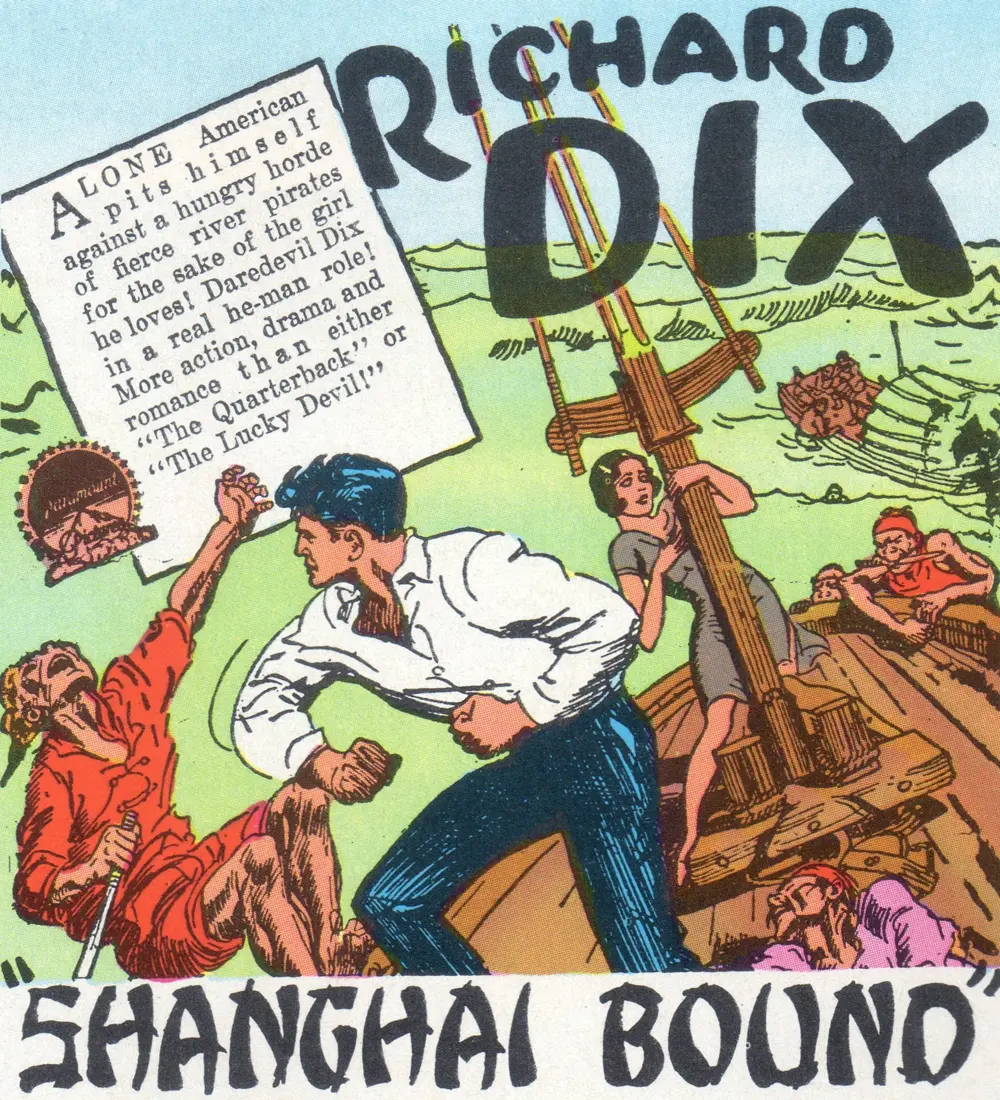
A definitive 7/10 rating for a film that redefined the boundaries of cult cinema. Shanghai Bound remains a cornerstone of transgressive art.
Is Shanghai Bound a relic worth excavating for the modern cinephile? Short answer: Yes, but only if you view it through the lens of a historical anthropologist rather than a casual weekend viewer. This film is for those who appreciate the raw, unpolished kinetic energy of the late silent era and can tolerate the era's pervasive colonial tropes; it is definitely not for anyone seeking a nuanced or sympathetic portrayal of Chinese revolutionary history.
1) This film works because it utilizes the confined space of the Fan Tan freighter to create a legitimate sense of mounting dread that transcends its silent medium.
2) This film fails because its secondary characters, particularly the aristocratic Algy, are written with such broad, buffoonish strokes that they often undermine the genuine tension of the bandit siege.
3) You should watch it if you want to see Richard Dix at the height of his physical charisma, performing a role that bridges the gap between the Victorian hero and the modern action lead.
Shanghai Bound isn't interested in the grand political movements of 1920s China. Instead, director Luther Reed focuses on the friction of personalities trapped in a metal box. The early scenes in the Chow Luen cafe are masterfully staged, using deep focus to show the hungry populace peering through windows while the wealthy Louden party demands service. It is a stark, uncomfortable visual that sets the tone for the entire film. Unlike the more whimsical approach found in The Rag Man, there is a biting edge to the class disparity presented here.
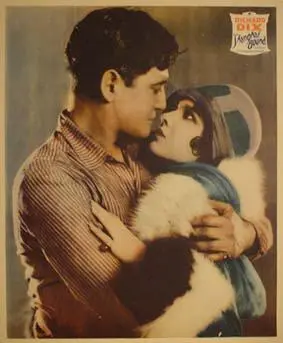
When the action shifts to the Fan Tan, the cinematography takes on a more rhythmic, industrial quality. The shots of the engine room are not just filler; they represent the labor required to keep the "civilized" world moving. The decision to make the passengers work for their survival is the film's strongest thematic pivot. Watching Sheila, played with surprising grit by Mary Brian, trade her finery for a coal shovel provides a character arc that feels earned, even if it is eventually wrapped in a traditional romance.
Richard Dix carries this film with a performance that is uncharacteristically restrained for 1927. While many of his contemporaries were still relying on the exaggerated pantomime of the early 1920s, Dix uses his physicality to convey authority. He doesn't need to shout through intertitles; his posture alone tells you he is the master of the vessel. This groundedness is essential because the plot itself often veers into the absurd.
The supporting cast is a mixed bag. Tetsu Komai as Scarface is a product of his time—a hyper-stylized villain who lacks the psychological depth we expect today. However, as a purely physical threat, he is effective. The interaction between the various passengers provides a microcosm of Western society's various failures during the era. It’s a far cry from the domestic intimacy of Young Mrs. Winthrop, opting instead for a loud, clashing ensemble that reflects the external chaos of the revolution.
The middle act of the film is where the tension truly peaks. The bandit attack on the ship is choreographed with a frantic energy that feels modern. The use of the river's geography—the narrow channels and the overhanging banks—creates a sense of being hunted. Reed understands that the ship is a slow-moving target, and he exploits that vulnerability. Every time the engine sputters, the stakes feel tangible.
It is during these sequences that the film’s technical prowess shines. The editing is sharp, cutting between the desperate passengers below deck and the tactical maneuvers of Bucklin on the bridge. It lacks the experimental flair of European imports like Die Flucht in die Nacht, but it makes up for it with pure, American efficiency. It works. But it’s flawed by a third act that prioritizes a neat resolution over the gritty realism it initially promises.
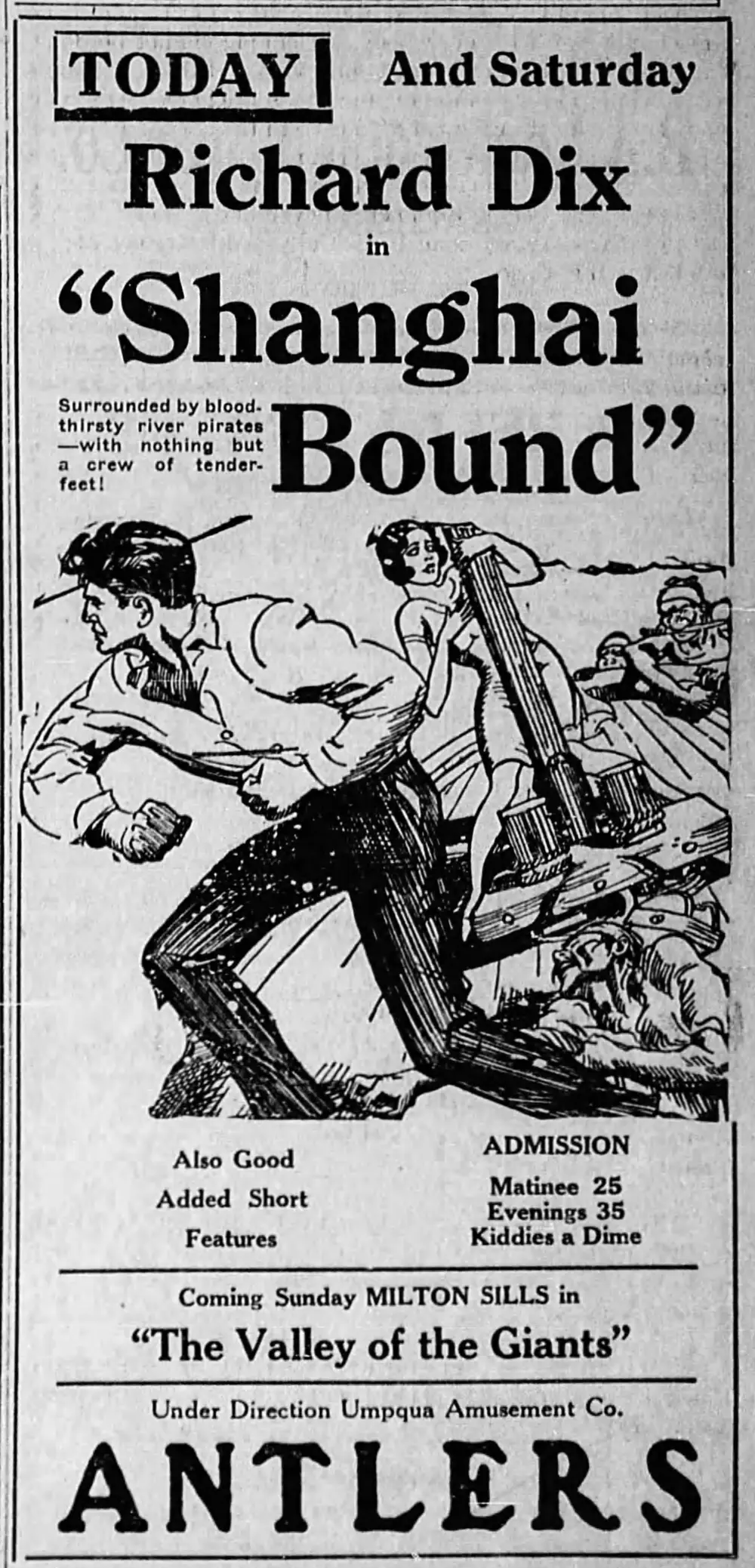
If you are looking for a definitive answer, consider this: Shanghai Bound is a superior example of the 1920s action-adventure genre that manages to be both thrilling and problematic. It is worth watching for the riverboat set pieces and Richard Dix’s commanding performance. However, if you are sensitive to the "Great White Fleet" mentality of early 20th-century cinema, the ending will likely leave a bitter taste in your mouth. It is a film of high technical skill and low cultural empathy.
The reveal that Jim Bucklin is actually a Lieutenant-Commander in the U.S. Navy is the film's most debatable point. On one hand, it explains his tactical brilliance and his ability to command a ragtag group of civilians. On the other hand, it robs the character of his "everyman" status. The film begins as a story about a rough-and-tumble river captain and ends as a recruitment poster. This shift feels somewhat manufactured, likely a concession to the studio's desire for a heroic, respectable ending rather than the more ambiguous "mercenary with a heart of gold" trope.
Compare this to the character arcs in The Man from Hell's River, where the protagonist's identity is more integral to the struggle from the start. In Shanghai Bound, the twist feels like an afterthought. It’s a clean ending for a messy story. I find it lazy. A man who is just a river captain fighting for survival is infinitely more interesting than a government agent on a mission.
Pros:
- Exceptional lead performance by Richard Dix.
- High production values for a 1927 silent film.
- Effective use of a single, primary location (the ship) to build tension.
- The transformation of the female lead from socialite to laborer is progressive for its time.
Cons:
- Relies on racial caricatures for its antagonists.
- The ending feels rushed and overly convenient.
- Some of the comedic subplots age poorly and distract from the main drama.
Shanghai Bound is a fascinating, if occasionally frustrating, piece of cinema. It showcases the technical maturity of Hollywood just before the transition to sound, proving that silent films were capable of complex action choreography and sustained suspense. While it lacks the emotional depth of a film like Mile-a-Minute Romeo, it succeeds as a high-stakes adventure. It is a loud film that doesn't need a soundtrack to make its point. Watch it for the craftsmanship, but keep your critical guard up regarding its politics. It is a solid, three-star effort that remains a vital entry in Richard Dix's filmography.
IMDb 5.9
1932
Community
Log in to comment.