DbcultAccessing Vault...
Cult Review
Senior Film Conservator
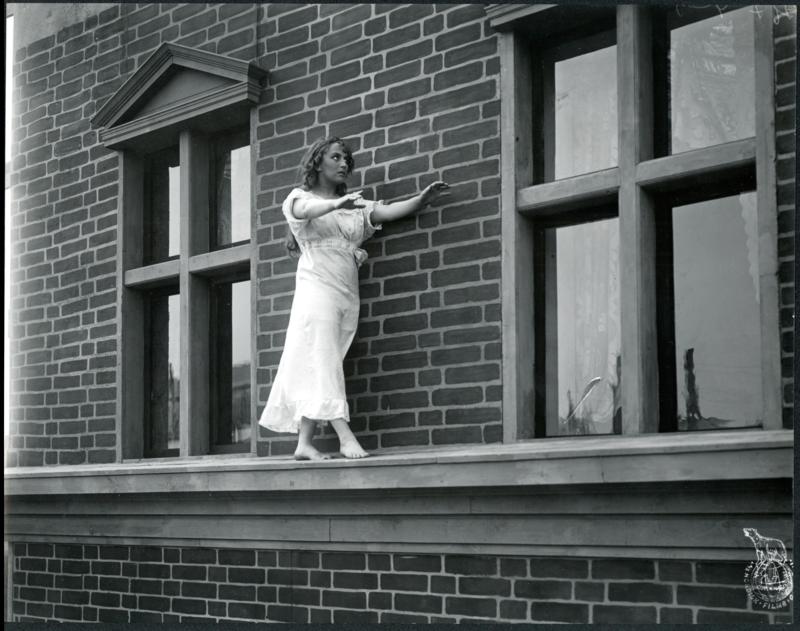
Stepping back into the hallowed halls of silent cinema, one occasionally unearths a gem whose emotional resonance transcends the decades, speaking with an eloquence that requires no spoken word. Such is the profound experience of encountering Alice Rix's ‘Ene i verden’ – a title that, even in its original Danish, whispers volumes: 'Alone in the World'. This isn't merely a film; it's an exquisitely crafted tableau of human vulnerability and unwavering spirit, a masterclass in visual storytelling that plunges the viewer into the very heart of its protagonist's struggle.
From its opening frames, 'Ene i verden' establishes a palpable sense of melancholic beauty, a world rendered with stark realism yet imbued with a poetic sensibility. The narrative, penned by Alice Rix, is a testament to the power of a well-conceived plot, even in an era when technological limitations often necessitated simpler structures. Rix weaves a tale that feels both intimate and universal, focusing on the plight of Elin, a young woman portrayed with a heartbreaking authenticity by Hanni Reinwald. Orphaned and adrift, Elin's journey is less a quest and more a navigation of treacherous emotional currents, a constant negotiation between her innate desire for connection and the isolating realities of her existence. The film doesn't shy away from the harshness of her circumstances, depicting a society that, while perhaps not overtly cruel, is often indifferent, leaving Elin to forge her own path with little guidance or protection.
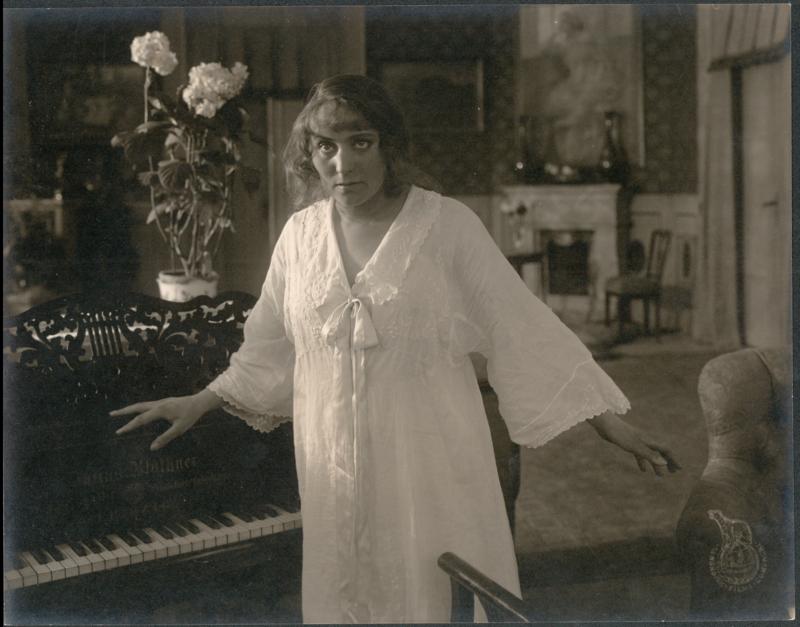
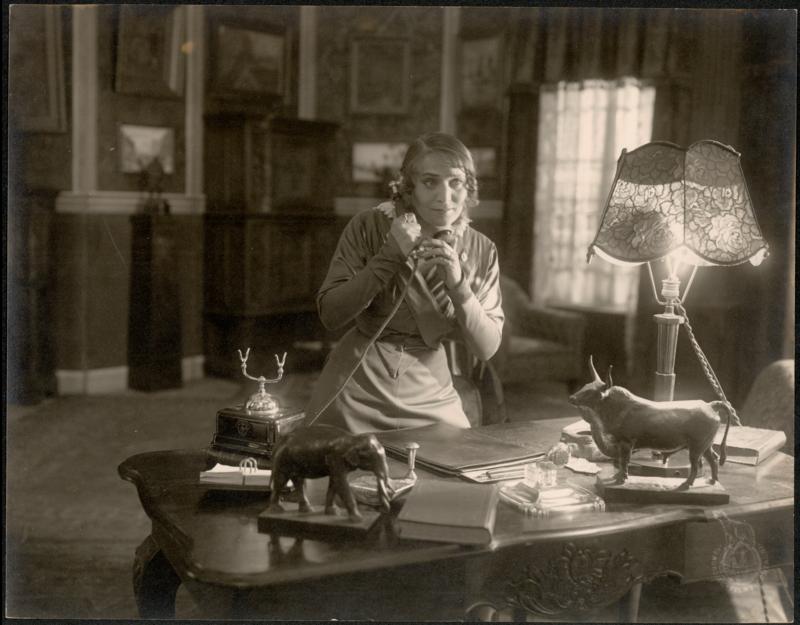
Hanni Reinwald's portrayal of Elin is nothing short of mesmerizing. Her performance is a delicate balance of innocence and burgeoning resilience, her expressive eyes conveying entire soliloquies without a single intertitle. We witness her transformation from a wide-eyed girl, buffeted by circumstance, to a woman learning to stand on her own two feet, albeit with a lingering vulnerability that makes her all the more compelling. Reinwald's ability to communicate profound emotional states – joy, sorrow, hope, despair – through subtle shifts in posture, gaze, and gesture is a masterclass in silent acting. It’s a performance that demands empathy, drawing the audience into Elin’s inner world with an almost magnetic force. One can hardly recall a more compelling silent protagonist since the likes of Mary Pickford in The Sparrow, though Reinwald's Elin possesses a starker, less romanticized struggle.
Opposite Reinwald, Tronier Funder delivers a nuanced performance as the sensitive artist who offers Elin a beacon of hope. Funder's portrayal is understated yet deeply affecting, his character's artistic temperament providing a stark contrast to the more pragmatic, often callous, world around them. Their scenes together are imbued with a tender chemistry, a quiet understanding that speaks volumes about the potential for human connection even in the most isolating of situations. The delicacy of their burgeoning romance is a central pillar of the film's emotional architecture, a fragile bloom constantly threatened by external forces.
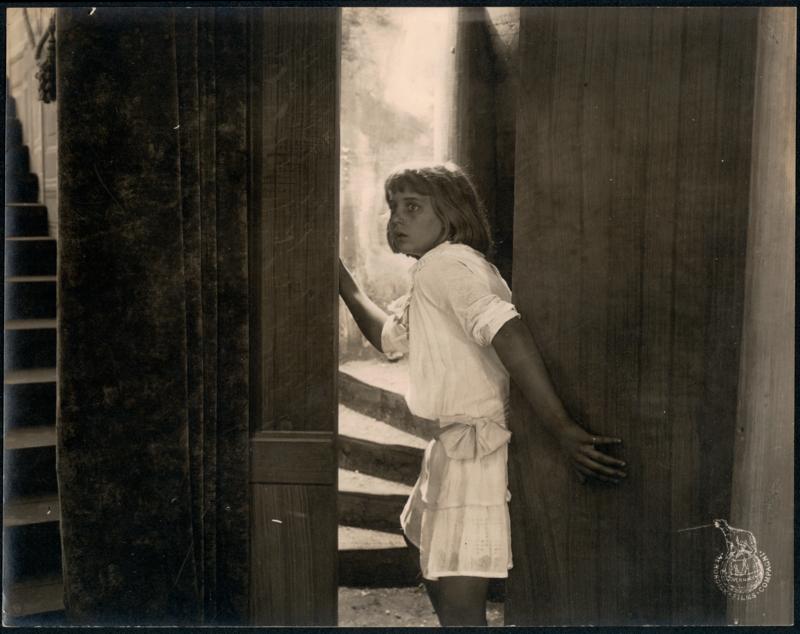
The formidable presence of Clara Pontoppidan as the stern matriarch adds an essential layer of dramatic tension. Pontoppidan, a titan of Danish cinema, embodies the rigid societal norms and moralistic judgments that often stand as insurmountable barriers to Elin's happiness. Her performance is commanding, her very presence radiating an authority that underscores the immense pressure Elin faces. This isn't a one-dimensional villain; Pontoppidan crafts a character whose actions, however harsh, are rooted in a deeply ingrained sense of duty and tradition, making her an even more complex and formidable antagonist. The interplay between her unyielding will and Elin's gentle defiance forms some of the film's most riveting moments.
The supporting cast, including Johannes Ring, Hans Dynesen, Henry Seemann, Henny Lauritzen, and Gerda Christophersen, each contribute to the rich tapestry of 'Ene i verden'. Johannes Ring, as the more worldly and perhaps manipulative suitor, provides a crucial counterpoint to Funder's artistic idealist, embodying the pragmatic yet potentially perilous choices Elin faces. His presence introduces a tangible threat to Elin's emotional well-being, forcing her to confront the realities of a world where love can be a commodity or a means to an end. The ensemble cast, under the direction, works in seamless concert to create a believable and immersive world, each character, no matter how minor, adding texture and depth to Elin's challenging journey.
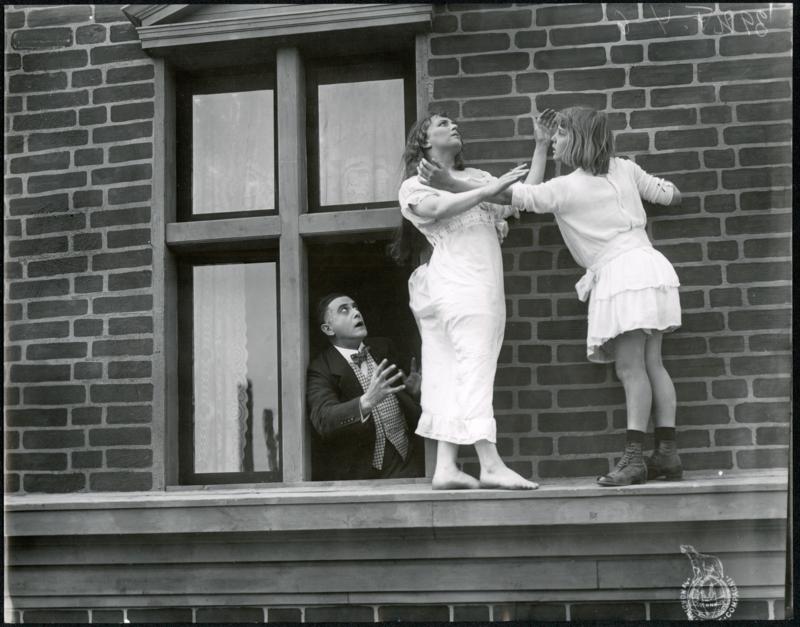
'Ene i verden' is a triumph of early cinematic artistry. The cinematography is exquisite, utilizing light and shadow not merely for illumination but as a powerful storytelling tool. The stark contrasts often mirror Elin's internal struggles – moments of hope bathed in soft, ethereal light giving way to periods of despair shrouded in encroaching darkness. The set designs, while perhaps modest by today's standards, are meticulously crafted to convey the social strata and emotional states of the characters. A cramped, shadowed tenement room speaks volumes about Elin's humble beginnings, while a grand, imposing salon underscores the societal chasm she must bridge.
Alice Rix's screenplay delves into themes that remain profoundly relevant even a century later. At its core, 'Ene i verden' is a meditation on solitude and connection. Elin’s journey is a relentless search for belonging, a yearning for a place where she is not merely tolerated but truly seen and loved. The film explores the myriad ways in which individuals can feel isolated, even amidst a throng, and the profound human need to forge genuine bonds. It's a testament to the enduring power of empathy and the resilience of the human spirit in the face of overwhelming odds. The film, in its quiet contemplation, reminds one of the profound emotional landscape explored in Russian silent films like Pesn torzhestvuyushchey lyubvi, which similarly grappled with intense romantic and spiritual yearning.
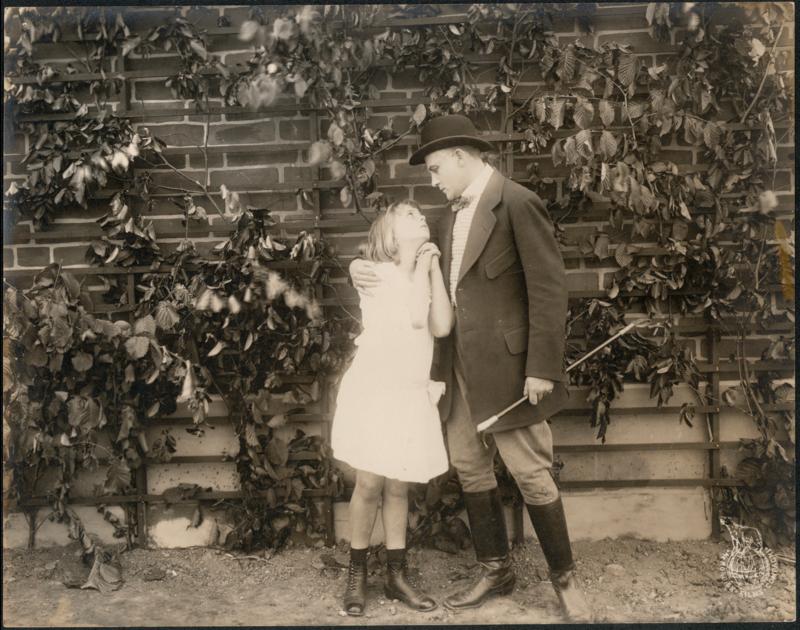
Beyond the personal narrative, the film subtly critiques the societal pressures and class divisions prevalent in its era. The barriers Elin faces are not just emotional; they are systemic, a product of a rigid social hierarchy that dictates who may love whom, who may aspire to what. The struggle for independence, particularly for a young woman, is portrayed with an unflinching gaze, highlighting the courage required to defy convention and forge one's own destiny. This thematic depth elevates 'Ene i verden' beyond a simple melodrama, positioning it as a significant social commentary.
As a piece of Danish cinematic history, 'Ene i verden' stands as a remarkable achievement. It showcases the sophisticated storytelling and acting prowess present in early Nordic cinema, often overshadowed by its more widely distributed European and American counterparts. The film’s ability to evoke such a wide range of emotions without the benefit of spoken dialogue is a testament to the universal language of visual art and performance. It invites viewers to engage actively, to interpret the subtle cues and emotional nuances, making the experience deeply personal and immersive. The meticulous craftsmanship, from Alice Rix's insightful writing to the nuanced performances of the entire cast, speaks volumes about the dedication to the art form during this nascent period of filmmaking.
The film’s pacing, characteristic of the era, allows for moments of quiet contemplation, letting emotions simmer and resonate rather than rushing towards a climax. This deliberate rhythm enhances the poignancy of Elin's journey, giving ample space for the audience to connect with her struggles and triumphs. While modern audiences might initially find the absence of sound jarring, the rich visual language quickly compensates, drawing one into a world where every gesture, every glance, every shadow carries profound meaning. It's a reminder that cinema's power lies not just in what is heard, but what is felt and perceived.
Comparisons to other films of the period are inevitable and, in this case, illuminating. While sharing the dramatic intensity of films like The Unwritten Law or the emotional depth of The Return of Eve, 'Ene i verden' carves out its own distinct identity through its uniquely Scandinavian sensibility – a certain understated elegance combined with an unvarnished honesty about human suffering and resilience. It lacks the overt theatricality of some French productions, for instance, instead opting for a more grounded, naturalistic approach that feels remarkably modern in its emotional authenticity. The film's portrayal of societal constraints and personal desires echoes the struggles seen in Les amours de la reine Élisabeth, albeit in a different social milieu.
In conclusion, 'Ene i verden' is far more than a historical curiosity; it is a timeless exploration of the human condition. It reminds us that the quest for connection, the struggle against isolation, and the desire for self-determination are universal experiences that transcend language and era. Hanni Reinwald's indelible performance, coupled with Alice Rix's sensitive storytelling and the film's evocative cinematography, ensures its place as a significant work in the annals of silent cinema. It's a film that lingers long after the final frame, prompting reflection on our own journeys and the moments, both solitary and shared, that define us. If you have an appreciation for the depth and artistry of early filmmaking, or simply a desire to witness a powerful story told with profound emotional intelligence, seek out 'Ene i verden'. It is a truly unforgettable experience, a poignant whisper from the past that still resonates with remarkable clarity today.

IMDb 5.9
1933
Community
Log in to comment.