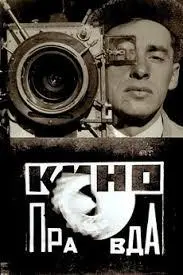
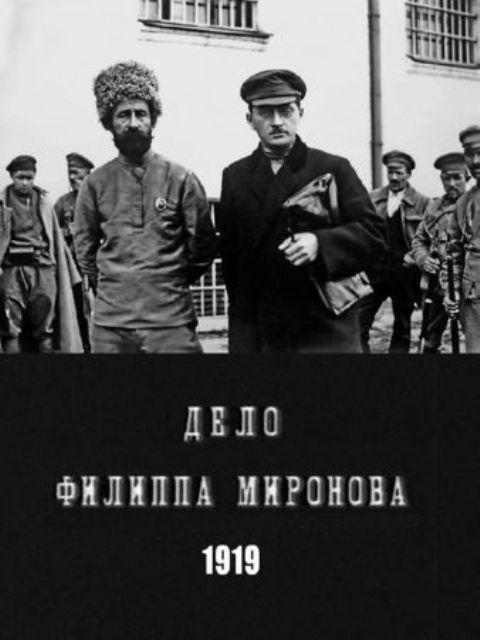
A series of newsreel films from Dziga Vertov, Elizaveta Svilova, and Mikhail Kaufman which document Russian Life in the early 1920s..
Soviet Union
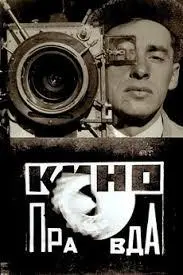
Unveiling the Unseen: The Enduring Power of Kino Pravda No. 16 Step back in time, not to a meticulously recreated set, but to the very pulse of a nation in the throes of seismic change. Dziga Vertov's Kino Pravda No. 16: Spring Kino-Pravda. A Picturesque, Lyrical Newsreel isn't just a film; it's a vibrant, br...
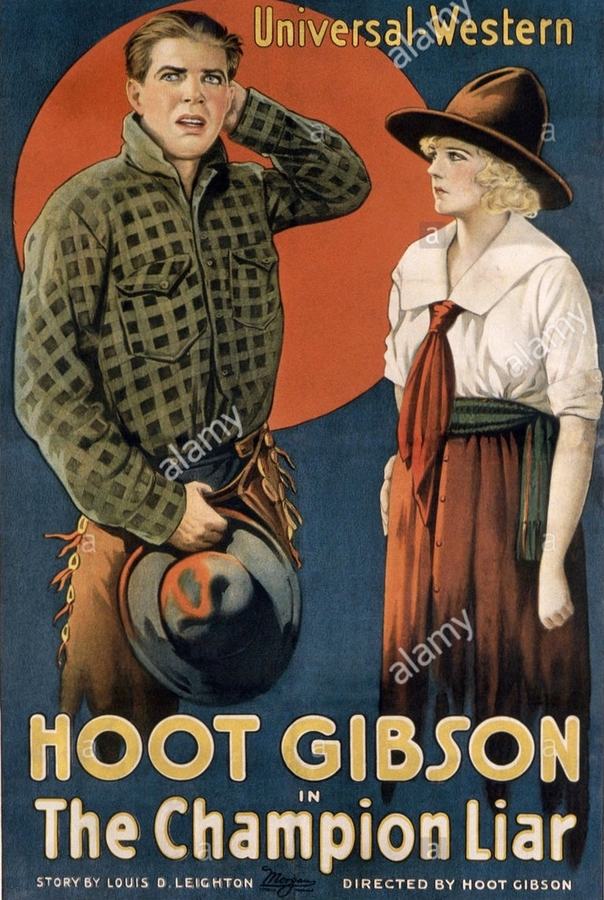
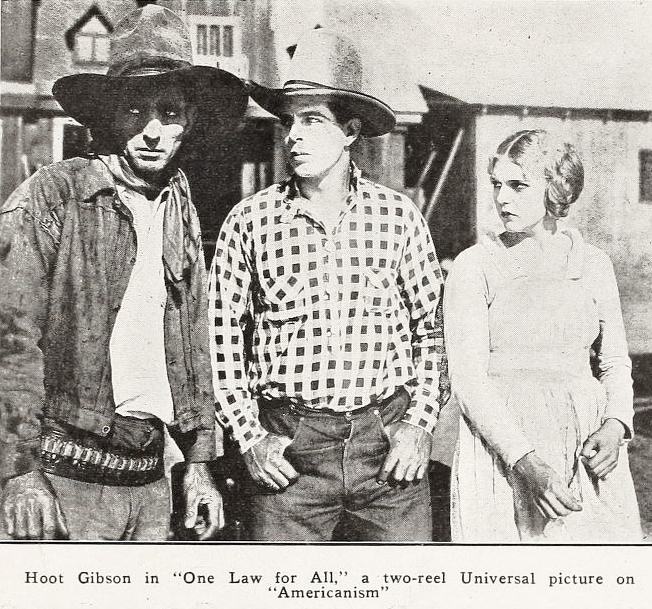
Comparing the cinematic DNA and archive impact of two defining moments in cult history.
Dziga Vertov
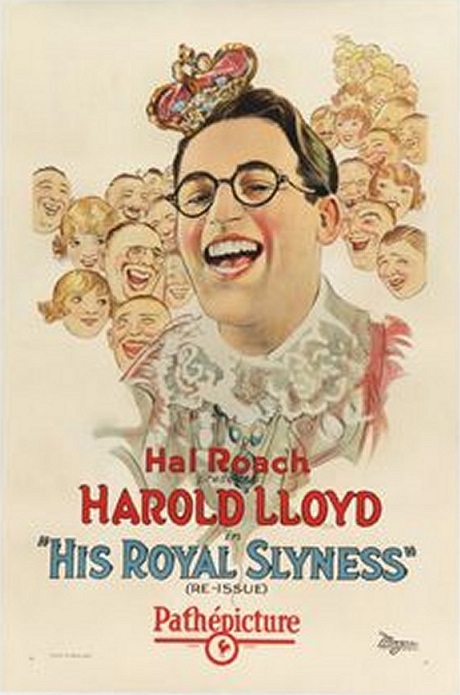
Hal Roach
Community
Log in to comment.
" Unveiling the Unseen: The Enduring Power of Kino Pravda No. 16 Step back in time, not to a meticulously recreated set, but to the very pulse of a nation in the throes of seismic change. Dziga Vertov's Kino Pravda No. 16: Spring Kino-Pravda. A Picturesque, Lyrical Newsreel isn't just a film; it's a vibrant, breathing artifact, a testament to a radical cinematic philosophy that sought to capture life's raw, unvarnished essence. Released in 1922, this installment of the groundbreaking Kin..."
Deep dive into the cult classic
Discover similar cinematic experiences
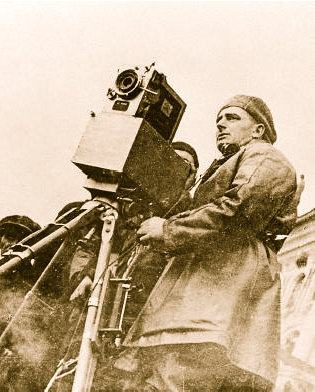
A Directorial Spotlight on Dziga Vertov