DbcultAccessing Vault...
7.1/10
Senior Film Conservator
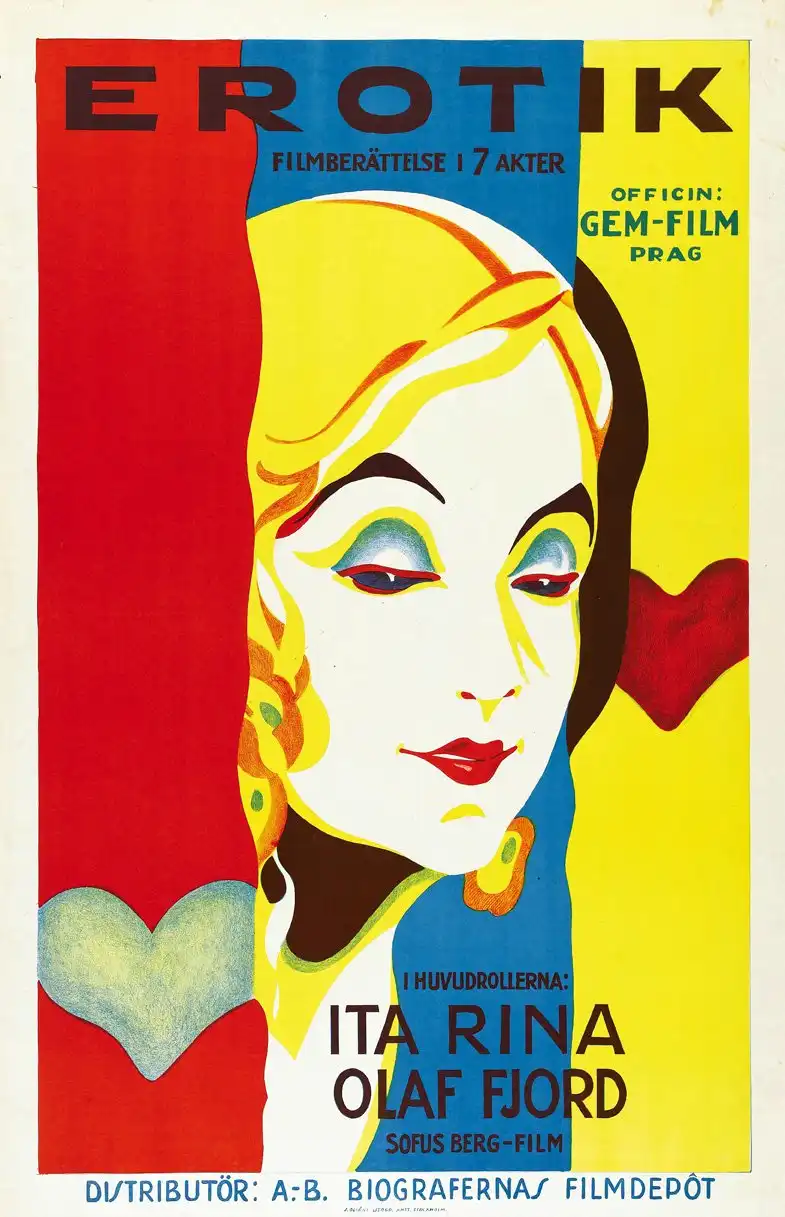
A definitive 7.1/10 rating for a film that redefined the boundaries of cult cinema. Erotikon remains a cornerstone of transgressive art.
If you're looking for something to watch tonight and don't mind reading subtitles—or well, just looking at faces since it's silent—this is a weirdly good choice. It’s for people who like moody atmospheres and bold visual choices.
Action fans or people who need a fast plot will probably hate it and turn it off after ten minutes. It’s slow. Like, really slow.
The whole thing starts with a storm that actually looks wet and miserable. You can almost smell the damp wool coats.
A guy named George gets stuck at a station master's house because the weather is just that bad. The station master has a daughter, Andrea, played by Ita Rina.
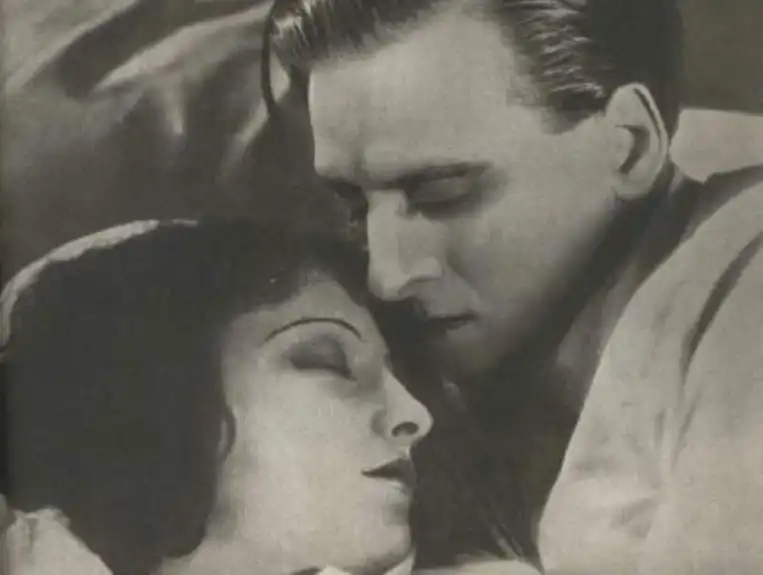
Ita Rina has this face that the camera just obsesses over. It’s not just that she's pretty, but she looks like she’s actually thinking about five different things at once.
There is this one shot of a bottle and some glasses that feels like it lasts forever. It’s just sitting there, but you know exactly what’s about to happen.
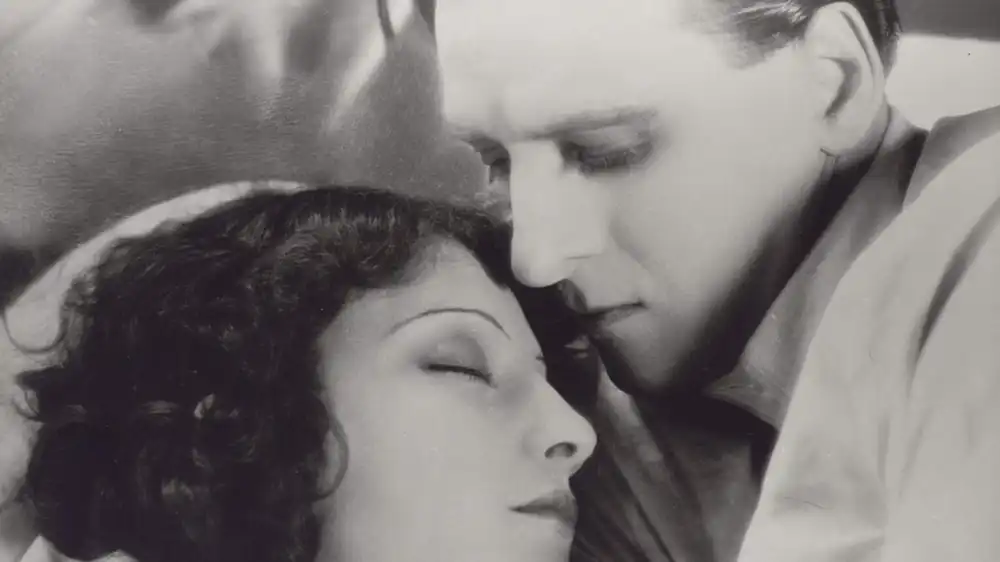
The seduction scene is famous, I guess, but it's mostly just close-ups of hands and expressions. It feels more intense than most modern stuff because of what it doesn't show.
George is kind of a jerk, honestly. He’s got that slick look that usually means trouble in these old movies.
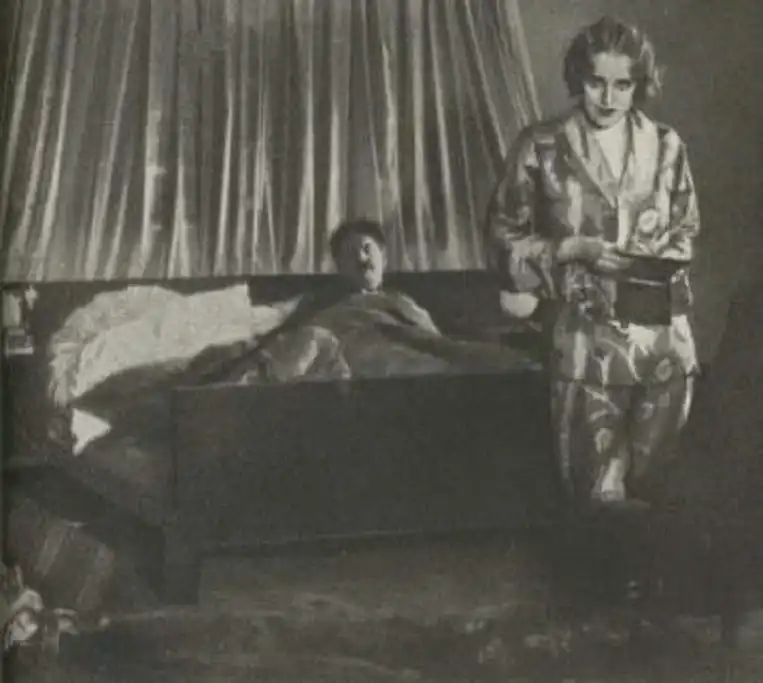
The way he smokes his cigarette makes you want to yell at the screen. He’s just too cool for his own good.
Then he leaves, because of course he does. Andrea realizes she's pregnant and the whole vibe of the movie shifts.
It stops being a rainy romance and becomes this sort of lonely trek. She goes to the city, and the movie gets way more into the textures of urban life.
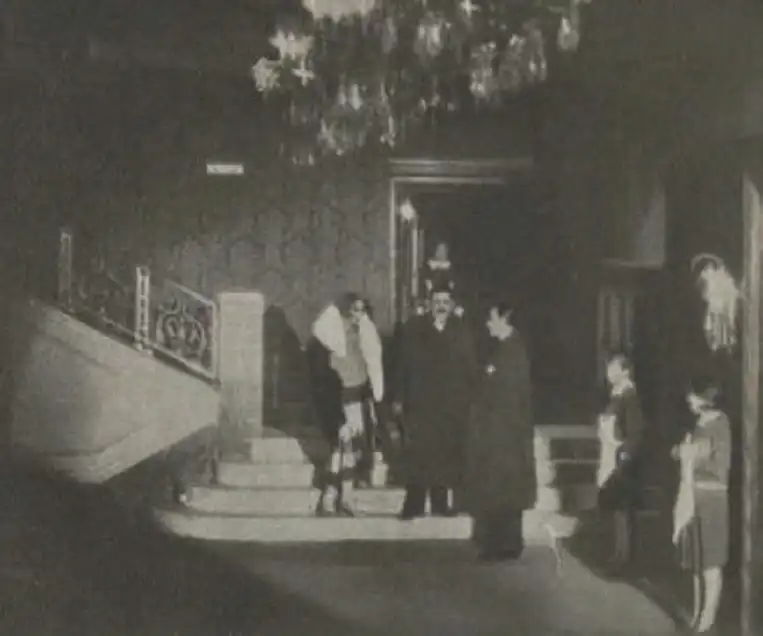
I noticed the way the director, Gustav Machatý, loves shiny surfaces. Everything reflects something else—windows, puddles, polished floors.
It reminded me a little bit of the style in The Bottom of the Sea, even though that’s a totally different thing. Just that obsession with how light hits the water.
The middle part of the movie drags a little bit. There’s a lot of sitting around and looking tragic.
But then it picks up when she meets another man who is actually decent. Or seems decent at first, anyway.
There is a scene in a nightclub that is just chaotic and fun to look at. The editing gets all choppy and fast to show how dizzy she feels.
It’s much more experimental than something like Youth for Sale. You can tell the director was trying to show off a bit with the camera movements.
One thing that bugged me was the dad. He disappears for huge chunks of the movie and then just pops back in when it's convenient for the drama.
The acting is actually pretty restrained for 1929. Usually, people are flailing their arms around in these silents, but Ita Rina keeps it all in her eyes.
I kept thinking about A Modern Du Barry while watching the city scenes. There's that same feeling of a woman trying to find her footing in a place that wants to eat her alive.
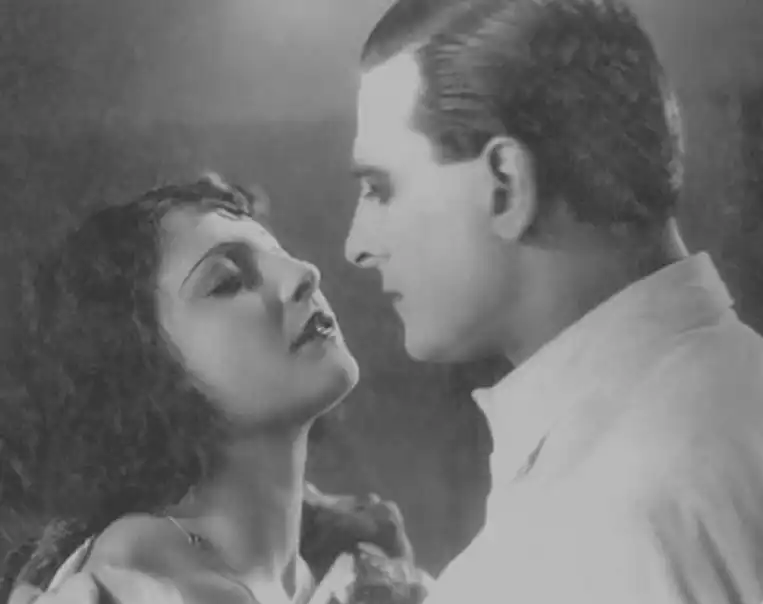
The ending feels a bit rushed, like they realized they only had five minutes of film left. It’s a bit too neat for a story that started out so messy and human.
But man, those close-ups. They really stay with you after the credits crawl by.
There’s a shot of a hand clutching a bedsheet that tells you more than three pages of dialogue ever could. 🎥
It’s not a perfect movie, and some of the moralizing feels very old-fashioned. But the way it looks is just incredible.
If you enjoy seeing how directors played with shadows before everything became so bright and flat, give it a look. It’s got a lot of soul in it.
I think I liked it more for the feeling of it than the actual story. Sometimes the vibe is enough, you know?
Anyway, it's definitely better than half the junk that came out around the same time like The Savage. It actually tries to be art.
Just don't expect a happy-go-lucky time. It's a bit of a heavy lift for a Tuesday night.
IMDb —
1923
Community
Log in to comment.