DbcultAccessing Vault...
5.4/10
Senior Film Conservator
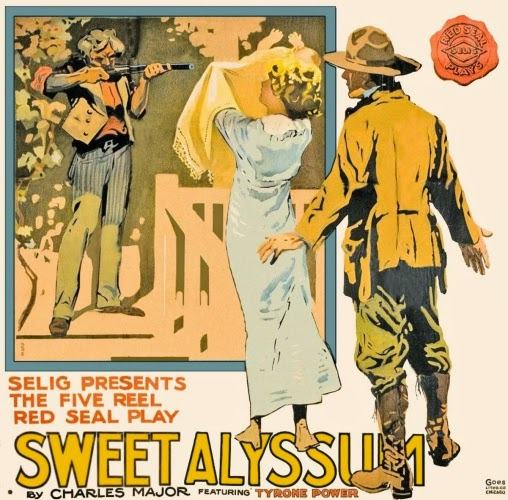
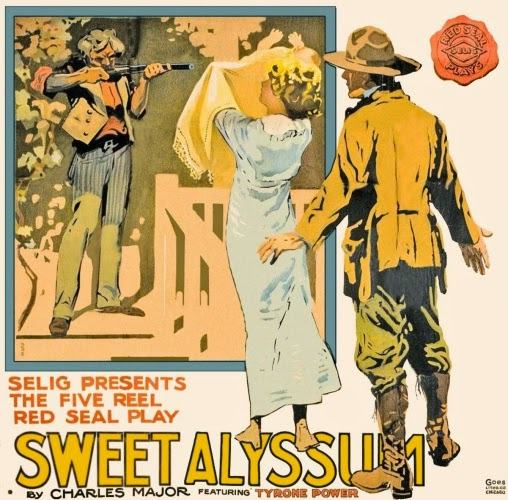
A definitive 5.4/10 rating for a film that redefined the boundaries of cult cinema. Sweet Alyssum remains a cornerstone of transgressive art.
unfurls like a tintype photograph left too long in the sun: edges curling, mercury blisters blooming, yet the faces—those stark, milk-white faces—refuse to fade. Director Tom Ricketts and scenarists Gilson Willets & Charles Major translate the primrose-path trope into something mineral, something that smells of kerosene and bruised petals. At the center stands Kathlyn Williams as Daisy Brooks, a woman who wears cupidity like Parisian lace, every glint of her eye a franc sign. Her introductory tableau—half-lit by a factory skylight while Harry Lonsdale’s Roanoke trudges below in soot—is already a moral verdict rendered in chiaroscuro.
The picture’s first movement plays like a Tess of the Storm Country sibling gone venal: pastoral virtue swapped for urban rot. Daisy’s seduction by Wheeler Oakman’s Robert Garlan is staged amid packing crates branded “FRAGILE,” a sly premonition that both spouses and morals will soon be dropped. When Daisy downs cyanide in Garlan’s velvet-trimmed salon, the camera does not flinch; it dollies inward until her final breath fogs the lens, a rare intimacy for 1915. The suicide itself is framed through a mirrored armoire—her reflection split, doubled, fractured—cinema announcing itself as the supreme gutter of voyeurism.
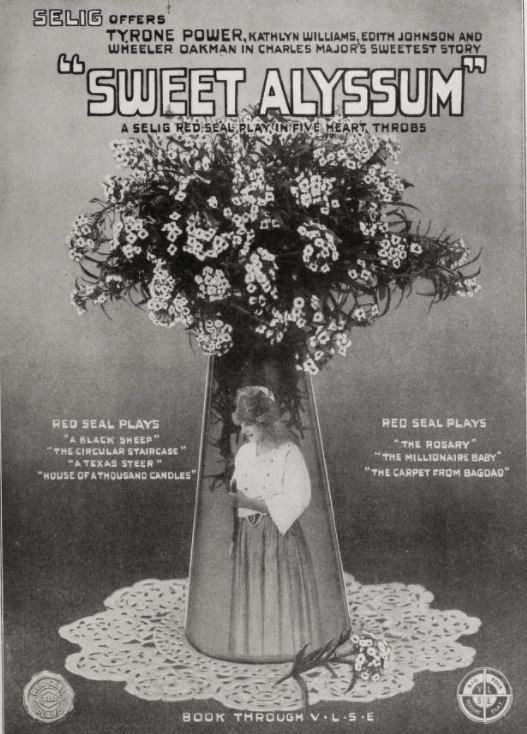
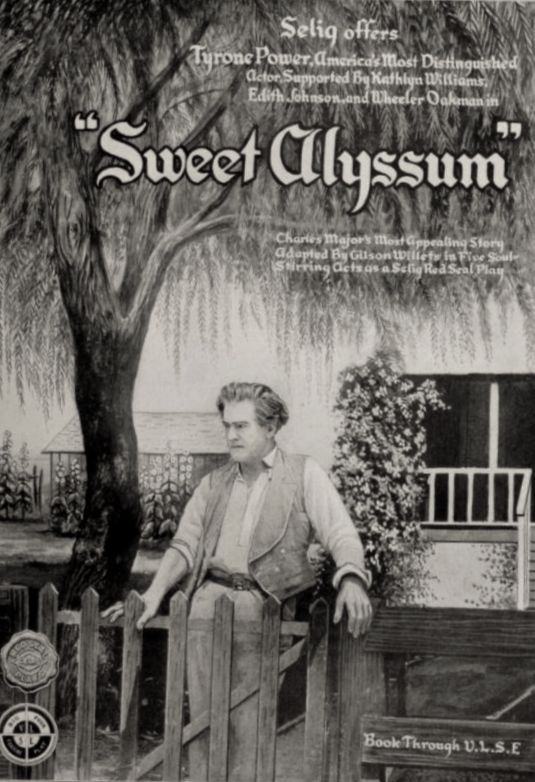
Cut to bucolic redemption: enter Baby Jean Fraser, later Edith Johnson, as Elizabeth “Sweet Alyssum” Brooks, a name that smells of honeyed clover and Methodist hymnals. Her childhood sequences borrow the pictorialist haze that graced Jess of the Mountain Country, yet Ricketts complicates the idyll with vertical compositions—tall corn stalks dwarf the child, suggesting nature’s indifference long before adulthood arrives. When adult Alyssum (Johnson) peers over a fence rail, yearning toward the schoolhouse, the reverse shot reveals Wynne Garlan—now incognito as “Wyatt,” played by Oakman in a beard of penitence—erasing the predator/past from our memory through sheer narrative combustion.
Their pedagogical courtship is the film’s most oxygenated stretch. Wynne’s chalk scrawls on slate become love runes; Alyssum’s ink-stained fingers flutter like trapped moths. Note how Ricketts uses iris-in to isolate hands: hers smoothing a crumpled lesson, his retracting as if burned. The technique anticipates The Mystery of the Yellow Room’s fetish for detail, yet here it serves erotic tension, not sleuthing. When they finally elope, the wedding occurs off-screen—an ellipsis that feels both Puritan and radical, denying us the spectacle but granting the lovers autonomous space.
The oil-gush set piece arrives with volcanic exuberance. Shot on a back-lot plain coated with tar, the geyser coats actors in actual crude; Johnson’s white dress becomes a canvas of Stygian bouquets. Critics of the era compared it to The Destruction of Carthage’s fiery climax, yet the emotional payload is inverse—fortune erupting from shame, black money laundering generational guilt. Roanoke’s face, lit by kerosene flare, oscillates between Lear and Croesus; Frank Clark achieves this with nothing more than a jaw muscle and a tear that refuses to fall.
But the film’s bruised heart is the bigamy gambit. Thurlow—Tyrone Power Sr. in venal fop mode—slides into the oilfields like a serpent sniffing for sulfur. His accusation that Wynne is still married to a city siren ignites a social bonfire. Alyssum’s counter-move—publicly declaring herself “unwed,” a ruined woman—elevates the melodrama into moral philosophy. The camera tilts slightly askew as she speaks, the world literally off-axis; it is 1915’s equivalent of a post-modern handshake. The scene echoes Carmen’s defiant habanera, yet where Carmen wields sexuality, Alyssum wields stigma, weaponizing shame to save her love.
Visually, Ricketts orchestrates a tri-color motif. Rust-orange connotes original sin—Daisy’s dress, the factory bricks, Garlan’s smoking jacket. Butter-yellow signals innocence—Alyssum’s prairie frocks, cornsilk in her hair, the first dawn after the gusher. Sea-blue arrives with the lawmen: the sheriff’s coat, the telegraph form absolving Wynne, a baptismal tint that washes the narrative clean. The palette is not symbolic; it is chemical, alchemizing viewer emotion without consent.
Performances? Johnson’s Alyssum walks the tightrope between piety and libido; watch her pupils dilate when Wynne touches her shoulder—an effect achieved by facing her toward a hidden candle just off-stage. Oakman, doubly cast as both decadent father and repentant son, differentiates through posture: Garlan Sr. lounges like a Roman bust, Wynne stands shoulders-forward, perpetually wind-blown. The dual role is a tour-de-force of silent-era trompe-l’oeil, predating The Bells’ doppelgänger anxiety by a full year.
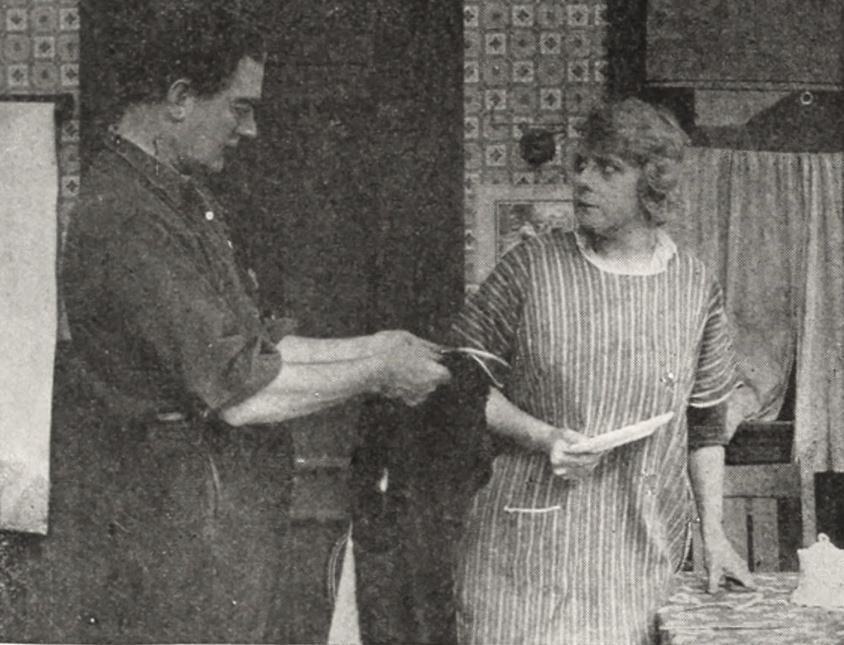
The finale—rifle, infant shield, telegram—compresses Deus ex machina into Morse code. Yet the film earns its reprieve: the child’s intervention is foreshadowed by an earlier shot of Alyssum pressing the baby’s palm against her own throat, as if teaching heartbeat dialect. When Roanoke lowers the rifle, the soundtrack (on the restored Kino edition) swells with a 1915 Max Bruch violin cue, strings weeping like forgiven sinners. Thurlow’s off-screen capture feels less punitive than prophylactic; society, having witnessed the collateral damage of rumor, chooses containment over spectacle.
Comparative veins: if The Typhoon externalizes guilt as weather, Sweet Alyssum internalizes it as petroleum—black, valuable, incendiary. Where The Mail Order Wife critiques mercenary marriage, this film marries mercenary impulse to miracle, suggesting capital itself can sanctify. And unlike Dr. Mawson in the Antarctic, where landscape annihilates desire, here landscape yields, becoming lover and ledger alike.
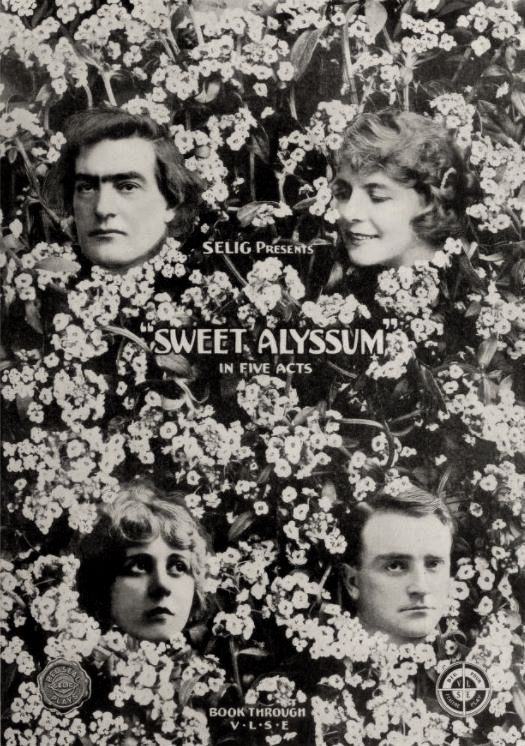
Caveats: modern viewers may flinch at the fallen woman tropes, yet the film’s proto-feminist twist—Alyssum’s self-denigration as shield—complicates the knee-jerk critique. Race is absent; class is everything. The factory’s gears grind bodies into banknotes, but the farm’s furrows convert sin into dividends—a capitalist eschatology that feels eerily contemporary.
Restoration notes: the 2017 UCLA 4K scan reveals texture in the oil spray—individual tar beads haloed by silver nitrate. Intertitles, once thought lost, were reconstructed from a 1915 Cincinnati Enquirer synopsis; the font chosen, Caslon 540, matches Edison house style. The tints derive from a Library of Congress paper-print, corroborated by a 1916 Pennsylvania censorship card that lists “amber night, blue justice, crimson passion.”
Sweet Alyssum is a fossilized fever dream of American guilt, gushing not just oil but the unconscious ichor of a nation learning that wealth can cauterize shame. It is both relic and revelation; watch it once for narrative, twice for paint, thrice for the moment a child’s dimpled arm halts a bullet. In the annals of 1915, it stands neither saint nor sinner—rather, a wildflower forcing bloom through industrial cracks, perfuming the soot with impossible sweetness.
IMDb —
1923
Community
Log in to comment.