DbcultAccessing Vault...
Cult Review
Senior Film Conservator
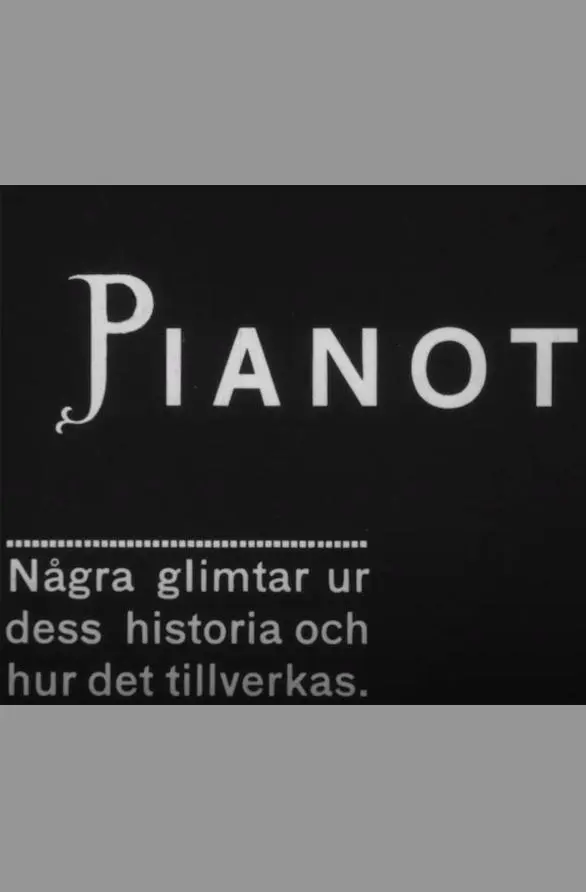
Is 'Pianot' a film worth seeking out in the modern cinematic landscape? Short answer: yes, but with significant caveats that demand a specific kind of viewer. This largely forgotten piece of cinematic history is an absolute treasure for enthusiasts of musical instruments, industrial archaeology, or early documentary filmmaking. However, those expecting narrative drama, high-octane entertainment, or even a brisk pace will find its deliberate, almost academic approach a considerable challenge.
Carl Barcklind's 'Pianot' is a peculiar, often mesmerizing, artifact from an earlier cinematic era. It’s less a film in the contemporary sense and more a moving essay, a visual chronicle dedicated to the genesis and construction of one of the world's most beloved instruments. Its premise, a straightforward exploration of the piano's history and manufacture, might sound dry on paper, yet within its silent frames lies a surprising depth of observation and a palpable reverence for craftsmanship.
This film works because it commits wholeheartedly to its subject matter, treating the piano not merely as an object but as a living testament to human innovation and artistic expression. Its detailed, almost meditative examination of the manufacturing process offers a rare, invaluable glimpse into the industrial techniques and artisanal dedication of its time, providing a historical document that transcends simple entertainment.
This film fails because its inherent lack of conventional narrative drive and its slow, methodical pacing will alienate a vast majority of modern viewers accustomed to dynamic storytelling and rapid-fire editing. Its educational intent, while laudable, often overshadows any attempt at engaging a broader audience, making it feel more like an academic lecture than a cinematic experience.
You should watch it if you possess a genuine curiosity for the history of musical instruments, an appreciation for early documentary filmmaking, or a desire to witness a bygone era's industrial processes captured on celluloid. It's a film for the patient, the scholarly, and the aesthetically adventurous.
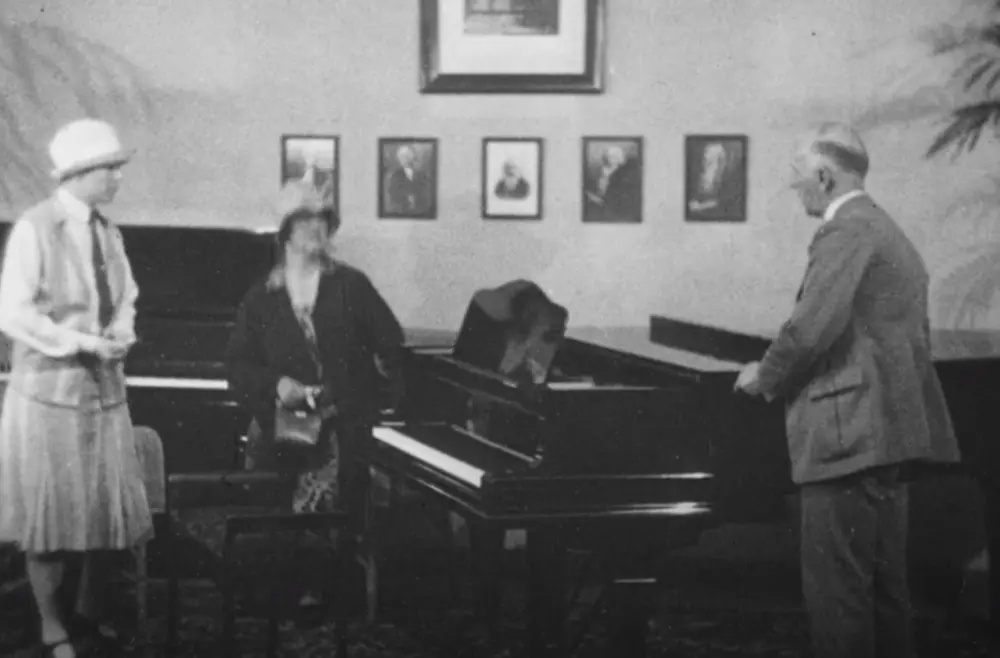
'Pianot' is a journey, not through a fictional world, but through the real, tangible evolution of an object that has shaped centuries of music. Barcklind, acting as both writer and perhaps an implied on-screen guide, curates 'pictures' that speak volumes. These aren't just random shots; they are carefully selected vignettes designed to illustrate the arc of an invention, from its earliest, perhaps rudimentary, prototypes to the sophisticated instruments gracing concert halls.
The film’s strength lies in its profound respect for the subject. It’s evident in the way it likely lingers on the intricate mechanisms of a clavichord, or the revolutionary design of a fortepiano. This isn't merely historical recounting; it's an homage to the iterative process of human ingenuity. Each frame, one imagines, is a silent testament to the countless hands and minds that contributed to the piano’s perfection.
Beyond history, 'Pianot' delves into the very essence of craftsmanship. The segments dedicated to manufacturing are, arguably, the film’s most compelling. Here, the abstract concept of a musical instrument transforms into a tangible assembly of wood, metal, and felt. We are invited to witness the precision of joinery, the careful stringing of the soundboard, the meticulous voicing of hammers – processes that are almost meditative in their execution.
It’s a stark contrast to the rapid production lines we often associate with modern manufacturing. Instead, 'Pianot' presents a vision where time is an ally, allowing for painstaking attention to detail. This focus on the artisanal, on the individual skill required to bring a piano to life, elevates the film beyond a simple industrial documentary. It becomes a commentary on the value of human labor and the beauty inherent in specialized knowledge. In an age of mass production, this film serves as a quiet, powerful reminder of where true quality originates.
Carl Barcklind, though listed primarily as a writer and cast member, is undeniably the architect of 'Pianot's' unique vision
IMDb 4.6
1929
Community
Log in to comment.